

 Ver en contexto
 Enviar
 Compartir
 Detalles

 Descargar
 Similares
 Radiografía
 Presentación de diapositivas
 Stats
StatsIn These Times Blacks boasting and unbelief, Our Lady of the End Lands Vigilante


 Ver más
Adquiera una imagen digital de alta resolución y optimizada, muy superior a la vista previa en línea.
Cada archivo es preparado meticulosamente por nuestros especialistas internos mediante el uso de herramientas avanzadas y un experto retoque manual. Nos aseguramos de que cada imagen posea una claridad excepcional, una precisión cromática impecable y un detalle minucioso.
El archivo final se entrega por correo electrónico en un plazo de 72 horas, optimizado para su uso inmediato en entornos profesionales, editoriales y de impresión. Esta es la misma calidad en la que confían los estudios de diseño, las editoriales y las galerías de primer nivel.
Imagen Digital
Descarga un archivo de alta resolución para exhibición personal, impresión y proyectos creativos. ( Switch to Print Comprar pintura hecha a mano)
Incluido en cada pedido de imágenes digitales
Entrega digital experta, garantizada.
Al elegir ArtsDot.com, no solo está adquiriendo una imagen; está recibiendo una obra de arte digital mejorada profesionalmente, elaborada con precisión y respaldada por una garantía de satisfacción. Esto es todo lo que incluye su pedido, automáticamente:

Entrega rápida por email
Recibirá su archivo de imagen digital en alta resolución por correo electrónico en un plazo de 72 horas tras realizar su pedido, listo para su uso inmediato.

Archivo digital optimizado por IA
Su obra de arte se optimiza profesionalmente mediante herramientas avanzadas de IA y edición manual, garantizando el máximo detalle, claridad y precisión cromática.

Reenvío gratuito de por vida
¿Has borrado o perdido tu archivo por error? No te preocupes: te lo volveremos a enviar en cualquier momento, sin coste adicional.

Sin gastos de importación, siempre
Disfrute de su obra de arte al instante sin aduanas, aranceles ni gastos de envío; las descargas digitales siempre están libres de impuestos.

Garantía de fidelidad de color
Garantizamos que su imagen digital refleje los colores originales con la mayor fidelidad posible, mediante el uso de herramientas profesionales y gestión del color.

Garantía de satisfacción de 100 días
Si no está satisfecho con su imagen digital, la revisaremos o le reembolsaremos el 100% en un plazo de 100 días, sin preguntas.

100% Garantía de devolución de dinero
¿No está satisfecho? Obtenga un reembolso completo dentro de los 100 días posteriores a la recepción de su archivo digital, sin preguntas.

Descuentos por pedidos grandes
Compra 3 imágenes, ahorra 10% - Compra 5, ahorra 15% - Compra 10+, ahorra 20%. Ideal para proyectos creativos, galerías y agencias.
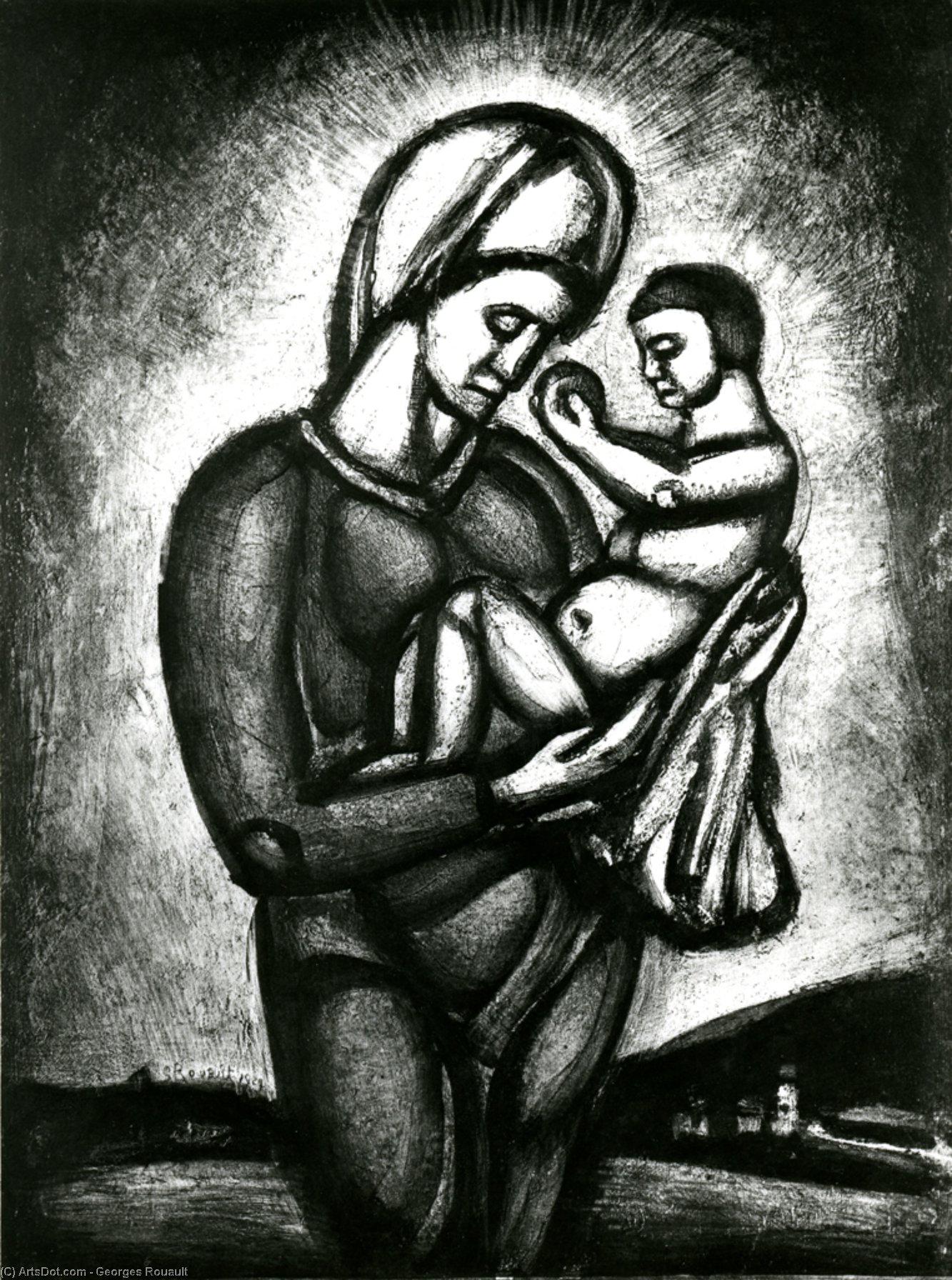
A Descent into Shadow: Georges Rouault’s ‘Miserere’ – A Portrait of Suffering
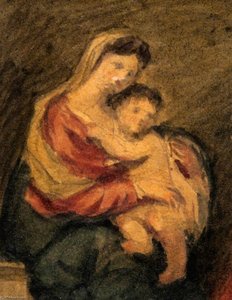
Georges Rouault's Miserere, created between 1922 and 1927, isn’t merely a depiction of the Virgin Mary cradling the Christ Child; it’s a profound plunge into the heart of human sorrow. Born in Paris amidst the lingering trauma of the Commune – an event that indelibly shaped his artistic vision – Rouault dedicated his life to portraying the marginalized and suffering, finding beauty and spiritual resonance within scenes of hardship. This particular work, rendered in stark monochrome with a masterful command of hatching and cross-hatching, embodies this core tenet of his oeuvre, offering a visceral experience far removed from idealized religious iconography.
- The Raw Emotion: Rouault deliberately eschewed the polished surfaces and vibrant colors favored by many of his contemporaries. Instead, he embraced a palette dominated by shades of gray, black, and white, amplifying the emotional intensity of the scene. The figures are not presented with serene dignity; their faces bear expressions of profound sadness and contemplation – a deliberate rejection of conventional representations of divine motherhood.
- Technique as Revelation: Rouault’s technique is central to the work's power. The meticulous layering of lines, achieved through painstaking hatching and cross-hatching, creates a palpable sense of texture and depth. It’s not simply a rendering of form; it’s an embodiment of suffering itself – the rough edges, the uneven surfaces mirroring the jaggedness of human experience.
Echoes of Medieval Art & The Artist's Personal Journey
Rouault’s artistic lineage is deeply rooted in medieval art, particularly the stained glass he initially apprenticed in. This influence manifests in the work’s dramatic use of light and shadow, reminiscent of the luminous figures within Gothic cathedrals. However, unlike the idealized representations of the Middle Ages, Rouault's vision is profoundly grounded in realism and a deeply personal faith. The title itself, Miserere (Latin for “have mercy”), reflects his own spiritual struggles – a constant grappling with themes of sin, redemption, and the inherent suffering within the world.
His early life experiences—the bombardment of Paris, his family’s refuge in a cellar—fueled this preoccupation with darkness and vulnerability. This wasn't a detached observation; it was an intensely felt empathy for those who endured hardship, a sentiment powerfully conveyed through the somber expressions of Mary and Jesus.
Symbolism & The Weight of Humanity
The composition itself is laden with symbolic weight. The halo-like effect surrounding Mary’s head isn't a symbol of divine glory but rather an intensification of her sorrow, emphasizing her role as a witness to human suffering. The figures are presented in a simplified, almost flattened perspective, further contributing to the work’s emotional intensity and removing any illusion of depth or grandeur. Rouault deliberately stripped away the conventional trappings of religious art, focusing instead on the raw, unvarnished truth of human experience.
Miserere is not a celebration of faith; it's an honest confrontation with its darker aspects – a poignant reminder of mortality, vulnerability, and the enduring presence of suffering in the world. It’s a testament to Rouault’s unwavering commitment to portraying the human condition with unflinching honesty and profound empathy.
A Reproduction for Reflection & Inspiration
ArtsDot offers meticulously hand-painted reproductions of this powerful artwork, capturing not just its visual elements but also the emotional depth that defines Rouault's masterpiece. Each reproduction is created by skilled artisans who painstakingly recreate the artist’s technique, ensuring an authentic and evocative representation. Whether displayed in a private residence or incorporated into a larger art collection, Miserere offers a unique opportunity for contemplation and reflection – a timeless reminder of humanity’s capacity for both sorrow and compassion.
Obras relacionadas
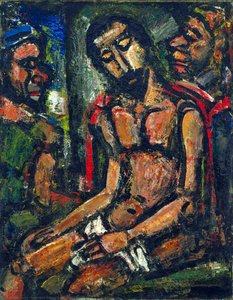
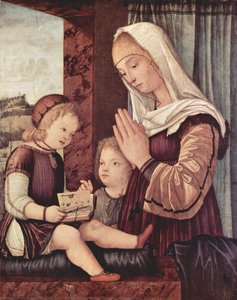
Biografía del artista
Primeros años y formación
Georges Henri Rouault, un pintor, dibujante e impresor francés, nació en París el 27 de mayo de 1871, en una familia humilde. Su madre fomentó su amor por las artes, y a los 14 años comenzó un aprendizaje como vidrieros y restaurador, que duró hasta 1890. Esta experiencia temprana probablemente influyó en su estilo pictórico maduro, caracterizado por el contorneado negro intenso y los colores brillantes, reminiscente del vidrio emplomado.Trayectoria artística
Durante su aprendizaje, Rouault asistió a clases nocturnas en la Escuela de Bellas Artes y posteriormente ingresó en la École des Beaux-Arts en 1891, donde estudió bajo Gustave Moreau. Los primeros trabajos de Rouault muestran un simbolismo en el uso del color, reflejando la influencia de Moreau. Tras la muerte de Moreau en 1898, Rouault fue nombrado curador del Museo Moreau en París.Fauvismo y Expresionismo
Rouault conoció a artistas notables como Henri Matisse, Albert Marquet, Henri Manguin y Charles Camoin, lo que le llevó al movimiento fauvista, con Matisse como su líder. Su uso de contrastes marcados y emotividad estuvo influenciado por Vincent van Gogh. Sus caracterizaciones de personalidades grotescas exageradas inspiraron a los pintores expresionistas.Obras destacadas y exposiciones
- En 1891, Rouault pintó *El camino del Calvario*.
- A partir de 1895, participó en importantes exhibiciones públicas, incluido el Salon d'Automne, que ayudó a fundar.
- En 1907, Rouault comenzó una serie de pinturas dedicadas a cortes, payasos y prostitutas, interpretadas como crítica moral y social.
Post-Impresionismo y Legado
Georges Rouault se dedicó a la pintura desde 1917, con la fe cristiana informando su obra. Creó diseños para el ballet *El hijo pródigo* de Diaghilev en 1929. En 1930, comenzó a exponer en países extranjeros, principalmente en Londres, Nueva York y Chicago. Rouault murió en París el 13 de febrero de 1958, dejando atrás un legado como uno de los artistas cristianos más apasionados del siglo XX. Importante: Al final de su vida, Rouault quemó 300 de sus cuadros, estimados en más de quinientos millones de francos hoy en día.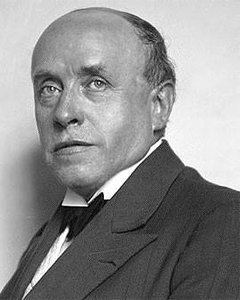
Georges Rouault
1871 - 1958 , Francia
Breves datos
- Artistas Que Influyeron:
- Gustave Moreau
- Vincent van Gogh
- Fecha De Fallecimiento: 13 de febrero de 1958
- Fecha De Nacimiento: 27 de mayo de 1871
- Influenciado Artistas: ['Expresionistas']
- Lugar De Nacimiento: París, Francia
- Movimiento Artístico: Expresionismo, Fauvismo
- Nacionalidad: Francesa
- Nombre Completo: Georges Rouault
- Obras Notables:
- El camino a Calvario
- Retratos de cortesanos