

 Ver en contexto
 Enviar
 Compartir
 Detalles

 Descargar
 Similares
 Radiografía
 Presentación de diapositivas
 Estadísticas
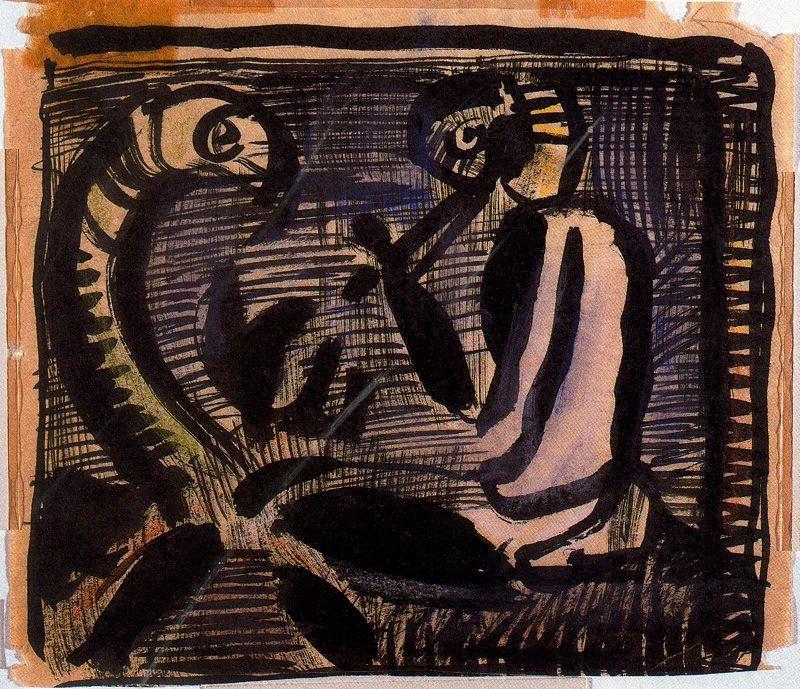
Project for the reincarnation of Father Ubu 3

 Ver más
Adquiera una imagen digital de alta resolución y optimizada, muy superior a la vista previa en línea.
Cada archivo es preparado meticulosamente por nuestros especialistas internos mediante el uso de herramientas avanzadas y un experto retoque manual. Nos aseguramos de que cada imagen posea una claridad excepcional, una precisión cromática impecable y un detalle minucioso.
El archivo final se entrega por correo electrónico en un plazo de 72 horas, optimizado para su uso inmediato en entornos profesionales, editoriales y de impresión. Esta es la misma calidad en la que confían los estudios de diseño, las editoriales y las galerías de primer nivel.
Imagen Digital
Descarga un archivo de alta resolución para exhibición personal, impresión y proyectos creativos. ( Cambiar a Impresión Comprar pintura hecha a mano)
Incluido en cada pedido de imágenes digitales
Entrega digital experta, garantizada.
Al elegir ArtsDot.com, no solo está adquiriendo una imagen; está recibiendo una obra de arte digital mejorada profesionalmente, elaborada con precisión y respaldada por una garantía de satisfacción. Esto es todo lo que incluye su pedido, automáticamente:

Entrega rápida por email
Recibirá su archivo de imagen digital en alta resolución por correo electrónico en un plazo de 72 horas tras realizar su pedido, listo para su uso inmediato.

Archivo digital optimizado por IA
Su obra de arte se optimiza profesionalmente mediante herramientas avanzadas de IA y edición manual, garantizando el máximo detalle, claridad y precisión cromática.

Reenvío gratuito de por vida
¿Has borrado o perdido tu archivo por error? No te preocupes: te lo volveremos a enviar en cualquier momento, sin coste adicional.

Sin gastos de importación, siempre
Disfrute de su obra de arte al instante sin aduanas, aranceles ni gastos de envío; las descargas digitales siempre están libres de impuestos.

Garantía de fidelidad de color
Garantizamos que su imagen digital refleje los colores originales con la mayor fidelidad posible, mediante el uso de herramientas profesionales y gestión del color.

Garantía de satisfacción de 100 días
Si no está satisfecho con su imagen digital, la revisaremos o le reembolsaremos el 100% en un plazo de 100 días, sin preguntas.

100% Garantía de devolución de dinero
¿No está satisfecho? Obtenga un reembolso completo dentro de los 100 días posteriores a la recepción de su archivo digital, sin preguntas.

Descuentos por pedidos grandes
Compra 3 imágenes, ahorra 10% - Compra 5, ahorra 15% - Compra 10+, ahorra 20%. Ideal para proyectos creativos, galerías y agencias.
Project for the Reincarnation of Father Ubu: A Descent into Rouault’s Grotesque Vision
Georges Rouault's “Project for the Reincarnation of Father Ubu 3” presents not merely a depiction, but an immersion into a world sculpted by anxiety and unsettling satire. This powerful work, executed in a style deeply rooted in Expressionism and informed by printmaking techniques, immediately confronts the viewer with a figure – undeniably inspired by Alfred Jarry’s grotesque character – rendered with a raw intensity rarely encountered in art history. The composition is dominated by this central figure, a study in controlled chaos, set against an orange-toned wash that subtly amplifies the artwork's inherent unease. It’s a piece designed to provoke, to challenge perceptions of beauty and morality, and to linger long after initial observation.
The artist’s deliberate use of heavy, bold black lines is paramount to understanding Rouault’s vision. These aren’t the clean, precise lines of academic art; instead, they possess a rough, almost violent quality, contributing significantly to the artwork's unsettling atmosphere. The simplification of forms – blocky figures and geometric shapes – further enhances this sense of distortion, echoing the Expressionist movement’s rejection of naturalism in favor of emotional truth. The technique itself, clearly rooted in woodcut methods, is evident in the visible texture created by the uneven application of ink and the deliberate carving that defines the figure's contours. This isn’t a polished surface; it’s an artifact of the process, a testament to Rouault’s meticulous yet unrestrained approach.
The Language of Darkness: Color, Line, and Symbolism
Rouault’s color palette is deliberately stark – a dramatic contrast between the deep blacks and browns of the figure and the luminous orange wash. This juxtaposition isn't accidental; it serves to heighten the sense of drama and isolation. The orange, applied as a wash, creates subtle variations in tone and texture, adding another layer of complexity to the composition. The heavy lines aren’t simply outlining the figure; they are actively shaping our emotional response, drawing us into the character's world of suspicion and perhaps even despair. Consider the circular elements within the eyes – a recurring motif in Rouault’s work – suggesting a penetrating gaze, an awareness that transcends simple observation.
Beyond its formal qualities, “Project for the Reincarnation of Father Ubu 3” is laden with symbolic weight. The figure itself embodies themes of societal corruption, religious hypocrisy, and the inherent darkness within human nature—themes central to Rouault’s deeply held Catholic beliefs. The distorted features and exaggerated pose are not merely stylistic choices; they are deliberate attempts to confront viewers with uncomfortable truths. It's a work that invites contemplation on morality, power, and the fragility of faith – elements powerfully explored in Jarry’s original character.
A Legacy of Expression: Rouault’s Artistic Context
Georges Rouault was a pivotal figure within the artistic landscape of early 20th-century France. His apprenticeship as a glass painter instilled a lifelong fascination with color and texture, informing his mature style – characterized by dark contours framing luminous fields, reminiscent of medieval stained glass. Influenced by artists like Van Gogh and Moreau, Rouault developed a unique voice that blended religious fervor with social critique. The “Reincarnation of Father Ubu” series reflects this complex interplay, demonstrating Rouault’s ability to synthesize diverse influences into a powerfully expressive vision. His dedication to capturing the essence of human suffering—particularly within marginalized communities—solidifies his place as one of the most significant artists of his time.
ArtsDot offers a meticulously crafted hand-painted reproduction of this extraordinary artwork, allowing you to experience Rouault’s unsettling genius firsthand. This is more than just an image; it's a tangible connection to a pivotal moment in art history – a testament to the power of Expressionism and the enduring relevance of Jarry’s grotesque vision.
Obras relacionadas

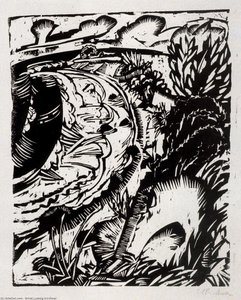
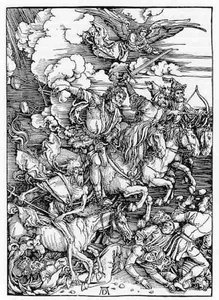
Biografía del artista
Primeros años y formación
Georges Henri Rouault, un pintor, dibujante e impresor francés, nació en París el 27 de mayo de 1871, en una familia humilde. Su madre fomentó su amor por las artes, y a los 14 años comenzó un aprendizaje como vidrieros y restaurador, que duró hasta 1890. Esta experiencia temprana probablemente influyó en su estilo pictórico maduro, caracterizado por el contorneado negro intenso y los colores brillantes, reminiscente del vidrio emplomado.Trayectoria artística
Durante su aprendizaje, Rouault asistió a clases nocturnas en la Escuela de Bellas Artes y posteriormente ingresó en la École des Beaux-Arts en 1891, donde estudió bajo Gustave Moreau. Los primeros trabajos de Rouault muestran un simbolismo en el uso del color, reflejando la influencia de Moreau. Tras la muerte de Moreau en 1898, Rouault fue nombrado curador del Museo Moreau en París.Fauvismo y Expresionismo
Rouault conoció a artistas notables como Henri Matisse, Albert Marquet, Henri Manguin y Charles Camoin, lo que le llevó al movimiento fauvista, con Matisse como su líder. Su uso de contrastes marcados y emotividad estuvo influenciado por Vincent van Gogh. Sus caracterizaciones de personalidades grotescas exageradas inspiraron a los pintores expresionistas.Obras destacadas y exposiciones
- En 1891, Rouault pintó *El camino del Calvario*.
- A partir de 1895, participó en importantes exhibiciones públicas, incluido el Salon d'Automne, que ayudó a fundar.
- En 1907, Rouault comenzó una serie de pinturas dedicadas a cortes, payasos y prostitutas, interpretadas como crítica moral y social.
Post-Impresionismo y Legado
Georges Rouault se dedicó a la pintura desde 1917, con la fe cristiana informando su obra. Creó diseños para el ballet *El hijo pródigo* de Diaghilev en 1929. En 1930, comenzó a exponer en países extranjeros, principalmente en Londres, Nueva York y Chicago. Rouault murió en París el 13 de febrero de 1958, dejando atrás un legado como uno de los artistas cristianos más apasionados del siglo XX. Importante: Al final de su vida, Rouault quemó 300 de sus cuadros, estimados en más de quinientos millones de francos hoy en día.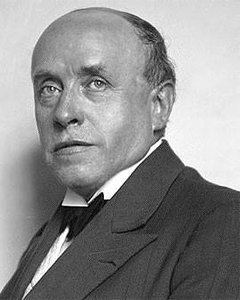
Georges Rouault
1871 - 1958 , Francia
Breves datos
- Artistas Que Influyeron:
- Gustave Moreau
- Vincent van Gogh
- Fecha De Fallecimiento: 13 de febrero de 1958
- Fecha De Nacimiento: 27 de mayo de 1871
- Influenciado Artistas: ['Expresionistas']
- Lugar De Nacimiento: París, Francia
- Movimiento Artístico: Expresionismo, Fauvismo
- Nacionalidad: Francesa
- Nombre Completo: Georges Rouault
- Obras Notables:
- El camino a Calvario
- Retratos de cortesanos