 Ver en contexto
 Enviar
 Compartir
 Detalles

 Descargar
 Similares
 Radiografía
 Presentación de diapositivas
 Estadísticas
Street of Solidarity III


 Ver más
Giclée / Impresión de arte
Impresiones giclée o en lienzo de calidad de museo con producción rápida y opciones de acabado flexibles. ( Comprar pintura hecha a mano Cambiar a imagen digital)




P118B $10

P118H $10

P118W $10

P438Z $10

P508JH $12

P508YH $12

P805H $10

P805Z $10

P919BZ $10

P919G $10

P919XJ $10

P959ZH $10

P968JZ $12

W106C $8

W218G $10

W218JH $8

W218Y $10

W307PJ $10

W316G $10

W316PJ $8

W316Y $10

W398PJ $8

W4111J $10

W500HY $15

W500JH $15

W692G $12

W849H $8

W940BG $15

W953PJ $8




Elija entre nuestros tamaños predefinidos que respetan las proporciones originales de la obra.

Puede introducir sus propias dimensiones para adaptarse a un marco o espacio específico. Si el tamaño seleccionado no coincide con las proporciones de la imagen original, recortaremos la obra de arte o extenderemos la imagen con un borde con efecto espejo o de color sólido. Se enviará una maqueta digital para su aprobación antes de que comience la producción.
Tenga en cuenta que la vista previa en pantalla no refleja el recorte o la extensión real. Solo la maqueta mostrará con precisión la composición final.
Aunque existen tamaños personalizados, recomendamos seleccionar una dimensión de la lista predefinida para preservar las proporciones originales.
Envío a todo el mundo () en 2 semanas en lugar de las 4/5 semanas estándar. (12 septiembre)

Envío exprés gratuito a todo el mundo

Lienzo de lino de alta calidad

Seguro de envío total

Garantía de reembolso de impuestos aduaneros

Garantía de fidelidad cromática exacta

Política de devolución de 100 días (solo por defectos)

Garantía de devolución del 100% del dinero

Descuento por cantidad
 La opción de vidrio solo está disponible en tamaños inferiores a 110 cm.

Street of Solidarity III
Giclée / Impresión de arte
Dimensiones de la reproducción
-


Precio total final
$ 62
A Chronicle of Shared Sorrow: Georges Rouault’s *Street of Solidarity III*
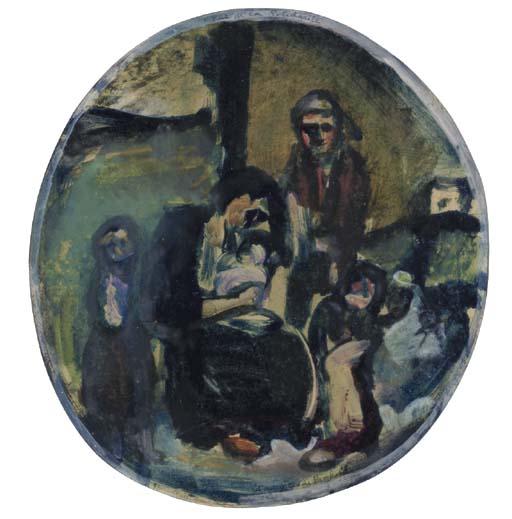
Georges Rouault's *Street of Solidarity III* isn't merely a depiction of a scene; it’s a visceral encounter with human suffering, rendered with an unflinching honesty that defines the artist’s enduring legacy. Painted in the tumultuous years following the Paris Commune – a period of profound social and political upheaval – this work embodies Rouault’s lifelong commitment to portraying the marginalized and forgotten members of society. The painting immediately arrests the viewer with its somber palette, dominated by browns, greens, grays, and blacks, colors that evoke a sense of bleakness and quiet desperation. Yet, within this muted landscape, flashes of red and white – strategically employed – offer fleeting moments of contrast, hinting at resilience amidst overwhelming hardship.
- Composition & Form: The tightly packed figures, arranged in layers with overlapping forms, create a powerfully claustrophobic effect. Rouault’s masterful use of the oval frame intensifies this sense of enclosure, suggesting both vulnerability and a shared burden. The simplification of human forms into block-like shapes – a technique influenced by his early work in stained glass – emphasizes their essential humanity rather than individualizing them with excessive detail.
- Technique & Texture: Rouault’s application of paint is remarkably tactile, achieved through thick, expressive brushstrokes and the deliberate layering of impasto. This textured surface isn't simply decorative; it actively contributes to the painting’s emotional weight, conveying a sense of immediacy and rawness that invites viewers to confront the scene directly.
Echoes of Expressionism and Medieval Faith
While *Street of Solidarity III* resonates with the spirit of Expressionism – particularly in its distorted forms and emotionally charged subject matter – it’s equally rooted in a deep-seated religious sensibility, inherited from Rouault's devout Catholic upbringing. The influence of medieval stained glass is palpable; the dark contours framing luminous color fields recall the artistry of the Middle Ages, suggesting a spiritual dimension to the scene’s depiction of suffering. This juxtaposition—the raw emotionality of Expressionism combined with the formal elegance of medieval art—is one of Rouault's most distinctive characteristics.
The artist’s apprenticeship as a glass painter profoundly shaped his aesthetic sensibilities. He learned to manipulate color and line with remarkable precision, skills he later applied to his paintings with equal mastery. The jagged lines defining the figures and architectural elements aren’t merely stylistic choices; they are expressive tools used to convey the emotional turmoil of the scene.
Symbolism and a Plea for Humanity
The huddled figures in *Street of Solidarity III* transcend a simple depiction of poverty; they represent a universal symbol of vulnerability and the desperate need for human connection. The woman holding her baby, surrounded by others seeking shelter, embodies compassion and resilience. The dark, imposing building in the background serves as a stark reminder of societal indifference and oppression. Rouault’s deliberate use of flattened perspective and shallow depth further enhances this sense of unease, creating an unsettling atmosphere that compels viewers to contemplate the plight of those marginalized by society.
Ultimately, *Street of Solidarity III* is more than just a painting; it's a powerful statement about human dignity and the enduring importance of empathy. It’s a testament to Georges Rouault’s unwavering commitment to portraying the unseen and unheard voices of his time – a legacy that continues to resonate with audiences today.
Obras relacionadas
Biografía del artista
Primeros años y formación
Georges Henri Rouault, un pintor, dibujante e impresor francés, nació en París el 27 de mayo de 1871, en una familia humilde. Su madre fomentó su amor por las artes, y a los 14 años comenzó un aprendizaje como vidrieros y restaurador, que duró hasta 1890. Esta experiencia temprana probablemente influyó en su estilo pictórico maduro, caracterizado por el contorneado negro intenso y los colores brillantes, reminiscente del vidrio emplomado.Trayectoria artística
Durante su aprendizaje, Rouault asistió a clases nocturnas en la Escuela de Bellas Artes y posteriormente ingresó en la École des Beaux-Arts en 1891, donde estudió bajo Gustave Moreau. Los primeros trabajos de Rouault muestran un simbolismo en el uso del color, reflejando la influencia de Moreau. Tras la muerte de Moreau en 1898, Rouault fue nombrado curador del Museo Moreau en París.Fauvismo y Expresionismo
Rouault conoció a artistas notables como Henri Matisse, Albert Marquet, Henri Manguin y Charles Camoin, lo que le llevó al movimiento fauvista, con Matisse como su líder. Su uso de contrastes marcados y emotividad estuvo influenciado por Vincent van Gogh. Sus caracterizaciones de personalidades grotescas exageradas inspiraron a los pintores expresionistas.Obras destacadas y exposiciones
- En 1891, Rouault pintó *El camino del Calvario*.
- A partir de 1895, participó en importantes exhibiciones públicas, incluido el Salon d'Automne, que ayudó a fundar.
- En 1907, Rouault comenzó una serie de pinturas dedicadas a cortes, payasos y prostitutas, interpretadas como crítica moral y social.
Post-Impresionismo y Legado
Georges Rouault se dedicó a la pintura desde 1917, con la fe cristiana informando su obra. Creó diseños para el ballet *El hijo pródigo* de Diaghilev en 1929. En 1930, comenzó a exponer en países extranjeros, principalmente en Londres, Nueva York y Chicago. Rouault murió en París el 13 de febrero de 1958, dejando atrás un legado como uno de los artistas cristianos más apasionados del siglo XX. Importante: Al final de su vida, Rouault quemó 300 de sus cuadros, estimados en más de quinientos millones de francos hoy en día.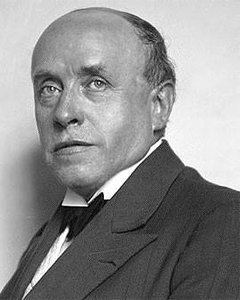
Georges Rouault
1871 - 1958 , Francia
Datos clave
- Artistas Que Influyeron:
- Gustave Moreau
- Vincent van Gogh
- Fecha De Fallecimiento: 13 de febrero de 1958
- Fecha De Nacimiento: 27 de mayo de 1871
- Influenciado Artistas: ['Expresionistas']
- Lugar De Nacimiento: París, Francia
- Movimiento Artístico: Expresionismo, Fauvismo
- Nacionalidad: Francesa
- Nombre Completo: Georges Rouault
- Obras Notables:
- El camino a Calvario
- Retratos de cortesanos
Artículos relacionados

The Enduring Legacy of Fine Art Prints: Technique, History & Aesthetic Impact
Explore the rich history & techniques of fine art prints. Discover investment potential, assess authenticity, and learn how to preserve your collection with expert guidance. Trusted insights for discerning collectors.

Giclée Prints: Archival Quality & Aesthetic Nuances for the Discerning Collector
Explore the world of giclée prints with ArtsDot. Learn about archival quality, aesthetic nuances & investment potential. Expert guidance for discerning art collectors seeking museum-quality reproductions and lasting value.

Echoes of Time: Exploring the Enduring Appeal & Historical Context of Vintage Art Prints
Explore the captivating world of vintage art prints! Discover their history, collecting tips & enduring appeal. Expert insights on chromolithography and building a legacy collection with ArtsDot.
The Enduring Legacy of Woodblock Printmaking: Technique, History & Artistic Expression
Explore the rich history of woodblock printmaking – from ancient techniques to Ukiyo-e masterpieces. Discover expert insights on collecting, preserving & appreciating this enduring art form.
The Enduring Legacy of Printmaking: Techniques, Themes & Artistic Innovation Across Centuries
Explore the rich history of printmaking with ArtsDot. Discover techniques from intaglio to lithography, learn about collecting valuable prints & find museum-quality reproductions. Expert insights for art enthusiasts and collectors.