 Ver en contexto
 Enviar
 Compartir
 Detalles

 Descargar
 Similares
 Radiografía
 Presentación de diapositivas
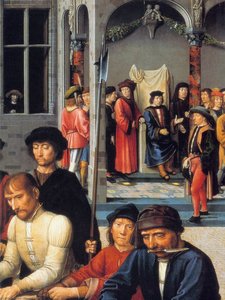
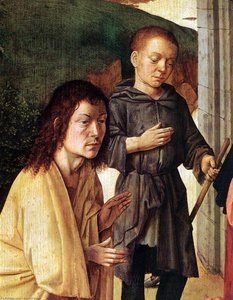
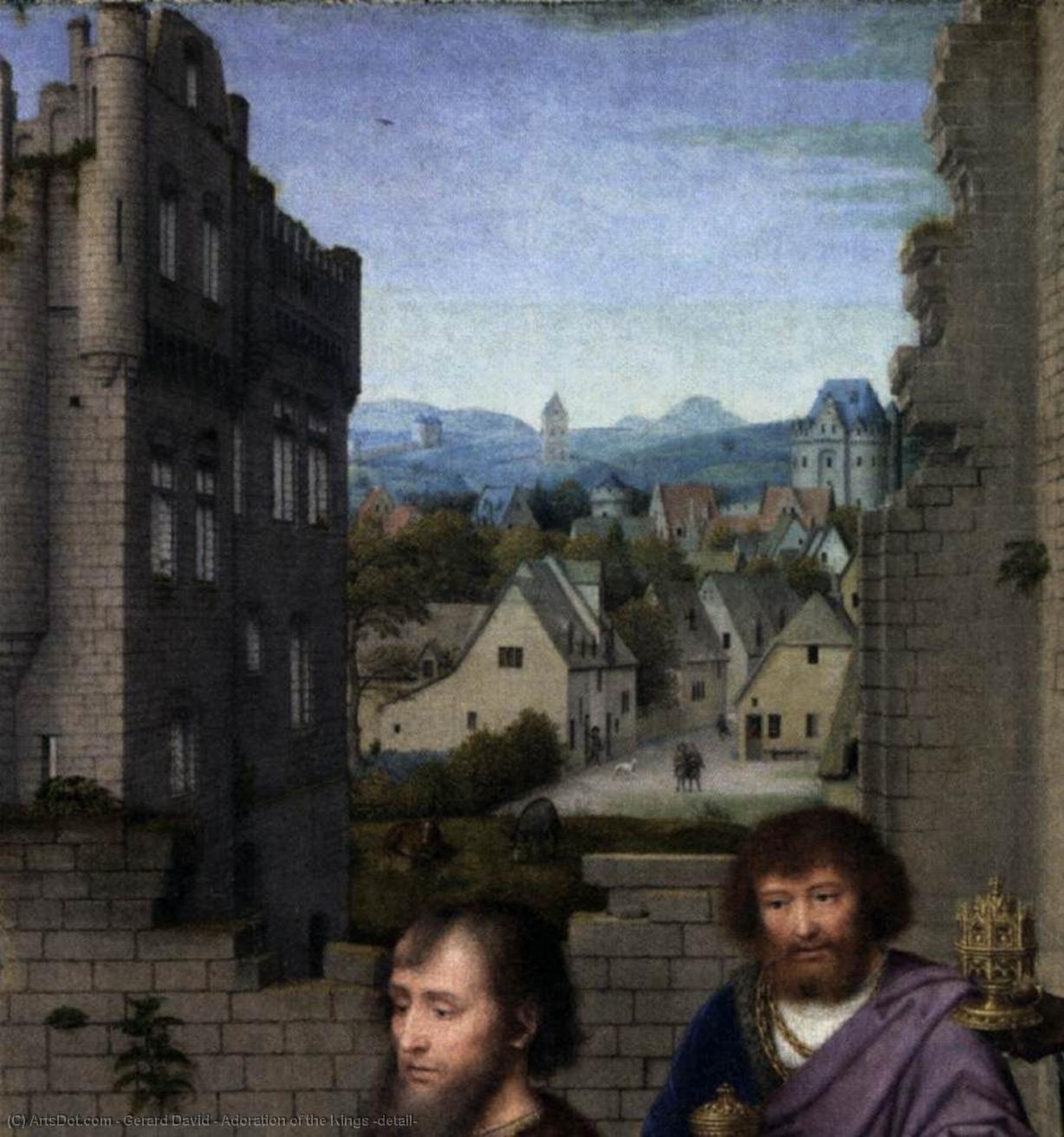
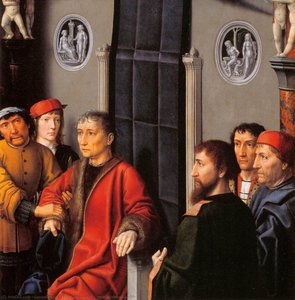
Adoration of the Kings (detail)


 Ver más
Giclée / Impresión de arte
Impresiones giclée o en lienzo de calidad de museo con producción rápida y opciones de acabado flexibles. ( Comprar pintura hecha a mano Comprar imagen)




P118B $10

P118H $10

P118W $10

P438Z $10

P508JH $12

P508YH $12

P805H $10

P805Z $10

P919BZ $10

P919G $10

P919XJ $10

P959ZH $10

P968JZ $12

W106C $8

W218G $10

W218JH $8

W218Y $10

W307PJ $10

W316G $10

W316PJ $8

W316Y $10

W398PJ $8

W4111J $10

W500HY $15

W500JH $15

W692G $12

W849H $8

W940BG $15

W953PJ $8




Elija entre nuestros tamaños predefinidos que respetan las proporciones originales de la obra.

Puede introducir sus propias dimensiones para adaptarse a un marco o espacio específico. Si el tamaño seleccionado no coincide con las proporciones de la imagen original, recortaremos la obra de arte o extenderemos la imagen con un borde con efecto espejo o de color sólido. Se enviará una maqueta digital para su aprobación antes de que comience la producción.
Tenga en cuenta que la vista previa en pantalla no refleja el recorte o la extensión real. Solo la maqueta mostrará con precisión la composición final.
Aunque existen tamaños personalizados, recomendamos seleccionar una dimensión de la lista predefinida para preservar las proporciones originales.
Envío a todo el mundo () en 2 semanas en lugar de las 4/5 semanas estándar. (27 agosto)

Envío exprés gratuito a todo el mundo

Lienzo de lino de alta calidad

Seguro de envío total

Garantía de reembolso de impuestos aduaneros

Garantía de fidelidad cromática exacta

Política de devolución de 60 días (solo por defectos)

Garantía de devolución del 100% del dinero

Descuento por cantidad
 La opción de vidrio solo está disponible en tamaños inferiores a 110 cm.

Adoration of the Kings (detail)
Giclée / Impresión de arte
Dimensiones de la reproducción
-


Precio total final
$ 62
Descripción de la pieza
A Glimpse into Renaissance Majesty
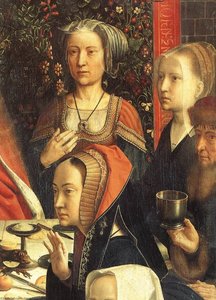
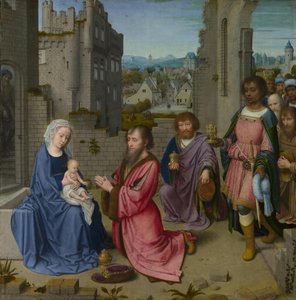
In the quiet, luminous world of Early Netherlandish painting, few moments capture the intersection of the divine and the earthly as tenderly as Gerard David’s “Adoration of the Kings.” This exquisite detail from his 1515 masterpiece invites viewers to step through a window into a sacred era, where every brushstroke serves as a testament to spiritual devotion. The scene is not merely a depiction of a biblical event but a profound meditation on humility and reverence. As we gaze upon the figures, there is a palpable sense of stillness, an atmospheric hush that suggests the entire universe has paused to witness a celestial arrival. For the discerning collector or lover of classical beauty, this work offers more than visual splendor; it provides a portal into the meticulous soul of the Northern Renaissance.
The composition is a triumph of balance and grace, utilizing a pyramidal structure that draws the eye toward the heart of the miracle. David’s mastery of sfumato—a technique of soft, seamless blending—allows the contours of the figures to melt into the atmosphere, lending an ethereal, dreamlike quality to the scene. The textures are rendered with such painstaking precision that one can almost feel the velvety weight of a royal robe or the cool, rugged surface of ancient stone. Light plays a transformative role here, acting as a divine protagonist that illuminates faces with a soft glow and casts gentle shadows that lend depth and realism to the medieval landscape stretching into the distance.
Symbolism and the Flemish Tradition
Beyond its technical brilliance, the painting is a rich tapestry of symbolism designed to inspire contemplation. The figures presented in this detail—men adorned in the opulent attire of the period—serve as conduits for themes of earthly power bowing before heavenly grace. The presence of fine fabrics, golden chains, and intricate manuscripts speaks to the wealth and cultural flourishing of Antwerp and Bruges during David's era. Yet, even amidst such splendor, the underlying message remains one of profound simplicity and devotion. The contrast between the heavy, regal garments and the soft, spiritual light creates a tension that is both intellectually stimulating and emotionally resonant.
For those looking to integrate such a masterpiece into a curated interior, this artwork offers an unparalleled sense of historical weight and elegance. Whether placed in a grand library or a serene study, the painting’s ability to evoke a sense of timelessness makes it a cornerstone for any sophisticated decor. It is a piece that does not merely occupy space but commands it, offering a narrative of peace and majesty that transcends the centuries. To possess a reproduction of such a work is to bring a fragment of the Northern Renaissance's golden age into the modern home, fostering an environment of reflection, beauty, and enduring grace.
Obras relacionadas
Biografía del artista
Vida y Carrera
Gerard David, una figura destacada del movimiento pictórico neerlandés temprano, dejó una huella imborrable en el mundo del arte con su brillante uso del color. Nacido alrededor de 1460 en Oudewater, Países Bajos, la vida de David está envuelta en misterio, con solo un esbozo básico de su biografía que ha sobrevivido.- Es posible que haya sido Meester Gheraet van Brugghe, quien se convirtió en maestro del gremio de Amberes en 1515.
- David fue increíblemente exitoso durante su vida, probablemente dirigiendo dos talleres en Amberes y Brujas.
- Su reputación disminuyó en el siglo XVII pero fue redescubierto en el siglo XIX.
Estilo Artístico y Obras Notables
El enfoque innovador de David hacia el paisaje y su magistral uso de la luz y la sombra caracterizan su obra. Algunas de sus piezas más notables incluyen:- El Matrimonio de Santa Catalina en la Galería Nacional, Londres.
- El tríptico de La Virgen Encoronada con Santos en la colección Brignole-Sale, Génova.
- La Virgen entre las Vírgenes, ahora en el museo de Rouen, que donó a las monjas carmelitas de Sion en Brujas.
Influencias y Desarrollo Artístico
El arte de Gerard David se desarrolló dentro del contexto del movimiento neerlandés temprano, influenciado por artistas como Jan van Eyck y Rogier van der Weyden. Sin embargo, David desarrolló un estilo distintivo caracterizado por:- Un uso vibrante del color: A diferencia de la paleta más sombría de algunos contemporáneos, David empleó colores ricos y luminosos para crear una atmósfera de vitalidad y belleza.
- Paisajes detallados: Sus paisajes son notablemente realistas y atmosféricos, a menudo incorporando detalles minuciosos que añaden profundidad y complejidad a sus composiciones.
- Narrativa clara: David era un maestro en contar historias visuales, utilizando gestos y expresiones faciales para transmitir emociones y significado.
Legado e Importancia Histórica
El impacto de Gerard David en el mundo del arte es innegable. Su estilo único y su enfoque del color han influenciado a numerosos artistas, y su obra continúa siendo celebrada en varios museos y colecciones.- Transición artística: Representa una transición importante entre los primeros maestros neerlandeses y las generaciones posteriores de pintores flamencos.
- Popularidad duradera: Su arte fue muy apreciado durante su vida, y su popularidad ha continuado hasta nuestros días.
Museos y Colecciones que Exhiben la Obra de Gerard David
- Explora la extensa colección de pinturas de Gerard David en ArtsDot, incluyendo La Adoración de los Magos.
- Museo Groeninge, Brujas, Bélgica: Este museo municipal presenta una impresionante colección de pinturas flamencas y belgas, incluyendo obras de Gerard David.
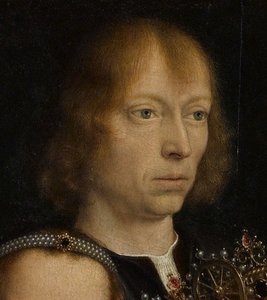
Gerard David
1450 - 1523 , Países Bajos
Datos clave
- Estilo Artístico: Renacimiento flamenco temprano
- Fecha De Muerte: 1523
- Fecha De Nacimiento: c. 1460
- Lugar De Nacimiento: Oude Woerden, Países Bajos
- Nacionalidad: Neerlandés
- Nombre Completo: Gerard David
- Obras Notables:
- El matrimonio de Santa Catalina
- La Virgen entre las vírgenes
- Tríptico de la Madonna
Artículos relacionados
Gerard David: Bridging Late Medieval Tradition with Early Renaissance Humanism
Explore the captivating world of Gerard David, a pivotal figure bridging late medieval artistry with the Early Renaissance. Discover his innovative techniques, religious masterpieces, and enduring legacy – a must-read for discerning art collectors.
David Teniers II: Master of Flemish Genre & Social Commentary
Explore the captivating world of David Teniers II, a leading Flemish Baroque painter renowned for his lively genre scenes & insightful social commentary. Discover his masterpieces and legacy with ArtsDot.
Jacques-Louis David: Neoclassical Ideals & Revolutionary Witness
Explore the life & art of Jacques-Louis David, leading Neoclassical painter of the French Revolution. Discover iconic works like 'The Death of Marat' and his lasting impact on art history. Expert analysis & high-quality reproductions at ArtsDot.
David Teniers the Younger: Genre Painting & Social Commentary in Baroque Flanders
Explore the captivating world of David Teniers the Younger, a leading Flemish Baroque painter. Discover his genre scenes, social commentary, and lasting influence on 17th-century art. Learn about his life, techniques & legacy.
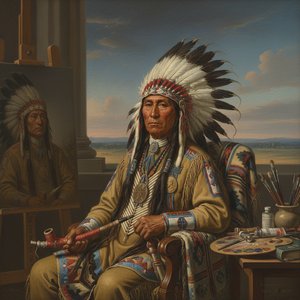
Charles Bird King: Capturing Native American Dignity Through Portraiture & Cultural Exchange
Explore the captivating portraits of Charles Bird King, renowned for his depictions of Native American leaders. Discover the historical context, artistic techniques, and collecting value of these significant 19th-century artworks.