 Ver en contexto
 Enviar
 Compartir
 Detalles

 Descargar
 Similares
 Radiografía
 Presentación de diapositivas
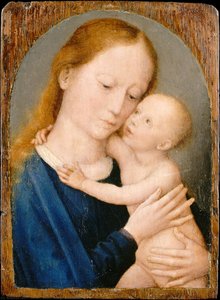
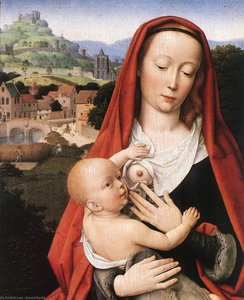
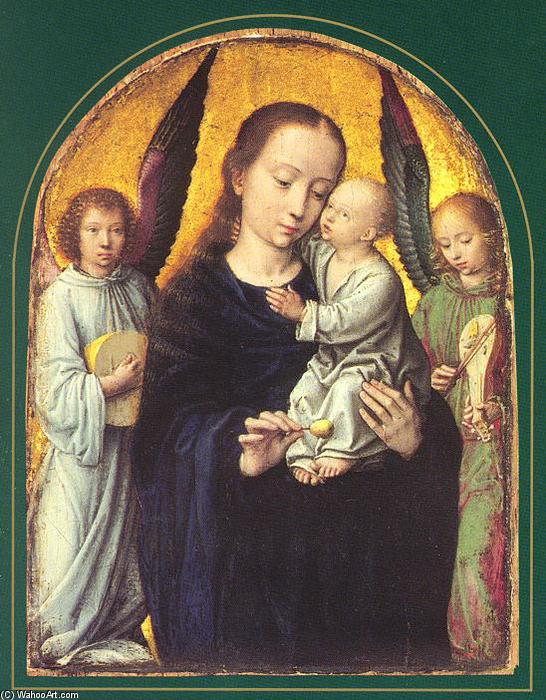
Mary and Child with two Angels Making Music


 Ver más
Reproducción al óleo hecha a mano
Óleo sobre lienzo pintado a mano en el tamaño y marco de su elección, realizado por encargo por nuestros artistas. ( Comprar impresión Comprar imagen)




P118B $10

P118H $10

P118W $10

P438Z $10

P508JH $12

P508YH $12

P805H $10

P805Z $10

P919BZ $10

P919G $10

P919XJ $10

P959ZH $10

P968JZ $12

W106C $8

W218G $10

W218JH $8

W218Y $10

W307PJ $10

W316G $10

W316PJ $8

W316Y $10

W398PJ $8

W4111J $10

W500HY $15

W500JH $15

W692G $12

W849H $8

W940BG $15

W953PJ $8




Elija entre nuestros tamaños predefinidos que respetan las proporciones originales de la obra.

Puede ingresar sus propias dimensiones para adaptarse a un marco o espacio específico. Si el tamaño seleccionado no coincide con las proporciones de la imagen original, recortaremos la obra o extenderemos la pintura con elementos adicionales pintados a mano. Se le enviará una maqueta digital para su aprobación antes de comenzar la producción.
Tenga en cuenta que la vista previa en pantalla no refleja el recorte o la extensión reales. Solo la maqueta mostrará con precisión la composición final.
Si bien existen tamaños personalizados, recomendamos seleccionar una dimensión de la lista predefinida para preservar las proporciones originales.
Tras realizar el pedido, el equipo de ArtsDot.com enviará un correo electrónico al cliente para solicitar instrucciones y proporcionarle una vista previa del boceto.
Envío a todo el mundo () en 3-4 semanas en lugar de las 5 semanas estándar. (7 septiembre). Sin comprometer la calidad.

Envío exprés gratuito a todo el mundo

Lienzo de lino de alta calidad

Seguro de envío total

Garantía de reembolso de impuestos aduaneros

Garantía de fidelidad cromática exacta

Política de devolución de 100 días (solo por defectos)

Garantía de devolución del 100% del dinero

Descuento por cantidad
 La opción de vidrio solo está disponible en tamaños inferiores a 110 cm.

Mary and Child with two Angels Making Music
Técnica de reproducción
Dimensiones de la reproducción
-


Precio total final
$ 263
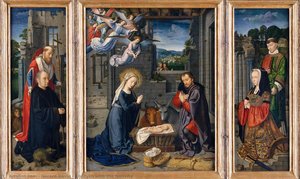
A Symphony of Devotion: Gerard David’s ‘Mary and Child with Two Angels Making Music’
Gerard David's “Mary and Child with Two Angels Making Music” is more than just a depiction of the Virgin Mary and her son; it’s an immersive experience, a carefully constructed tableau designed to evoke profound contemplation and spiritual connection. Painted in the late 15th or early 16th century, during the height of the Northern Renaissance, this masterpiece exemplifies the meticulous detail and symbolic richness that characterized Flemish art. The scene unfolds with a quiet grace, capturing a moment of serene musicality within the sacred space of Mary’s presence. David's skill lies not just in his technical prowess but in his ability to imbue the painting with an almost palpable sense of reverence.
The Northern Renaissance Style and Gerard David’s Technique
David was a pivotal figure in the development of the Northern Renaissance style, a movement that distinguished itself from its Italian counterparts through a heightened emphasis on realism, meticulous observation of nature, and a profound engagement with religious themes. Unlike the idealized forms often favored in Italy, David's figures possess a tangible humanity – their expressions are nuanced, their garments realistically rendered, and their poses convey a sense of naturalism. The artist’s mastery of oil paint is immediately apparent; the layering of translucent glazes creates an astonishing depth of color and texture, particularly evident in the rich blues of Mary’s cloak and the delicate details of the angels' wings. Note the subtle use of *sfumato*, a technique borrowed from Leonardo da Vinci, to soften edges and create atmospheric effects, adding to the painting’s ethereal quality.
Symbolism Woven into the Composition
Every element within this composition carries significant symbolic weight. Mary's blue cloak, a recurring motif in Northern Renaissance art, represents purity, divinity, and her role as the Queen of Heaven. The musical instruments – the lute and the implied singing – symbolize harmony, joy, and the divine music that permeates creation. The angels themselves are not merely attendants but messengers of God, their halos signifying their celestial status. The golden background, reminiscent of a halo, further elevates Mary and Jesus to a realm beyond earthly concerns, emphasizing their holiness and importance. The ornate border surrounding the painting, typical of devotional works from this period, served as a physical and symbolic frame, reinforcing its sacred purpose.
Historical Context and Intended Use
Created during a time of profound religious fervor in Europe, “Mary and Child with Two Angels Making Music” likely served as an altarpiece or a devotional panel intended for private prayer and contemplation. Such works were frequently commissioned by wealthy patrons who sought to adorn their homes and express their piety. The painting’s composition – the central focus on Mary and Jesus, surrounded by angelic figures – reflects the prevailing religious beliefs of the era, where devotion to the Virgin Mary was particularly strong. Its meticulous detail and emotional resonance suggest a work designed not just for visual appreciation but for spiritual engagement, a testament to Gerard David's artistic genius and his ability to capture the essence of faith.
Obras relacionadas
Biografía del artista
Vida y Carrera
Gerard David, una figura destacada del movimiento pictórico neerlandés temprano, dejó una huella imborrable en el mundo del arte con su brillante uso del color. Nacido alrededor de 1460 en Oudewater, Países Bajos, la vida de David está envuelta en misterio, con solo un esbozo básico de su biografía que ha sobrevivido.- Es posible que haya sido Meester Gheraet van Brugghe, quien se convirtió en maestro del gremio de Amberes en 1515.
- David fue increíblemente exitoso durante su vida, probablemente dirigiendo dos talleres en Amberes y Brujas.
- Su reputación disminuyó en el siglo XVII pero fue redescubierto en el siglo XIX.
Estilo Artístico y Obras Notables
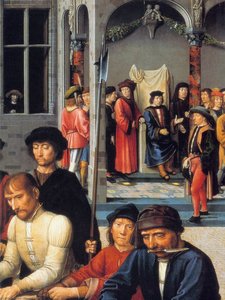
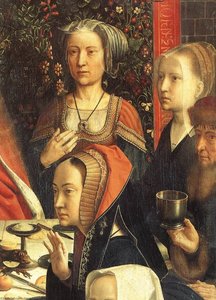
El enfoque innovador de David hacia el paisaje y su magistral uso de la luz y la sombra caracterizan su obra. Algunas de sus piezas más notables incluyen:- El Matrimonio de Santa Catalina en la Galería Nacional, Londres.
- El tríptico de La Virgen Encoronada con Santos en la colección Brignole-Sale, Génova.
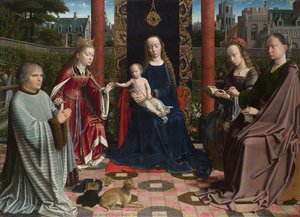
- La Virgen entre las Vírgenes, ahora en el museo de Rouen, que donó a las monjas carmelitas de Sion en Brujas.
Influencias y Desarrollo Artístico
El arte de Gerard David se desarrolló dentro del contexto del movimiento neerlandés temprano, influenciado por artistas como Jan van Eyck y Rogier van der Weyden. Sin embargo, David desarrolló un estilo distintivo caracterizado por:- Un uso vibrante del color: A diferencia de la paleta más sombría de algunos contemporáneos, David empleó colores ricos y luminosos para crear una atmósfera de vitalidad y belleza.
- Paisajes detallados: Sus paisajes son notablemente realistas y atmosféricos, a menudo incorporando detalles minuciosos que añaden profundidad y complejidad a sus composiciones.
- Narrativa clara: David era un maestro en contar historias visuales, utilizando gestos y expresiones faciales para transmitir emociones y significado.
Legado e Importancia Histórica
El impacto de Gerard David en el mundo del arte es innegable. Su estilo único y su enfoque del color han influenciado a numerosos artistas, y su obra continúa siendo celebrada en varios museos y colecciones.- Transición artística: Representa una transición importante entre los primeros maestros neerlandeses y las generaciones posteriores de pintores flamencos.
- Popularidad duradera: Su arte fue muy apreciado durante su vida, y su popularidad ha continuado hasta nuestros días.
Museos y Colecciones que Exhiben la Obra de Gerard David
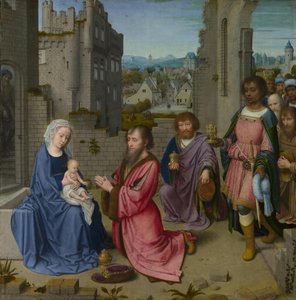
- Explora la extensa colección de pinturas de Gerard David en ArtsDot, incluyendo La Adoración de los Magos.
- Museo Groeninge, Brujas, Bélgica: Este museo municipal presenta una impresionante colección de pinturas flamencas y belgas, incluyendo obras de Gerard David.
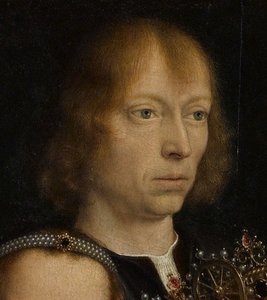
Gerard David
1450 - 1523 , Países Bajos
Datos clave
- Estilo Artístico: Renacimiento flamenco temprano
- Fecha De Muerte: 1523
- Fecha De Nacimiento: c. 1460
- Lugar De Nacimiento: Oude Woerden, Países Bajos
- Nacionalidad: Neerlandés
- Nombre Completo: Gerard David
- Obras Notables:
- El matrimonio de Santa Catalina
- La Virgen entre las vírgenes
- Tríptico de la Madonna
Artículos relacionados
Gerard David: Bridging Late Medieval Tradition with Early Renaissance Humanism
Explore the captivating world of Gerard David, a pivotal figure bridging late medieval artistry with the Early Renaissance. Discover his innovative techniques, religious masterpieces, and enduring legacy – a must-read for discerning art collectors.
El Renacimiento Septentrional: Florecimiento del Realismo y la Innovación Artística
Descubre el Renacimiento Septentrional y la maestría de los Primitivos Flamencos. Explora sus técnicas innovadoras, simbolismo oculto y obras icónicas con ArtsDot.
Rafael: Las 25 Obras Maestras que Definen al Genio del Renacimiento | ArtsDot
Descubre las 25 obras maestras de Rafael Sanzio, el genio del Renacimiento. Explora su historia, técnica y significado en pinturas icónicas como 'La Escuela de Atenas'. Reproducciones de arte de alta calidad para decorar tu hogar con elegancia. ¡Explora la colección completa en ArtsDot.com!
Sacred Narratives Embodied: A Comprehensive Exploration of Religious Iconography in Art History
Explore the rich history of religious iconography in art! Discover symbolism, movements & masterpieces from Byzantine to Renaissance periods. Expert insights for collectors and enthusiasts at ArtsDot.
Sacred Narratives on Canvas: Exploring Religious Scenes & Their Enduring Influence
Explore the rich history of religious art from Giotto to the Renaissance masters with ArtsDot. Discover symbolism, techniques & enduring legacies. Museum-quality reproductions available.