

 Ver en contexto
 Enviar
 Compartir
 Detalles

 Descargar
 Similares
 Radiografía
 Presentación de diapositivas
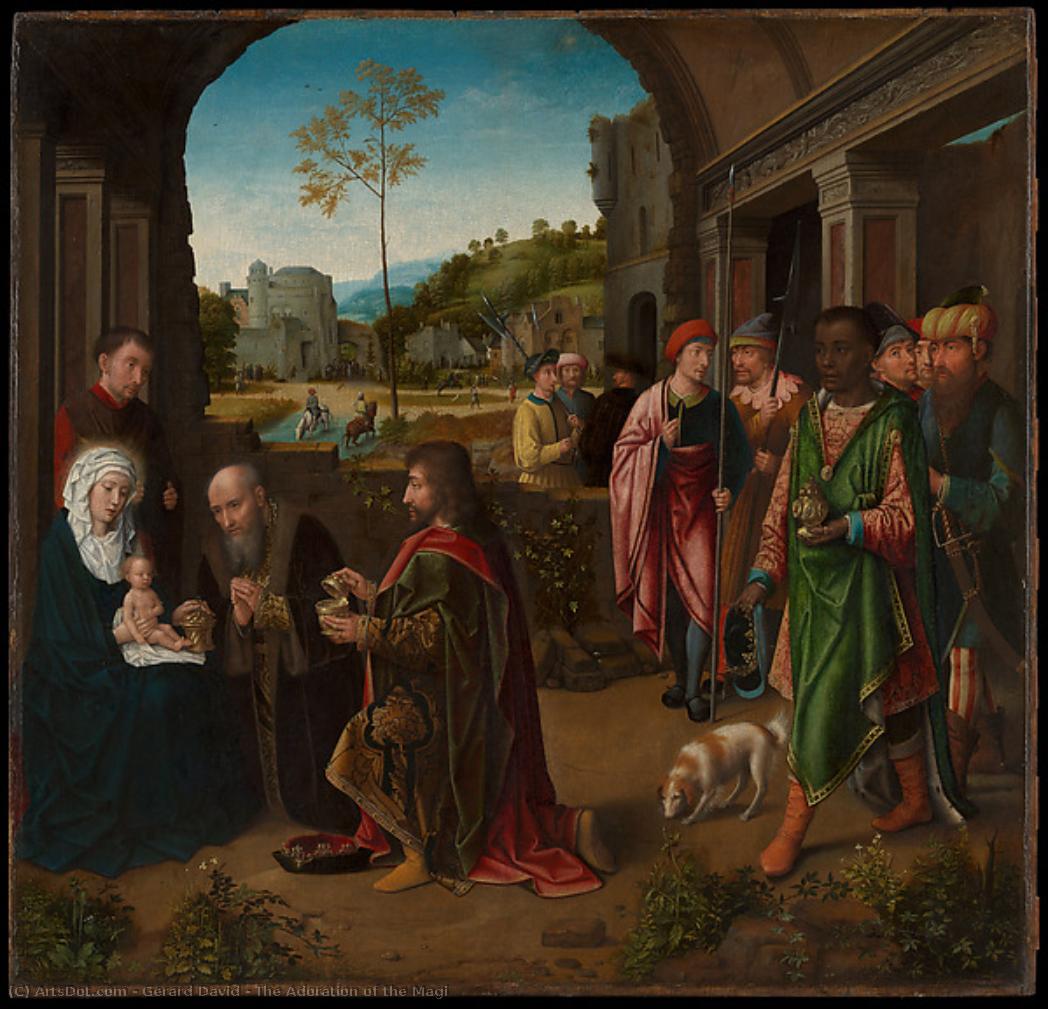
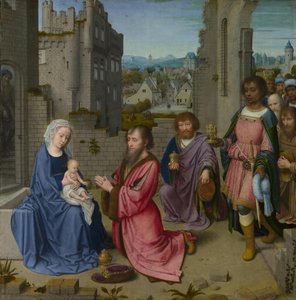
The Adoration of the Magi
 Oil On Panel
- Northern Renaissance
 1520
1520- Renaissance
 71.0 x 73.0 cm
 Ver más
Adquiera una imagen digital de alta resolución y optimizada, muy superior a la vista previa en línea.
Cada archivo es preparado meticulosamente por nuestros especialistas internos mediante el uso de herramientas avanzadas y un experto retoque manual. Nos aseguramos de que cada imagen posea una claridad excepcional, una precisión cromática impecable y un detalle minucioso.
El archivo final se entrega por correo electrónico en un plazo de 72 horas, optimizado para su uso inmediato en entornos profesionales, editoriales y de impresión. Esta es la misma calidad en la que confían los estudios de diseño, las editoriales y las galerías de primer nivel.
Imagen Digital
Descarga un archivo de alta resolución para exhibición personal, impresión y proyectos creativos. ( Comprar impresión Comprar pintura hecha a mano)
Incluido en cada pedido de imágenes digitales
Entrega digital experta, garantizada.
Al elegir ArtsDot.com, no solo está adquiriendo una imagen; está recibiendo una obra de arte digital mejorada profesionalmente, elaborada con precisión y respaldada por una garantía de satisfacción. Esto es todo lo que incluye su pedido, automáticamente:

Entrega rápida por email
Recibirá su archivo de imagen digital en alta resolución por correo electrónico en un plazo de 72 horas tras realizar su pedido, listo para su uso inmediato.

Archivo digital optimizado por IA
Su obra de arte se optimiza profesionalmente mediante herramientas avanzadas de IA y edición manual, garantizando el máximo detalle, claridad y precisión cromática.

Reenvío gratuito de por vida
¿Has borrado o perdido tu archivo por error? No te preocupes: te lo volveremos a enviar en cualquier momento, sin coste adicional.

Sin gastos de importación, siempre
Disfrute de su obra de arte al instante sin aduanas, aranceles ni gastos de envío; las descargas digitales siempre están libres de impuestos.

Garantía de fidelidad de color
Garantizamos que su imagen digital refleje los colores originales con la mayor fidelidad posible, mediante el uso de herramientas profesionales y gestión del color.

Garantía de satisfacción de 60 días
Si no está satisfecho con su imagen digital, la revisaremos o le reembolsaremos el 100% en un plazo de 60 días, sin preguntas.

100% Garantía de devolución de dinero
¿No está satisfecho? Obtenga un reembolso completo dentro de los 60 días posteriores a la recepción de su archivo digital, sin necesidad de explicaciones.

Descuentos por pedidos grandes
Compra 3 imágenes, ahorra 10% - Compra 5, ahorra 15% - Compra 10+, ahorra 20%. Ideal para proyectos creativos, galerías y agencias.
A Divine Encounter in the Flemish Masterpiece
In the quiet, luminous atmosphere of Gerard David’s The Adoration of the Magi, time seems to suspend itself, inviting the viewer into a moment of profound spiritual intimacy. This exquisite panel, dating from approximately 1520, captures the sacred arrival of the Three Kings with a delicate balance of religious devotion and worldly splendor. As one gazes upon the scene, the eye is immediately drawn to the central focus: the Christ child, bathed in a soft, ethereal light that radiates through the gathered crowd. The composition is not merely a depiction of a biblical event but a masterclass in Northern Renaissance storytelling, where every fold of velvet, every glint of gold, and every distant mountain peak contributes to a larger narrative of faith and global connection.
The artistry of Gerard David shines through his unparalleled ability to manipulate light and texture, a hallmark of the Flemish tradition. The painting breathes with life, thanks to the meticulous detail found in the extravagant attire of the onlookers. These figures, dressed in the opulent fashions of the era, bring a sense of contemporary relevance to the ancient story. Through subtle brushwork, David renders the heavy weight of brocades and the shimmering surfaces of precious metals, creating a tactile experience that transcends the flat surface of the wood panel. This technical brilliance serves to ground the miraculous event in a tangible, sensory reality, making the divine feel accessible and present.
The Intersection of Devotion and Commerce
Beyond its religious significance, this work serves as a vibrant window into the economic soul of 16th-century Antwerp. While the core of the painting is an act of worship, the surrounding landscape tells a story of movement, trade, and the bustling vitality of a mercantile empire. The inclusion of travelers carrying goods and the sprawling view of a landscape dotted with distant castles reflects Antwerp’s status as the premier commercial hub of Northern Europe. For the contemporary collector or interior designer, this layer of historical context adds immense depth; the painting is not just a devotional object but a celebration of human industry and the interconnectedness of the world.
The symbolism embedded within the scene invites deep contemplation. The presence of the dog near the bottom corner—a traditional symbol of fidelity—complements the unwavering devotion shown by the Magi. Meanwhile, the distant castle and the winding paths suggest the long, arduous journeys undertaken in search of truth and meaning. This interplay between the sacred and the secular makes the piece an extraordinary choice for sophisticated spaces. Whether placed in a grand library or a serene living area, a high-quality reproduction of this masterpiece brings with it an aura of timelessness, intellectual curiosity, and a profound sense of peace that can transform any interior into a sanctuary of culture.
Obras relacionadas
![Adoración De Los Magos — El Joven Maestro De Los Claveles De Zúrich [nelkenmeister], Renacimiento Temprano](/media/artworks/images-thumb/2f/6d/2f6d73ec5fc9c27e013112f02083ff54.jpg)
Biografía del artista
Vida y Carrera
Gerard David, una figura destacada del movimiento pictórico neerlandés temprano, dejó una huella imborrable en el mundo del arte con su brillante uso del color. Nacido alrededor de 1460 en Oudewater, Países Bajos, la vida de David está envuelta en misterio, con solo un esbozo básico de su biografía que ha sobrevivido.- Es posible que haya sido Meester Gheraet van Brugghe, quien se convirtió en maestro del gremio de Amberes en 1515.
- David fue increíblemente exitoso durante su vida, probablemente dirigiendo dos talleres en Amberes y Brujas.
- Su reputación disminuyó en el siglo XVII pero fue redescubierto en el siglo XIX.
Estilo Artístico y Obras Notables
El enfoque innovador de David hacia el paisaje y su magistral uso de la luz y la sombra caracterizan su obra. Algunas de sus piezas más notables incluyen:- El Matrimonio de Santa Catalina en la Galería Nacional, Londres.
- El tríptico de La Virgen Encoronada con Santos en la colección Brignole-Sale, Génova.
- La Virgen entre las Vírgenes, ahora en el museo de Rouen, que donó a las monjas carmelitas de Sion en Brujas.
Influencias y Desarrollo Artístico
El arte de Gerard David se desarrolló dentro del contexto del movimiento neerlandés temprano, influenciado por artistas como Jan van Eyck y Rogier van der Weyden. Sin embargo, David desarrolló un estilo distintivo caracterizado por:- Un uso vibrante del color: A diferencia de la paleta más sombría de algunos contemporáneos, David empleó colores ricos y luminosos para crear una atmósfera de vitalidad y belleza.
- Paisajes detallados: Sus paisajes son notablemente realistas y atmosféricos, a menudo incorporando detalles minuciosos que añaden profundidad y complejidad a sus composiciones.
- Narrativa clara: David era un maestro en contar historias visuales, utilizando gestos y expresiones faciales para transmitir emociones y significado.
Legado e Importancia Histórica
El impacto de Gerard David en el mundo del arte es innegable. Su estilo único y su enfoque del color han influenciado a numerosos artistas, y su obra continúa siendo celebrada en varios museos y colecciones.- Transición artística: Representa una transición importante entre los primeros maestros neerlandeses y las generaciones posteriores de pintores flamencos.
- Popularidad duradera: Su arte fue muy apreciado durante su vida, y su popularidad ha continuado hasta nuestros días.
Museos y Colecciones que Exhiben la Obra de Gerard David
- Explora la extensa colección de pinturas de Gerard David en ArtsDot, incluyendo La Adoración de los Magos.
- Museo Groeninge, Brujas, Bélgica: Este museo municipal presenta una impresionante colección de pinturas flamencas y belgas, incluyendo obras de Gerard David.
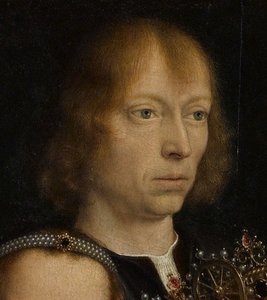
Gerard David
1450 - 1523 , Países Bajos
Breves datos
- Estilo Artístico: Renacimiento flamenco temprano
- Fecha De Muerte: 1523
- Fecha De Nacimiento: c. 1460
- Lugar De Nacimiento: Oude Woerden, Países Bajos
- Nacionalidad: Neerlandés
- Nombre Completo: Gerard David
- Obras Notables:
- El matrimonio de Santa Catalina
- La Virgen entre las vírgenes
- Tríptico de la Madonna

