 Ver en contexto
 Enviar
 Compartir
 Detalles

 Descargar
 Similares
 Radiografía
 Presentación de diapositivas
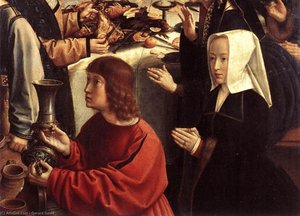
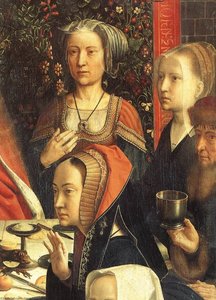
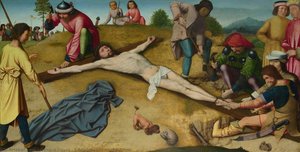
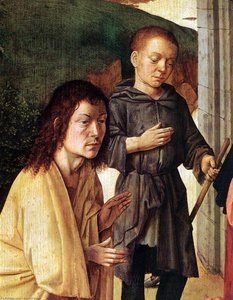
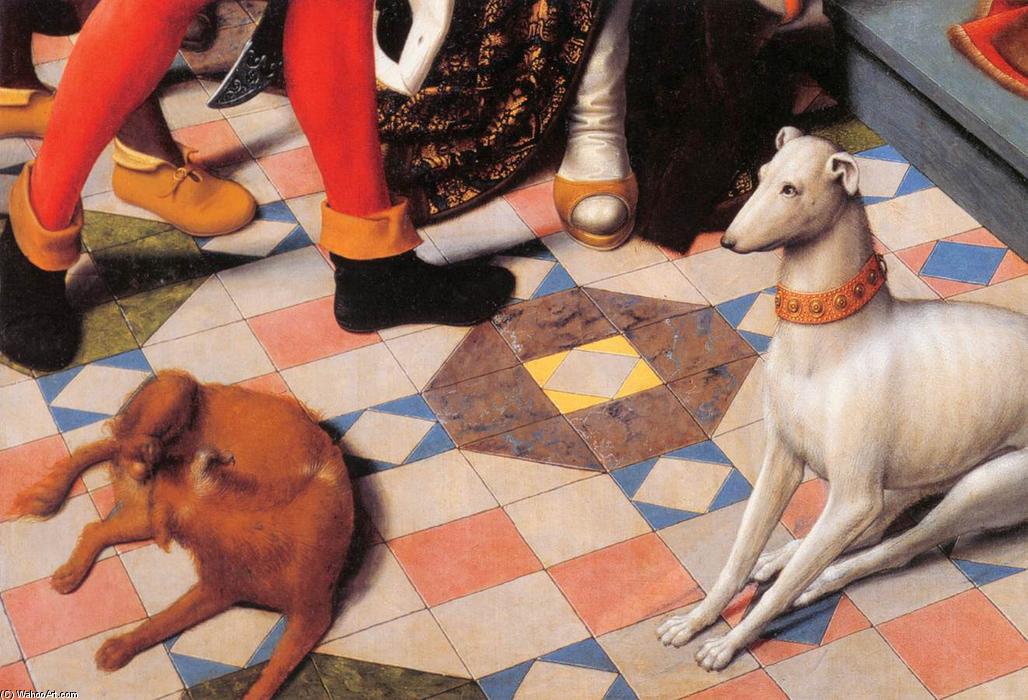
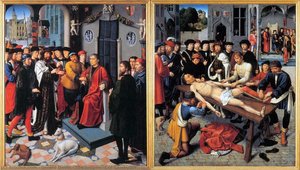
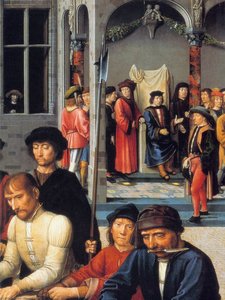
The Judgment of Cambyses (detail)


 Ver más
Reproducción al óleo hecha a mano
Óleo sobre lienzo pintado a mano en el tamaño y marco de su elección, realizado por encargo por nuestros artistas. ( Comprar impresión Comprar imagen)




P118B $10

P118H $10

P118W $10

P438Z $10

P508JH $12

P508YH $12

P805H $10

P805Z $10

P919BZ $10

P919G $10

P919XJ $10

P959ZH $10

P968JZ $12

W106C $8

W218G $10

W218JH $8

W218Y $10

W307PJ $10

W316G $10

W316PJ $8

W316Y $10

W398PJ $8

W4111J $10

W500HY $15

W500JH $15

W692G $12

W849H $8

W940BG $15

W953PJ $8




Elija entre nuestros tamaños predefinidos que respetan las proporciones originales de la obra.

Puede ingresar sus propias dimensiones para adaptarse a un marco o espacio específico. Si el tamaño seleccionado no coincide con las proporciones de la imagen original, recortaremos la obra o extenderemos la pintura con elementos adicionales pintados a mano. Se le enviará una maqueta digital para su aprobación antes de comenzar la producción.
Tenga en cuenta que la vista previa en pantalla no refleja el recorte o la extensión reales. Solo la maqueta mostrará con precisión la composición final.
Si bien existen tamaños personalizados, recomendamos seleccionar una dimensión de la lista predefinida para preservar las proporciones originales.
Tras realizar el pedido, el equipo de ArtsDot.com enviará un correo electrónico al cliente para solicitar instrucciones y proporcionarle una vista previa del boceto.
Envío a todo el mundo () en 3-4 semanas en lugar de las 5 semanas estándar. (26 agosto). Sin comprometer la calidad.

Envío exprés gratuito a todo el mundo

Lienzo de lino de alta calidad

Seguro de envío total

Garantía de reembolso de impuestos aduaneros

Garantía de fidelidad cromática exacta

Política de devolución de 60 días (solo por defectos)

Garantía de devolución del 100% del dinero

Descuento por cantidad
 La opción de vidrio solo está disponible en tamaños inferiores a 110 cm.

The Judgment of Cambyses (detail)
Técnica de reproducción
Dimensiones de la reproducción
-


Precio total final
$ 263
Descripción de la obra
A Glimpse into the Groeninge: The Judgment of Cambyses
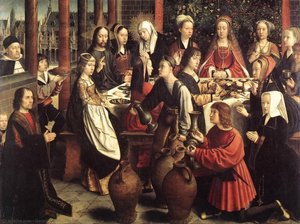
Gerard David’s “The Judgment of Cambyses,” a detail from the monumental altarpiece housed within the Groeninge Museum in Bruges, Belgium, is more than just a painting; it's a meticulously crafted window into the anxieties and philosophical inquiries of late 15th-century Northern Europe. Completed in 1498, this scene depicts a pivotal moment from the Book of Exodus – the Pharaoh’s decree that all Hebrew boys be cast into the Nile River, followed by the miraculous survival of Moses – but David transforms it into a complex meditation on fate, divine justice, and the precariousness of human existence. The painting's power lies not just in its technical brilliance, but also in the unsettling atmosphere it evokes, a palpable sense of dread mingled with an almost unbearable solemnity.

About the Artist: Gerard David (1450 – 1523), a master of Flemish painting, remains an enigmatic figure despite his undeniable talent and prolific output. Born in Oudewater, Netherlands, he honed his skills under Albert van Oudewater before establishing himself as a leading artist in Bruges, a vibrant center for artistic innovation during the Renaissance. David’s career was marked by both success and periods of relative obscurity, only to be rediscovered and celebrated in the 19th century for his unique contributions to the Northern Renaissance style. His work is characterized by an extraordinary sensitivity to color, light, and texture – elements that contribute significantly to the painting's haunting beauty.
Composition and Technique: A Study in Detail
David’s mastery of technique is immediately apparent in the intricate details of “The Judgment of Cambyses.” The composition is carefully structured, drawing the viewer’s eye through a series of interconnected elements. The checkered floor, rendered with remarkable precision, establishes a sense of order and formality, contrasting sharply with the chaotic scene unfolding above. Notice the subtle variations in color and texture – the smooth sheen of the dog's collar, the rough surface of the cat’s fur, the richly textured garments of the figures. David employed a technique known as *sfumato*, a characteristic of Northern Renaissance painting, to create soft transitions between light and shadow, lending the scene an ethereal quality. The use of perspective is also noteworthy; while not entirely linear, it creates a convincing illusion of depth, drawing the viewer into the drama.
- Color Palette: David’s palette is dominated by rich, earthy tones – deep reds, browns, and greens – punctuated by flashes of vibrant color. The use of gold leaf adds to the painting's opulence and symbolic significance.
- Texture: The artist meticulously rendered textures, from the fur of the animals to the folds of the clothing, creating a tactile experience for the viewer.
- Light & Shadow: David masterfully manipulates light and shadow to create dramatic contrasts and highlight key figures within the composition.
Symbolism and Interpretation: A Moral Dilemma
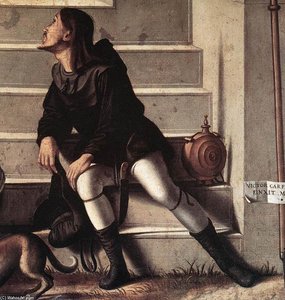
Beyond its technical brilliance, “The Judgment of Cambyses” is laden with symbolic meaning. The white dog and the brown cat, seemingly engaged in a moment of quiet contemplation, represent the innocence and vulnerability of human life. Their attentive gazes suggest an awareness of the impending doom. The two figures in the background, dressed in contrasting colors, are often interpreted as representing the forces of fate and judgment. The red and yellow figure, with its black shoes, could symbolize earthly power or retribution, while the dark-clad figure might embody divine authority. The scene itself raises profound questions about free will versus determinism – does Moses’ survival represent a triumph of faith over fate, or is it simply an act of divine intervention? The painting's ambiguity invites viewers to contemplate these complex moral dilemmas.
A Legacy of Beauty: Reproduction and Appreciation
ArtsDot offers meticulously crafted hand-painted reproductions of Gerard David’s “The Judgment of Cambyses,” allowing you to experience the artistry and emotional depth of this remarkable masterpiece in your own home or studio. Our skilled artists faithfully recreate David's nuanced techniques, capturing the painting's atmospheric quality and symbolic richness with exceptional detail. Whether you are an art collector, a design enthusiast, or simply someone who appreciates timeless beauty, a ArtsDot reproduction provides a stunning tribute to one of the Renaissance’s most enigmatic and influential figures. Explore our collection today and bring this extraordinary work of art into your world.
Obras relacionadas
Biografía del artista
Vida y Carrera
Gerard David, una figura destacada del movimiento pictórico neerlandés temprano, dejó una huella imborrable en el mundo del arte con su brillante uso del color. Nacido alrededor de 1460 en Oudewater, Países Bajos, la vida de David está envuelta en misterio, con solo un esbozo básico de su biografía que ha sobrevivido.- Es posible que haya sido Meester Gheraet van Brugghe, quien se convirtió en maestro del gremio de Amberes en 1515.
- David fue increíblemente exitoso durante su vida, probablemente dirigiendo dos talleres en Amberes y Brujas.
- Su reputación disminuyó en el siglo XVII pero fue redescubierto en el siglo XIX.
Estilo Artístico y Obras Notables
El enfoque innovador de David hacia el paisaje y su magistral uso de la luz y la sombra caracterizan su obra. Algunas de sus piezas más notables incluyen:- El Matrimonio de Santa Catalina en la Galería Nacional, Londres.
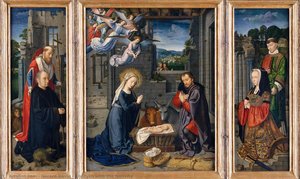
- El tríptico de La Virgen Encoronada con Santos en la colección Brignole-Sale, Génova.
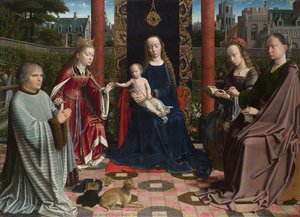
- La Virgen entre las Vírgenes, ahora en el museo de Rouen, que donó a las monjas carmelitas de Sion en Brujas.
Influencias y Desarrollo Artístico
El arte de Gerard David se desarrolló dentro del contexto del movimiento neerlandés temprano, influenciado por artistas como Jan van Eyck y Rogier van der Weyden. Sin embargo, David desarrolló un estilo distintivo caracterizado por:- Un uso vibrante del color: A diferencia de la paleta más sombría de algunos contemporáneos, David empleó colores ricos y luminosos para crear una atmósfera de vitalidad y belleza.
- Paisajes detallados: Sus paisajes son notablemente realistas y atmosféricos, a menudo incorporando detalles minuciosos que añaden profundidad y complejidad a sus composiciones.
- Narrativa clara: David era un maestro en contar historias visuales, utilizando gestos y expresiones faciales para transmitir emociones y significado.
Legado e Importancia Histórica
El impacto de Gerard David en el mundo del arte es innegable. Su estilo único y su enfoque del color han influenciado a numerosos artistas, y su obra continúa siendo celebrada en varios museos y colecciones.- Transición artística: Representa una transición importante entre los primeros maestros neerlandeses y las generaciones posteriores de pintores flamencos.
- Popularidad duradera: Su arte fue muy apreciado durante su vida, y su popularidad ha continuado hasta nuestros días.
Museos y Colecciones que Exhiben la Obra de Gerard David
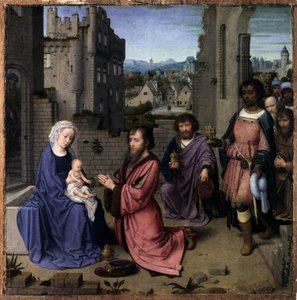
- Explora la extensa colección de pinturas de Gerard David en ArtsDot, incluyendo La Adoración de los Magos.
- Museo Groeninge, Brujas, Bélgica: Este museo municipal presenta una impresionante colección de pinturas flamencas y belgas, incluyendo obras de Gerard David.
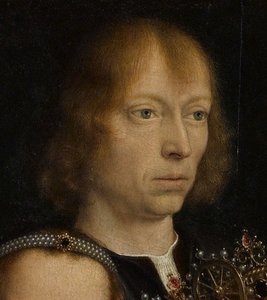
Gerard David
1450 - 1523 , Países Bajos
Datos clave
- Estilo Artístico: Renacimiento flamenco temprano
- Fecha De Muerte: 1523
- Fecha De Nacimiento: c. 1460
- Lugar De Nacimiento: Oude Woerden, Países Bajos
- Nacionalidad: Neerlandés
- Nombre Completo: Gerard David
- Obras Notables:
- El matrimonio de Santa Catalina
- La Virgen entre las vírgenes
- Tríptico de la Madonna
Artículos relacionados
Gerard David: Bridging Late Medieval Tradition with Early Renaissance Humanism
Explore the captivating world of Gerard David, a pivotal figure bridging late medieval artistry with the Early Renaissance. Discover his innovative techniques, religious masterpieces, and enduring legacy – a must-read for discerning art collectors.
El Renacimiento Septentrional: Florecimiento del Realismo y la Innovación Artística
Descubre el Renacimiento Septentrional y la maestría de los Primitivos Flamencos. Explora sus técnicas innovadoras, simbolismo oculto y obras icónicas con ArtsDot.
Jacques-Louis David: Neoclassical Ideals & Revolutionary Witness
Explore the life & art of Jacques-Louis David, leading Neoclassical painter of the French Revolution. Discover iconic works like 'The Death of Marat' and his lasting impact on art history. Expert analysis & high-quality reproductions at ArtsDot.
Renacimiento Nórdico: 10 Obras Maestras que Transformaron el Arte |
Descubre 10 obras maestras del Renacimiento Nórdico: Jan van Eyck, Durero y más. Explora la historia, el simbolismo y las técnicas de estos icónicos pintores. Encuentra reproducciones de arte exclusivas en .
David Bomberg: Reassessing the Pioneering Spirit of Early British Abstraction
Explore the groundbreaking work of David Bomberg, a pivotal figure in British abstraction. Discover his artistic evolution, influences, and lasting legacy through insightful analysis & expert commentary.