 Ver en contexto
 Enviar
 Compartir
 Detalles

 Descargar
 Similares
 Radiografía
 Presentación de diapositivas
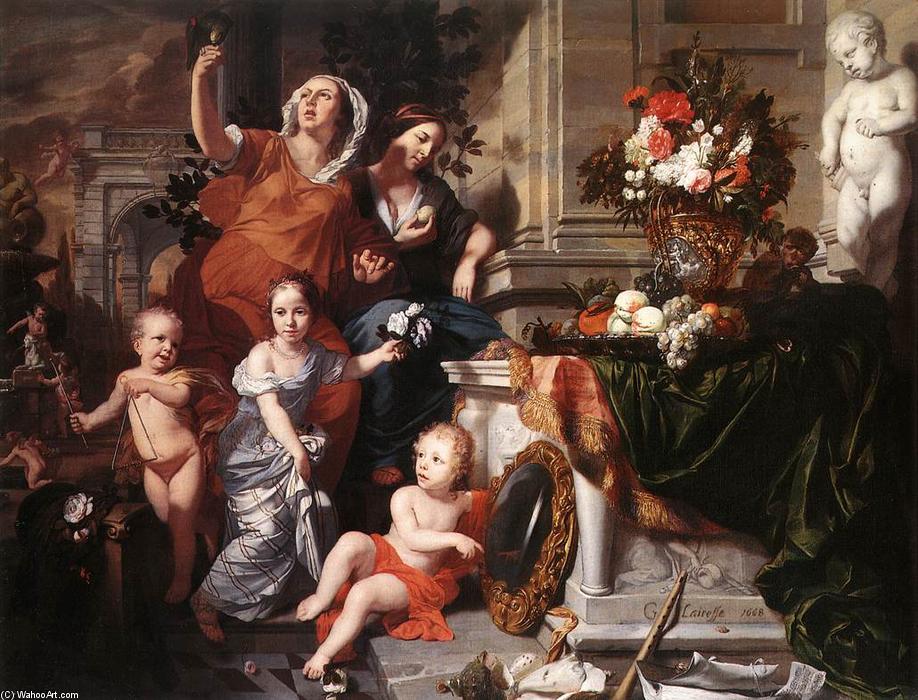
Allegory of the Five Senses


 Ver más
Giclée / Impresión de arte
Impresiones giclée o en lienzo de calidad de museo con producción rápida y opciones de acabado flexibles. ( Comprar pintura hecha a mano Comprar imagen)




P118B $10

P118H $10

P118W $10

P438Z $10

P508JH $12

P508YH $12

P805H $10

P805Z $10

P919BZ $10

P919G $10

P919XJ $10

P959ZH $10

P968JZ $12

W106C $8

W218G $10

W218JH $8

W218Y $10

W307PJ $10

W316G $10

W316PJ $8

W316Y $10

W398PJ $8

W4111J $10

W500HY $15

W500JH $15

W692G $12

W849H $8

W940BG $15

W953PJ $8




Elija entre nuestros tamaños predefinidos que respetan las proporciones originales de la obra.

Puede introducir sus propias dimensiones para adaptarse a un marco o espacio específico. Si el tamaño seleccionado no coincide con las proporciones de la imagen original, recortaremos la obra de arte o extenderemos la imagen con un borde con efecto espejo o de color sólido. Se enviará una maqueta digital para su aprobación antes de que comience la producción.
Tenga en cuenta que la vista previa en pantalla no refleja el recorte o la extensión real. Solo la maqueta mostrará con precisión la composición final.
Aunque existen tamaños personalizados, recomendamos seleccionar una dimensión de la lista predefinida para preservar las proporciones originales.
Envío a todo el mundo () en 2 semanas en lugar de las 4/5 semanas estándar. (28 agosto)

Envío exprés gratuito a todo el mundo

Lienzo de lino de alta calidad

Seguro de envío total

Garantía de reembolso de impuestos aduaneros

Garantía de fidelidad cromática exacta

Política de devolución de 60 días (solo por defectos)

Garantía de devolución del 100% del dinero

Descuento por cantidad
 La opción de vidrio solo está disponible en tamaños inferiores a 110 cm.

Allegory of the Five Senses
Giclée / Impresión de arte
Dimensiones de la reproducción
-


Precio total final
$ 62
The Allegory of the Five Senses: A Baroque Masterpiece
Gérard de Lairesse’s “Allegory of the Five Senses,” painted in 1668, is more than just a visually stunning artwork; it's a profound meditation on human perception and the very nature of experience. Housed within the Glasgow Art Gallery and Museum, this opulent oil-on-canvas piece transports viewers into a meticulously crafted world where each sense is not merely registered but actively embodied. De Lairesse, a leading figure in the flourishing Baroque art scene of 17th-century Belgium, masterfully blends classical ideals with dynamic composition and dramatic lighting – hallmarks of his distinctive style.
The painting’s core lies in its allegorical representation of sight, hearing, smell, taste, and touch. Each sense is personified by a carefully chosen figure, arranged within a classically inspired architectural setting that suggests both earthly grandeur and divine harmony. The central female figure, representing sight, holds a mirror reflecting her own image – a potent symbol of self-awareness and vanity, yet also hinting at the power of observation and understanding. To her left, a man with his hand raised to his ear embodies hearing, while on the right, another figure gestures towards a large vase overflowing with fragrant flowers, embodying the sense of smell. A couple engaged in conversation further emphasizes taste and touch, suggesting the interplay between sensory experiences.
Deconstructing Symbolism: A Language of Senses
Every element within “The Allegory of the Five Senses” is laden with symbolic meaning. The choice of figures – their gestures, clothing, and accompanying objects – speaks volumes about the qualities associated with each sense. For instance, the woman holding a mirror isn’t simply reflecting an image; she's actively engaging with her own perception, highlighting the subjective nature of sight. The abundance of flowers symbolizes not just fragrance but also beauty, pleasure, and the fleeting nature of sensory delights. The musical instruments and the act of conversation underscore the importance of auditory experience in shaping our understanding of the world.
The architectural backdrop – columns, statues, and a sense of spaciousness – reinforces the allegorical theme. It’s reminiscent of classical Roman temples, suggesting that these senses are integral to human civilization and its pursuit of knowledge and beauty. The careful balance between light and shadow further enhances the dramatic effect, guiding the viewer's eye through the composition and emphasizing key elements.
Technique and Artistic Flourish
De Lairesse’s technical skill is evident in every brushstroke. He employs a rich, layered technique, utilizing glazes to create depth and luminosity within the painting. The use of chiaroscuro – dramatic contrasts between light and dark – adds to the sense of theatricality and emphasizes the figures' forms. The meticulous detail in rendering fabrics, textures, and facial expressions demonstrates his mastery of observation and representation. The overall effect is one of opulent beauty and refined elegance, characteristic of the Baroque style.
A Timeless Appeal: Reproduction and Beyond
“Allegory of the Five Senses” continues to captivate viewers centuries after its creation. Its enduring appeal lies in its ability to evoke a profound sense of wonder and contemplation about the human experience. Reproductions, such as those offered by ArtsDot.com, provide an accessible way to bring this masterpiece into any setting, allowing individuals to appreciate its beauty and symbolism firsthand. Whether adorning a grand salon or a more intimate space, this painting serves as a reminder of the richness and complexity of our senses – and the power of art to illuminate them.
Obras relacionadas

Biografía del artista
Gérard de Lairesse: Un Destacado Figura del Arte Barroco Belga
Gérard de Lairesse (1640-1711) fue un prominente pintor belga que contribuyó significativamente al desarrollo y florecimiento del arte barroco durante el siglo XVII. Nacido en Lieja, Bélgica, su carrera abarcó un período de considerable transformación artística en toda Europa, dejando atrás un legado marcado por composiciones dramáticas, un uso magistral de la luz y la sombra, y una influencia distintiva en generaciones posteriores de artistas.
Vida Temprana y Formación: Los Cimientos de una Carrera Artística
- Nacimiento y Orígenes: Gérard de Lairesse nació en Lieja, Bélgica, en 1640.
- Aprendizaje bajo Erasmus II Massius: Su viaje artístico comenzó con la formación bajo la tutela de Erasmus II Massius, un respetado pintor de la región. Esta experiencia fundamental le proporcionó habilidades técnicas esenciales y una introducción al mundo del arte.
- Influencia de Caravaggio y Rembrandt: De Lairesse quedó profundamente inspirado por las obras de dos gigantes de la pintura europea: Caravaggio y Rembrandt. El uso dramático de la luz y la sombra (tenebrismo) defendido por Caravaggio, y la profundidad psicológica y el manejo magistral de la luz característicos de Rembrandt, moldearon profundamente su estilo artístico y técnica.
Estilo Artístico y Contribuciones Clave: Definiendo una Visión Barroca
- Características Barrocas: Las pinturas de De Lairesse son ejemplos paradigmáticos del arte barroco, caracterizadas por sus composiciones dinámicas, intensidad emocional y uso dramático de la luz y la sombra (claroscuro).
- Maestría del Claroscuro: Empleó expertamente el claroscuro para crear una sensación de volumen, profundidad y drama intensificado en sus obras. Esta técnica fue central en la estética barroca.
- Obras Notables: Entre sus piezas más celebradas se encuentran "El Martirio de San Sebastián" y "El Bautismo de Cristo", que muestran su excepcional dominio del color, la forma y la composición. Estas pinturas ejemplifican su capacidad para transmitir narrativas poderosas con intensidad emocional.
- Más allá de los Temas Religiosos: Si bien es conocido por escenas religiosas, de Lairesse también exploró temas mitológicos, retratos y paisajes, demostrando versatilidad dentro del estilo barroco. Ejemplos incluyen "Apolo y Aurora", "Diana y Endimión" y “La Alegoría de los Cinco Sentidos”.
Influencias y Legado: Moldeando las Tendencias Artísticas
- Influencia de los Caravaggistas de Utrecht: De Lairesse estuvo fuertemente influenciado por los Caravaggistas de Utrecht, un grupo de pintores holandeses que adoptaron las técnicas dramáticas de iluminación de Caravaggio.
- Impacto de Peter Paul Rubens: El legado de Peter Paul Rubens, una figura dominante en la pintura barroca flamenca, también resonó en el trabajo de De Lairesse, aunque su estilo desarrolló sus propias características distintivas.
- Influencia en Jan van Huchtenburgh: Sus innovaciones artísticas y técnicas influyeron en artistas posteriores como Jan van Huchtenburgh, demostrando el efecto en cascada de sus contribuciones al mundo del arte.
- Retrato y Grabado: La influencia de De Lairesse se extendió más allá de la pintura; también fue reconocido por sus retratos y colaboraciones con grabadores como Gerard Valck que crearon impresiones basadas en sus diseños.
Significado Histórico y Reconocimiento
Gérard de Lairesse ocupa un lugar significativo en la historia del arte belga, representando una figura clave en el desarrollo de la pintura barroca dentro de la región. Su hábil uso del claroscuro, las composiciones dramáticas y las narrativas emotivas lo establecieron como un artista notable de su tiempo. Hoy en día, sus obras son reconocidas por su mérito artístico e importancia histórica, con piezas que residen en colecciones prestigiosas como la Galería Nacional de Londres. ArtsDot.com ofrece reproducciones de alta calidad de los maestros de De Lairesse, permitiendo a los entusiastas del arte apreciar sus contribuciones al arte barroco.
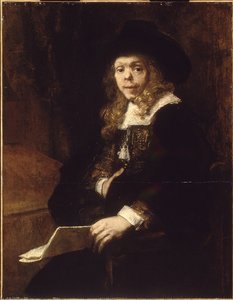
Gérard De Lairesse
1640 - 1711 , Bélgica
Datos clave
- Artistas Influenciados: ['Jan van Huchtenburgh']
- Artistas Que Influyeron:
- Caravaggio
- Rembrandt
- Peter Paul Rubens
- Fecha De Fallecimiento: 1711
- Fecha De Nacimiento: 1640
- Lugar De Nacimiento: Liège, Bélgica
- Movimiento Artístico: Barroco
- Nacionalidad: Belga
- Nombre Completo: Gérard de Lairesse
- Obras Notables:
- Martirio de San Sebastián
- Bautismo de Cristo
- Apolo y Aurora
- Diana y Endimión
- Las cinco sensaciones
Artículos relacionados

Goya: Las 25 Obras Maestras del Genio Español | Reproducciones de Arte en ArtsDot
Descubre las 25 obras maestras de Goya, el genio español. Explora retratos icónicos, 'Los Caprichos' y 'Las Pinturas Negras'. Reproducciones de arte en lienzo de alta calidad para decorar tu hogar con estilo. ¡Encuentra tu obra favorita en ArtsDot.com!

Acerca de nosotros
Descubre nuestra historia! Llevamos el arte de clase mundial a tu vida gracias a una selección experta, creaciones personalizadas y vistas previas gratuitas. Aprobado por particulares y empresas desde el año 2000.

Barroco Sublime: 10 Obras Maestras que Definieron una Época |
Descubre las 10 obras maestras del Barroco que marcaron una época. Caravaggio, Bernini y Velázquez cobran vida en . Reproducciones de arte de calidad museo para decorar tu hogar con elegancia. ¡Explora la colección online!

Drama Barroca: Llevando la Grandeza y la Emoción a los Interiores Contemporáneos
Descubre cómo el drama y la grandeza del arte barroco pueden transformar tus interiores. Guía experta, inspiración y reproducciones de alta calidad en .

The Dramatic Flourish: Exploring the Baroque Movement's Enduring Legacy in Art History
Explore the dramatic world of Baroque art! Discover iconic artists like Caravaggio & Rubens, defining techniques, and its lasting impact on art history. Expert insights for collectors & enthusiasts at ArtsDot.