 Ver en contexto
 Enviar
 Compartir
 Detalles

 Descargar
 Similares
 Radiografía
 Presentación de diapositivas
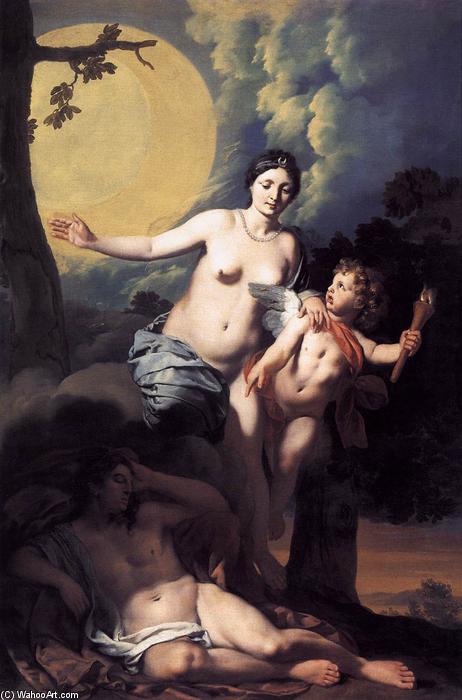
Diana and Endymion
 Oil On Canvas
- WallArt
- Baroque
 1680
1680 177.0 x 119.0 cm
 Rijksmuseum
 Ver más
Reproducción al óleo hecha a mano
Óleo sobre lienzo pintado a mano en el tamaño y marco de su elección, realizado por encargo por nuestros artistas. ( Comprar impresión Comprar imagen)




P118B $10

P118H $10

P118W $10

P438Z $10

P508JH $12

P508YH $12

P805H $10

P805Z $10

P919BZ $10

P919G $10

P919XJ $10

P959ZH $10

P968JZ $12

W106C $8

W218G $10

W218JH $8

W218Y $10

W307PJ $10

W316G $10

W316PJ $8

W316Y $10

W398PJ $8

W4111J $10

W500HY $15

W500JH $15

W692G $12

W849H $8

W940BG $15

W953PJ $8




Elija entre nuestros tamaños predefinidos que respetan las proporciones originales de la obra.

Puede ingresar sus propias dimensiones para adaptarse a un marco o espacio específico. Si el tamaño seleccionado no coincide con las proporciones de la imagen original, recortaremos la obra o extenderemos la pintura con elementos adicionales pintados a mano. Se le enviará una maqueta digital para su aprobación antes de comenzar la producción.
Tenga en cuenta que la vista previa en pantalla no refleja el recorte o la extensión reales. Solo la maqueta mostrará con precisión la composición final.
Si bien existen tamaños personalizados, recomendamos seleccionar una dimensión de la lista predefinida para preservar las proporciones originales.
Tras realizar el pedido, el equipo de ArtsDot.com enviará un correo electrónico al cliente para solicitar instrucciones y proporcionarle una vista previa del boceto.
Envío a todo el mundo () en 3-4 semanas en lugar de las 5 semanas estándar. (28 agosto). Sin comprometer la calidad.

Envío exprés gratuito a todo el mundo

Lienzo de lino de alta calidad

Seguro de envío total

Garantía de reembolso de impuestos aduaneros

Garantía de fidelidad cromática exacta

Política de devolución de 60 días (solo por defectos)

Garantía de devolución del 100% del dinero

Descuento por cantidad
 La opción de vidrio solo está disponible en tamaños inferiores a 110 cm.

Diana and Endymion
Técnica de reproducción
Dimensiones de la reproducción
-


Precio total final
$ 263
A Glimpse of Eternal Beauty: Gérard de Lairesse’s “Diana and Endymion”
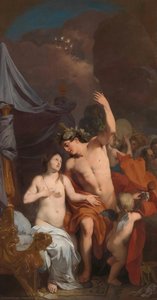
Gérard de Lairesse's "Diana and Endymion," painted in 1680, is more than just a depiction of classical mythology; it’s an exquisite distillation of Baroque elegance, imbued with a profound sense of serenity and poignant longing. Housed within the hallowed halls of the Rijksmuseum in Amsterdam, this oil on canvas invites viewers into a private moment between the goddess Diana and her eternally youthful lover, Endymion – a scene rendered with breathtaking technical skill and an undeniable emotional resonance.
The painting immediately captivates with its masterful use of light and shadow, a hallmark of de Lairesse’s signature style. Chiaroscuro, borrowed from the dramatic techniques of Caravaggio and Rembrandt, is deployed to sculpt the figures, creating a palpable sense of volume and depth. The cool, silvery luminescence emanating from the moon dominates the composition, bathing the scene in an ethereal glow that softens the edges of the forms and lends an air of otherworldly beauty. Notice how the light delicately highlights Diana’s flowing gown and the contours of Endymion's reclining form, drawing our eye to their intimate connection.
A Mythic Encounter: Story and Symbolism
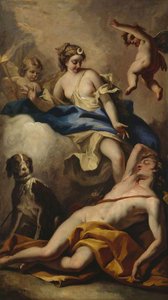
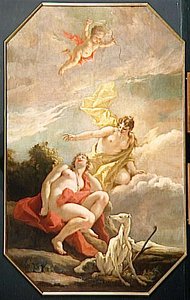
The narrative unfolds with a quiet grace – Diana, poised and regal in her ivory robes, extends her hand towards Endymion, who lies peacefully reclined on the mossy bank. The story, rooted in Greek mythology, speaks of Zeus’s desire to preserve Endymion's youthful beauty, granting him eternal sleep while allowing Diana nightly visits. This isn’t a scene of passionate embrace; rather, it’s one of gentle communion, a shared moment of tranquility amidst the vastness of the night. The inclusion of the moon, a potent symbol of Diana’s dominion and feminine power, reinforces this theme of celestial grace.
Beyond the literal narrative, “Diana and Endymion” is rich in symbolic meaning. The setting – a secluded natural landscape – suggests an escape from the complexities of human affairs, a realm where beauty and serenity reign supreme. The bare branches of the tree in the background could represent mortality and the passage of time, subtly contrasting with Endymion’s eternal youth. Furthermore, the painting speaks to themes of love, devotion, and the pursuit of timeless beauty – concepts that have resonated throughout art history for centuries.
The Artistry of a Master: Technique and Detail
De Lairesse's technical prowess is evident in every brushstroke. The figures are rendered with remarkable realism, yet imbued with an almost dreamlike quality. Observe the delicate rendering of Endymion’s skin, the subtle folds of Diana’s drapery, and the meticulous detail lavished upon the surrounding foliage. His use of color is restrained but effective, creating a harmonious palette that enhances the painting's overall sense of elegance and sophistication.
The composition itself is carefully balanced, with the figures arranged in a visually pleasing manner. The diagonal line created by Endymion’s reclining form leads the eye through the scene, while the verticality of Diana anchors the composition. De Lairesse's mastery of perspective and his ability to create a convincing sense of depth are truly remarkable.
A Legacy of Beauty: Context and Influence
"Diana and Endymion" stands as a pivotal work in the history of Dutch Baroque painting, reflecting the artistic trends of its time while also establishing de Lairesse’s unique style. Influenced by both Italian classicism and French courtly art, he created a synthesis that was distinctly his own – characterized by a refined elegance, dramatic lighting, and an emphasis on emotional expression. His work helped to elevate the status of painting as a serious artistic pursuit, contributing significantly to the flourishing of Dutch Golden Age art.
Reproductions of this masterpiece offer a remarkable opportunity to experience the beauty and artistry of de Lairesse’s vision. Whether displayed in a grand salon or a more intimate setting, “Diana and Endymion” continues to captivate viewers with its timeless appeal – a testament to the enduring power of classical mythology and the genius of one of Holland's greatest painters.
Obras relacionadas


Biografía del artista
Gérard de Lairesse: Un Destacado Figura del Arte Barroco Belga
Gérard de Lairesse (1640-1711) fue un prominente pintor belga que contribuyó significativamente al desarrollo y florecimiento del arte barroco durante el siglo XVII. Nacido en Lieja, Bélgica, su carrera abarcó un período de considerable transformación artística en toda Europa, dejando atrás un legado marcado por composiciones dramáticas, un uso magistral de la luz y la sombra, y una influencia distintiva en generaciones posteriores de artistas.
Vida Temprana y Formación: Los Cimientos de una Carrera Artística
- Nacimiento y Orígenes: Gérard de Lairesse nació en Lieja, Bélgica, en 1640.
- Aprendizaje bajo Erasmus II Massius: Su viaje artístico comenzó con la formación bajo la tutela de Erasmus II Massius, un respetado pintor de la región. Esta experiencia fundamental le proporcionó habilidades técnicas esenciales y una introducción al mundo del arte.
- Influencia de Caravaggio y Rembrandt: De Lairesse quedó profundamente inspirado por las obras de dos gigantes de la pintura europea: Caravaggio y Rembrandt. El uso dramático de la luz y la sombra (tenebrismo) defendido por Caravaggio, y la profundidad psicológica y el manejo magistral de la luz característicos de Rembrandt, moldearon profundamente su estilo artístico y técnica.
Estilo Artístico y Contribuciones Clave: Definiendo una Visión Barroca
- Características Barrocas: Las pinturas de De Lairesse son ejemplos paradigmáticos del arte barroco, caracterizadas por sus composiciones dinámicas, intensidad emocional y uso dramático de la luz y la sombra (claroscuro).
- Maestría del Claroscuro: Empleó expertamente el claroscuro para crear una sensación de volumen, profundidad y drama intensificado en sus obras. Esta técnica fue central en la estética barroca.
- Obras Notables: Entre sus piezas más celebradas se encuentran "El Martirio de San Sebastián" y "El Bautismo de Cristo", que muestran su excepcional dominio del color, la forma y la composición. Estas pinturas ejemplifican su capacidad para transmitir narrativas poderosas con intensidad emocional.
- Más allá de los Temas Religiosos: Si bien es conocido por escenas religiosas, de Lairesse también exploró temas mitológicos, retratos y paisajes, demostrando versatilidad dentro del estilo barroco. Ejemplos incluyen "Apolo y Aurora", "Diana y Endimión" y “La Alegoría de los Cinco Sentidos”.
Influencias y Legado: Moldeando las Tendencias Artísticas
- Influencia de los Caravaggistas de Utrecht: De Lairesse estuvo fuertemente influenciado por los Caravaggistas de Utrecht, un grupo de pintores holandeses que adoptaron las técnicas dramáticas de iluminación de Caravaggio.
- Impacto de Peter Paul Rubens: El legado de Peter Paul Rubens, una figura dominante en la pintura barroca flamenca, también resonó en el trabajo de De Lairesse, aunque su estilo desarrolló sus propias características distintivas.
- Influencia en Jan van Huchtenburgh: Sus innovaciones artísticas y técnicas influyeron en artistas posteriores como Jan van Huchtenburgh, demostrando el efecto en cascada de sus contribuciones al mundo del arte.
- Retrato y Grabado: La influencia de De Lairesse se extendió más allá de la pintura; también fue reconocido por sus retratos y colaboraciones con grabadores como Gerard Valck que crearon impresiones basadas en sus diseños.
Significado Histórico y Reconocimiento
Gérard de Lairesse ocupa un lugar significativo en la historia del arte belga, representando una figura clave en el desarrollo de la pintura barroca dentro de la región. Su hábil uso del claroscuro, las composiciones dramáticas y las narrativas emotivas lo establecieron como un artista notable de su tiempo. Hoy en día, sus obras son reconocidas por su mérito artístico e importancia histórica, con piezas que residen en colecciones prestigiosas como la Galería Nacional de Londres. ArtsDot.com ofrece reproducciones de alta calidad de los maestros de De Lairesse, permitiendo a los entusiastas del arte apreciar sus contribuciones al arte barroco.
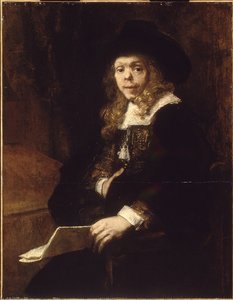
Gérard De Lairesse
1640 - 1711 , Bélgica
Datos clave
- Artistas Influenciados: ['Jan van Huchtenburgh']
- Artistas Que Influyeron:
- Caravaggio
- Rembrandt
- Peter Paul Rubens
- Fecha De Fallecimiento: 1711
- Fecha De Nacimiento: 1640
- Lugar De Nacimiento: Liège, Bélgica
- Movimiento Artístico: Barroco
- Nacionalidad: Belga
- Nombre Completo: Gérard de Lairesse
- Obras Notables:
- Martirio de San Sebastián
- Bautismo de Cristo
- Apolo y Aurora
- Diana y Endimión
- Las cinco sensaciones
Artículos relacionados

Goya: Las 25 Obras Maestras del Genio Español | Reproducciones de Arte en ArtsDot
Descubre las 25 obras maestras de Goya, el genio español. Explora retratos icónicos, 'Los Caprichos' y 'Las Pinturas Negras'. Reproducciones de arte en lienzo de alta calidad para decorar tu hogar con estilo. ¡Encuentra tu obra favorita en ArtsDot.com!

Reflejos de una Época Dorada: La Pintura Barroca Holandesa y la Innovación Cultural
Descubra la riqueza y el detalle de la pintura barroca holandesa del Siglo de Oro. Explore las obras maestras de Rembrandt, Vermeer y otros artistas clave. Análisis experto e historia cultural.

Los 10 Maestros del Barroco Holandés: Obras que Definen una Época | ArtsDot
Descubre los 10 imprescindibles del Barroco holandés: Rembrandt, Vermeer y más. Explora la historia, técnica y belleza de estas obras maestras. Reproducciones de arte en ArtsDot.com para decorar tu hogar con elegancia.
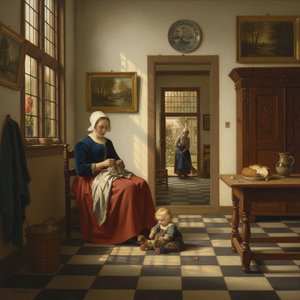
Pieter de Hooch: Illuminating Dutch Domestic Life & Golden Age Charm
Explore the captivating world of Pieter de Hooch, a master of Dutch Golden Age painting. Discover his innovative use of light, intimate domestic scenes, and lasting influence on art history. Learn more at ArtsDot.

Acerca de nosotros
Descubre nuestra historia! Llevamos el arte de clase mundial a tu vida gracias a una selección experta, creaciones personalizadas y vistas previas gratuitas. Aprobado por particulares y empresas desde el año 2000.