 Ver en contexto
 Enviar
 Compartir
 Detalles

 Descargar
 Similares
 Radiografía
 Presentación de diapositivas
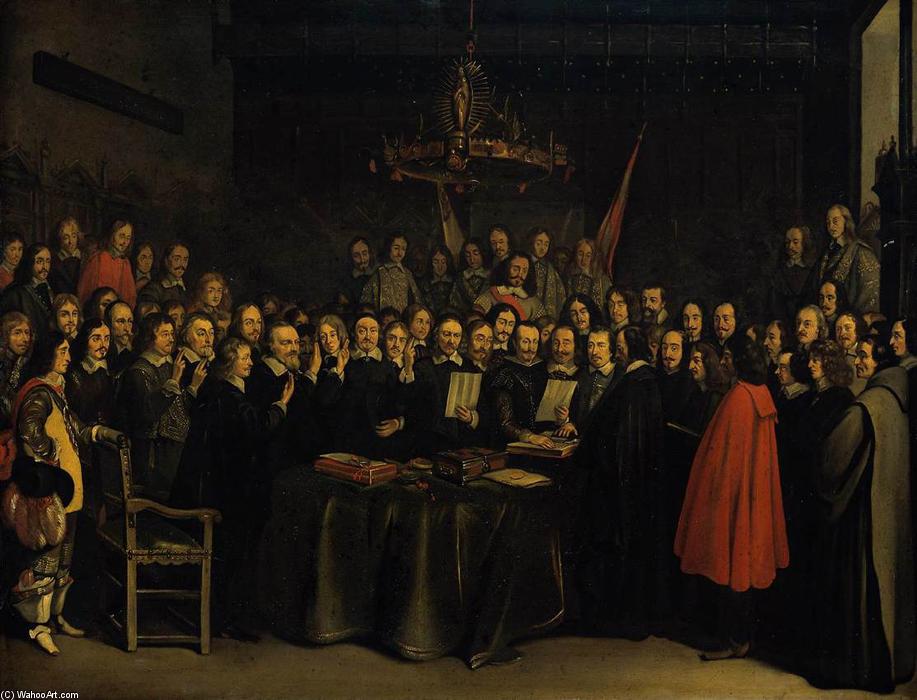
The Ratification of the Treaty of Münster, 15 May 1648
 Acrylic On Canvas
- WallArt
- Dutch Golden Age
 1648
1648 46.0 x 60.0 cm
 Rijksmuseum
 Ver más
Reproducción al óleo hecha a mano
Óleo sobre lienzo pintado a mano en el tamaño y marco de su elección, realizado por encargo por nuestros artistas. ( Comprar impresión Comprar imagen)




P118B $10

P118H $10

P118W $10

P438Z $10

P508JH $12

P508YH $12

P805H $10

P805Z $10

P919BZ $10

P919G $10

P919XJ $10

P959ZH $10

P968JZ $12

W106C $8

W218G $10

W218JH $8

W218Y $10

W307PJ $10

W316G $10

W316PJ $8

W316Y $10

W398PJ $8

W4111J $10

W500HY $15

W500JH $15

W692G $12

W849H $8

W940BG $15

W953PJ $8




Elija entre nuestros tamaños predefinidos que respetan las proporciones originales de la obra.

Puede ingresar sus propias dimensiones para adaptarse a un marco o espacio específico. Si el tamaño seleccionado no coincide con las proporciones de la imagen original, recortaremos la obra o extenderemos la pintura con elementos adicionales pintados a mano. Se le enviará una maqueta digital para su aprobación antes de comenzar la producción.
Tenga en cuenta que la vista previa en pantalla no refleja el recorte o la extensión reales. Solo la maqueta mostrará con precisión la composición final.
Si bien existen tamaños personalizados, recomendamos seleccionar una dimensión de la lista predefinida para preservar las proporciones originales.
Tras realizar el pedido, el equipo de ArtsDot.com enviará un correo electrónico al cliente para solicitar instrucciones y proporcionarle una vista previa del boceto.
Envío a todo el mundo () en 3-4 semanas en lugar de las 5 semanas estándar. (4 septiembre). Sin comprometer la calidad.

Envío exprés gratuito a todo el mundo

Lienzo de lino de alta calidad

Seguro de envío total

Garantía de reembolso de impuestos aduaneros

Garantía de fidelidad cromática exacta

Política de devolución de 60 días (solo por defectos)

Garantía de devolución del 100% del dinero

Descuento por cantidad
 La opción de vidrio solo está disponible en tamaños inferiores a 110 cm.

The Ratification of the Treaty of Münster, 15 May 1648
Técnica de reproducción
Dimensiones de la reproducción
-


Precio total final
$ 263
A Moment of Negotiation: Gerard ter Borch’s “The Ratification of the Treaty of Münster”
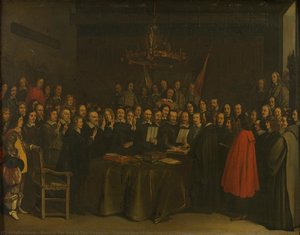
Gerard ter Borch's "The Ratification of the Treaty of Münster, 15 May 1648" isn’t merely a historical painting; it’s a meticulously crafted tableau vivant, a frozen moment brimming with political tension and subtle human drama. Completed in 1648, just as the tumultuous Peace of Westphalia concluded decades of devastating warfare across Europe, this work offers an intimate glimpse into the complex negotiations that reshaped the continent's map – and its future. The scene unfolds within the imposing yet restrained setting of a town hall, likely in Münster, Germany, where representatives from France, Spain, and the Dutch Republic gathered to formally sign the treaty that brought an end to the Eighty Years’ War. Ter Borch masterfully captures not just the physical presence of these dignitaries, but also their psychological states – a delicate balance of authority, apprehension, and perhaps even weary satisfaction.A Masterclass in Dutch Genre Painting
Ter Borch was a pivotal figure in the development of Dutch genre painting, a movement that shifted away from grand historical narratives towards depictions of everyday life with remarkable realism and psychological depth. Unlike many of his contemporaries who favored heroic or dramatic subjects, Ter Borch focused on capturing the nuances of human interaction within domestic settings – a letter being read, a conversation unfolding, a gentleman contemplating a book. This intimate approach is powerfully evident in “The Ratification,” where he eschews overt displays of power and instead concentrates on the subtle gestures, expressions, and interactions that reveal the characters’ inner lives. His skill lies not just in rendering accurate likenesses, but in conveying an atmosphere of quiet intensity – a sense that something significant is about to unfold, or has just concluded.Light, Texture, and the Language of Gesture
Technically, Ter Borch's work is characterized by his extraordinary ability to render light and texture with unparalleled precision. He employed a layered technique, building up thin glazes of paint to create an illusion of depth and luminosity. Notice how the light streams through the windows, illuminating faces and highlighting folds in clothing – details that contribute significantly to the painting’s overall realism. Crucially, Ter Borch was also a master of gesture. The figures aren't posed stiffly; they are caught mid-action, their hands raised, eyes lowered, bodies subtly angled towards one another. These gestures communicate volumes—a deliberate exchange of words, a moment of contemplation, the weight of responsibility. The careful arrangement of these small details creates a compelling narrative that transcends mere representation.Symbolism and the Weight of History
Beyond its immediate depiction of the treaty signing, “The Ratification” is rich in symbolic detail. The presence of two copies of the treaty – one held by each delegation – underscores the importance of this agreement. The books scattered across the table suggest intellectual discourse and the weighty deliberations that preceded it. The expressions on the faces of the figures—a mixture of solemnity, cautious optimism, and perhaps a touch of weariness—reflect the profound impact of decades of war and conflict. Ter Borch subtly reminds us that behind every treaty, every political agreement, lies a complex web of human emotions, ambitions, and sacrifices. The painting serves as a poignant reminder of the fragility of peace and the enduring consequences of conflict.A Timeless Reflection on Human Nature
“The Ratification of the Treaty of Münster” is more than just a historical record; it’s a profound meditation on human nature—on our capacity for both diplomacy and discord, for reason and emotion. Ter Borch's ability to capture the quiet drama of everyday life, combined with his masterful technical skill, makes this painting a timeless masterpiece. Reproductions offer an accessible way to appreciate the artistry and insight contained within this remarkable work, allowing viewers to connect with a pivotal moment in European history and contemplate the enduring complexities of human interaction.Obras relacionadas

Biografía del artista
Vida y Primeros Años
Gerard ter Borch, también conocido como Gerard Terburg, nació en diciembre de 1617 en Zwolle, Países Bajos. Provenía de una familia con inclinaciones artísticas; su padre, Gerard ter Borch el Viejo, era un artista y poeta que fomentó el talento de su hijo desde temprana edad. Se sabe que viajó extensamente por Europa, incluyendo Inglaterra, Alemania, Francia, España e Italia, lo cual amplió sus horizontes artísticos y le expuso a diversas influencias culturales.
Desarrollo Artístico y Estilo
Ter Borch recibió su primera formación artística de su padre y posteriormente estudió con Pieter de Molijn en Haarlem. Su estilo se caracterizó por una observación meticulosa de la vida cotidiana, capturando escenas domésticas con gran realismo y atención al detalle. Se distinguió por su habilidad para representar texturas, luces y sombras, creando atmósferas íntimas y evocadoras. Su obra temprana muestra influencias de Pieter Codde y Willem Duyster, especialmente en sus representaciones de guardacaminos. Sin embargo, evolucionó hacia un estilo más refinado y elegante, con interiores serenos y figuras retratadas con una sutil psicología.
Obras Destacadas y Logros
- La Carta: Una obra maestra que ejemplifica su habilidad para capturar la textura de los tejidos y el juego de luces.
- La Conversación Galante: Grabada por Johann Georg Wille, esta pieza destaca su capacidad para transmitir emociones sutiles a través de la expresión facial y el lenguaje corporal.
- Joven Jinete (1634): Una obra temprana que demuestra su talento emergente en la representación de figuras ecuestres.
- La Llegada de Adrián Pauw a Münster (1646): Un trabajo significativo que resalta sus habilidades narrativas y su capacidad para representar eventos históricos con detalle.
Influencia e Importancia Histórica
Gerard ter Borch ejerció una influencia considerable sobre otros pintores holandeses, incluyendo a Gabriel Metsu, Gerrit Dou, Eglon van der Neer y Johannes Vermeer. Su enfoque innovador en la pintura de género sentó las bases para el desarrollo posterior del arte holandés. Su habilidad para crear atmósferas íntimas y realistas, junto con su atención al detalle y su sutil psicología, lo convirtieron en una figura clave en la historia del arte.
Legado y Reconocimiento
Ter Borch falleció el 8 de diciembre de 1681 en Deventer. Su obra se encuentra actualmente en importantes museos e instituciones alrededor del mundo, incluyendo El Hermitage (con seis obras), el Museo de Berlín (con seis piezas) y el Getty Center (con tres pinturas). Su legado perdura como uno de los pintores más importantes del Siglo de Oro holandés, reconocido por su contribución a la pintura de género y su influencia en generaciones posteriores de artistas.
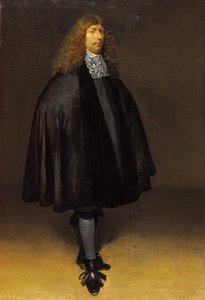
Gerard ter Borch
1617 - 1681 , Países Bajos
Datos clave
- Artistas Que Influyeron: ['Pieter de Molijn']
- Estilo Artístico: Pintura de género holandesa
- Fecha De Muerte: 8 de diciembre de 1681
- Fecha De Nacimiento: Diciembre 1617
- Influenciado A Artistas:
- Gabriel Metsu
- Gerrit Dou
- Eglon van der Neer
- Johannes Vermeer
- Lugar De Nacimiento: Zwolle, Países Bajos
- Nacionalidad: Neerlandés
- Nombre Completo: Gerard ter Borch
- Obras Notables:
- La carta
- Conversación galante
- Joven a caballo (1634)
- Llegada de Adrián Pauw en Münster
Artículos relacionados
Gerard ter Borch: Intimacy & Light in the Dutch Golden Age
Explore the captivating world of Gerard ter Borch, a master of Dutch Golden Age genre painting. Discover his intimate scenes, masterful light, and lasting influence on art history. Learn more at ArtsDot.

Reflejos de una Época Dorada: La Pintura Barroca Holandesa y la Innovación Cultural
Descubra la riqueza y el detalle de la pintura barroca holandesa del Siglo de Oro. Explore las obras maestras de Rembrandt, Vermeer y otros artistas clave. Análisis experto e historia cultural.

Los 10 Maestros del Siglo de Oro Holandés: Arte, Historia y Decoración Exclusiva
Descubre los 10 imprescindibles del Siglo de Oro Holandés: Rembrandt, Vermeer y más. Explora la historia, técnica y belleza de estos lienzos clásicos. Encuentra reproducciones de arte exclusivas para decorar tu hogar en .

La Luz y la República: Innovación Artística en el Siglo de Oro Neerlandés
Descubra la innovación artística del Siglo de Oro Neerlandés. Explore las obras maestras de Rembrandt y Vermeer, técnicas revolucionarias y el legado perdurable de este florecimiento cultural. ¡Sumérjase en la luz y la belleza!
Illuminating Realism: Exploring the Dutch Golden Age of Painting (1600-1700)
Explore the Dutch Golden Age of painting (1600-1700) with ArtsDot. Discover Rembrandt, Vermeer & other masters. Learn about techniques, history & find museum-quality reproductions.