 Ver en contexto
 Enviar
 Compartir
 Detalles

 Descargar
 Similares
 Radiografía
 Presentación de diapositivas
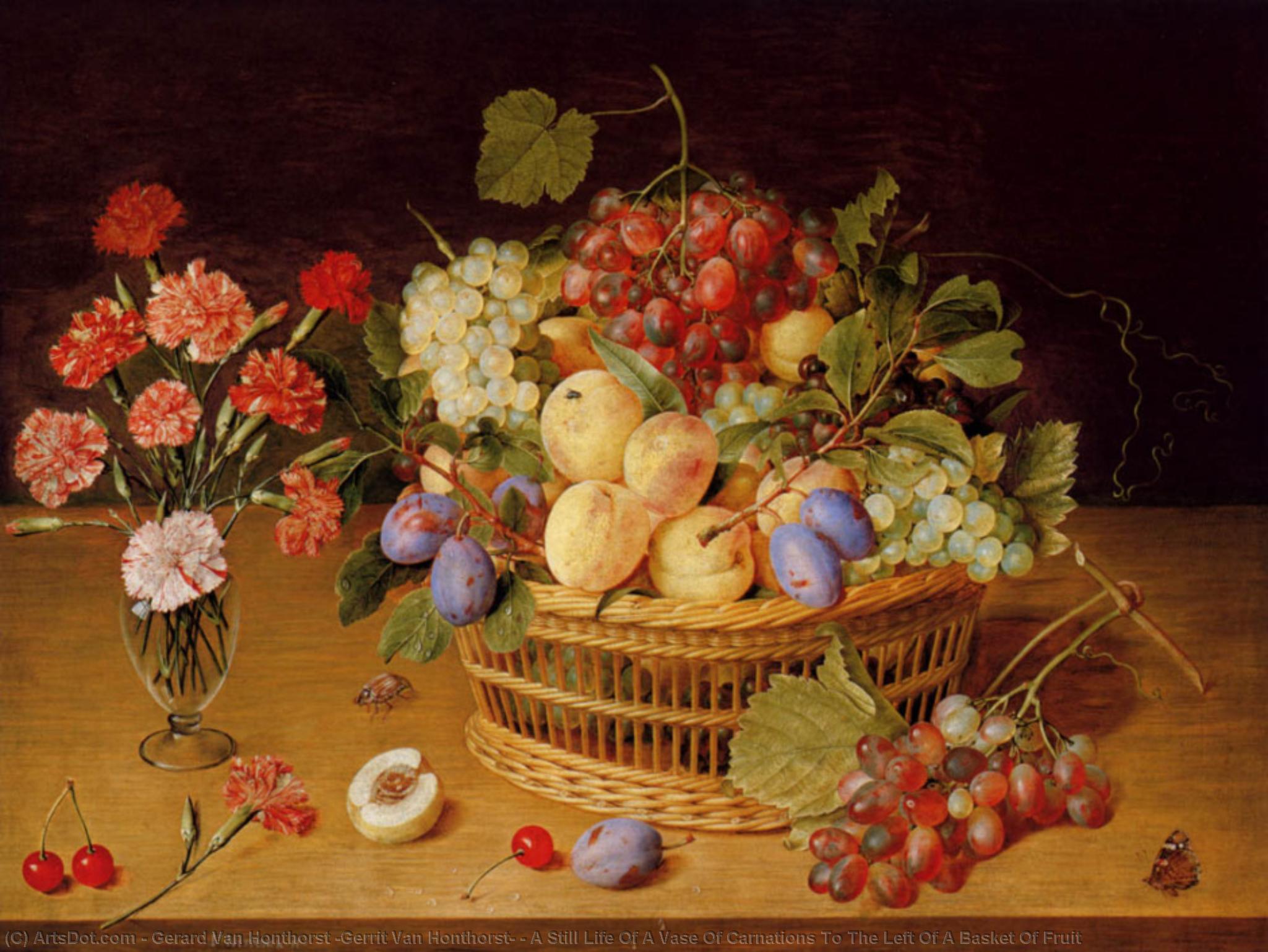
A Still Life Of A Vase Of Carnations To The Left Of A Basket Of Fruit

 Ver más
Reproducción al óleo hecha a mano
Óleo sobre lienzo pintado a mano en el tamaño y marco de su elección, realizado por encargo por nuestros artistas. ( Comprar impresión Comprar imagen)




































Elija entre nuestros tamaños predefinidos que respetan las proporciones originales de la obra.

Puede ingresar sus propias dimensiones para adaptarse a un marco o espacio específico. Si el tamaño seleccionado no coincide con las proporciones de la imagen original, recortaremos la obra o extenderemos la pintura con elementos adicionales pintados a mano. Se le enviará una maqueta digital para su aprobación antes de comenzar la producción.
Tenga en cuenta que la vista previa en pantalla no refleja el recorte o la extensión reales. Solo la maqueta mostrará con precisión la composición final.
Si bien existen tamaños personalizados, recomendamos seleccionar una dimensión de la lista predefinida para preservar las proporciones originales.
Tras realizar el pedido, el equipo de ArtsDot.com enviará un correo electrónico al cliente para solicitar instrucciones y proporcionarle una vista previa del boceto.
Envío a todo el mundo () en 3-4 semanas en lugar de las 5 semanas estándar. (28 agosto). Sin comprometer la calidad.

Envío exprés gratuito a todo el mundo

Lienzo de lino de alta calidad

Seguro de envío total

Garantía de reembolso de impuestos aduaneros

Garantía de fidelidad cromática exacta

Política de devolución de 60 días (solo por defectos)

Garantía de devolución del 100% del dinero

Descuento por cantidad
 La opción de vidrio solo está disponible en tamaños inferiores a 110 cm.

A Still Life Of A Vase Of Carnations To The Left Of A Basket Of Fruit
Técnica de reproducción
Dimensiones de la reproducción
-


Precio total final
$ 263
A Window Into Baroque Drama: Exploring Gerard van Honthorst’s “Still Life With Fruit and Flowers”
Gerard van Honthorst (1590 – 1656), born in Utrecht, Netherlands, stands as a cornerstone of the Dutch Golden Age, an artist whose dramatic flair and masterful manipulation of light and shadow cemented his place amongst the luminaries of his era. Initially apprenticed to his father, Abraham Bloemaert, Honthorst honed his draftsmanship skills under Bloemaert’s guidance, establishing a disciplined approach to artistic training – a foundation that would prove invaluable as he embarked on his transformative journey to Rome in 1617. This pilgrimage wasn't merely a quest for artistic inspiration; it was an immersion into the burgeoning Baroque movement, a stylistic revolution spearheaded by Caravaggio that irrevocably reshaped European art.The Influence of Caravaggio: Tenebrism and Emotional Intensity
It was during his Roman sojourn that Honthorst encountered Caravaggio’s revolutionary technique – tenebrism – a bold departure from prevailing artistic conventions. Caravaggio's canvases pulsed with dramatic illumination, employing stark contrasts between light and dark to heighten emotional impact and create an atmosphere of palpable tension. This approach profoundly resonated with Honthorst, who adopted tenebrism as his signature style, mirroring Caravaggio’s masterful use of chiaroscuro – the interplay of light and shadow – to sculpt form and convey profound psychological states. The resulting paintings are characterized by a captivating dynamism, capturing fleeting moments of emotion and inviting viewers into the artist's vision.Composition and Symbolism: An Ode to Abundance
“Still Life With Fruit and Flowers,” executed around 1630-35, exemplifies Honthorst’s compositional prowess and his penchant for incorporating symbolic elements. The painting depicts a lavish arrangement of fruit – grapes, apples, plums, cherries, oranges – nestled within a wicker basket alongside vibrant red flowers. These objects weren't chosen arbitrarily; they carried significant cultural connotations reflecting themes of fertility, prosperity, and the ephemeral beauty of nature. The inclusion of two vases—one on the left and one on the right—further reinforces this symbolic narrative, representing stability and harmony amidst the dynamism of the scene. Notably, a wine glass positioned centrally adds an element of refinement and suggests contemplation – inviting viewers to savor not only the visual splendor but also the underlying philosophical ideas.Historical Context: Rome and the Baroque Legacy
Honthorst’s artistic development coincided with the apex of the Roman Baroque, a period marked by papal patronage and an obsession with grandeur and theatricality. Caravaggio's influence extended far beyond mere stylistic imitation; it instilled in artists like Honthorst a belief in portraying human emotion with uncompromising honesty – a characteristic that distinguishes Baroque art from its predecessors. The painting reflects the broader artistic ethos of Rome during this era, demonstrating a commitment to capturing dramatic narratives and conveying profound psychological truths.Emotional Resonance: Capturing the Sublime
Ultimately, “Still Life With Fruit and Flowers” transcends mere visual representation; it aspires to evoke an emotional response in the viewer. Honthorst’s masterful use of tenebrism compels us to confront the sublime – that awe-inspiring experience of encountering something beyond human comprehension yet simultaneously accessible through sensory perception. The painting's luminous highlights illuminate the textures of fruit and flowers, drawing our gaze inward while simultaneously projecting a sense of grandeur outwards. It remains an enduring testament to Honthorst’s artistic vision—a captivating glimpse into the dramatic heart of Baroque art.Obras relacionadas
Biografía del artista
Primeros años y formación
Gerrit van Honthorst, un destacado pintor del Siglo de Oro neerlandés, nació el 4 de noviembre de 1590 en Utrecht, Países Bajos. Era hijo de un pintor decorativo y inicialmente se formó bajo la tutela de su padre. Posteriormente, continuó su educación artística con Abraham Bloemaert.Carrera e influencias
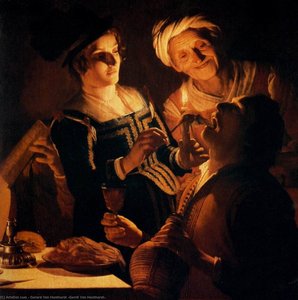
La carrera temprana de Van Honthorst incluyó una visita a Roma, donde fue fuertemente influenciado por el estilo de Caravaggio. Esta influencia es evidente en sus obras posteriores, particularmente en su uso de escenas iluminadas artificialmente, lo que le valió el apodo de "Gherardo delle Notti" o "Gerard de las noches". Tras su regreso a los Países Bajos, Van Honthorst se convirtió en un retratista líder.Patronazgo y encargos notables
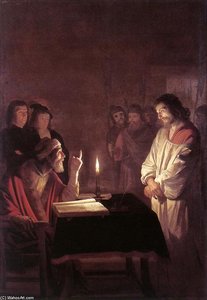
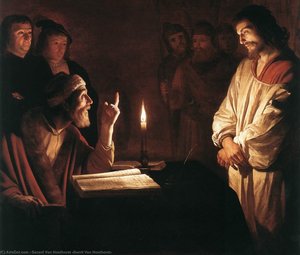
El trabajo de Van Honthorst tuvo una gran demanda, con notables patronos que incluyen a Vincenzo Giustiniani, quien lo encargó para pintar "Cristo ante el sumo sacerdote", ahora alojado en la National Gallery de Londres. También trabajó para Cosimo II de' Medici, Gran Duque de Toscana, y fue un favorito entre la República Neerlandesa y en el extranjero.Legado y vida posterior
En 1620, Van Honthorst regresó a Utrecht, donde construyó una considerable reputación. Para 1623, el año de su matrimonio, se había convertido en presidente del gremio de San Lucas en Utrecht. Su éxito llevó a recomendaciones por parte de Sir Dudley Carleton para el Conde de Arundel y Lord Dorchester.Obras clave y colaboraciones
- "La toma de Cristo", una obra colaborativa inicialmente atribuida a Van Honthorst, ahora reconocida como obra de otro artista.
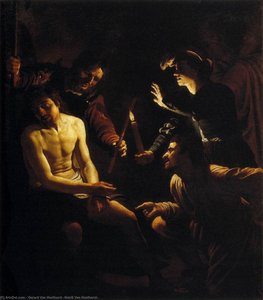
- "Cristo ante el sumo sacerdote", encargado por Vincenzo Giustiniani, muestra la habilidad de Van Honthorst para capturar escenas iluminadas artificialmente.
- Colaboraciones con otros artistas, como Peter Paul Rubens, demuestran su influencia en el estilo barroco flamenco.
Movimiento artístico y estilo
Van Honthorst formó parte del movimiento de los utrecht caravaggisti, caracterizado por su uso de una iluminación dramática y una profundidad emocional intensa. Su obra refleja la influencia del barroco italiano, al mismo tiempo que contribuye al desarrollo del Siglo de Oro neerlandés.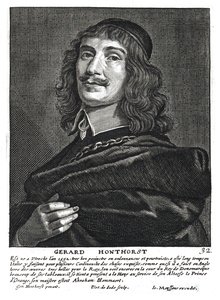
Gerard van Honthorst
1590 - 1656 , Países Bajos
Datos clave
- Artistas Influenciados:
- Rembrandt van Rijn
- Georges de la Tour
- Artistas Que Influyeron:
- Caravaggio
- Abraham Bloemaert
- Fecha De Nacimiento: 4 de noviembre de 1590
- Lugar De Nacimiento: Utrecht, Países Bajos
- Movimiento Artístico: Caravaggismo Utrechtano
- Nacionalidad: Neerlandés
- Nombre Completo: Gerard van Honthorst
- Obras Notables:
- Cristo ante el sumo sacerdote
- La toma de Cristo
- Escenas nocturnas iluminadas
Artículos relacionados

Barroco Sublime: 10 Obras Maestras que Definieron una Época |
Descubre las 10 obras maestras del Barroco que marcaron una época. Caravaggio, Bernini y Velázquez cobran vida en . Reproducciones de arte de calidad museo para decorar tu hogar con elegancia. ¡Explora la colección online!

Los 10 Maestros del Barroco Holandés: Obras que Definen una Época | ArtsDot
Descubre los 10 imprescindibles del Barroco holandés: Rembrandt, Vermeer y más. Explora la historia, técnica y belleza de estas obras maestras. Reproducciones de arte en ArtsDot.com para decorar tu hogar con elegancia.
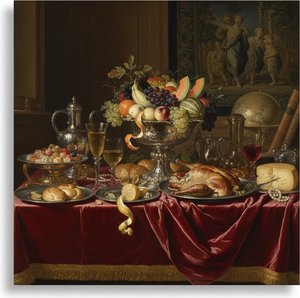
Abraham Hendricksz van Beyeren: Pioneering Dutch Still Life & the Banquet Tradition
Explore the captivating world of Dutch Golden Age still life with Abraham van Beyeren. Discover his innovative techniques, symbolic banquet scenes & lasting influence on art history. Learn about collecting these masterpieces.

Reflejos de una Época Dorada: La Pintura Barroca Holandesa y la Innovación Cultural
Descubra la riqueza y el detalle de la pintura barroca holandesa del Siglo de Oro. Explore las obras maestras de Rembrandt, Vermeer y otros artistas clave. Análisis experto e historia cultural.

The Dramatic Flourish: Exploring the Baroque Movement's Enduring Legacy in Art History
Explore the dramatic world of Baroque art! Discover iconic artists like Caravaggio & Rubens, defining techniques, and its lasting impact on art history. Expert insights for collectors & enthusiasts at ArtsDot.