

 Ver en contexto
 Enviar
 Compartir
 Detalles

 Descargar
 Similares
 Radiografía
 Presentación de diapositivas
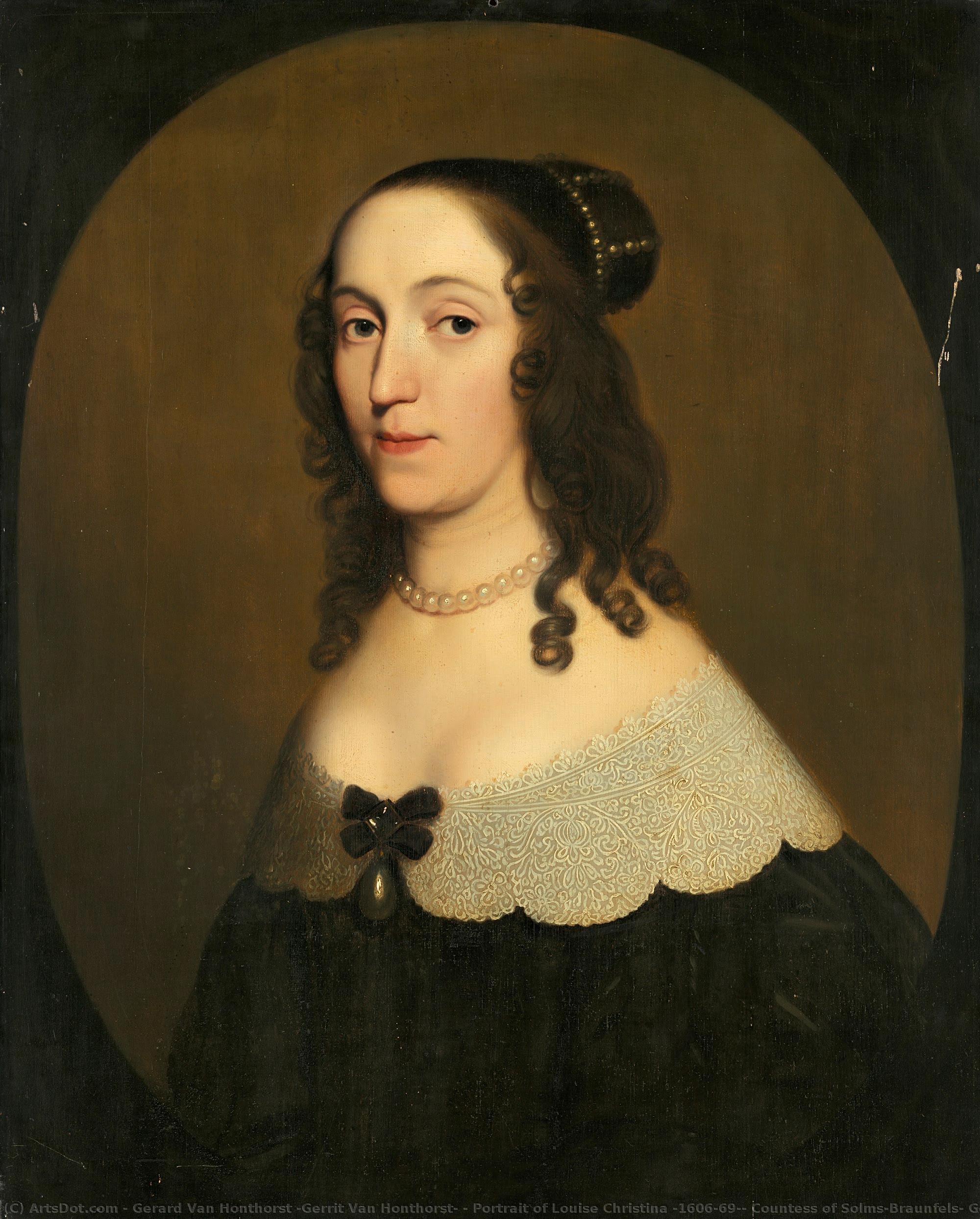
Portrait of Louise Christina (1606-69), Countess of Solms-Braunfels, Gerard van Honthorst (workshop of), in or after c. 1650
 Oil On Panel
- Baroque
 1650
1650- Early Modern
 74.0 x 59.0 cm
 Ver más
Adquiera una imagen digital de alta resolución y optimizada, muy superior a la vista previa en línea.
Cada archivo es preparado meticulosamente por nuestros especialistas internos mediante el uso de herramientas avanzadas y un experto retoque manual. Nos aseguramos de que cada imagen posea una claridad excepcional, una precisión cromática impecable y un detalle minucioso.
El archivo final se entrega por correo electrónico en un plazo de 72 horas, optimizado para su uso inmediato en entornos profesionales, editoriales y de impresión. Esta es la misma calidad en la que confían los estudios de diseño, las editoriales y las galerías de primer nivel.
Imagen Digital
Descarga un archivo de alta resolución para exhibición personal, impresión y proyectos creativos. ( Comprar impresión Comprar pintura hecha a mano)
Incluido en cada pedido de imágenes digitales
Entrega digital experta, garantizada.
Al elegir ArtsDot.com, no solo está adquiriendo una imagen; está recibiendo una obra de arte digital mejorada profesionalmente, elaborada con precisión y respaldada por una garantía de satisfacción. Esto es todo lo que incluye su pedido, automáticamente:

Entrega rápida por email
Recibirá su archivo de imagen digital en alta resolución por correo electrónico en un plazo de 72 horas tras realizar su pedido, listo para su uso inmediato.

Archivo digital optimizado por IA
Su obra de arte se optimiza profesionalmente mediante herramientas avanzadas de IA y edición manual, garantizando el máximo detalle, claridad y precisión cromática.

Reenvío gratuito de por vida
¿Has borrado o perdido tu archivo por error? No te preocupes: te lo volveremos a enviar en cualquier momento, sin coste adicional.

Sin gastos de importación, siempre
Disfrute de su obra de arte al instante sin aduanas, aranceles ni gastos de envío; las descargas digitales siempre están libres de impuestos.

Garantía de fidelidad de color
Garantizamos que su imagen digital refleje los colores originales con la mayor fidelidad posible, mediante el uso de herramientas profesionales y gestión del color.

Garantía de satisfacción de 60 días
Si no está satisfecho con su imagen digital, la revisaremos o le reembolsaremos el 100% en un plazo de 60 días, sin preguntas.

100% Garantía de devolución de dinero
¿No está satisfecho? Obtenga un reembolso completo dentro de los 60 días posteriores a la recepción de su archivo digital, sin necesidad de explicaciones.

Descuentos por pedidos grandes
Compra 3 imágenes, ahorra 10% - Compra 5, ahorra 15% - Compra 10+, ahorra 20%. Ideal para proyectos creativos, galerías y agencias.
A Glimpse into the Dutch Golden Age
In the soft, flickering light of the seventeenth century, certain portraits were destined to transcend mere likeness, becoming vessels of status, lineage, and enduring grace. The Portrait of Louise Christina, Countess of Solms-Braunfels, emerging from the prolific workshop of Gerard van Honthorst, is one such masterpiece. This oil on panel, dating to or after 1650, captures a woman of profound nobility, her presence commanding yet serene. As a sister to the influential Amalia van Solms, Louise Christina occupied a central position in the Dutch political and social landscape. The painting serves not only as a personal tribute but as a window into an era where every pearl, every fold of black silk, and every subtle shadow whispered stories of power and prestige.
The artistry behind this work reflects the masterful influence of the Utrecht Caravaggisti style. While Honthorst was famously dubbed Gherardo delle Notti—Gerard of the Nights—for his dramatic use of tenebrism, this portrait showcases a more refined, courtly application of light. The illumination gently graces the sitter’s face and the luminous luster of her pearls, creating a sense of three-dimensional depth that draws the viewer into her private world. Though scholars suggest this piece may be a studio replica of a lost prototype, the execution remains breathtaking, possessing a tactile quality that makes the textures of lace and skin feel almost tangible to the touch.
Symbolism and the Language of Elegance
Every element within this composition has been meticulously placed to communicate the sitter's high station. The deep, midnight black of her attire is not merely a color choice but a profound statement of wealth; in the seventeenth century, achieving such a rich, consistent black dye was an expensive feat of textile artistry. This somber elegance provides the perfect canvas for the brilliant white of her pearls, which drape around her neck like frozen droplets of light. These pearls symbolize purity and virtue, qualities highly esteemed in the portraiture of noblewomen of the era.
The delicate bow nestled in her long, flowing hair adds a touch of soft femininity to the structured formality of her dress. While historians note slight variations between this painting and contemporary engravings by Cornelis Visscher, these nuances highlight the unique character of this specific panel. The interplay between the dark background and the brightly lit features creates an emotional intimacy, inviting collectors and art enthusiasts to contemplate the silent dignity of a woman who lived through one of history's most transformative centuries.
An Inspiration for Sophisticated Interiors
For the discerning collector or interior designer, a high-quality reproduction of this Honthorst workshop piece offers more than just decoration; it provides an anchor of historical gravity. The painting’s palette—dominated by deep blacks, creamy whites, and warm skin tones—is remarkably versatile, making it a sublime addition to a variety of sophisticated settings. It finds its perfect home in a classic study lined with leather-bound books, or as a dramatic focal point in a contemporary room that utilizes minimalist textures to let the artwork's historical drama shine.
Integrating such a piece into a modern space allows for a dialogue between the past and the present. The portrait’s ability to evoke a sense of quiet luxury and timelessness makes it an ideal choice for those looking to infuse their environment with character and soul. Whether displayed in a gallery-style hallway or as a centerpiece in a formal dining room, this reproduction brings the luminous spirit of the Dutch Golden Age into the modern home, offering a daily encounter with the sublime beauty of the Baroque era.
Obras relacionadas



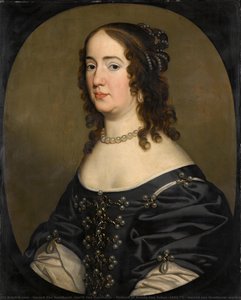
Biografía del artista
Primeros años y formación
Gerrit van Honthorst, un destacado pintor del Siglo de Oro neerlandés, nació el 4 de noviembre de 1590 en Utrecht, Países Bajos. Era hijo de un pintor decorativo y inicialmente se formó bajo la tutela de su padre. Posteriormente, continuó su educación artística con Abraham Bloemaert.Carrera e influencias
La carrera temprana de Van Honthorst incluyó una visita a Roma, donde fue fuertemente influenciado por el estilo de Caravaggio. Esta influencia es evidente en sus obras posteriores, particularmente en su uso de escenas iluminadas artificialmente, lo que le valió el apodo de "Gherardo delle Notti" o "Gerard de las noches". Tras su regreso a los Países Bajos, Van Honthorst se convirtió en un retratista líder.Patronazgo y encargos notables
El trabajo de Van Honthorst tuvo una gran demanda, con notables patronos que incluyen a Vincenzo Giustiniani, quien lo encargó para pintar "Cristo ante el sumo sacerdote", ahora alojado en la National Gallery de Londres. También trabajó para Cosimo II de' Medici, Gran Duque de Toscana, y fue un favorito entre la República Neerlandesa y en el extranjero.Legado y vida posterior
En 1620, Van Honthorst regresó a Utrecht, donde construyó una considerable reputación. Para 1623, el año de su matrimonio, se había convertido en presidente del gremio de San Lucas en Utrecht. Su éxito llevó a recomendaciones por parte de Sir Dudley Carleton para el Conde de Arundel y Lord Dorchester.Obras clave y colaboraciones
- "La toma de Cristo", una obra colaborativa inicialmente atribuida a Van Honthorst, ahora reconocida como obra de otro artista.
- "Cristo ante el sumo sacerdote", encargado por Vincenzo Giustiniani, muestra la habilidad de Van Honthorst para capturar escenas iluminadas artificialmente.
- Colaboraciones con otros artistas, como Peter Paul Rubens, demuestran su influencia en el estilo barroco flamenco.
Movimiento artístico y estilo
Van Honthorst formó parte del movimiento de los utrecht caravaggisti, caracterizado por su uso de una iluminación dramática y una profundidad emocional intensa. Su obra refleja la influencia del barroco italiano, al mismo tiempo que contribuye al desarrollo del Siglo de Oro neerlandés.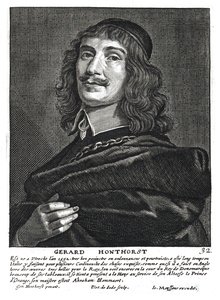
Gerard van Honthorst
1590 - 1656 , Países Bajos
Breves datos
- Artistas Influenciados:
- Rembrandt van Rijn
- Georges de la Tour
- Artistas Que Influyeron:
- Caravaggio
- Abraham Bloemaert
- Fecha De Nacimiento: 4 de noviembre de 1590
- Lugar De Nacimiento: Utrecht, Países Bajos
- Movimiento Artístico: Caravaggismo Utrechtano
- Nacionalidad: Neerlandés
- Nombre Completo: Gerard van Honthorst
- Obras Notables:
- Cristo ante el sumo sacerdote
- La toma de Cristo
- Escenas nocturnas iluminadas

