 Ver en contexto
 Enviar
 Compartir
 Detalles

 Descargar
 Similares
 Radiografía
 Presentación de diapositivas
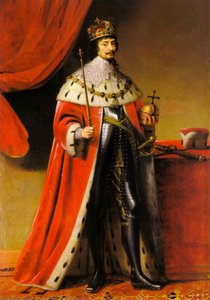
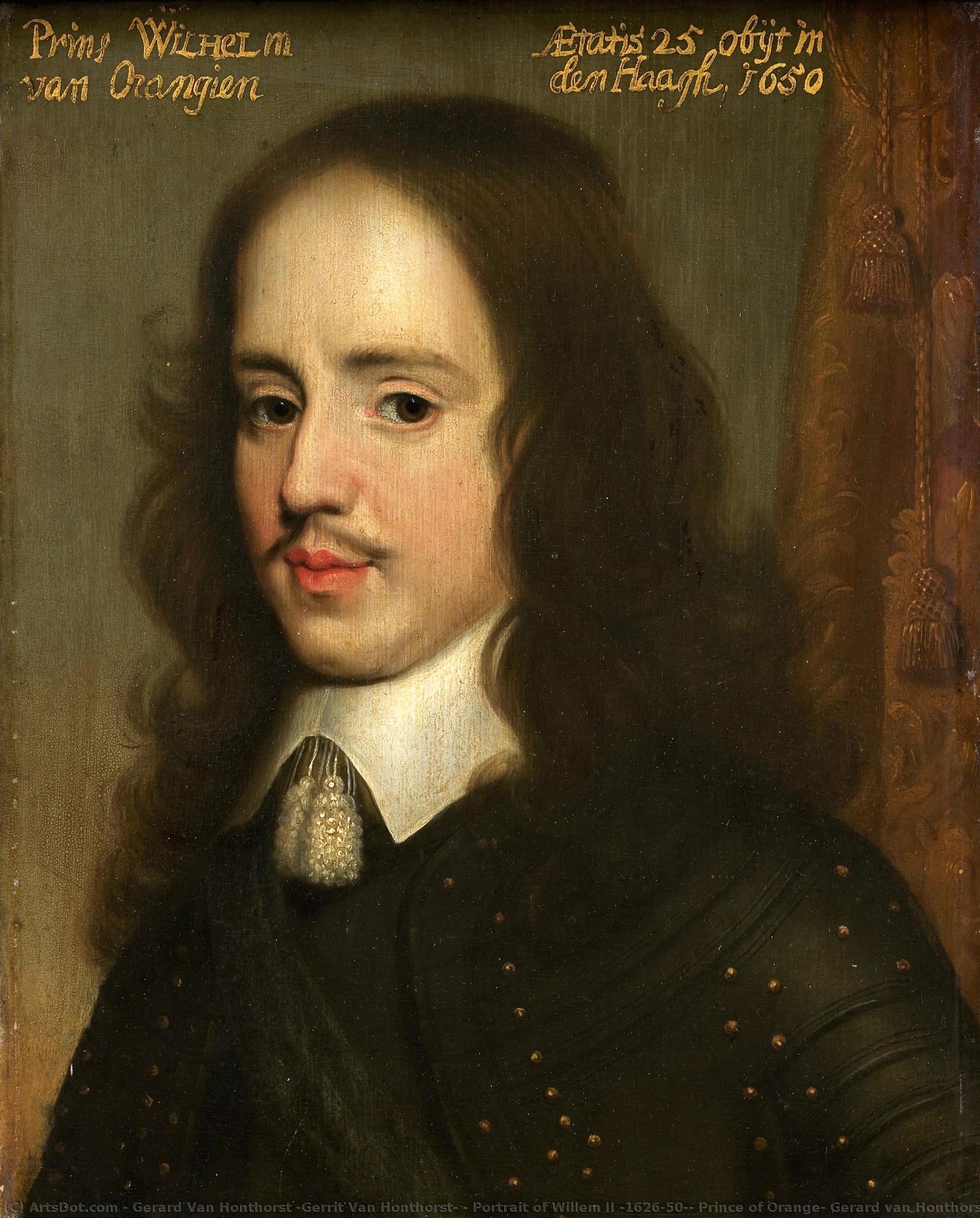
Portrait of Willem II (1626-50), Prince of Orange, Gerard van Honthorst (workshop of), c. 1653
 Acrylic On Canvas
- WallArt
- Baroque
 1653
1653 30.0 x 24.0 cm
 Ver más
Reproducción al óleo hecha a mano
Óleo sobre lienzo pintado a mano en el tamaño y marco de su elección, realizado por encargo por nuestros artistas. ( Comprar impresión Comprar imagen)




P118B $10

P118H $10

P118W $10

P438Z $10

P508JH $12

P508YH $12

P805H $10

P805Z $10

P919BZ $10

P919G $10

P919XJ $10

P959ZH $10

P968JZ $12

W106C $8

W218G $10

W218JH $8

W218Y $10

W307PJ $10

W316G $10

W316PJ $8

W316Y $10

W398PJ $8

W4111J $10

W500HY $15

W500JH $15

W692G $12

W849H $8

W940BG $15

W953PJ $8




Elija entre nuestros tamaños predefinidos que respetan las proporciones originales de la obra.

Puede ingresar sus propias dimensiones para adaptarse a un marco o espacio específico. Si el tamaño seleccionado no coincide con las proporciones de la imagen original, recortaremos la obra o extenderemos la pintura con elementos adicionales pintados a mano. Se le enviará una maqueta digital para su aprobación antes de comenzar la producción.
Tenga en cuenta que la vista previa en pantalla no refleja el recorte o la extensión reales. Solo la maqueta mostrará con precisión la composición final.
Si bien existen tamaños personalizados, recomendamos seleccionar una dimensión de la lista predefinida para preservar las proporciones originales.
Tras realizar el pedido, el equipo de ArtsDot.com enviará un correo electrónico al cliente para solicitar instrucciones y proporcionarle una vista previa del boceto.
Envío a todo el mundo () en 3-4 semanas en lugar de las 5 semanas estándar. (5 septiembre). Sin comprometer la calidad.

Envío exprés gratuito a todo el mundo

Lienzo de lino de alta calidad

Seguro de envío total

Garantía de reembolso de impuestos aduaneros

Garantía de fidelidad cromática exacta

Política de devolución de 60 días (solo por defectos)

Garantía de devolución del 100% del dinero

Descuento por cantidad
 La opción de vidrio solo está disponible en tamaños inferiores a 110 cm.

Portrait of Willem II (1626-50), Prince of Orange, Gerard van Honthorst (workshop of), c. 1653
Técnica de reproducción
Dimensiones de la reproducción
-


Precio total final
$ 263
A Masterpiece Illuminated: Exploring Gerard van Honthorst’s Portrait of Willem II
The Dutch Golden Age witnessed an unparalleled flourishing of artistic innovation, fueled by patronage and driven by a desire to capture the grandeur of its era. Among the luminaries who graced this period was Gerard van Honthorst (1590-1656), a painter whose distinctive style—characterized by masterful manipulation of light and shadow—continues to captivate audiences today. This essay delves into the intricacies of his “Portrait of Willem II,” examining its artistic merits, historical significance, and enduring emotional resonance.- Subject Matter & Context: The portrait depicts Willem II (1626-50), Prince of Orange—a pivotal figure in Dutch history who championed Protestant ideals during a turbulent period marked by religious conflict with Spain. Honthorst’s depiction aligns seamlessly with the broader “Leeuwarden Series,” commissioned to commemorate members of the House of Nassau, reflecting the prevailing artistic preoccupation with royal iconography.
- Style & Technique: Honthorst's signature style—rooted in Roman Baroque influences—embraces tenebrism, a technique pioneered by Caravaggio. This dramatic approach employs stark contrasts between illumination and darkness to heighten emotional impact and sculpt form with remarkable precision. The meticulous rendering of Willem’s attire—a black jacket adorned with intricate embroidery—underscores the artist's commitment to realism.
Symbolism & Artistic Innovation: Caravaggio’s Legacy
Honthorst’s debt to Caravaggio is undeniable. Like Caravaggio, he eschewed idealized representations in favor of portraying subjects with unflinching honesty—a bold decision that challenged artistic conventions of the time. The use of chiaroscuro—the interplay between light and dark—mirrors Caravaggio's masterful technique, creating a palpable sense of drama and conveying psychological depth. Willem II’s gaze directs towards the viewer, establishing an intimate connection and inviting contemplation.
- Color Palette: The subdued color palette—dominated by earthy tones—contributes to the portrait’s solemn atmosphere. However, subtle highlights illuminate Willem's face and attire, drawing attention to key features and emphasizing his regal bearing.
- Composition & Perspective: Honthorst employs a pyramidal composition, positioning Willem II centrally within the frame—a compositional device commonly utilized during the Baroque period. The artist skillfully utilizes perspective to create depth and dimension, enhancing the illusion of realism.
Emotional Impact & Enduring Appeal
Beyond its technical brilliance, “Portrait of Willem II” possesses a profound emotional impact—capturing not merely Willem II’s physical likeness but also his inner character. The artist's masterful portrayal conveys dignity, resolve, and unwavering conviction—qualities that resonate powerfully with viewers across centuries. It serves as a testament to Honthorst’s artistic vision and his ability to transform historical figures into enduring symbols of courage and leadership.
Conclusion: A Legacy Illuminated
Gerard van Honthorst's “Portrait of Willem II” stands as an exemplar of Baroque artistry—a masterpiece illuminated by Caravaggio’s influence and imbued with symbolic richness. Its meticulous technique, dramatic composition, and evocative emotional impact solidify its place among the finest achievements of the Dutch Golden Age—inspiring admiration and continuing to captivate collectors and art enthusiasts alike.
Obras relacionadas

Biografía del artista
Primeros años y formación
Gerrit van Honthorst, un destacado pintor del Siglo de Oro neerlandés, nació el 4 de noviembre de 1590 en Utrecht, Países Bajos. Era hijo de un pintor decorativo y inicialmente se formó bajo la tutela de su padre. Posteriormente, continuó su educación artística con Abraham Bloemaert.Carrera e influencias
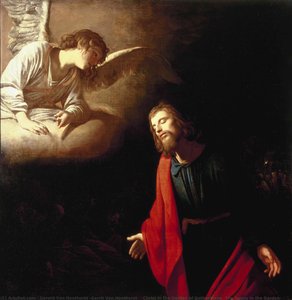
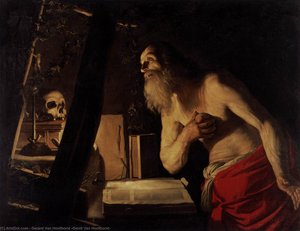
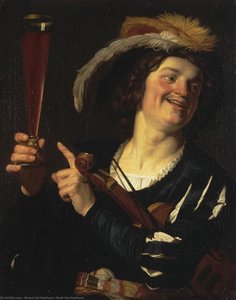
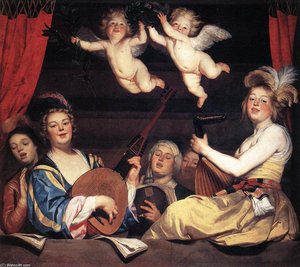
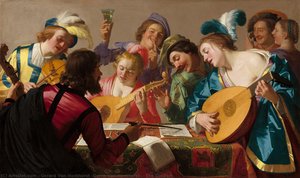
La carrera temprana de Van Honthorst incluyó una visita a Roma, donde fue fuertemente influenciado por el estilo de Caravaggio. Esta influencia es evidente en sus obras posteriores, particularmente en su uso de escenas iluminadas artificialmente, lo que le valió el apodo de "Gherardo delle Notti" o "Gerard de las noches". Tras su regreso a los Países Bajos, Van Honthorst se convirtió en un retratista líder.Patronazgo y encargos notables
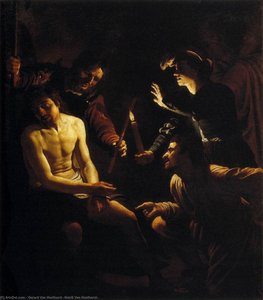
El trabajo de Van Honthorst tuvo una gran demanda, con notables patronos que incluyen a Vincenzo Giustiniani, quien lo encargó para pintar "Cristo ante el sumo sacerdote", ahora alojado en la National Gallery de Londres. También trabajó para Cosimo II de' Medici, Gran Duque de Toscana, y fue un favorito entre la República Neerlandesa y en el extranjero.Legado y vida posterior
En 1620, Van Honthorst regresó a Utrecht, donde construyó una considerable reputación. Para 1623, el año de su matrimonio, se había convertido en presidente del gremio de San Lucas en Utrecht. Su éxito llevó a recomendaciones por parte de Sir Dudley Carleton para el Conde de Arundel y Lord Dorchester.Obras clave y colaboraciones
- "La toma de Cristo", una obra colaborativa inicialmente atribuida a Van Honthorst, ahora reconocida como obra de otro artista.
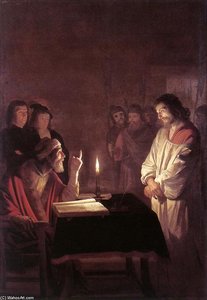
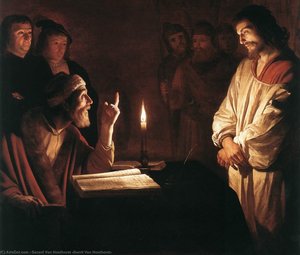
- "Cristo ante el sumo sacerdote", encargado por Vincenzo Giustiniani, muestra la habilidad de Van Honthorst para capturar escenas iluminadas artificialmente.
- Colaboraciones con otros artistas, como Peter Paul Rubens, demuestran su influencia en el estilo barroco flamenco.
Movimiento artístico y estilo
Van Honthorst formó parte del movimiento de los utrecht caravaggisti, caracterizado por su uso de una iluminación dramática y una profundidad emocional intensa. Su obra refleja la influencia del barroco italiano, al mismo tiempo que contribuye al desarrollo del Siglo de Oro neerlandés.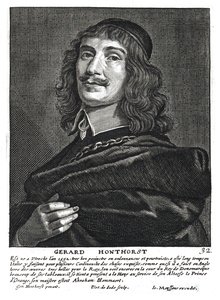
Gerard van Honthorst
1590 - 1656 , Países Bajos
Datos clave
- Artistas Influenciados:
- Rembrandt van Rijn
- Georges de la Tour
- Artistas Que Influyeron:
- Caravaggio
- Abraham Bloemaert
- Fecha De Nacimiento: 4 de noviembre de 1590
- Lugar De Nacimiento: Utrecht, Países Bajos
- Movimiento Artístico: Caravaggismo Utrechtano
- Nacionalidad: Neerlandés
- Nombre Completo: Gerard van Honthorst
- Obras Notables:
- Cristo ante el sumo sacerdote
- La toma de Cristo
- Escenas nocturnas iluminadas
Artículos relacionados
Gerard van Honthorst: Illuminating the Dutch Golden Age with Caravaggism & Courtly Grace
Explore the captivating world of Gerard van Honthorst, a Dutch Golden Age master renowned for his dramatic chiaroscuro & courtly portraits. Discover his life, art, and lasting influence on Baroque painting.

Los 10 Maestros del Barroco Holandés: Obras que Definen una Época | ArtsDot
Descubre los 10 imprescindibles del Barroco holandés: Rembrandt, Vermeer y más. Explora la historia, técnica y belleza de estas obras maestras. Reproducciones de arte en ArtsDot.com para decorar tu hogar con elegancia.

Rembrandt van Rijn: Las 25 Obras Maestras que Definen un Genio | Arte, Historia y Decoración
Descubre las 25 obras maestras de Rembrandt van Rijn, el genio del barroco holandés. Explora su historia, técnica y simbolismo en retratos icónicos como 'La Ronda Nocturna'. Encuentra reproducciones de arte exclusivas para decorar tu hogar con ArtsDot.com.

Reflejos de una Época Dorada: La Pintura Barroca Holandesa y la Innovación Cultural
Descubra la riqueza y el detalle de la pintura barroca holandesa del Siglo de Oro. Explore las obras maestras de Rembrandt, Vermeer y otros artistas clave. Análisis experto e historia cultural.
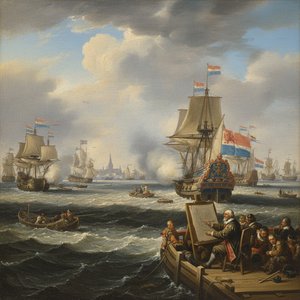
Willem van de Velde the Elder: Master of Maritime Painting & Chronicler of the Dutch Golden Age
Discover the captivating maritime paintings of Willem van de Velde the Elder, a master chronicler of the Dutch Golden Age. Explore his unparalleled realism and lasting influence on naval art history.