

 Vista previa
 Compartir
 Compartir
 Ver detalles

 Descargar
 Ver similares
 Radiografía
 Presentación de diapositivas
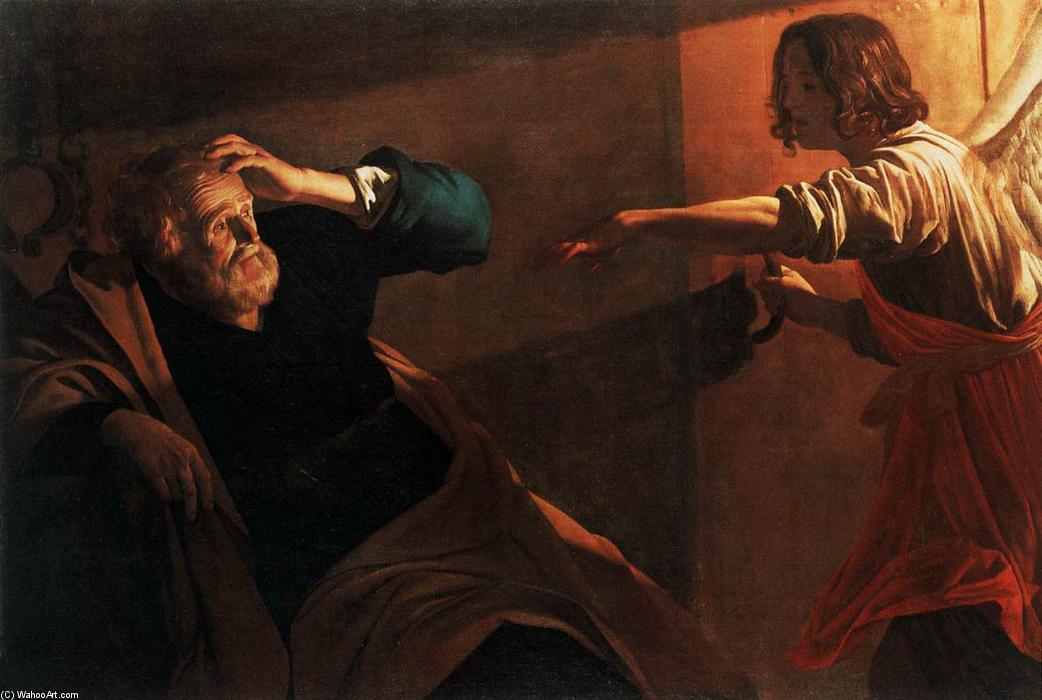
The Liberation of St Peter
 Oil On Canvas
- WallArt
- Baroque
 1616
1616 129.0 x 179.0 cm
 Staatliche Museen zu Berlin
 Leer más
Adquiera una imagen digital de alta resolución y optimizada, muy superior a la vista previa en línea.
Cada archivo es preparado meticulosamente por nuestros especialistas internos mediante el uso de herramientas avanzadas y un experto retoque manual. Nos aseguramos de que cada imagen posea una claridad excepcional, una precisión cromática impecable y un detalle minucioso.
El archivo final se entrega por correo electrónico en un plazo de 72 horas, optimizado para su uso inmediato en entornos profesionales, editoriales y de impresión. Esta es la misma calidad en la que confían los estudios de diseño, las editoriales y las galerías de primer nivel.
Imagen Digital
Descarga un archivo de alta resolución para exhibición personal, impresión y proyectos creativos. ( Pedir impresión Encargar reproducción pintada a mano)
Incluido en cada compra de imágenes digitales
Entrega digital experta, garantizada.
Al elegir ArtsDot.com, no solo está adquiriendo una imagen; está recibiendo una obra de arte digital mejorada profesionalmente, elaborada con precisión y respaldada por una garantía de satisfacción. Esto es todo lo que incluye su pedido, automáticamente:

Entrega rápida por email
Recibirá su archivo de imagen digital en alta resolución por correo electrónico en un plazo de 72 horas tras realizar su pedido, listo para su uso inmediato.

Archivo digital optimizado por IA
Su obra de arte se optimiza profesionalmente mediante herramientas avanzadas de IA y edición manual, garantizando el máximo detalle, claridad y precisión cromática.

Reenvío gratuito de por vida
¿Has borrado o perdido tu archivo por error? No te preocupes: te lo volveremos a enviar en cualquier momento, sin coste adicional.

Sin gastos de importación, siempre
Disfrute de su obra de arte al instante sin aduanas, aranceles ni gastos de envío; las descargas digitales siempre están libres de impuestos.

Garantía de precisión de color
Garantizamos que su imagen digital refleje los colores originales con la mayor fidelidad posible, mediante el uso de herramientas profesionales y gestión del color.

Garantía de satisfacción de 60 días
Si no está satisfecho con su imagen digital, la revisaremos o le reembolsaremos el 100% en un plazo de 60 días, sin preguntas.

100% Garantía de devolución de dinero
¿No está satisfecho? Obtenga un reembolso completo dentro de los 60 días posteriores a la recepción de su archivo digital, sin necesidad de explicaciones.

Descuentos por volumen
Compra 3 imágenes, ahorra 10% - Compra 5, ahorra 15% - Compra 10+, ahorra 20%. Ideal para proyectos creativos, galerías y agencias.
Descripción del coleccionable
The Liberation of St Peter: A Baroque Drama of Light and Faith
Gerrit van Honthorst’s “The Liberation of St Peter,” painted in 1616, is not merely a biblical scene; it's a visceral embodiment of spiritual awakening rendered with the dramatic intensity that defined the Utrecht Caravaggisti school. This arresting work transcends its historical subject matter to become a profound meditation on faith, vulnerability, and divine intervention – a cornerstone of Honthorst’s signature style and a testament to his masterful command of light and shadow.
The painting depicts a pivotal moment from the Acts of the Apostles: the miraculous release of St. Peter from imprisonment under King Herod. Rather than presenting a straightforward narrative, Honthorst plunges us directly into the heart of the event, focusing on the immediate interaction between the aged, despairing Peter and the youthful angel extending his hand. The setting is deliberately ambiguous – a dimly lit chamber, perhaps a bedchamber, hinting at a private, intensely personal experience. Architectural details are present in the background, providing context without distracting from the central drama.
A Masterclass in Caravaggist Technique
Honthorst’s debt to Caravaggio is undeniable, yet he doesn't simply imitate; he adapts and transforms the master’s techniques into his own unique vision. The most striking element of the painting is its use of *tenebrism*, a dramatic contrast between light and dark that dominates the composition. A powerful, unseen light source floods the scene from above and to the right, sculpting the figures with sharp highlights and casting deep, enveloping shadows. This chiaroscuro isn’t merely an aesthetic choice; it serves to heighten the emotional impact of the scene, emphasizing Peter's anguish and the angel’s benevolent grace.
The artist employs *impasto* brushwork – thick, textured strokes that build up layers of paint – particularly noticeable in the drapery and the figures themselves. This technique creates a palpable sense of volume and depth, lending the scene a remarkable tactile quality. The colors are predominantly warm – rich reds, golds, and browns – punctuated by cooler highlights that draw attention to Peter’s face and the angel's luminous form. The composition itself follows a pyramidal structure, anchoring the scene around the figures and creating a sense of stability amidst the dramatic action.
Symbolism and Emotional Resonance
Beyond its technical brilliance, “The Liberation of St Peter” is rich in symbolic meaning. The aged Peter, slumped over and clutching his head, embodies human vulnerability, suffering, and despair – a potent representation of the challenges inherent in faith. The angel, youthful and radiant, represents divine grace, compassion, and intervention. The act of extending a hand signifies not just rescue but also hope and renewal.
Furthermore, the setting itself is laden with symbolism. The dimly lit chamber suggests a moment of profound introspection and spiritual struggle. The fact that the scene unfolds within a private space underscores the intensely personal nature of Peter’s experience – a reminder that faith often begins in moments of darkness and uncertainty. The lute, subtly included in the composition, adds another layer of meaning, referencing both earthly pleasures and the temptations that can distract from divine devotion.
A Legacy of Dramatic Light
“The Liberation of St Peter” is a captivating work that exemplifies Honthorst’s artistic genius. It's a powerful testament to his ability to translate complex theological themes into visually arresting imagery, blending technical mastery with profound emotional resonance. Reproductions of this masterpiece capture the drama and intensity of the original, offering a glimpse into the heart of the Baroque era and the enduring power of faith and divine intervention. Its continued appeal lies in its timeless depiction of human vulnerability and the transformative potential of grace.
Obras relacionadas

Biografía del artista
Primeros años y formación
Gerrit van Honthorst, un destacado pintor del Siglo de Oro neerlandés, nació el 4 de noviembre de 1590 en Utrecht, Países Bajos. Era hijo de un pintor decorativo y inicialmente se formó bajo la tutela de su padre. Posteriormente, continuó su educación artística con Abraham Bloemaert.Carrera e influencias
La carrera temprana de Van Honthorst incluyó una visita a Roma, donde fue fuertemente influenciado por el estilo de Caravaggio. Esta influencia es evidente en sus obras posteriores, particularmente en su uso de escenas iluminadas artificialmente, lo que le valió el apodo de "Gherardo delle Notti" o "Gerard de las noches". Tras su regreso a los Países Bajos, Van Honthorst se convirtió en un retratista líder.Patronazgo y encargos notables
El trabajo de Van Honthorst tuvo una gran demanda, con notables patronos que incluyen a Vincenzo Giustiniani, quien lo encargó para pintar "Cristo ante el sumo sacerdote", ahora alojado en la National Gallery de Londres. También trabajó para Cosimo II de' Medici, Gran Duque de Toscana, y fue un favorito entre la República Neerlandesa y en el extranjero.Legado y vida posterior
En 1620, Van Honthorst regresó a Utrecht, donde construyó una considerable reputación. Para 1623, el año de su matrimonio, se había convertido en presidente del gremio de San Lucas en Utrecht. Su éxito llevó a recomendaciones por parte de Sir Dudley Carleton para el Conde de Arundel y Lord Dorchester.Obras clave y colaboraciones
- "La toma de Cristo", una obra colaborativa inicialmente atribuida a Van Honthorst, ahora reconocida como obra de otro artista.
- "Cristo ante el sumo sacerdote", encargado por Vincenzo Giustiniani, muestra la habilidad de Van Honthorst para capturar escenas iluminadas artificialmente.
- Colaboraciones con otros artistas, como Peter Paul Rubens, demuestran su influencia en el estilo barroco flamenco.
Movimiento artístico y estilo
Van Honthorst formó parte del movimiento de los utrecht caravaggisti, caracterizado por su uso de una iluminación dramática y una profundidad emocional intensa. Su obra refleja la influencia del barroco italiano, al mismo tiempo que contribuye al desarrollo del Siglo de Oro neerlandés.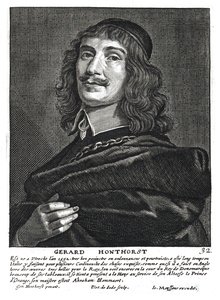
Gerard van Honthorst
1590 - 1656 , Países Bajos
Datos clave
- Artistas Influenciados:
- Rembrandt van Rijn
- Georges de la Tour
- Artistas Que Influyeron:
- Caravaggio
- Abraham Bloemaert
- Fecha De Nacimiento: 4 de noviembre de 1590
- Lugar De Nacimiento: Utrecht, Países Bajos
- Movimiento Artístico: Caravaggismo Utrechtano
- Nacionalidad: Neerlandés
- Nombre Completo: Gerard van Honthorst
- Obras Notables:
- Cristo ante el sumo sacerdote
- La toma de Cristo
- Escenas nocturnas iluminadas

