

 Ver en contexto
 Enviar
 Compartir
 Detalles

 Descargar
 Similares
 Radiografía
 Presentación de diapositivas
 Estadísticas
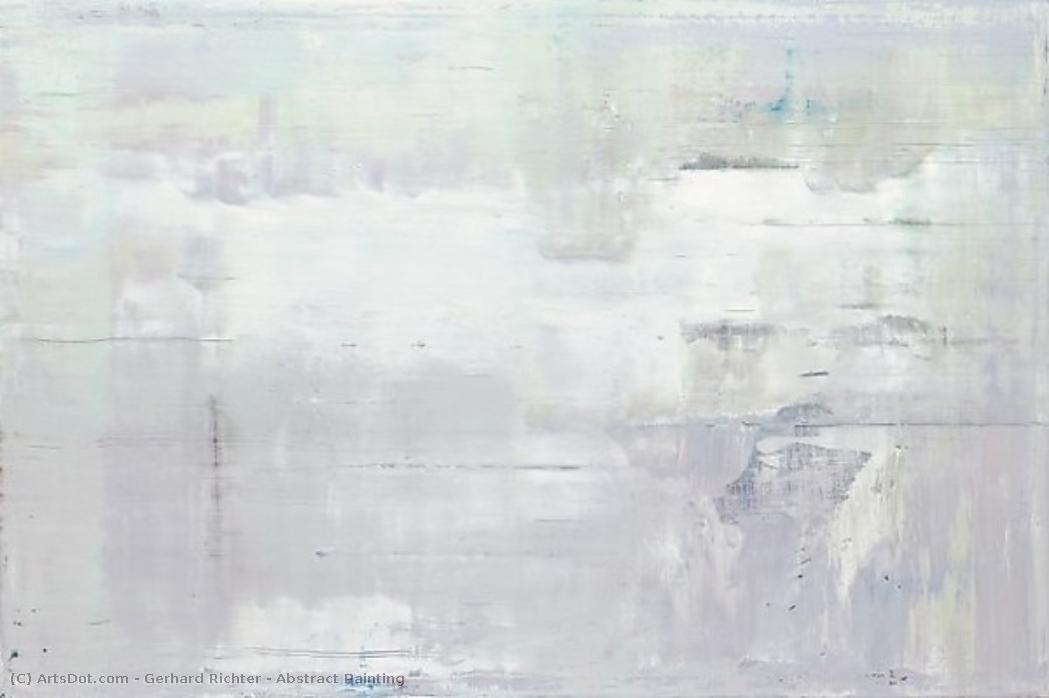
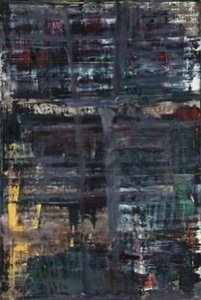
Abstract Painting
 Acrylic On Canvas
- WallArt
- Abstract Expressionism
 2009
2009 200.0 x 300.0 cm
 Ver más
Adquiera una imagen digital de alta resolución y optimizada, muy superior a la vista previa en línea.
Cada archivo es preparado meticulosamente por nuestros especialistas internos mediante el uso de herramientas avanzadas y un experto retoque manual. Nos aseguramos de que cada imagen posea una claridad excepcional, una precisión cromática impecable y un detalle minucioso.
El archivo final se entrega por correo electrónico en un plazo de 72 horas, optimizado para su uso inmediato en entornos profesionales, editoriales y de impresión. Esta es la misma calidad en la que confían los estudios de diseño, las editoriales y las galerías de primer nivel.
Imagen Digital
Descarga un archivo de alta resolución para exhibición personal, impresión y proyectos creativos. ( Cambiar a Impresión Comprar pintura hecha a mano)
Incluido en cada pedido de imágenes digitales
Entrega digital experta, garantizada.
Al elegir ArtsDot.com, no solo está adquiriendo una imagen; está recibiendo una obra de arte digital mejorada profesionalmente, elaborada con precisión y respaldada por una garantía de satisfacción. Esto es todo lo que incluye su pedido, automáticamente:

Entrega rápida por email
Recibirá su archivo de imagen digital en alta resolución por correo electrónico en un plazo de 72 horas tras realizar su pedido, listo para su uso inmediato.

Archivo digital optimizado por IA
Su obra de arte se optimiza profesionalmente mediante herramientas avanzadas de IA y edición manual, garantizando el máximo detalle, claridad y precisión cromática.

Reenvío gratuito de por vida
¿Has borrado o perdido tu archivo por error? No te preocupes: te lo volveremos a enviar en cualquier momento, sin coste adicional.

Sin gastos de importación, siempre
Disfrute de su obra de arte al instante sin aduanas, aranceles ni gastos de envío; las descargas digitales siempre están libres de impuestos.

Garantía de fidelidad de color
Garantizamos que su imagen digital refleje los colores originales con la mayor fidelidad posible, mediante el uso de herramientas profesionales y gestión del color.

Garantía de satisfacción de 100 días
Si no está satisfecho con su imagen digital, la revisaremos o le reembolsaremos el 100% en un plazo de 100 días, sin preguntas.

100% Garantía de devolución de dinero
¿No está satisfecho? Obtenga un reembolso completo dentro de los 100 días posteriores a la recepción de su archivo digital, sin preguntas.

Descuentos por pedidos grandes
Compra 3 imágenes, ahorra 10% - Compra 5, ahorra 15% - Compra 10+, ahorra 20%. Ideal para proyectos creativos, galerías y agencias.
Gerhard Richter’s Abstract Painting: A Study in Atmospheric Depth
Gerhard Richter's abstract paintings are not merely splashes of color on canvas; they are profound meditations on perception, memory, and the elusive nature of reality. Within his vast body of work, the 2009 piece titled “Abstract Painting” stands as a particularly compelling example, embodying the artist’s signature style – a masterful blend of controlled chaos and serene contemplation. This painting invites viewers into a world where form dissolves into atmosphere, and the boundaries between representation and abstraction blur with exquisite grace.
Richter's approach is fundamentally rooted in process. He eschews direct representation, instead employing layers upon layers of translucent washes of oil or acrylic paint. The technique—a meticulous scraping and rebuilding of surfaces—creates a remarkable sense of depth and texture. It’s as if the painting itself is perpetually in motion, revealing glimpses of underlying colors and forms with each subtle shift in light. This deliberate ambiguity forces the viewer to actively engage with the artwork, constructing their own interpretations from the fragmented visual information presented.
A Palette of Quietude: Color and Composition
The color palette of “Abstract Painting” is dominated by a restrained coolness—a symphony of whites, greys, pale blues, and hints of lavender. These aren’t vibrant, assertive hues; rather, they are muted, almost melancholic shades that evoke a sense of quietude and introspection. Richter masterfully utilizes the interplay of light and shadow to create an atmospheric effect, suggesting vast expanses of fog or mist. The horizontal bands within the composition contribute to this feeling of depth, creating a visual rhythm that draws the eye across the surface.
Notably, there are no sharp lines or defined shapes in this work. Instead, forms emerge organically from the blending and layering of colors. Rectangular or square-like suggestions appear intermittently, but they’re deliberately softened and blurred, dissolving into the surrounding washes. This deliberate lack of definition reinforces the painting's abstract nature, inviting viewers to focus on the overall mood and texture rather than searching for recognizable objects.
Echoes of Abstraction: Richter’s Legacy
Richter’s work is inextricably linked to the broader history of abstract expressionism, yet he transcends its limitations. While influenced by artists like Mark Rothko and Barnett Newman, Richter developed a uniquely personal style characterized by meticulous control and a profound understanding of color theory. His process—a seemingly random accumulation of layers—results in paintings that are both deeply structured and remarkably open to interpretation.
The 2009 “Abstract Painting” exemplifies this legacy. It’s a testament to Richter's ability to create works that are simultaneously familiar and utterly original. The painting resonates with the emotional depth of Rothko’s color fields, while retaining a distinct sense of materiality—a tangible quality derived from Richter’s painstaking technique. Furthermore, it aligns with the broader exploration of atmosphere and perception found in the work of artists like J.M.W. Turner, whose evocative landscapes continue to inspire generations of painters.
Symbolism and Emotional Resonance
As an abstract piece, “Abstract Painting” resists straightforward symbolic interpretation. However, its muted colors and blurred forms evoke a sense of calm, introspection, or even melancholy. It’s possible to read the painting as representing atmospheric conditions—the ethereal beauty of fog or mist—or perhaps as a reflection on memory and loss. Richter himself has often described his work as exploring “the unrepresentable,” suggesting that he is not attempting to depict specific objects or scenes but rather to capture a particular mood or feeling.
Ultimately, the emotional impact of this painting lies in its ability to invite contemplation and personal reflection. It’s a work that rewards repeated viewing, revealing new nuances and subtleties with each encounter. Its quiet power makes it a compelling addition to any collection, offering both aesthetic pleasure and intellectual stimulation.
Obras relacionadas
Biografía del artista
**vida temprana y educación**
Gerhard Richter, un reconocido artista visual alemán, nació el 9 de febrero de 1932, en el hospital de Dresdede-Neustadt, Dresdede, Sajonia. Creció en Reichenau, Baja Silesia (ahora Bogatynia, Polonia), y Waltersdorf (Zittauer Gebirge), en la campiña superior de Lusacia. El padre de Richter, Horst Richter, era estudiante de matemáticas y física en la Technische Hochschule de Dresdede.**Carrera artística**
Richter comenzó su viaje artístico como aprendiz de pintor de carteles y más tarde estudió en la Academia de Bellas Artes de Dresdede. Su obra temprana fue influenciada por los estilos de Picasso y Jean Arp, lo que se evidencia en sus pinturas abstractas y fotorealistas. En 1957, Richter trabajó como aprendiz maestro en la academia, realizando encargos para el entonces estado de Alemania Oriental.**Obras notables y logros**
* Abstraktes Bild (2012) fijó un récord de precio en subasta para una pintura de un artista vivo por $34 millones (£21 millones). * Domplatz, Mailand (Plaza del Catedral, Milán) (1968) se vendió por $37.1 millones (£24.4 millones) en Nueva York. * Abstraktes Bild (2015) se vendió por $44.52 millones (£30.4 millones) en la subasta de arte contemporáneo de Sotheby's.**Estilo artístico y movimiento**
La obra de Richter se caracteriza por su eclecticismo, combinando estilos abstractos y fotorealistas. Junto con Sigmar Polke, introdujo el término Kapitalistischer Realismus (Realismo Capitalista), un antiestilo de arte que se apropia del lenguaje pictórico publicitario.**Vida personal**
Richter se casó con Marianne Eufinger en 1957 y tuvo una hija. Más tarde se casó con Isa Genzken en 1982 y Sabine Moritz en 1995, con quien tuvo dos hijos y una hija. **Nota:** Este artículo se basa en la información proporcionada y puede no ser una biografía completa. Para obtener información más detallada, visite las fuentes vinculadas.
Gerhard Richter
1932 - , Alemania
Breves datos
- Artistas Que Influyeron:
- Pablo Picasso
- Jean Arp
- Fecha De Nacimiento: 9 de febrero de 1932
- Lugar De Nacimiento: Dresde, Alemania
- Movimiento Artístico:
- Expresionismo abstracto
- Fotorealismo
- Nacionalidad: Alemán
- Nombre Completo: Gerhard Richter
- Obras Notables:
- Abstraktes Bild (2012)
- Domplatz, Milán (1968)
- Nubes
- Firenze
- Imagen Abstracta
- S. con Niño