 Ver en contexto
 Enviar
 Compartir
 Detalles

 Descargar
 Similares
 Radiografía
 Presentación de diapositivas
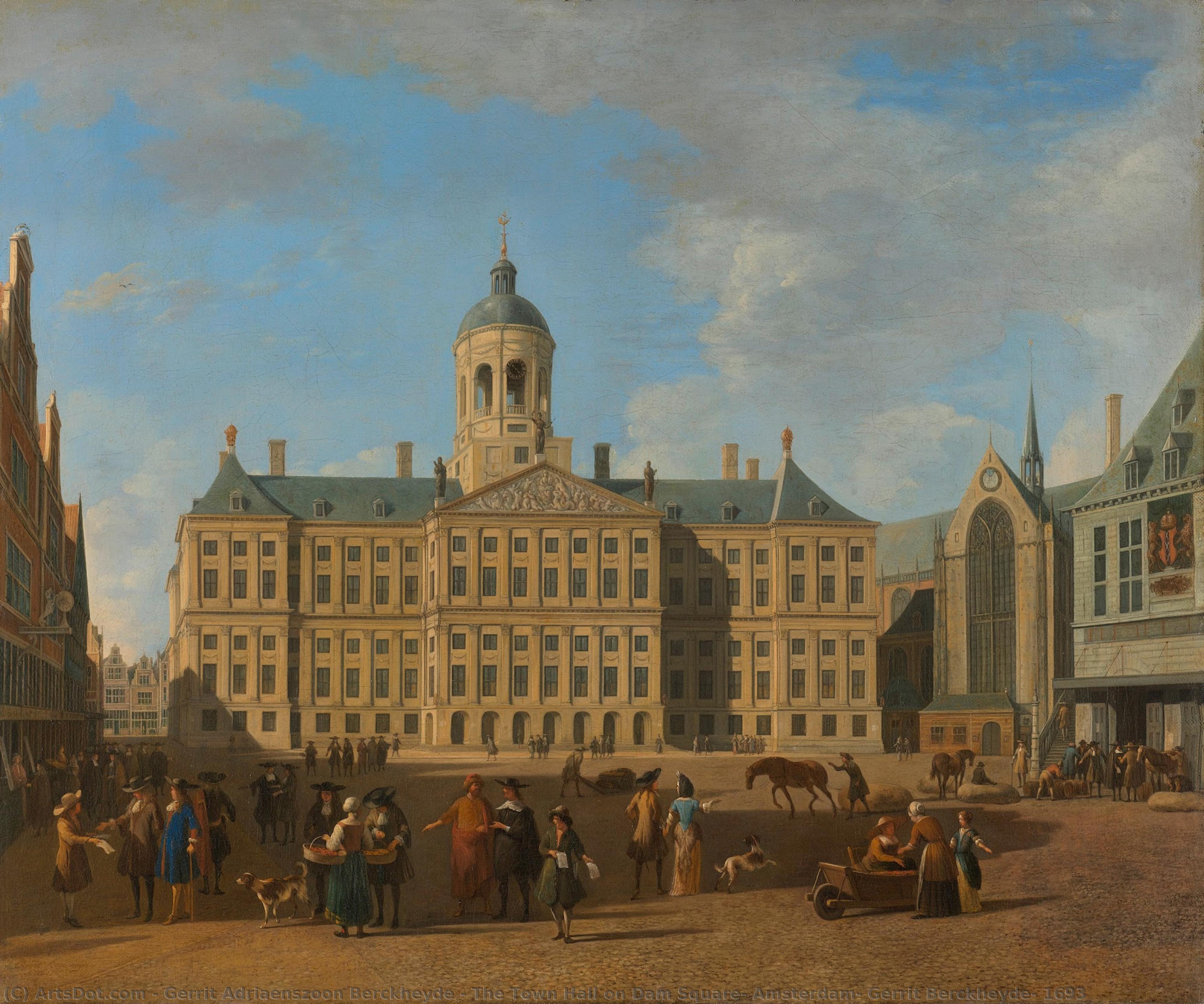
The Town Hall on Dam Square, Amsterdam, Gerrit Berckheyde, 1693
 1693
1693 53.0 x 64.0 cm
 Ver más
Reproducción al óleo hecha a mano
Óleo sobre lienzo pintado a mano en el tamaño y marco de su elección, realizado por encargo por nuestros artistas. ( Comprar impresión Comprar imagen)




































Elija entre nuestros tamaños predefinidos que respetan las proporciones originales de la obra.

Puede ingresar sus propias dimensiones para adaptarse a un marco o espacio específico. Si el tamaño seleccionado no coincide con las proporciones de la imagen original, recortaremos la obra o extenderemos la pintura con elementos adicionales pintados a mano. Se le enviará una maqueta digital para su aprobación antes de comenzar la producción.
Tenga en cuenta que la vista previa en pantalla no refleja el recorte o la extensión reales. Solo la maqueta mostrará con precisión la composición final.
Si bien existen tamaños personalizados, recomendamos seleccionar una dimensión de la lista predefinida para preservar las proporciones originales.
Tras realizar el pedido, el equipo de ArtsDot.com enviará un correo electrónico al cliente para solicitar instrucciones y proporcionarle una vista previa del boceto.
Envío a todo el mundo () en 3-4 semanas en lugar de las 5 semanas estándar. (25 agosto). Sin comprometer la calidad.

Envío exprés gratuito a todo el mundo

Lienzo de lino de alta calidad

Seguro de envío total

Garantía de reembolso de impuestos aduaneros

Garantía de fidelidad cromática exacta

Política de devolución de 60 días (solo por defectos)

Garantía de devolución del 100% del dinero

Descuento por cantidad
 La opción de vidrio solo está disponible en tamaños inferiores a 110 cm.

The Town Hall on Dam Square, Amsterdam, Gerrit Berckheyde, 1693
Técnica de reproducción
Dimensiones de la reproducción
-


Precio total final
$ 263
Descripción de la obra
Obras relacionadas









Biografía del artista
Gerrit Adriaenszoon Berckheyde: Architect of Dutch Light
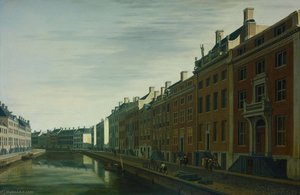
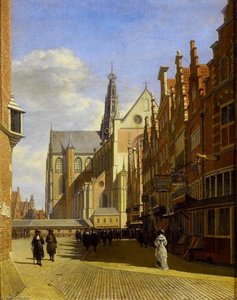
Gerrit Adriaenszoon Berckheyde (1638 – 10 June 1698) stands as a pivotal figure in the Dutch Golden Age, celebrated primarily for his breathtaking cityscapes that capture the essence of Haarlem and Amsterdam with unparalleled precision and luminosity. Unlike many contemporaries who favored dramatic vistas or idealized landscapes, Berckheyde meticulously rendered urban scenes—particularly those featuring monumental buildings bathed in diffused sunlight—establishing himself as one of the foremost practitioners of “Dutch Classicism.” His work embodies a profound respect for observation and technical mastery, reflecting the artistic ideals of his time. Born in Haarlem, Berckheyde’s early life remains somewhat shrouded in mystery; historians like Arnold Houbraken struggled to pinpoint his father's profession beyond being a bookbinder, suggesting a modest upbringing that nonetheless fostered an exceptional talent. He apprenticed under his elder brother, Job Adriaenszoon Berckheyde, who himself was mentored by Frans Hals—a connection that underscores the artistic traditions shaping Berckheyde’s formative years. The brothers embarked on a transformative journey to Germany in the 1650s, immersing themselves in the artistic milieu of Cologne, Bonn, Mannheim and Heidelberg, where they were awarded a golden medal for their contributions to art and scholarship. Despite aspirations for patronage and court life, Berckheyde’s temperament proved ill-suited to aristocratic circles, prompting him to return to Haarlem and continue his artistic endeavors alongside Oudendijck. Joining the Haarlem Guild of Saint Luke in 1660 solidified Berckheyde's position within the artistic community and signaled a period of prolific output. His studio became a hub for innovation, attracting fellow artists like Oudendijck and fostering a collaborative spirit that propelled their collective success. Influenced heavily by Pieter Saenredam’s masterful depictions of church interiors—characterized by serene stillness and meticulous detail—Berckheyde adopted a similarly restrained aesthetic, prioritizing clarity and accuracy over flamboyant embellishment. This stylistic choice aligns perfectly with the broader movement toward “Dutch Classicism,” mirroring Vermeer's commitment to capturing subtle nuances of light and atmosphere. Berckheyde’s artistic vision centered on portraying grand squares dominated by imposing buildings—such as De Waag (Weighing House) and Crane on the Spaarne—rather than attempting to convey expansive views along canals, a technique favored by Jan van der Heyden. This deliberate focus reflected Berckheyde's belief in conveying architectural grandeur with unwavering realism. His canvases are imbued with an almost palpable sense of space, achieved through masterful perspective and careful attention to tonal gradations – techniques honed during his travels and further refined under the tutelage of Hals. His work exemplifies the humanist spirit of the Golden Age, reflecting an intellectual curiosity alongside artistic virtuosity. Berckheyde’s paintings are marked by a dedication to capturing the precise contours of buildings and landscapes with astonishing accuracy—a hallmark of “Dutch Classicism.” Unlike many artists of his era who sought to impress viewers with dramatic compositions or opulent ornamentation, Berckheyde prioritized understated elegance and luminous realism. He achieved this remarkable feat through painstaking observation and meticulous draughtsmanship, mirroring Saenredam’s unwavering commitment to portraying architectural spaces with breathtaking clarity. This stylistic approach distinguishes him from other prominent cityscape painters of the time—particularly Jan van der Heyden—who favored dynamic perspectives and dramatic lighting effects. Throughout his career, Berckheyde produced a remarkable body of work encompassing portraits, cavalry pieces, and landscapes—though cityscapes constitute his undisputed legacy. Works like “The Great Market In Haarlem” and “Gezicht op de Gouden Bocht in de Herengracht vanuit het oosten” continue to captivate audiences today, offering a timeless glimpse into the beauty and sophistication of seventeenth-century Dutch art and culture. Berckheyde’s enduring influence can be seen in subsequent generations of painters who sought to emulate his unwavering dedication to observation and his ability to transform architectural spaces into canvases of luminous grandeur—a testament to his place as one of the most significant artists of his era.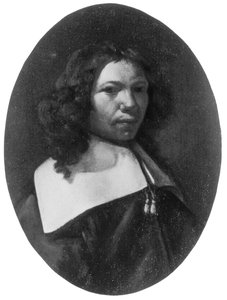
Gerrit Adriaenszoon Berckheyde
1638 - 1698 , Países Bajos
Datos clave
- Artistic Movement Or Style: Dutch Classicism
- Artists Who Influenced This Artist:
- Pieter Saenredam
- Job Adriaenszoon Berckheyde
- Date Of Birth: 1638
- Date Of Death: 1698
- Full Name: Gerrit Adriaenszoon Berckheyde
- Nationality: Dutch
- Notable Artworks:
- De Waag (Weighing House) en Kranen op de Spaarne,
- Het Grote Marktplein in Haarlem met de Sint Bavokerk vanuit het oosten
- Place Of Birth: Haarlem, Netherlands