

 Ver en contexto
 Enviar
 Compartir
 Detalles

 Descargar
 Similares
 Radiografía
 Presentación de diapositivas
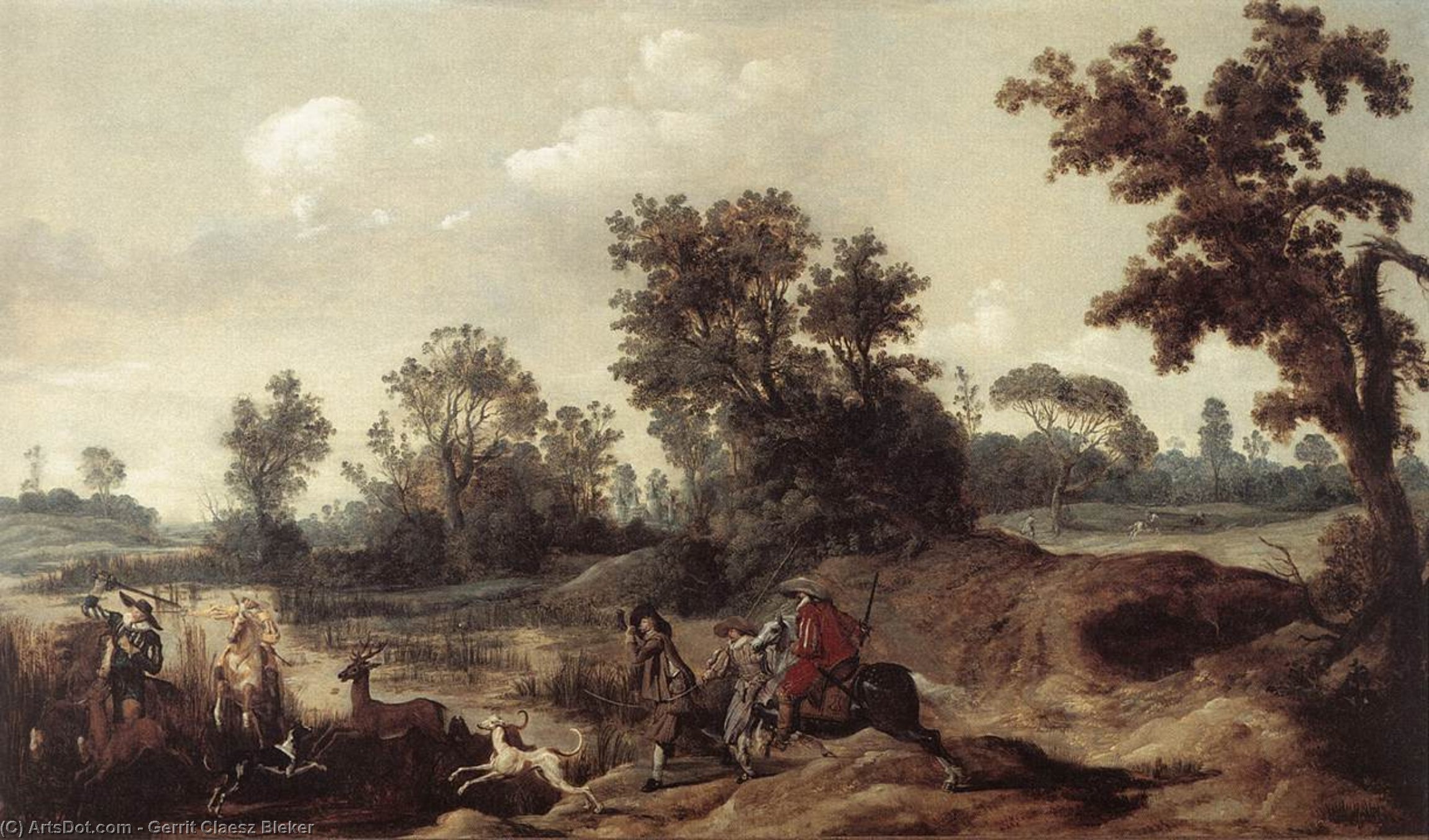
Stag Hunting in the Dunes
 Oil On Panel
- Baroque
 1625
1625- Early Modern
 78.0 x 136.0 cm
 Frans Halsmuseum
 Ver más
Reproducción al óleo hecha a mano
Óleo sobre lienzo pintado a mano en el tamaño y marco de su elección, realizado por encargo por nuestros artistas. ( Comprar impresión Comprar imagen)




P118B $10

P118H $10

P118W $10

P438Z $10

P508JH $12

P508YH $12

P805H $10

P805Z $10

P919BZ $10

P919G $10

P919XJ $10

P959ZH $10

P968JZ $12

W106C $8

W218G $10

W218JH $8

W218Y $10

W307PJ $10

W316G $10

W316PJ $8

W316Y $10

W398PJ $8

W4111J $10

W500HY $15

W500JH $15

W692G $12

W849H $8

W940BG $15

W953PJ $8




Elija entre nuestros tamaños predefinidos que respetan las proporciones originales de la obra.

Puede ingresar sus propias dimensiones para adaptarse a un marco o espacio específico. Si el tamaño seleccionado no coincide con las proporciones de la imagen original, recortaremos la obra o extenderemos la pintura con elementos adicionales pintados a mano. Se le enviará una maqueta digital para su aprobación antes de comenzar la producción.
Tenga en cuenta que la vista previa en pantalla no refleja el recorte o la extensión reales. Solo la maqueta mostrará con precisión la composición final.
Si bien existen tamaños personalizados, recomendamos seleccionar una dimensión de la lista predefinida para preservar las proporciones originales.
Tras realizar el pedido, el equipo de ArtsDot.com enviará un correo electrónico al cliente para solicitar instrucciones y proporcionarle una vista previa del boceto.
Envío a todo el mundo () en 3-4 semanas en lugar de las 5 semanas estándar. (26 agosto). Sin comprometer la calidad.

Envío exprés gratuito a todo el mundo

Lienzo de lino de alta calidad

Seguro de envío total

Garantía de reembolso de impuestos aduaneros

Garantía de fidelidad cromática exacta

Política de devolución de 60 días (solo por defectos)

Garantía de devolución del 100% del dinero

Descuento por cantidad
 La opción de vidrio solo está disponible en tamaños inferiores a 110 cm.

Stag Hunting in the Dunes
Técnica de reproducción
Dimensiones de la reproducción
-


Precio total final
$ 263
Descripción de la obra
A Dramatic Pursuit in the Dutch Golden Age
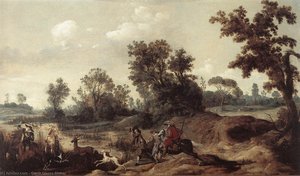
In the heart of the seventeenth century, the Dutch Golden Age breathed life into canvases that captured the very essence of vitality and terrestrial splendor. Gerrit Claesz Bleker’s Stag Hunting in the Dunes, painted in 1625, stands as a breathtaking testament to this era of unparalleled artistic mastery. The scene unfolds with an immediate sense of kinetic energy, transporting the viewer directly into the midst of a high-stakes chase across the undulating sandy terrain. As we gaze upon this oil on panel masterpiece, we are not merely observers of a hunt; we are participants in a choreographed dance of movement and tension, where the heavy breathing of horses and the focused determination of hunters seem to vibrate through the very grain of the wood.
Bleker, a native of Haarlem, possessed a singular ability to marry the ruggedness of nature with the refined drama of the Baroque style. In this particular work, he utilizes chiaroscroll—the dramatic interplay of light and shadow—to sculpt the figures within the landscape. The sunlight breaks across the dunes, illuminating the taut muscles of the horses and the textured fabrics of the hunters' traditional attire, while deep, velvety shadows pool in the hollows of the landscape, creating a profound sense of three-dimensional depth. This technique does more than provide realism; it heightens the emotional stakes, casting a spotlight on the intensity of the pursuit and the raw, unbridled spirit of the wild.
Mastery of Technique and Naturalistic Detail
The brilliance of Bleker’s execution lies in his meticulous attention to the minute details that define the natural world. Every element, from the subtle gradations of the sandy dunes to the delicate, fluffy white clouds drifting across a pale blue sky, is rendered with an exacting precision that speaks to his disciplined training. The artist’s palette is masterfully muted, favoring earthy tones and soft greens that ground the composition in a convincing realism. This restraint allows the more vibrant accents—the glint of a hunter's gear or the sudden movement of a stag—to resonate with greater impact.
For the discerning collector or interior designer, this painting offers a sophisticated balance of action and tranquility. The background, filled with lush trees and dense bushes, provides a serene counterpoint to the foreground's frantic energy, making the piece versatile enough to anchor a grand gallery wall or serve as a focal point in a classically styled study. To own a high-quality reproduction of this work is to invite the historical prestige of the Frans Halsmuseum into one's private space, bringing with it the enduring legacy of the Dutch Masters.
An Enduring Legacy for the Modern Collector
Beyond its technical prowess, Stag Hunting in the Dunes serves as a window into the social and cultural fabric of the 1600s. Hunting was not merely a sport but a symbol of status, bravery, and the human relationship with the untamed wilderness. Bleker captures this complex intersection of man and nature with an emotional resonance that transcends centuries. The painting evokes a sense of nostalgia for a lost era of adventure, making it an evocative choice for those looking to add narrative depth and historical soul to their decor.
Whether you are drawn to the rhythmic movement of the horses or the atmospheric beauty of the Dutch landscape, this work remains a profound inspiration. It stands as a reminder that great art does not just depict a moment in time; it captures the very pulse of life itself. Through careful reproduction, the spirit of Gerrit Claesz Bleker continues to illuminate modern interiors, offering a timeless connection to the golden era of European painting.
Obras relacionadas
Biografía del artista
Gerrit Claesz Bleker: A Haarlem Landscape Painter Shaped by Ruysdael
Gerrit Claesz Bleker (1592, Haarlem – February 8, 1656, Haarlem) stands as a prominent figure within the Dutch Golden Age artistic landscape. Though overshadowed by some of his contemporaries, Bleker’s contribution to genre painting and particularly his serene depictions of rural landscapes cemented his place in art history. Born in Haarlem, he honed his craft under the tutelage of Nicolaes Moeyaert, absorbing influences from masters like Jacob van Ruysdael – a connection that profoundly shaped his artistic vision. This relationship with Ruysdael, renowned for his masterful use of atmospheric perspective and tonal harmonies, became the cornerstone of Bleker’s distinctive style, prioritizing observation and subtlety above dramatic flair. Bleker's oeuvre primarily consisted of landscape paintings and allegorical compositions, reflecting the prevailing tastes of the era. Unlike the flamboyant Baroque style championed by Rembrandt and Rubens, Bleker favored a calmer aesthetic, prioritizing meticulous observation and subtle tonal gradations reminiscent of Ruysdael’s approach. This stylistic preference resulted in canvases characterized by tranquil vistas—often featuring dunes, windmills, and pastoral scenes populated with figures engaged in everyday activities – offering viewers glimpses into the beauty of Dutch countryside life. He sought to capture not merely what he saw but also the spiritual essence of nature, mirroring Ruysdael’s belief that art should elevate the soul.- Notable Works: Bleker’s artistic legacy includes “Stag Hunting in the Dunes,” a captivating portrayal of a hunting party amidst coastal dunes; “Philip baptizes the Moor,” an evocative biblical scene imbued with symbolic richness; and “The Raising of Lazarus,” a dramatic engraving demonstrating Bleker's versatility beyond painting. These works exemplify his ability to convey complex narratives through visual imagery, utilizing Ruysdael’s techniques to create scenes brimming with realism and emotional depth.
- Guild Membership & Artistic Training: He joined the Haarlem Guild of St Luke before 1643, securing his professional standing and establishing himself as a respected artist within the artistic community. This affiliation ensured access to resources and fostered connections with fellow artists—a crucial element in nurturing Haarlem’s vibrant artistic tradition. Bleker's dedication to mastering his craft solidified his reputation as a skilled painter and teacher, passing on invaluable knowledge to younger generations eager to emulate his success.
gerrit claesz bleker
1593 - 1656 , Países Bajos
Datos clave
- Artistic Movement Or Style: Dutch Golden Age
- Artists Who Influenced This Artist:
- Jacob van Ruysdael
- Nicolaes Moeyaert
- Date Of Birth: 1592
- Full Name: Gerrit Claesz Bleker
- Nationality: Dutch
- Notable Artworks:
- Stag Hunting in the Dunes
- Philip baptizes the Moor
- The Raising of Lazarus
- Place Of Birth: Haarlem, Netherlands
Artículos relacionados

Los 10 Maestros del Siglo de Oro Holandés: Arte, Historia y Decoración Exclusiva
Descubre los 10 imprescindibles del Siglo de Oro Holandés: Rembrandt, Vermeer y más. Explora la historia, técnica y belleza de estos lienzos clásicos. Encuentra reproducciones de arte exclusivas para decorar tu hogar en .

Reflejos de una Época Dorada: La Pintura Barroca Holandesa y la Innovación Cultural
Descubra la riqueza y el detalle de la pintura barroca holandesa del Siglo de Oro. Explore las obras maestras de Rembrandt, Vermeer y otros artistas clave. Análisis experto e historia cultural.

La Luz y la República: Innovación Artística en el Siglo de Oro Neerlandés
Descubra la innovación artística del Siglo de Oro Neerlandés. Explore las obras maestras de Rembrandt y Vermeer, técnicas revolucionarias y el legado perdurable de este florecimiento cultural. ¡Sumérjase en la luz y la belleza!

Illuminating Realism: Exploring the Dutch Golden Age of Painting (1600-1700)
Explore the Dutch Golden Age of painting (1600-1700) with ArtsDot. Discover Rembrandt, Vermeer & other masters. Learn about techniques, history & find museum-quality reproductions.
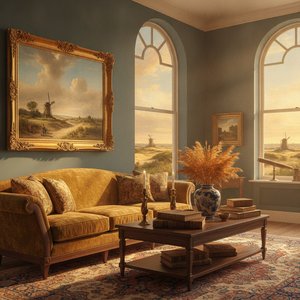
Golden Light & Dutch Skies: Bringing the Magic of Dutch Golden Age Landscapes into Your Home
Transform your home with the breathtaking light of Dutch Golden Age landscapes. Discover how hand-painted oil reproductions of masterworks like Ruisdael and Vermeer bring timeless elegance, atmosphere, and soulful texture to modern interiors. Elevate your space with museum-quality art.

