Menú
Asesoría de arte gratuita
Ver en contextoVer en contexto Vista previa en RAVista previa en RA Comprar impresión Comprar impresiónComprar pintura hecha a mano Comprar pintura hecha a mano EnviarEnviar
DetallesDetalles Añadir a favoritos Añadir a favoritos DescargarDescargar SimilaresSimilares RadiografíaRadiografía Presentación de diapositivasPresentación de diapositivas

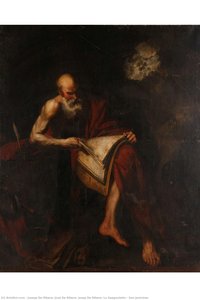
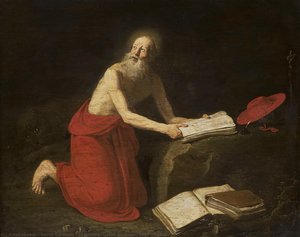
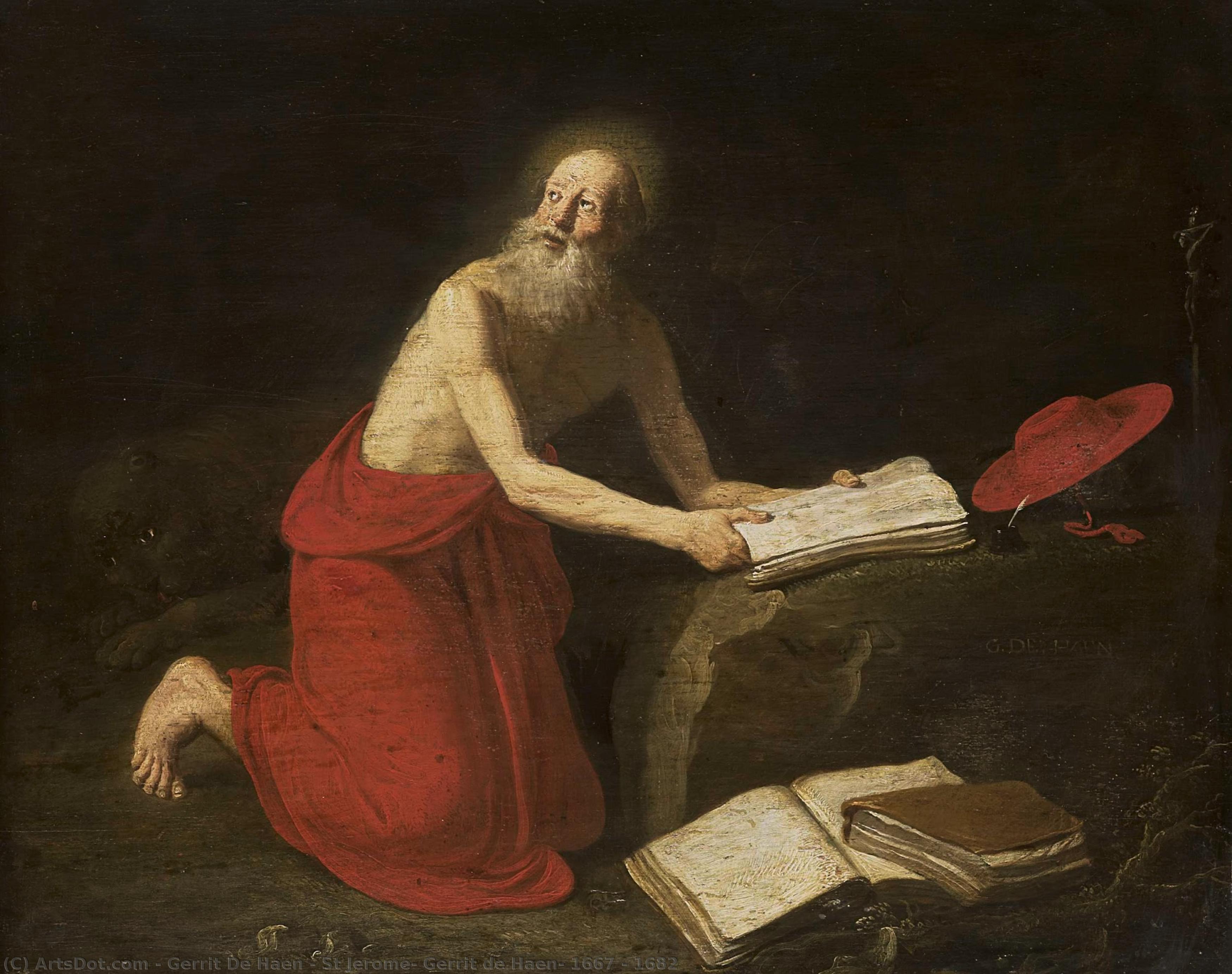
St Jerome, Gerrit de Haen, 1667 - 1682

  • Fecha de creación1682
  • Dimensiones34.0 x 43.0 cm

Discover Gerrit de Haen, a 17th-century Dutch decorative painter renowned for interior murals and religious themes like St. Jerome. Explore his timeless artworks and artistic legacy from the Netherlands.

Adquiera una imagen digital de alta resolución y optimizada, muy superior a la vista previa en línea.

Cada archivo es preparado meticulosamente por nuestros especialistas internos mediante el uso de herramientas avanzadas y un experto retoque manual. Nos aseguramos de que cada imagen posea una claridad excepcional, una precisión cromática impecable y un detalle minucioso.

El archivo final se entrega por correo electrónico en un plazo de 72 horas, optimizado para su uso inmediato en entornos profesionales, editoriales y de impresión. Esta es la misma calidad en la que confían los estudios de diseño, las editoriales y las galerías de primer nivel.

Imagen Digital

Descarga un archivo de alta resolución para exhibición personal, impresión y proyectos creativos. (Comprar impresión Comprar impresiónComprar pintura hecha a mano Comprar pintura hecha a mano)

Precio total

$ 24,00

Incluido en cada pedido de imágenes digitales

Entrega digital experta, garantizada.

Al elegir ArtsDot.com, no solo está adquiriendo una imagen; está recibiendo una obra de arte digital mejorada profesionalmente, elaborada con precisión y respaldada por una garantía de satisfacción. Esto es todo lo que incluye su pedido, automáticamente:

shipping_icon
Entrega rápida por email

Recibirá su archivo de imagen digital en alta resolución por correo electrónico en un plazo de 72 horas tras realizar su pedido, listo para su uso inmediato.

canvas_icon
Archivo digital optimizado por IA

Su obra de arte se optimiza profesionalmente mediante herramientas avanzadas de IA y edición manual, garantizando el máximo detalle, claridad y precisión cromática.

insurance_icon
Reenvío gratuito de por vida

¿Has borrado o perdido tu archivo por error? No te preocupes: te lo volveremos a enviar en cualquier momento, sin coste adicional.

tax_icon
Sin gastos de importación, siempre

Disfrute de su obra de arte al instante sin aduanas, aranceles ni gastos de envío; las descargas digitales siempre están libres de impuestos.

color_icon
Garantía de fidelidad de color

Garantizamos que su imagen digital refleje los colores originales con la mayor fidelidad posible, mediante el uso de herramientas profesionales y gestión del color.

return_icon
Garantía de satisfacción de 60 días

Si no está satisfecho con su imagen digital, la revisaremos o le reembolsaremos el 100% en un plazo de 60 días, sin preguntas.

guarantee_icon
100% Garantía de devolución de dinero

¿No está satisfecho? Obtenga un reembolso completo dentro de los 60 días posteriores a la recepción de su archivo digital, sin necesidad de explicaciones.

discount_icon
Descuentos por pedidos grandes

Compra 3 imágenes, ahorra 10% - Compra 5, ahorra 15% - Compra 10+, ahorra 20%. Ideal para proyectos creativos, galerías y agencias.
Descripción del coleccionable

Saint Hieronymus, prostrating with naked upper body kneeling to an open book on a rock. There's his hat and an ink set. On the ground, two more books. Left behind is the lion.

Biografía del artista

A Discreet Master of Dutch Interiors: Gerrit de Haen

Gerrit de Haen remains a somewhat enigmatic figure in the pantheon of 17th-century Dutch painters, yet his work speaks volumes about the era’s burgeoning prosperity and refined domestic sensibilities. Born in an unknown city and date – details stubbornly lost to time – De Haen carved out a niche as a decorative painter specializing in interior murals and religious scenes. Unlike many of his contemporaries who achieved widespread fame through grand historical narratives or striking portraits, De Haen's artistry flourished within the private sphere, adorning the walls of affluent homes with meticulously crafted compositions that reflected both piety and worldly comfort. His known oeuvre is relatively small, but the quality and distinctive character of pieces like “St Jerome,” painted between 1667 and 1682, firmly establish him as a skilled practitioner of his craft.

Early Life and Artistic Training

The scarcity of biographical information surrounding Gerrit de Haen presents a challenge to reconstructing the trajectory of his artistic development. It is reasonable to assume he received formal training within one of the numerous guilds that flourished in the Dutch Republic during the Golden Age. The precise location of this apprenticeship remains uncertain, but given the style and subject matter of his paintings, it’s plausible he was exposed to the influences prevalent in centers like Amsterdam or The Hague. These cities were hubs of artistic activity, attracting painters from across Europe and fostering a vibrant exchange of ideas. While no documented master has been identified as his teacher, De Haen's work suggests an understanding of both Italianate landscape painting and the meticulous realism characteristic of Dutch genre scenes. He likely began his career executing decorative schemes for wealthy patrons, gradually developing a personal style that blended religious narrative with detailed depictions of interior life.

Style and Technique: A Blend of Realism and Devotion

De Haen’s paintings are characterized by a remarkable attention to detail and a subtle yet effective use of light and shadow. His interiors, though often serving as backdrops for religious scenes, possess an undeniable sense of realism. He meticulously renders textures – the sheen of polished wood, the delicate folds of fabric, the glint of metal objects – creating a convincing illusion of three-dimensionality. This dedication to verisimilitude is not merely decorative; it serves to ground the spiritual narratives within a tangible world, making them more relatable and emotionally resonant for the viewer. “St Jerome,” his most celebrated work, exemplifies this approach. The saint is depicted in a richly furnished chamber, surrounded by symbols of learning and contemplation – books, globes, and classical sculptures. The composition is balanced and harmonious, with light streaming through a window to illuminate the central figure and highlight the details of the interior setting. De Haen’s palette is typically restrained, favoring earth tones and muted colors that contribute to the overall sense of tranquility and devotion.

Themes and Influences

The majority of De Haen's surviving works center on religious themes, particularly scenes from the lives of saints and biblical narratives. This focus likely reflects the tastes of his clientele, who sought paintings that would both adorn their homes and express their faith. However, De Haen’s approach to these subjects is often imbued with a distinctly Dutch sensibility. He eschews dramatic displays of emotion in favor of quiet contemplation and understated piety. His interiors are not merely settings for religious events; they are reflections of the comfortable lives led by his patrons – lives characterized by prosperity, learning, and refined taste. The influence of earlier masters such as Rembrandt van Rijn can be detected in De Haen’s use of light and shadow, while the meticulous realism of painters like Jan Vermeer may have informed his attention to detail. He also demonstrates an awareness of Italianate landscape painting, incorporating elements of classical architecture and scenery into his compositions.

Legacy and Historical Significance

Despite the limited scope of his known oeuvre, Gerrit de Haen occupies a significant place in the history of Dutch art. His paintings offer valuable insights into the domestic lives and religious beliefs of the affluent burgher class during the Golden Age. While he may not have achieved the same level of fame as some of his contemporaries, De Haen’s artistry demonstrates a mastery of technique and a distinctive personal style that sets him apart. His work serves as a reminder that artistic excellence can flourish outside the spotlight, within the intimate confines of private homes and the discerning tastes of individual patrons. The rediscovery and appreciation of artists like Gerrit de Haen continue to enrich our understanding of this vibrant and complex period in art history, revealing the diverse range of talent that contributed to the Dutch Golden Age’s enduring legacy.