 Ver en contexto
 Enviar
 Compartir
 Detalles

 Descargar
 Similares
 Radiografía
 Presentación de diapositivas
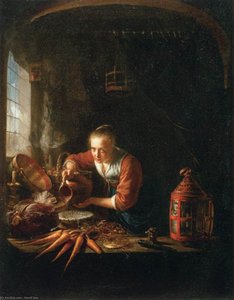
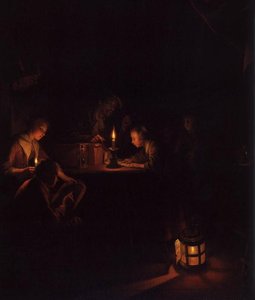
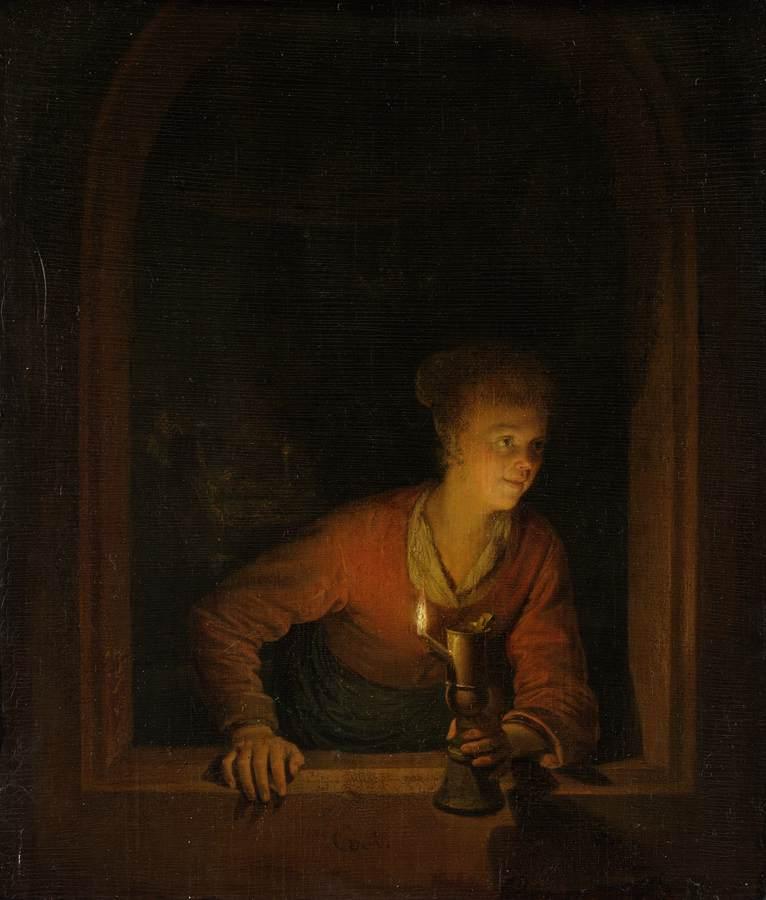
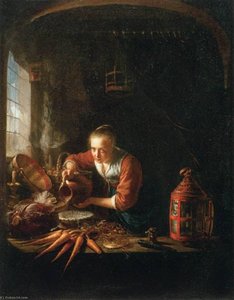
Girl with Burning Oil Lamp
 Oil On Canvas
- WallArt
- Dutch Golden Age
 22.0 x 17.0 cm
 Rijksmuseum
 Ver más
Giclée / Impresión de arte
Impresiones giclée o en lienzo de calidad de museo con producción rápida y opciones de acabado flexibles. ( Comprar pintura hecha a mano Comprar imagen)




P118B $10

P118H $10

P118W $10

P438Z $10

P508JH $12

P508YH $12

P805H $10

P805Z $10

P919BZ $10

P919G $10

P919XJ $10

P959ZH $10

P968JZ $12

W106C $8

W218G $10

W218JH $8

W218Y $10

W307PJ $10

W316G $10

W316PJ $8

W316Y $10

W398PJ $8

W4111J $10

W500HY $15

W500JH $15

W692G $12

W849H $8

W940BG $15

W953PJ $8




Elija entre nuestros tamaños predefinidos que respetan las proporciones originales de la obra.

Puede introducir sus propias dimensiones para adaptarse a un marco o espacio específico. Si el tamaño seleccionado no coincide con las proporciones de la imagen original, recortaremos la obra de arte o extenderemos la imagen con un borde con efecto espejo o de color sólido. Se enviará una maqueta digital para su aprobación antes de que comience la producción.
Tenga en cuenta que la vista previa en pantalla no refleja el recorte o la extensión real. Solo la maqueta mostrará con precisión la composición final.
Aunque existen tamaños personalizados, recomendamos seleccionar una dimensión de la lista predefinida para preservar las proporciones originales.
Envío a todo el mundo () en 2 semanas en lugar de las 4/5 semanas estándar. (26 agosto)

Envío exprés gratuito a todo el mundo

Lienzo de lino de alta calidad

Seguro de envío total

Garantía de reembolso de impuestos aduaneros

Garantía de fidelidad cromática exacta

Política de devolución de 60 días (solo por defectos)

Garantía de devolución del 100% del dinero

Descuento por cantidad
 La opción de vidrio solo está disponible en tamaños inferiores a 110 cm.

Girl with Burning Oil Lamp
Giclée / Impresión de arte
Dimensiones de la reproducción
-


Precio total final
$ 62
Descripción de la pieza
A Nocturne of Intimacy: Gerrit Dou’s “Girl with Burning Oil Lamp”
Gerrit Dou's "Girl with Burning Oil Lamp," painted circa 1650, is more than just a portrait; it’s a carefully constructed tableau of quiet contemplation and subtle drama. This captivating work, rendered in the meticulous style known as ‘fijnschilder,’ or fine painting, offers a glimpse into the Dutch Golden Age – a period defined by both burgeoning wealth and an intense fascination with realism and psychological depth. Dou, a master of chiaroscuro and illusionistic detail, elevates this seemingly simple scene to a profound exploration of human emotion and the interplay of light and shadow.
The subject herself is presented in a state of serene introspection. Her gaze, directed slightly off-canvas, suggests a private world of thought, while her posture – relaxed yet alert – conveys a sense of quiet dignity. The red dress, rich in color and texture, draws the eye immediately, contrasting beautifully with the dark background. Crucially, it’s not merely a decorative element; its vibrant hue hints at both warmth and perhaps a touch of melancholy, reflecting the emotional complexity of the scene.
The Art of ‘Fijnschilder’: Technique and Illusion
Dou's mastery lies in his painstaking technique. He employed a layering process – often applying thin glazes over thick impasto – to achieve an astonishing level of detail and luminosity. The oil lamp itself is rendered with remarkable realism, its flickering light casting dancing shadows across the girl’s face and clothing. Notice particularly how Dou uses atmospheric perspective; the background fades into darkness, creating a sense of depth and drawing the viewer's eye towards the central figure. This technique, characteristic of ‘fijnschilder,’ wasn’t simply about accurate representation but about creating an illusion of three-dimensionality – a hallmark of Dou’s genius.
Furthermore, the inclusion of the clock on the wall and the two figures in the periphery contribute to the painting's layered narrative. These elements aren’t merely decorative; they subtly suggest a domestic setting, hinting at a life lived within the confines of a home. The presence of the clock adds a layer of temporal awareness, while the other individuals invite speculation about their relationship to the central figure – perhaps family members or acquaintances.
Symbolism and the Language of Light
The burning oil lamp is undeniably the focal point, but its significance extends beyond mere illumination. In Dutch art of this era, candlelight frequently symbolized knowledge, faith, and divine grace. It represents a connection to the spiritual realm, offering a moment of quiet reflection amidst the uncertainties of life. The darkness surrounding the girl reinforces this symbolism, suggesting that her inner world is illuminated by something greater than the physical.
Dou’s skillful manipulation of light isn't just about visual effect; it’s deeply symbolic. He uses light to draw attention to specific details – the girl’s face, the folds of her dress – while simultaneously creating a sense of mystery and intrigue. The interplay between light and shadow evokes a range of emotions: vulnerability, contemplation, and perhaps even a hint of sadness.
A Timeless Portrait of Human Experience
"Girl with Burning Oil Lamp" remains a powerfully evocative work, resonating with viewers centuries after its creation. It’s a testament to Dou's ability to capture the complexities of human emotion through meticulous technique and subtle symbolism. More than just a portrait, it is an intimate glimpse into a moment of quiet contemplation – a timeless reminder of the beauty and mystery inherent in the everyday experience of life. Reproductions of this masterpiece offer a chance to bring this evocative scene into any space, inviting viewers to pause, reflect, and appreciate the artistry of Gerrit Dou.
Obras relacionadas
Biografía del artista
biografía de un prolífico pintor
gerrit (gérard) dou, una figura destacada en la pintura del edad de oro holandesa, nació el 7 de abril de 1613 en Leiden, Países Bajos. Falleció el 9 de febrero de 1675, dejando atrás un impresionante legado de pinturas altamente pulidas que continúan cautivando a los entusiastas del arte en todo el mundo.estilo artístico y especialización
El estilo artístico de Gerrit Dou se caracteriza por su tratamiento minucioso y elaborado, a menudo presentando escenas de género y pinturas "nicho" con efecto *trompe-l'oeil*. Su dominio del claroscuro es particularmente notable, como se ve en sus escenas nocturnas iluminadas con velas. Esta combinación única de habilidades lo ha llevado a asociarse con los *fijnschilders* de Leiden.vida y formación
Gerrit Dou nació en una familia de clase media en Leiden. Su padre era fabricante de vidrieras, y Dou inicialmente aprendió el oficio familiar. Sin embargo, pronto demostró un talento excepcional para la pintura, lo que llevó a su padre a enviarlo como aprendiz al taller de Rembrandt van Rijn en 1628. Permaneció con Rembrandt durante aproximadamente tres años, donde adquirió sus habilidades en el color y los sutiles efectos del claroscuro. Aunque inicialmente influenciado por Rembrandt, Dou pronto desarrolló su propio estilo distintivo, caracterizado por una minuciosidad extrema y un enfoque en detalles delicados. Se dice que dedicaba días enteros a pintar una sola mano, y fabricaba sus propias brochas para lograr la precisión deseada.obras notables y colecciones
* El astrónomo a la luz de las velas, una pintura que muestra la experiencia de Dou en capturar los matices de la luz, se puede encontrar en ArtsDot.com. * La colección Leiden, Nueva York, un renombrado museo de arte, presenta obras de Gerrit Dou, entre otros artistas notables. Para obtener más información sobre la colección, visite la colección Leiden, Nueva York: una guía completa en ArtsDot.com.influencia y legado
La influencia de Gerrit Dou se puede ver en sus alumnos, incluyendo a Frans van Mieris el Viejo y Gabriel Metsu. Su trabajo también ha sido exhibido en varios museos, como el Museo Huis ten Bosch en La Haya, Países Bajos, que alberga una impresionante colección de arte europeo del siglo XVI al XVIII.- hechos clave: * nacido: 7 de abril de 1613, Leiden, Países Bajos * falleció: 9 de febrero de 1675 * obras notables: el astrónomo a la luz de las velas, escenas de género y escenas nocturnas iluminadas con velas * influyó en: Frans van Mieris el Viejo, Gabriel Metsu y otros
- lecturas recomendadas: * Gerrit (Gerard) Dou en ArtsDot.com * La edad de oro holandesa en Wikipedia
conclusión
Las notables contribuciones de Gerrit (Gerard) Dou a la edad de oro holandesa han dejado una huella imborrable en el mundo del arte. Sus cautivadoras pinturas, caracterizadas por sus intrincados detalles y su magistral uso de la luz, continúan inspirando a artistas y entusiastas del arte por igual. Para explorar más de sus obras y las de otros artistas notables, visite ArtsDot.com.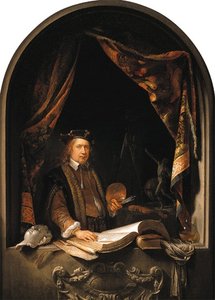
Gerrit Dou
1613 - 1675 , Países Bajos
Datos clave
- Artistas Influyentes: ['Rembrandt van Rijn']
- Estilo Artístico: Fijnschilderismo del Leiden
- Fecha De Muerte: 9 de febrero de 1675
- Fecha De Nacimiento: 7 de abril de 1613
- Influenciado A:
- Frans van Mieris el Viejo
- Gabriel Metsu
- Lugar De Nacimiento: Leiden, Países Bajos
- Nacionalidad: Neerlandés
- Nombre Completo: Gerrit (Gerard) Dou
- Obras Notables: ['El astrónomo a la luz de las velas']
Artículos relacionados
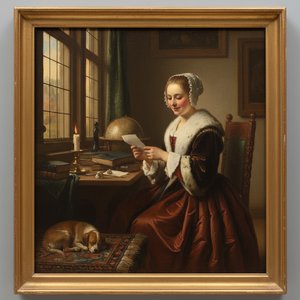
Gerrit Dou: Intimacy & Light in the Dutch Golden Age
Explore the exquisite world of Gerrit Dou, a master of Dutch Golden Age painting. Discover his intimate genre scenes, signature use of light, and lasting legacy. Learn about collecting Dou's works & their value.

Reflejos de una Época Dorada: La Pintura Barroca Holandesa y la Innovación Cultural
Descubra la riqueza y el detalle de la pintura barroca holandesa del Siglo de Oro. Explore las obras maestras de Rembrandt, Vermeer y otros artistas clave. Análisis experto e historia cultural.

Los 10 Maestros del Siglo de Oro Holandés: Arte, Historia y Decoración Exclusiva
Descubre los 10 imprescindibles del Siglo de Oro Holandés: Rembrandt, Vermeer y más. Explora la historia, técnica y belleza de estos lienzos clásicos. Encuentra reproducciones de arte exclusivas para decorar tu hogar en .
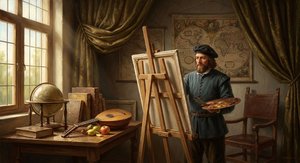
Illuminating Realism: Exploring the Dutch Golden Age of Painting (1600-1700)
Explore the Dutch Golden Age of painting (1600-1700) with ArtsDot. Discover Rembrandt, Vermeer & other masters. Learn about techniques, history & find museum-quality reproductions.

La Luz y la República: Innovación Artística en el Siglo de Oro Neerlandés
Descubra la innovación artística del Siglo de Oro Neerlandés. Explore las obras maestras de Rembrandt y Vermeer, técnicas revolucionarias y el legado perdurable de este florecimiento cultural. ¡Sumérjase en la luz y la belleza!