

 Ver en contexto
 Enviar
 Compartir
 Detalles

 Descargar
 Similares
 Radiografía
 Presentación de diapositivas
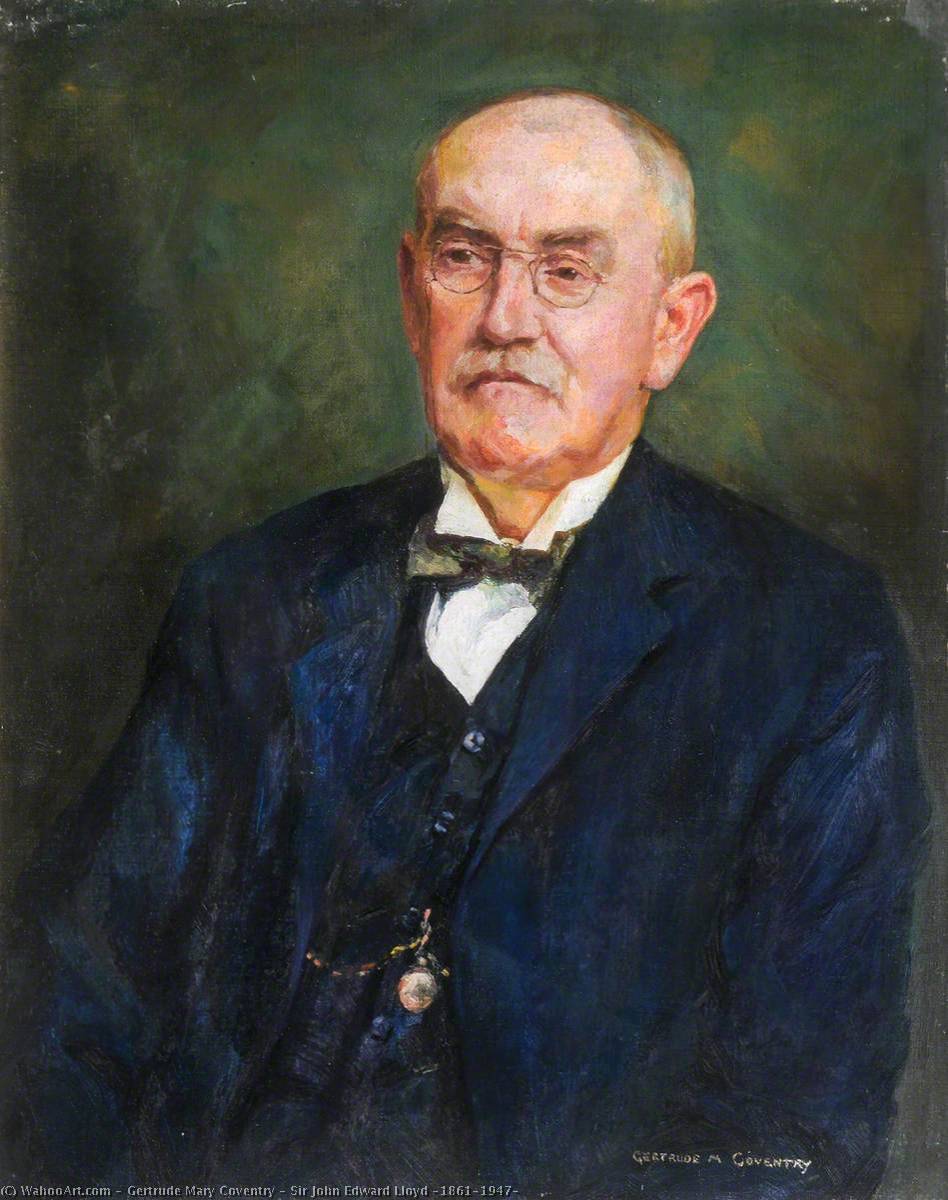
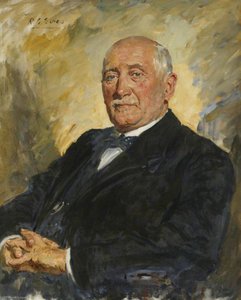
Sir John Edward Lloyd (1861–1947)
 Contemporary Realism
 61.0 x 51.0 cm
 Bangor University
 Ver más
Adquiera una imagen digital de alta resolución y optimizada, muy superior a la vista previa en línea.
Cada archivo es preparado meticulosamente por nuestros especialistas internos mediante el uso de herramientas avanzadas y un experto retoque manual. Nos aseguramos de que cada imagen posea una claridad excepcional, una precisión cromática impecable y un detalle minucioso.
El archivo final se entrega por correo electrónico en un plazo de 72 horas, optimizado para su uso inmediato en entornos profesionales, editoriales y de impresión. Esta es la misma calidad en la que confían los estudios de diseño, las editoriales y las galerías de primer nivel.
Imagen Digital
Descarga un archivo de alta resolución para exhibición personal, impresión y proyectos creativos. ( Comprar impresión Comprar pintura hecha a mano)
Incluido en cada pedido de imágenes digitales
Entrega digital experta, garantizada.
Al elegir ArtsDot.com, no solo está adquiriendo una imagen; está recibiendo una obra de arte digital mejorada profesionalmente, elaborada con precisión y respaldada por una garantía de satisfacción. Esto es todo lo que incluye su pedido, automáticamente:

Entrega rápida por email
Recibirá su archivo de imagen digital en alta resolución por correo electrónico en un plazo de 72 horas tras realizar su pedido, listo para su uso inmediato.

Archivo digital optimizado por IA
Su obra de arte se optimiza profesionalmente mediante herramientas avanzadas de IA y edición manual, garantizando el máximo detalle, claridad y precisión cromática.

Reenvío gratuito de por vida
¿Has borrado o perdido tu archivo por error? No te preocupes: te lo volveremos a enviar en cualquier momento, sin coste adicional.

Sin gastos de importación, siempre
Disfrute de su obra de arte al instante sin aduanas, aranceles ni gastos de envío; las descargas digitales siempre están libres de impuestos.

Garantía de fidelidad de color
Garantizamos que su imagen digital refleje los colores originales con la mayor fidelidad posible, mediante el uso de herramientas profesionales y gestión del color.

Garantía de satisfacción de 60 días
Si no está satisfecho con su imagen digital, la revisaremos o le reembolsaremos el 100% en un plazo de 60 días, sin preguntas.

100% Garantía de devolución de dinero
¿No está satisfecho? Obtenga un reembolso completo dentro de los 60 días posteriores a la recepción de su archivo digital, sin necesidad de explicaciones.

Descuentos por pedidos grandes
Compra 3 imágenes, ahorra 10% - Compra 5, ahorra 15% - Compra 10+, ahorra 20%. Ideal para proyectos creativos, galerías y agencias.
Obras relacionadas
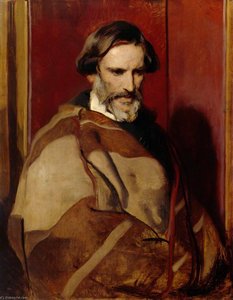
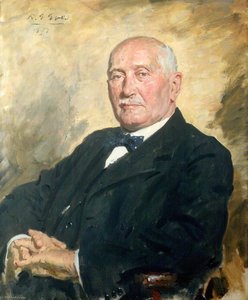

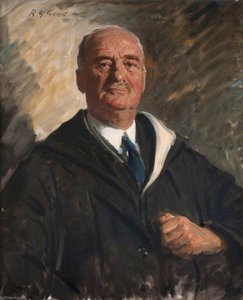
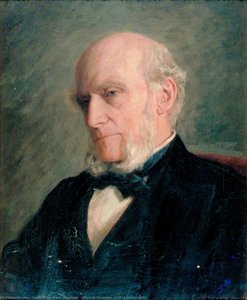
Biografía del artista
Gertrude Mary Coventry: A Scottish Voice in the Early 20th Century
Gertrude Mary Coventry (1886-1964) emerges from the vibrant artistic landscape of Glasgow as a quietly significant figure – a painter who, despite not always receiving the immediate recognition afforded to her male contemporaries, consistently produced compelling portraits and evocative coastal scenes. Born in Glasgow, the daughter of Robert McGowan Coventry, a respected artist himself, Gertrude’s early life was steeped in an appreciation for visual art, providing a foundational influence that would shape her own artistic trajectory. Her formative years were spent studying at the prestigious Glasgow School of Art between 1902 and 1911, a period during which she honed her skills and absorbed the stylistic currents of the time – particularly the burgeoning Glasgow School of Art movement with its emphasis on bold color and simplified forms.
Coventry’s artistic journey was not confined to the city limits. She embarked on numerous painting trips, often in partnership with her husband, Edward Robertson, a scholar who shared her passion for travel and exploration. These excursions took them across Europe – notably to the Netherlands and Belgium – offering exposure to diverse artistic traditions and landscapes that undoubtedly enriched her visual vocabulary. However, it was her time spent in Pittenweem, Fife, Scotland, where she met Robertson, that proved pivotal. It was here, amidst the rugged beauty of the Scottish coastline, that she began to develop a distinctive style—one characterized by a nuanced understanding of light and atmosphere, coupled with a remarkable ability to capture the essence of her subjects.
A Portraitist’s Eye: Themes and Techniques
Coventry's oeuvre is predominantly defined by portraiture, yet these are not merely likenesses. She possessed a keen eye for capturing personality and inner character, imbuing her subjects with a sense of dignity and quiet contemplation. Her portraits frequently feature individuals from the academic and professional spheres – clergymen, scholars, and members of the local community—reflecting her connections within Scottish society. Her technique is notable for its subtle realism blended with impressionistic touches; she skillfully employed broken brushstrokes to create a shimmering effect, particularly when depicting light reflecting off water or clothing. The muted color palettes she favored—greens, browns, and blues—evoke the atmospheric conditions of the landscapes she painted, seamlessly integrating them into her portraiture.
Beyond portraits, Coventry produced a series of captivating coastal scenes – depictions of Fife’s dramatic coastline that reveal an intimate understanding of the region's geology and weather patterns. These works are characterized by their dynamic compositions, capturing the raw power of the sea and the ever-changing moods of the sky. She demonstrated a remarkable ability to translate the visual experience of being present in these environments onto canvas, conveying both the beauty and the inherent drama of the Scottish coast.
Royal Recognition and Artistic Circles
Coventry’s work gradually gained recognition within established artistic circles. She was admitted as an associate member of the Royal Glasgow Institute of the Fine Arts in 1905 and later became a member of the Royal Academy, the Royal Cambrian Academy, and the Royal Scottish Academy – prestigious organizations that served as vital platforms for showcasing her talent. Her paintings were exhibited extensively throughout these institutions, solidifying her position within the British art scene. Notably, she was commissioned to paint portraits of prominent figures, including the Chief Rabbi of Manchester, further establishing her reputation as a skilled and respected portraitist.
Later Life and Legacy
Following her husband’s retirement from academia, the couple moved to Didsbury near Manchester in 1921. In 1962, they relocated to Canada, settling in Hudson, Ontario, where Gertrude Mary Coventry passed away in 1964. While she may not have achieved widespread fame during her lifetime, Gertrude Mary Coventry’s work continues to be appreciated for its quiet dignity, technical skill, and evocative portrayal of the Scottish landscape and human character. Her paintings offer a valuable glimpse into the artistic life of early 20th-century Scotland, demonstrating a unique voice within a broader tradition of British art.
Further Resources
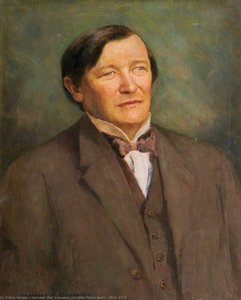
gertrude mary coventry
1886 - 1964
Breves datos
- Artistic Movement Or Style: Glasgow School Art
- Artists Or Movements Influenced By This Artist: ['Royal Glasgow Institute']
- Artists Who Influenced This Artist: ['Robert McGowan Coventry']
- Date Of Birth: 1886-11-02
- Date Of Death: 1964
- Full Name: Gertrude Mary Coventry
- Nationality: Scottish
- Notable Artworks:
- Edward Greenly
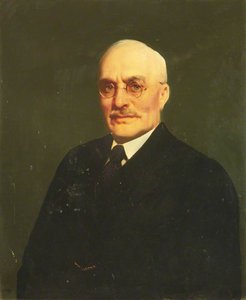
- Portrait of an Unknown Man
- Alderman Leslie Lever
- Place Of Birth: Glasgow, Scotland

