 Ver en contexto
 Enviar
 Compartir
 Detalles

 Descargar
 Similares
 Radiografía
 Presentación de diapositivas
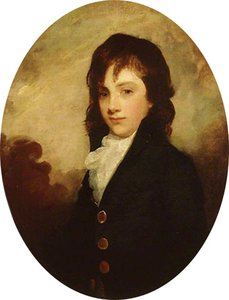
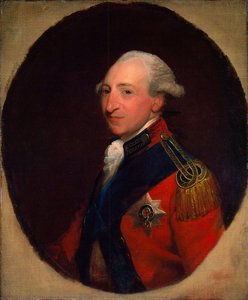
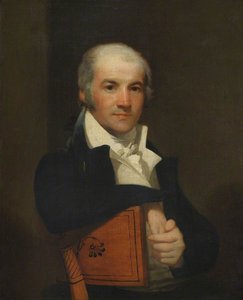
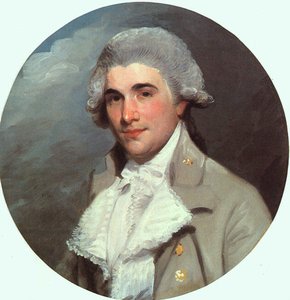
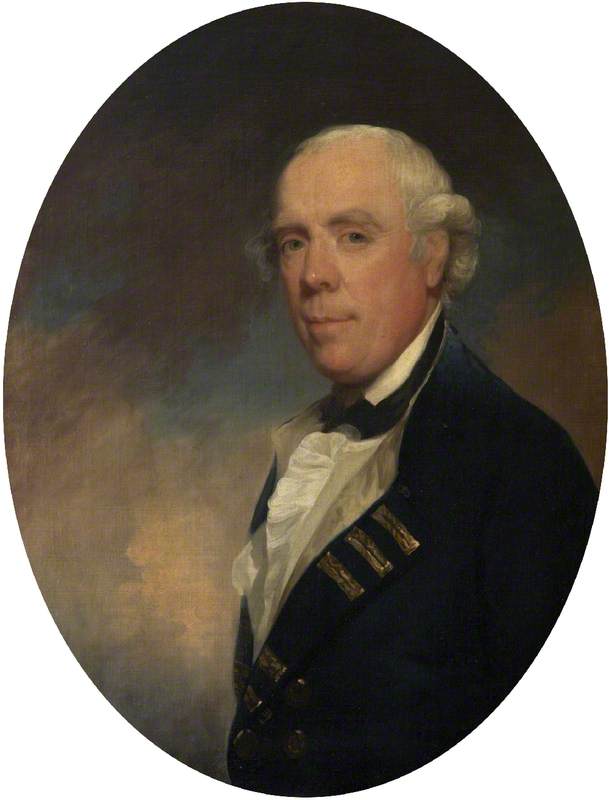
Admiral the Honourable Samuel Barrington (1729–1800)
 Oil On Canvas
- WallArt
- Neoclassicism
 1786
1786 76.0 x 64.0 cm
 National Trust
 Ver más
Reproducción al óleo hecha a mano
Óleo sobre lienzo pintado a mano en el tamaño y marco de su elección, realizado por encargo por nuestros artistas. ( Comprar impresión Comprar imagen)




P118B $10

P118H $10

P118W $10

P438Z $10

P508JH $12

P508YH $12

P805H $10

P805Z $10

P919BZ $10

P919G $10

P919XJ $10

P959ZH $10

P968JZ $12

W106C $8

W218G $10

W218JH $8

W218Y $10

W307PJ $10

W316G $10

W316PJ $8

W316Y $10

W398PJ $8

W4111J $10

W500HY $15

W500JH $15

W692G $12

W849H $8

W940BG $15

W953PJ $8




Elija entre nuestros tamaños predefinidos que respetan las proporciones originales de la obra.

Puede ingresar sus propias dimensiones para adaptarse a un marco o espacio específico. Si el tamaño seleccionado no coincide con las proporciones de la imagen original, recortaremos la obra o extenderemos la pintura con elementos adicionales pintados a mano. Se le enviará una maqueta digital para su aprobación antes de comenzar la producción.
Tenga en cuenta que la vista previa en pantalla no refleja el recorte o la extensión reales. Solo la maqueta mostrará con precisión la composición final.
Si bien existen tamaños personalizados, recomendamos seleccionar una dimensión de la lista predefinida para preservar las proporciones originales.
Tras realizar el pedido, el equipo de ArtsDot.com enviará un correo electrónico al cliente para solicitar instrucciones y proporcionarle una vista previa del boceto.
Envío a todo el mundo () en 3-4 semanas en lugar de las 5 semanas estándar. (23 agosto). Sin comprometer la calidad.

Envío exprés gratuito a todo el mundo

Lienzo de lino de alta calidad

Seguro de envío total

Garantía de reembolso de impuestos aduaneros

Garantía de fidelidad cromática exacta

Política de devolución de 60 días (solo por defectos)

Garantía de devolución del 100% del dinero

Descuento por cantidad
 La opción de vidrio solo está disponible en tamaños inferiores a 110 cm.

Admiral the Honourable Samuel Barrington (1729–1800)
Técnica de reproducción
Dimensiones de la reproducción
-


Precio total final
$ 263
Descripción de la obra
The Dignified Presence of Samuel Barrington
Gilbert Stuart’s portrait of Admiral the Honourable Samuel Barrington, painted in 1786, is more than just a likeness; it's a carefully constructed embodiment of Georgian naval authority and aristocratic grace. The painting captures a man at the zenith of his career – a seasoned admiral commanding respect both on land and sea – presenting an image of controlled power tempered by a subtle air of cultivated refinement. Barrington himself was a figure of considerable importance, serving with distinction during the American Revolutionary War and later rising through the ranks to become a prominent member of Parliament. Stuart’s skill lies not merely in replicating features but in conveying character, status, and the weight of experience.
The composition is classically balanced, reflecting the prevailing aesthetic sensibilities of the time. Barrington stands squarely within the frame, his posture erect and dignified, suggesting both strength and composure. His gaze, direct yet measured, engages the viewer with an almost challenging confidence. The dark, rich tones of his suit – a deep navy blue or perhaps a somber brown – immediately establish a sense of formality and importance, while the subtle variations in lighting across his face and clothing create a dynamic interplay of shadow and highlight, adding depth and realism to the portrait. Note the meticulous detail in the rendering of his lace cravat and the intricate folds of his coat; these elements speak volumes about his wealth and social standing.
A Window into the Age of Sail
To fully appreciate this portrait, it’s essential to understand the context within which it was created. The late 18th century was a period of immense naval expansion and global exploration, fueled by trade, colonialism, and burgeoning national identities. Figures like Barrington were central to this era – commanding fleets, negotiating treaties, and shaping the geopolitical landscape. Stuart's portrait serves as a visual record of this age of sail, capturing not only the appearance of a prominent admiral but also the values and aspirations associated with naval leadership.
The painting’s style aligns closely with Neoclassicism, a movement that drew inspiration from the art and architecture of ancient Greece and Rome. This influence is evident in the portrait's emphasis on idealized forms, balanced compositions, and restrained emotional expression. However, Stuart subtly departs from strict Neoclassical conventions, injecting a degree of warmth and humanity into his subject’s portrayal. Barrington isn’t depicted as an austere or distant figure; instead, he possesses a quiet dignity that invites empathy and admiration.
Symbolism and the Portraiture Tradition
Beyond its formal qualities, the portrait is rich in symbolic meaning. The admiral's attire – particularly his naval uniform – signifies his authority and status within the military hierarchy. The inclusion of specific details, such as the medals adorning his chest or the intricate patterns on his clothing, further reinforces this message. The pose itself—standing at attention, with one hand resting lightly on a sword—is a common convention in portraiture, conveying readiness for action and a commitment to duty.
Furthermore, the portrait adheres to established conventions of aristocratic representation. The careful attention to detail, the luxurious fabrics, and the restrained expression all contribute to an image of cultivated elegance and social grace – qualities highly valued within the upper echelons of Georgian society. The painting reflects a tradition of portraying prominent figures as embodiments of virtue, intelligence, and leadership, reinforcing their position within the social order.
A Timeless Image of Authority
Admiral Barrington’s portrait endures not simply as a representation of a historical figure but as an enduring symbol of authority, dignity, and the complexities of Georgian society. Gilbert Stuart's masterful technique—his ability to capture both physical likeness and psychological depth—has created an image that continues to resonate with viewers today. It is a testament to the power of portraiture to transcend time and offer a glimpse into the lives and aspirations of those who shaped their world.
Obras relacionadas
Biografía del artista
Gilbert Stuart: Una Vida Dedicada al Retrato
- Nacido: 3 de diciembre de 1755, Saunderstown, Rhode Island
- Fallecido: 9 de julio de 1828, Boston, Massachusetts
- Nacionalidad: Estadounidense
- Movimiento: Neoclasicismo
- Conocido por: Retratista, especialmente retratos de figuras prominentes en la historia temprana estadounidense.
Primeros Años y Formación
- Gilbert Stuart nació en una familia con raíces escocesas; su padre, también llamado Gilbert, fue un inventor que estableció el primer molino de rapé en Rhode Island.
- Su talento artístico surgió a una edad temprana, demostrando habilidad incluso cuando era niño.
- A los 14 años, pintó "Dr. Hunter's Spaniels", mostrando una promesa inicial.
- Viajó a Escocia alrededor de 1771 para estudiar bajo Cosmo Alexander, pero regresó después del fallecimiento de Alexander en 1775.
- Una mayor formación se produjo en Londres con Benjamin West, un destacado pintor estadounidense residente en Inglaterra, de 1775 a 1780. Este período fue crucial para desarrollar su estilo artístico y obtener reconocimiento dentro de la Royal Academy.
Carrera Artística y Obras Principales
- La carrera de Stuart se enfrentó a desafíos durante la Revolución Americana, lo que le llevó a trasladarse a Inglaterra en 1775.
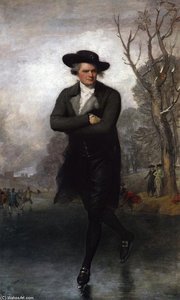
- Alcanzó un éxito temprano con "The Skater" (1782), un retrato que estableció su reputación.
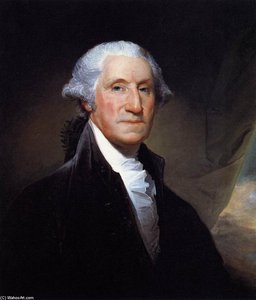
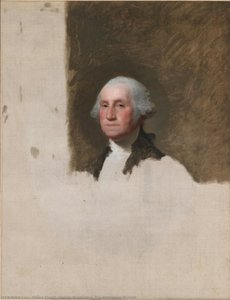
- Su obra más famosa es el retrato inacabado de George Washington, conocido como el Retrato del Athenaeum (comenzado en 1796). Esta imagen se ha convertido en un símbolo perdurable de la identidad y el liderazgo estadounidenses. Stuart produjo numerosos copias de este retrato para patrones en América y Europa.
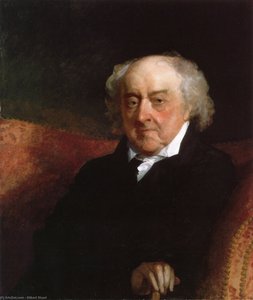
- Pintó retratos de otras figuras prominentes, incluyendo a John Adams, Thomas Jefferson, James Madison y muchos miembros de la élite federalista.
- El estilo de Stuart se caracterizaba por un enfoque neoclásico, que enfatizaba el realismo y capturaba el parecido y el carácter de sus sujetos. A menudo empleaba un uso dramático de la luz y la sombra para mejorar el impacto de los retratos.
Influencias y Desarrollo
- Cosmo Alexander proporcionó una formación temprana en técnica y composición.
- La influencia de Benjamin West fue significativa, moldeando la comprensión de Stuart sobre el retrato y los principios artísticos.
- El movimiento neoclásico, con su énfasis en las formas e ideales clásicos, influyó fuertemente en su estilo.
- Las propias observaciones y interacciones de Stuart con sus sujetos contribuyeron a la profundidad psicológica y al realismo en sus retratos. Buscaba capturar no solo un parecido sino también el carácter y la personalidad de aquellos que pintaba.
Significado Histórico y Legado
- Gilbert Stuart es considerado uno de los principales retratistas estadounidenses, desempeñando un papel vital en la documentación de los primeros años de Estados Unidos.
- El Retrato del Athenaeum de George Washington se ha convertido en un símbolo perdurable de la identidad y el liderazgo estadounidense.
- Sus retratos proporcionan valiosas perspectivas históricas sobre las vidas y apariencias de figuras prominentes de finales del siglo XVIII y principios del XIX.
- La obra de Stuart está representada en importantes museos de Estados Unidos y Europa, lo que garantiza que su legado continúe siendo apreciado por generaciones.
- Estableció un estilo distintivo de retrato estadounidense que combinaba técnicas europeas con sensibilidades estadounidenses únicas.
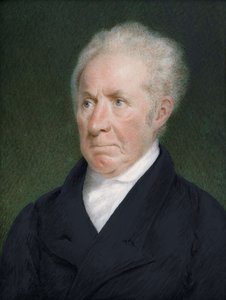
Gilbert Stuart
1755 - 1828 , Reino Unido
Datos clave
- Artistas Que Influyeron:
- Cosmo Alexander
- Benjamin West
- Fecha De Fallecimiento: 9 de julio de 1828
- Fecha De Nacimiento: 3 de diciembre de 1755
- Lugar De Nacimiento: Saunderstown, Reino Unido
- Movimiento Artístico: Neoclasicismo
- Nacionalidad: Estadounidense
- Nombre Completo: Gilbert Charles Stuart
- Obras Notables:
- Dr. Hunter's Spaniels
- The Skater
- Retrato del Ateneo de Washington
Artículos relacionados

The Enduring Legacy of Oil on Canvas: Technique, History & Aesthetic Impact
Explore the rich history & techniques of oil painting – from Renaissance masters to Impressionism. Discover pigments, layering methods, and why this timeless medium endures. Expert insights for artists & art enthusiasts.

El Óleo sobre Lienzo: Historia, Técnica y la Persistencia de un Medio Artístico Atemporal
Descubre la historia y técnica del óleo sobre lienzo. Explora reproducciones fieles hechas a mano, personalización artística y consejos de expertos con ArtsDot. ¡Colecciona arte con confianza!

The Enduring Power of Painting: A Historical & Contemporary Exploration of Form and Emotion
Explore the rich history & enduring techniques of oil painting with ArtsDot. Discover masterpieces, learn about art collecting, and find authentic handmade reproductions crafted by skilled artists.

El Legado Duradero del Óleo sobre Lienzo: Técnica, Historia y Práctica Contemporánea
Descubre la historia y técnica del óleo sobre lienzo. Explora reproducciones fieles hechas a mano, personalización artística y consejos de expertos con .
Oil on Board: A Historical Survey of Technique, Aesthetic Qualities & Enduring Appeal
Explore the rich history of oil on board painting! Discover techniques, aesthetic qualities & enduring appeal from early masters to modern practice. Expert insights for collectors and art enthusiasts.