 Vista previa
 Compartir
 Compartir
 Ver detalles

 Descargar
 Ver similares
 Radiografía
 Presentación de diapositivas
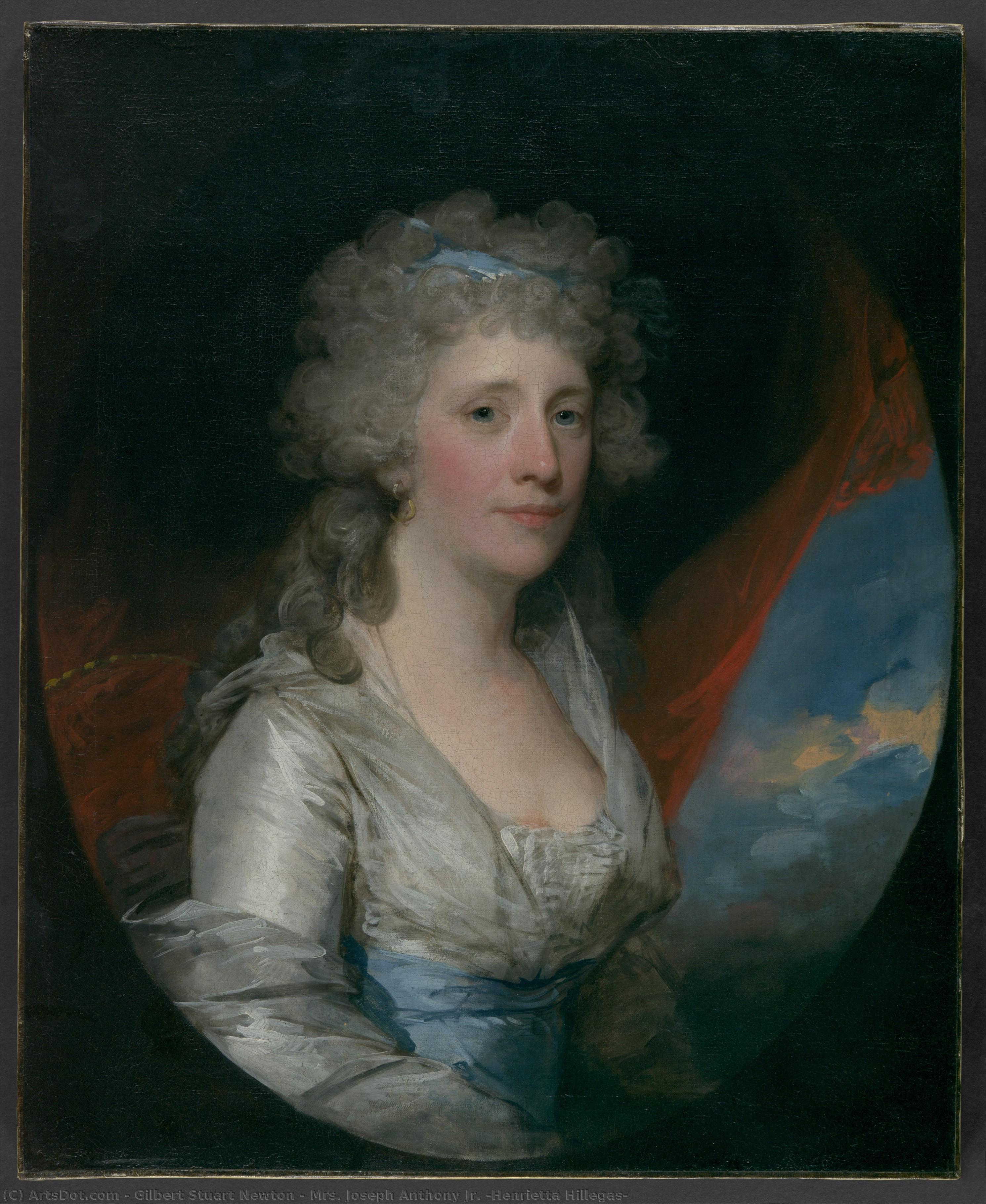
Mrs. Joseph Anthony Jr. (Henrietta Hillegas)
 Oil On Canvas
- WallArt
- Romanticism
 1795
1795 76.0 x 59.0 cm
 Museo Metropolitano de Arte
 Leer más
Giclée / Impresión de arte
Impresiones giclée o en lienzo de calidad de museo con producción rápida y opciones de acabado flexibles. ( Encargar reproducción pintada a mano Comprar descarga)




P118B $10

P118H $10

P118W $10

P438Z $10

P508JH $12

P508YH $12

P805H $10

P805Z $10

P919BZ $10

P919G $10

P919XJ $10

P959ZH $10

P968JZ $12

W106C $8

W218G $10

W218JH $8

W218Y $10

W307PJ $10

W316G $10

W316PJ $8

W316Y $10

W398PJ $8

W4111J $10

W500HY $15

W500JH $15

W692G $12

W849H $8

W940BG $15

W953PJ $8




Elija entre nuestros tamaños predefinidos que respetan las proporciones originales de la obra.

Puede introducir sus propias dimensiones para adaptarse a un marco o espacio específico. Si el tamaño seleccionado no coincide con las proporciones de la imagen original, recortaremos la obra de arte o extenderemos la imagen con un borde con efecto espejo o de color sólido. Se enviará una maqueta digital para su aprobación antes de que comience la producción.
Tenga en cuenta que la vista previa en pantalla no refleja el recorte o la extensión real. Solo la maqueta mostrará con precisión la composición final.
Aunque existen tamaños personalizados, recomendamos seleccionar una dimensión de la lista predefinida para preservar las proporciones originales.
Envío a todo el mundo () en 2 semanas en lugar de las 4/5 semanas estándar. (20 agosto)

Envío exprés gratuito a todo el mundo

Lienzo de lino de alta calidad

Seguro de envío completo

Garantía de reembolso de aranceles aduaneros

Garantía de fidelidad cromática exacta

Política de devolución de 60 días (solo por defectos)

Garantía de devolución del 100% del dinero

Oferta por volumen
 La opción de vidrio solo está disponible en tamaños inferiores a 110 cm.

Mrs. Joseph Anthony Jr. (Henrietta Hillegas)
Giclée / Impresión de arte
Tamaño de la reproducción
-


Precio total
$ 62
Descripción de la pieza
A Portrait of Philadelphia Society: Mrs. Joseph Anthony Jr. by Gilbert Stuart Newton
Gilbert Stuart Newton’s “Mrs. Joseph Anthony Jr.”, painted in 1795, is more than just a likeness; it's a meticulously crafted window into the refined world of early American society. This captivating portrait, now beautifully reproduced on canvas, offers a glimpse into the life and aspirations of Henrietta Hillegas Anthony, wife of the prominent silversmith Joseph Anthony – a man whose own legacy would later intertwine with that of the renowned Gilbert Stuart.
Newton’s style is distinctly Romantic, echoing the sensibilities prevalent in Europe during his time. He skillfully blends observation with an expressive use of light and shadow, creating a sense of depth and intimacy rarely found in American portraiture of the period. The composition itself is carefully balanced – Mrs. Anthony occupies the central space, her gaze directly engaging the viewer, fostering a connection that transcends mere representation.
The Woman Behind the Portrait
Henrietta Hillegas’s story is inextricably linked to Philadelphia's burgeoning elite. Born into a family of considerable wealth derived from sugar refining and iron manufacturing – her father, Michael Hillegas, served as the first treasurer of the United States – she was positioned at the heart of a vibrant social scene. The portrait captures her not just as a wife and mother, but as a woman embodying the virtues prized in 18th-century society: grace, elegance, and quiet dignity. Her blonde hair is styled with a delicate pink bow, a subtle detail that speaks to the fashionable trends of the time, while her attire – a blue dress adorned with a crisp white shirt and complemented by a pearl necklace – reflects the wealth and status she represented.
Interestingly, Henrietta’s marriage to Joseph Anthony brought her into direct contact with Gilbert Stuart himself. Joseph was a cousin of the celebrated portrait painter, and it's believed that Stuart may have even executed the original portrait before Newton took over. This connection adds another layer of artistic lineage to this already compelling work.
Technique and Artistic Nuances
Newton’s brushwork is remarkably fluid and expressive, particularly evident in the rendering of Mrs. Anthony's face and drapery. He masterfully employs sfumato – a technique borrowed from Renaissance masters – to create soft transitions between light and shadow, lending an ethereal quality to the portrait. The subtle blush on her cheeks, the delicate curve of her lips, and the gentle expression in her eyes all contribute to a sense of realism that belies the idealized nature of formal portraits.
The choice of a dark background is deliberate, drawing attention to Mrs. Anthony and emphasizing her presence within the composition. It also evokes a sense of formality and sophistication, aligning with the portrait’s overall aesthetic. The meticulous detail in the rendering of her gown – the intricate folds of the fabric, the subtle sheen of the pearls – speaks to Newton's technical skill and his dedication to capturing every nuance of her appearance.
Symbolism and Emotional Resonance
Beyond a simple likeness, “Mrs. Joseph Anthony Jr.” is imbued with symbolic meaning. The portrait represents not only Henrietta’s individual identity but also the values and aspirations of Philadelphia society during this period. Her direct gaze invites contemplation, suggesting an inner strength and resilience – qualities admired in women of her social standing.
The painting's enduring appeal lies in its ability to evoke a sense of nostalgia for a bygone era. It offers a glimpse into the lives of those who shaped early America, reminding us of the elegance, sophistication, and social complexities that defined this pivotal period in history. A reproduction of this remarkable portrait is more than just a decorative piece; it’s a tangible connection to the past – a testament to the artistry of Gilbert Stuart Newton and the captivating story of Henrietta Hillegas Anthony.
Obras relacionadas
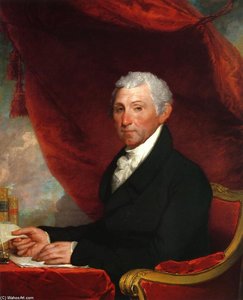
Biografía del artista
Gilbert Stuart Newton: Vida y Legado
Primeros Años y Trasfondo Familiar
- Nacimiento y Orígenes: Gilbert Stuart Newton nació el 2 de septiembre de 1795, en Halifax, Nueva Escocia. Fue el menor de doce hermanos.
- Conexiones Familiares: Su padre, Henry Newton, era un oficial de aduanas, mientras que su madre, Ann, poseía un linaje artístico de gran relevancia, al ser hija de Gilbert Stuart, el renombrado pintor de retratos estadounidense.
- Primeros Años y Regreso a América: La familia residió inicialmente en Boston, pero tras la muerte de su padre, regresaron a Charlestown, cerca de Boston, en 1803.
Formación Artística e Influencias
- Camino Inicial y Guía del Tío: Aunque inicialmente se le destinaba a una carrera comercial, Newton fue aprendiz de su tío, Gilbert Stuart, lo que marcó el inicio de su viaje artístico.
- Estudios Europeos: Viajó a Europa junto a un hermano mayor y estudió pintura en Florencia. Sus visitas posteriores a París en 1817 le permitieron conocer a artistas como Charles Robert Leslie, Washington Allston y David Wilkie.
- Royal Academy y Formación Formal: Newton continuó su educación en la Royal Academy de Londres tras un periodo de estancia en los Países Bajos.
Estilo Artístico y Temas Principales
- Sensibilidades Románticas: La obra de Newton se categoriza generalmente dentro del movimiento Romántico, caracterizado por su intensidad emocional y sus narrativas dramáticas.
- Inspiraciones Literarias y Poéticas: Alcanzó especial renombre por sus pinturas inspiradas en la literatura y la poesía. Temas extraídos de obras como Don Quijote y Shakespeare fueron prominentes en su producción artística.
- Retratos y Escenas de Género: Si bien realizó retratos, incluyendo a figuras notables como Washington Irving, Newton también destacó en escenas de género que representaban momentos clave de las narrativas literarias.
Logros Clave y Reconocimiento
- Afiliación a la Royal Academy: Newton fue elegido Académico Honorario de la National Academy of Design (1827), Asociado de la Royal Academy (1829) y Académico de pleno derecho en 1832.
- Exposiciones y Mecenazgo: Expuso regularmente en la Royal Academy a partir de 1818, ganando reconocimiento y atrayendo a mecenas como el Marqués de Lansdowne.
- Colecciones Públicas: Sus obras llegaron a formar parte de importantes colecciones públicas, incluyendo la National Gallery y el South Kensington Museum (actualmente el V&A).
Últimos Años y Legado
- Salud Mental y Años Finales: Poco después de su elección en la Royal Academy, Newton comenzó a padecer enfermedades mentales. Fue ingresado en un asilo en Chelsea, donde continuó pintando hasta su muerte el 5 de agosto de 1835.
- Lugar de Sepultura: Descansa en la iglesia de St Mary en Wimbledon, Londres.
- Significado Histórico: Aunque quedó a la sombra de su tío Gilbert Stuart, Newton logró forjar un lugar propio como un artista hábil e imaginativo del periodo Romántico. Sus pinturas inspiradas en la literatura ofrecen una ventana a los gustos culturales y las tendencias artísticas de la Gran Bretaña del siglo XIX.
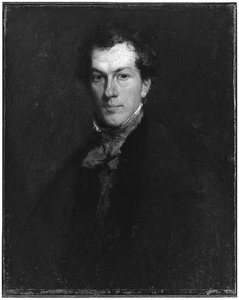
Gilbert Stuart Newton
1795 - 1835 , Nueva Escocia
Datos clave
- Movement: Romanticismo
- Name: Gilbert Stuart Newton
- Nationality: Británica
Artículos relacionados
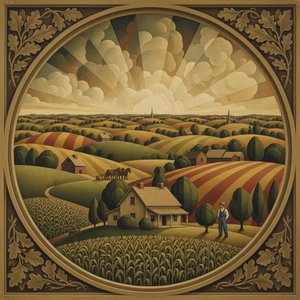
Grant Wood & American Regionalism: Identity, Myth & the Rural Landscape
Explore the world of Grant Wood & American Regionalism with ArtsDot. Discover the symbolism behind 'American Gothic', recurring themes, and the movement's lasting impact on art history. High-quality reproductions available.
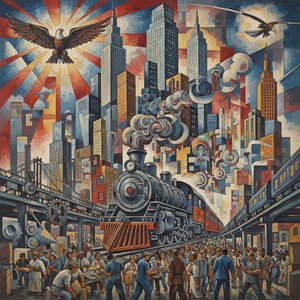
Joseph Stella: Modernism's Dynamic Vision of Industry, Urban Life & the American Spirit
Explore the captivating world of Joseph Stella, a pioneer of American Modernism. Discover his iconic depictions of industry, urban life & the Brooklyn Bridge. Expert analysis for art collectors.
Realismo Estadounidense: 10 Obras Maestras que Cambiaron el Arte y la Decoración
Descubre 10 obras maestras del Realismo Estadounidense: Winslow Homer, Edward Hopper y más. Explora la historia, técnica y emoción de estos icónicos cuadros. Encuentra reproducciones de arte de museo en ArtsDot.com.
Stuart Davis: Modernist Abstraction & the Vibrant Spirit of the Jazz Age
Explore the vibrant world of Stuart Davis, a pioneer of American Modernism. Discover his jazz-inspired paintings, signature style & investment potential. Expert insights for art collectors.
Joseph Henry Sharp: Capturing the Spirit of the Plains – Life, Art & Legacy
Explore the life & art of Joseph Henry Sharp, a founding member of the Taos Society of Artists renowned for his realistic depictions of Native American culture and Western landscapes. Discover his legacy with ArtsDot.