

 Ver en contexto
 Enviar
 Compartir
 Detalles

 Descargar
 Similares
 Radiografía
 Presentación de diapositivas
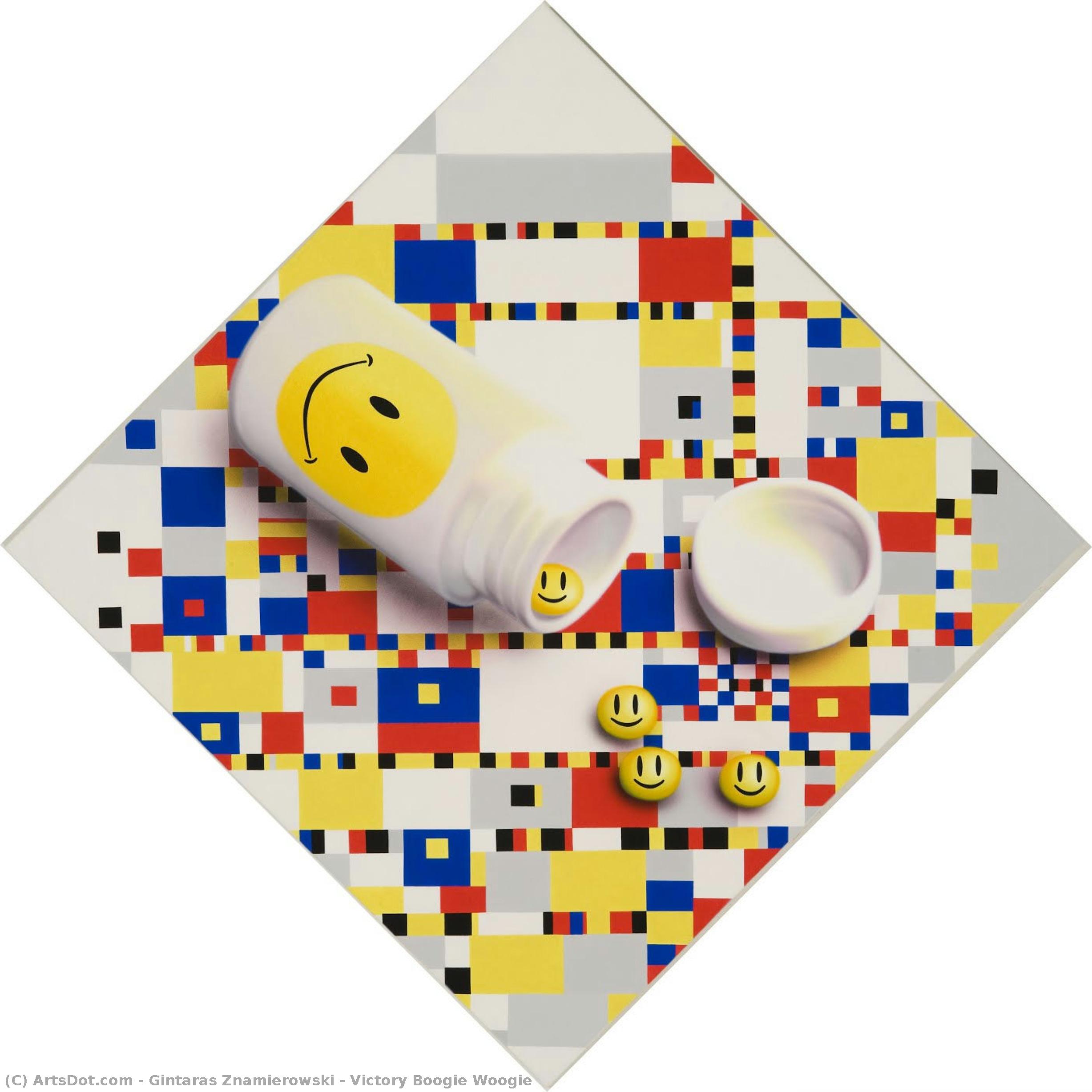
Victory Boogie Woogie
 Painting
- Contemporary Art
 Contemporary
 120.0 x 120.0 cm
 MO Museo / MO museo
 Ver más
Giclée / Impresión de arte
Impresiones giclée o en lienzo de calidad de museo con producción rápida y opciones de acabado flexibles. ( Comprar pintura hecha a mano Comprar imagen)




P118B $10

P118H $10

P118W $10

P438Z $10

P508JH $12

P508YH $12

P805H $10

P805Z $10

P919BZ $10

P919G $10

P919XJ $10

P959ZH $10

P968JZ $12

W106C $8

W218G $10

W218JH $8

W218Y $10

W307PJ $10

W316G $10

W316PJ $8

W316Y $10

W398PJ $8

W4111J $10

W500HY $15

W500JH $15

W692G $12

W849H $8

W940BG $15

W953PJ $8




Elija entre nuestros tamaños predefinidos que respetan las proporciones originales de la obra.

Puede introducir sus propias dimensiones para adaptarse a un marco o espacio específico. Si el tamaño seleccionado no coincide con las proporciones de la imagen original, recortaremos la obra de arte o extenderemos la imagen con un borde con efecto espejo o de color sólido. Se enviará una maqueta digital para su aprobación antes de que comience la producción.
Tenga en cuenta que la vista previa en pantalla no refleja el recorte o la extensión real. Solo la maqueta mostrará con precisión la composición final.
Aunque existen tamaños personalizados, recomendamos seleccionar una dimensión de la lista predefinida para preservar las proporciones originales.
Envío a todo el mundo () en 2 semanas en lugar de las 4/5 semanas estándar. (7 septiembre)

Envío exprés gratuito a todo el mundo

Lienzo de lino de alta calidad

Seguro de envío total

Garantía de reembolso de impuestos aduaneros

Garantía de fidelidad cromática exacta

Política de devolución de 100 días (solo por defectos)

Garantía de devolución del 100% del dinero

Descuento por cantidad
 La opción de vidrio solo está disponible en tamaños inferiores a 110 cm.

Victory Boogie Woogie
Giclée / Impresión de arte
Dimensiones de la reproducción
-


Precio total final
$ 62
A Kaleidoscope of Joy: The Vibrant World of Gintaras Znamierowski
In the contemporary landscape of abstract expressionism, few artists command attention with as much playful audacity as Gintaras Znamierowski. His work, exemplified by the mesmerizing Victory Boogie Woogie, serves as a rhythmic dance of color and geometry. This particular piece invites the viewer into a jubilant sensory experience, where the boundaries between pop art whimsy and structured abstraction dissolve. At first glance, the eye is immediately captured by a central, smiling visage, constructed not from fluid lines, but from a meticulous mosaic of vibrant yellow and crimson squares. It is a masterpiece of pixelated emotion, where every block of color contributes to a larger, pulsing heartbeat of joy.
The technique employed in this work reflects Znamier::rowski's unique background in stained glass, a discipline that demands an intimate understanding of how light interacts with color boundaries. Although the subject matter appears lighthearted—a smiling face accompanied by unexpected elements like white caps and a brightly colored bottle—the execution is deeply sophisticated. The artist utilizes a mosaic-like approach, where each square acts as a window into a different facet of light. This method creates a shimmering effect, as if the painting itself were vibrating with the syncopated energy of a jazz melody, much like the titular "Boogie Woogie" rhythm that inspires its movement.
Beyond its surface-level charm, the composition offers a profound exploration of modern symbolism and the architecture of perception. The inclusion of seemingly disparate objects—the caps and the bottle—serves to disrupt the traditional expectations of portraiture, pushing the viewer toward a more postmodern interpretation. It challenges us to find harmony in the fragmented and beauty in the unexpected. For the discerning collector or interior designer, this piece offers more than just decoration; it provides a focal point of high-energy optimism. The bold interplay of primary tones against the structured grid makes it an ideal statement piece for modern, avant-garde spaces, bringing a sense of curated whimsy and intellectual depth to any sophisticated interior.
To possess a reproduction of such a work is to invite a permanent state of rhythmic vitality into one's environment. Znamierowski’s ability to blend the structural rigor of his early training with a liberated, conceptual spirit ensures that Victory Boogie Woogie remains a timeless testament to the power of color. It is an invitation to smile, to reflect, and to find the underlying order within the beautiful chaos of the modern world.
Obras relacionadas
Biografía del artista
Gintaras Znamierowski: A Cartographer of the Art World
Lithuanian artist Gintaras Znamierowski isn’t simply a painter; he's an architect of perception, meticulously constructing narratives around art itself. Born in 1970 in Vilnius, his work transcends traditional boundaries, venturing into conceptualism, postmodernism, and even a touch of anthropological inquiry. Znamierowski doesn’t merely depict subjects; he dissects the very act of artistic observation, creating layered works that invite prolonged contemplation and challenge conventional notions of art criticism and research. His career is marked by a deliberate blurring of lines – between artist, critic, researcher, and even the institutions that shape our understanding of art.
Znamierowski’s formal training began at the Lithuanian Institute of Art in 1988, where he honed his skills in stained glass and painting. However, it was a growing dissatisfaction with the established frameworks of artistic discourse that propelled him toward his distinctive approach. He recognized that art criticism and research often operate within insulated circles, detached from the lived experience of both artists and viewers. This realization fueled his desire to expose the methodologies – and sometimes the biases – inherent in these fields.
The Ethnographic Turn: Deconstructing Art Research
A pivotal moment in Znamierowski’s artistic trajectory arrived with his 2017 exhibition, “2017 12 27 – 2018 03 17. Gintaras Znamierowski: Art Criticism.” This project, presented at the Jonas Mekas Visual Arts Center in Vilnius, fundamentally shifted his focus. He adopted an ethnographic methodology, treating art research and criticism as distinct subcultures with their own unique languages, traditions, and power dynamics. The exhibition itself functioned as a meticulously curated “museum-like” installation, presenting a comprehensive overview of these practices – from the tools used by researchers to the symbolic significance of artistic objects.
Znamierowski’s approach isn't simply descriptive; it’s deeply analytical. He examines the ‘bribes’—the artworks that actively insert themselves into the network of relationships between critics and researchers, acting as conduits for communication and influence. The exhibition’s structure – divided into “Image, View and Overview,” “Environment, Contacts and Bribes,” and “Structure, Thinking and Linking” – reflects this layered investigation. Each section peels back another layer of abstraction, revealing the complex interplay of power, perception, and interpretation that shapes our understanding of art.
A Synthesis of Disciplines
Znamierowski’s work is profoundly influenced by a diverse range of sources. His background in stained glass reflects a deep appreciation for craftsmanship and visual storytelling. Conceptualism and postmodernism provide him with the tools to deconstruct traditional artistic hierarchies, while his interest in anthropology offers a framework for understanding cultural practices – both within the art world and beyond. He draws inspiration from the work of Jonas Mekas, a Lithuanian filmmaker known for his experimental approach to documentary and personal film, as well as Kęstutis Šapoka, curator of the exhibition.
His artistic practice extends beyond the canvas; he actively engages in writing and criticism, further solidifying his position as a key voice within contemporary Lithuanian art. Znamierowski’s writings often mirror the analytical rigor of his visual work, exploring themes of representation, subjectivity, and the role of the critic.
Contemporary Relevance & Artistic Legacy
Gintaras Znamierowski's work resonates powerfully in an era increasingly dominated by digital media and algorithmic analysis. His exploration of art criticism as a cultural practice—a complex web of relationships, biases, and power dynamics—offers a timely reminder that understanding art requires more than simply decoding its visual elements; it demands a critical engagement with the context in which it is produced and received.
His ongoing commitment to promoting contemporary Lithuanian art, alongside his distinctive artistic vision, ensures that Znamierowski remains a vital figure in the international art scene. He continues to push boundaries, challenging viewers to reconsider their assumptions about art, criticism, and the very nature of knowledge itself. His work serves as a compelling testament to the power of art to illuminate not just aesthetic beauty but also the intricate workings of our cultural landscape.
gintaras znamierowski
1970 - , Lithuania
Datos clave
- Artistic Movement Or Style: Conceptual/Postmodern
- Artists Or Movements Influenced By This Artist: ['Contemporary Art']
- Artists Who Influenced This Artist: ['None specified']
- Date Of Birth: 1970
- Full Name: Gintaras Znamierowski
- Nationality: Lithuanian
- Notable Artworks: ['One and Two Women']
- Place Of Birth: Lithuania (Vilnius)
Artículos relacionados

Crimson Threads of Narrative: Exploring Symbolism & Representation in Artworks Featuring the Red Dress
Explore the rich symbolism of the red dress in art history! From ancient power displays to iconic portraits like Cézanne’s 'Madame Cezanne', discover the cultural and artistic significance behind this captivating color. Expert analysis & insights.
Los 10 cuadros más famosos dominados por el 'amarillo cromo': Arte y decoración
Descubre los 10 cuadros más emblemáticos dominados por el 'amarillo cromo': Van Gogh, Monet y otros maestros. Historia del arte, técnicas y decoración con lienzos impresionistas. ¡Explora la colección completa en ArtsDot.com!
Los 10 cuadros más famosos dominados por el ocre amarillo: Arte y decoración atemporal
Descubre los 10 cuadros más famosos con tonos ocres amarillos. Explora la historia de Van Gogh, Monet y otros artistas clave del impresionismo y postimpresionismo. Encuentra reproducciones de arte de museo en .
Mark Rothko: Las 25 Obras Maestras que Definen la Expresión Abstracta | ArtsDot
Descubre las 25 obras maestras de Mark Rothko, pionero del expresionismo abstracto. Explora la historia, el significado y los colores vibrantes que definen su arte emocional. Reproducciones de alta calidad en ArtsDot.com.
The Golden Hue: Exploring Symbolism & Emotion in Yellow Art
Explore the rich symbolism & emotional power of yellow in art history! From Van Gogh to Kandinsky, discover how artists used this vibrant hue. Expert analysis & high-quality reproductions at ArtsDot.