 Ver en contexto
 Enviar
 Compartir
 Detalles

 Descargar
 Similares
 Radiografía
 Presentación de diapositivas
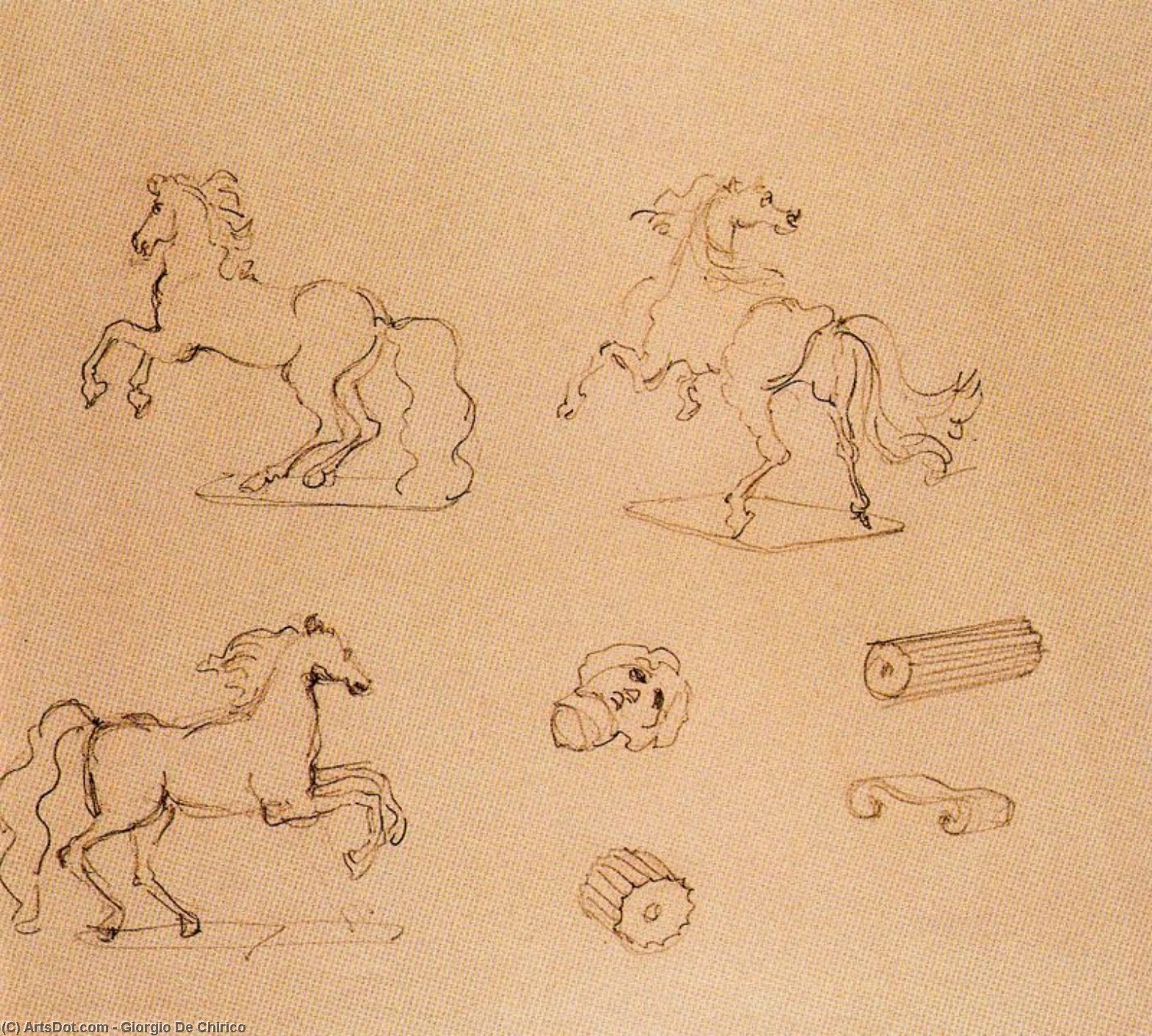
A horse


 Ver más
Giclée / Impresión de arte
Impresiones giclée o en lienzo de calidad de museo con producción rápida y opciones de acabado flexibles. ( Comprar pintura hecha a mano Comprar imagen)




P118B $10

P118H $10

P118W $10

P438Z $10

P508JH $12

P508YH $12

P805H $10

P805Z $10

P919BZ $10

P919G $10

P919XJ $10

P959ZH $10

P968JZ $12

W106C $8

W218G $10

W218JH $8

W218Y $10

W307PJ $10

W316G $10

W316PJ $8

W316Y $10

W398PJ $8

W4111J $10

W500HY $15

W500JH $15

W692G $12

W849H $8

W940BG $15

W953PJ $8




Elija entre nuestros tamaños predefinidos que respetan las proporciones originales de la obra.

Puede introducir sus propias dimensiones para adaptarse a un marco o espacio específico. Si el tamaño seleccionado no coincide con las proporciones de la imagen original, recortaremos la obra de arte o extenderemos la imagen con un borde con efecto espejo o de color sólido. Se enviará una maqueta digital para su aprobación antes de que comience la producción.
Tenga en cuenta que la vista previa en pantalla no refleja el recorte o la extensión real. Solo la maqueta mostrará con precisión la composición final.
Aunque existen tamaños personalizados, recomendamos seleccionar una dimensión de la lista predefinida para preservar las proporciones originales.
Envío a todo el mundo () en 2 semanas en lugar de las 4/5 semanas estándar. (7 septiembre)

Envío exprés gratuito a todo el mundo

Lienzo de lino de alta calidad

Seguro de envío total

Garantía de reembolso de impuestos aduaneros

Garantía de fidelidad cromática exacta

Política de devolución de 100 días (solo por defectos)

Garantía de devolución del 100% del dinero

Descuento por cantidad
 La opción de vidrio solo está disponible en tamaños inferiores a 110 cm.

A horse
Giclée / Impresión de arte
Dimensiones de la reproducción
-


Precio total final
$ 62
A Study in Disquiet: De Chirico’s ‘A Horse’ – A Window into the Dreamscape
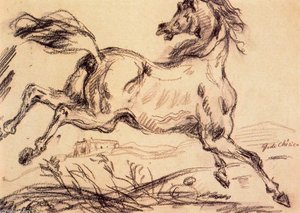
Giorgio de Chirico's 1949 drawing, “A Horse,” isn’t merely a depiction of four equine figures; it’s a meticulously crafted fragment of a dream, a potent distillation of the anxieties and philosophical inquiries that defined the artist’s oeuvre. Executed with a precise hand, the work immediately arrests the viewer with its unsettling stillness and the palpable sense of isolation emanating from each horse. The composition itself – a carefully arranged tableau of figures against an undefined backdrop – speaks to de Chirico's fascination with creating spaces that defy logic and invite contemplation on the nature of reality and perception. This piece exemplifies his signature style, blending classical influences with a distinctly modern sensibility, resulting in images that are both hauntingly beautiful and profoundly unsettling.
The Roots of Disorientation: De Chirico’s Influences
To fully appreciate “A Horse,” one must understand the intellectual currents that shaped de Chirico's artistic vision. Born in Volos, Greece, to Italian parents, he was immersed from a young age in contrasting cultural landscapes – the classical heritage of his ancestry and the burgeoning modernity of Europe. His early training in Athens exposed him to traditional techniques, but it was his time in Munich that proved transformative. Here, he encountered the evocative landscapes of Arnold Böcklin and the symbolic imagery of Max Klinger, artists who explored themes of melancholy and the uncanny. Crucially, de Chirico engaged deeply with the philosophical ideas of Nietzsche, Schopenhauer, and Weininger – thinkers grappling with existentialism, irrationality, and the subjective experience of reality. These concepts are powerfully reflected in his work, particularly in the unsettling juxtaposition of figures and the ambiguous spatial relationships within his compositions.
Symbolic Resonance: Horses, Objects, and the Unconscious
The inclusion of seemingly mundane objects – a skateboard, scissors, and an apple – adds another layer of complexity to “A Horse.” These elements aren’t simply decorative; they function as symbolic triggers, drawing upon de Chirico's interest in the unconscious mind. The horse itself has long been associated with power, freedom, and even death – themes frequently explored by the artist. The skateboard, a symbol of youthful energy and rebellion, introduces an element of disruption into the scene, while the scissors suggest a potential for fragmentation or destruction. The apple, a potent symbol in Western art history (echoing the story of Adam and Eve), adds a layer of moral ambiguity and perhaps hints at themes of temptation and transgression. The arrangement of these objects around the horses further amplifies the sense of unease and disorientation.
Technique and Emotional Impact: A Masterclass in Atmospheric Painting
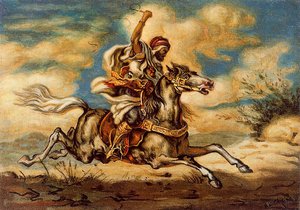
De Chirico’s meticulous technique is evident in the precise rendering of each horse, their musculature subtly defined, conveying a sense of restrained movement. The use of light and shadow creates a dramatic atmosphere, enhancing the painting's unsettling mood. The drawing’s monochromatic palette – likely graphite or charcoal – contributes to its starkness and reinforces the feeling of isolation. “A Horse” isn’t intended to offer easy answers; instead, it invites viewers to confront their own anxieties about existence, perception, and the nature of reality. It's a powerful example of de Chirico's ability to evoke profound emotional responses through seemingly simple imagery, solidifying his place as one of the most influential figures in 20th-century art.
Obras relacionadas
Biografía del artista
vida temprana e influencias
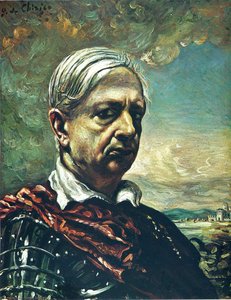
giorgio de chirico, un artista italiano reconocido, nació el 10 de julio de 1888 en Volos, Grecia, a una madre genovesa y un padre siciliano. Su vida temprana estuvo marcada por el estudio del arte en la Politécnica de Atenas bajo la guía de pintores griegos influyentes como Georgios Roulos y Georgios Jakobides. Esta base sentaría las bases para su estilo artístico único.el movimiento artístico metafísico
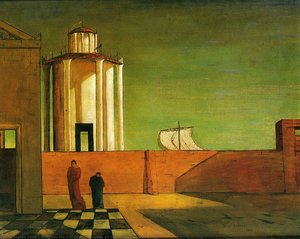
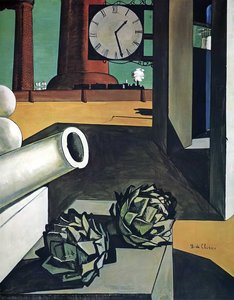
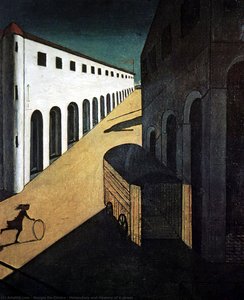
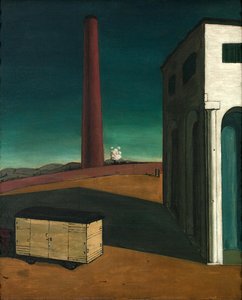
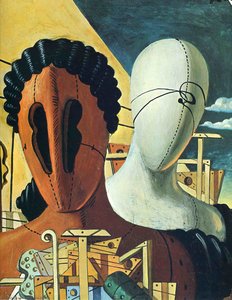
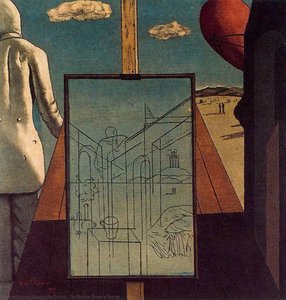
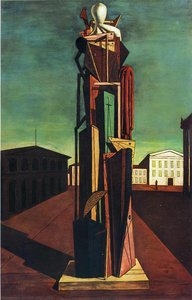
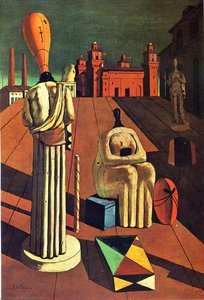
En 1910, de Chirico pionero el movimiento artístico metafísico, que influyó profundamente a los surrealistas. Sus obras de este período, caracterizadas por estados de ánimo inquietantes y escenarios oníricos, se ejemplifican en pinturas como las vexaciones del pensador (disponible en ArtsDot) y el enigma de la hora (visible en ArtsDot). Estas obras evocan una sensación de misterio, a menudo con contrastes agudos de luz y sombra.período post-metafísico
Después de 1919, el interés de de Chirico se desplazó hacia las técnicas pictóricas tradicionales, adoptando un estilo neoclásico o neo-barroco. Este cambio es evidente en sus obras posteriores, que, aunque no recibieron el mismo aplauso crítico que sus primeras piezas, demuestran una evolución madura en su enfoque artístico.legado e influencia
El impacto de de Chirico en el movimiento surrealista es innegable, con artistas como André Breton influenciados por sus pinturas metafísicas. Aunque su obra posterior no fue tan ampliamente aclamada, de Chirico sigue siendo una figura clave en la historia del arte moderno. Su legado continúa inspirando, con sus obras que forman parte de colecciones de todo el mundo, incluyendo el museo de giorgio de chirico, que ahora se encuentra cerca de las escaleras de la Plaza España en Roma.- explora más obras de giorgio de chirico en ArtsDot
- descubre el movimiento artístico metafísico y su influencia en el surrealismo a través de este artículo perspicaz en ArtsDot
- aprende más sobre la vida y obra de de Chirico en wikipedia
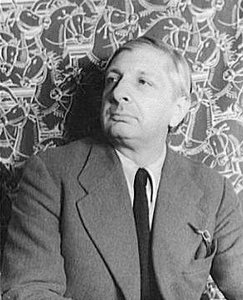
Giorgio de Chirico
1888 - 1978 , Grecia
Datos clave
- Artistas Influenciados:
- Surrealismo
- André Breton
- Artistas Que Influyeron:
- Arnold Böcklin
- Max Klinger
- Friedrich Nietzsche
- Fecha De Nacimiento: 10 de julio de 1888
- Lugar De Nacimiento: Volos, Grecia
- Movimiento Artístico: Arte metafísico
- Nacionalidad: Italiana
- Nombre Completo: Giorgio de Chirico
- Obras Notables:
- Las vexaciones del pensador
- El enigma de la hora
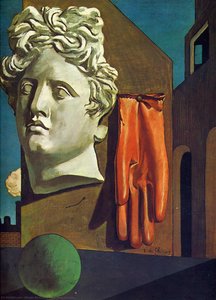
- La canción del amor
Artículos relacionados

Goya: Las 25 Obras Maestras del Genio Español | Reproducciones de Arte en ArtsDot
Descubre las 25 obras maestras de Goya, el genio español. Explora retratos icónicos, 'Los Caprichos' y 'Las Pinturas Negras'. Reproducciones de arte en lienzo de alta calidad para decorar tu hogar con estilo. ¡Encuentra tu obra favorita en ArtsDot.com!
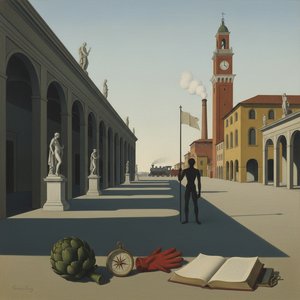
Giorgio de Chirico: Metaphysical Realities & the Poetics of Absence
Explore the captivating world of Giorgio de Chirico and his groundbreaking Metaphysical painting movement. Discover the philosophical depths & surreal imagery that influenced generations of artists. Learn more at ArtsDot.
Más Allá del Velo de la Realidad: Explorando el Enigmático Mundo del Arte Metafísico
Descubre el fascinante mundo del arte metafísico con ArtsDot. Análisis profundo de Giorgio de Chirico, su influencia en el surrealismo y las claves para interpretar sus enigmáticas obras. ¡Explora la historia y significado de este movimiento artístico!

Giclée Prints: Archival Quality & Aesthetic Nuances for the Discerning Collector
Explore the world of giclée prints with ArtsDot. Learn about archival quality, aesthetic nuances & investment potential. Expert guidance for discerning art collectors seeking museum-quality reproductions and lasting value.

Acerca de nosotros
Descubre nuestra historia! Llevamos el arte de clase mundial a tu vida gracias a una selección experta, creaciones personalizadas y vistas previas gratuitas. Aprobado por particulares y empresas desde el año 2000.