 Ver en contexto
 Enviar
 Compartir
 Detalles

 Descargar
 Similares
 Radiografía
 Presentación de diapositivas
The battle of Lapiths and Centaurs

 Ver más
Reproducción al óleo hecha a mano
Óleo sobre lienzo pintado a mano en el tamaño y marco de su elección, realizado por encargo por nuestros artistas. ( Comprar impresión Comprar imagen)




P118B $10

P118H $10

P118W $10

P438Z $10

P508JH $12

P508YH $12

P805H $10

P805Z $10

P919BZ $10

P919G $10

P919XJ $10

P959ZH $10

P968JZ $12

W106C $8

W218G $10

W218JH $8

W218Y $10

W307PJ $10

W316G $10

W316PJ $8

W316Y $10

W398PJ $8

W4111J $10

W500HY $15

W500JH $15

W692G $12

W849H $8

W940BG $15

W953PJ $8




Elija entre nuestros tamaños predefinidos que respetan las proporciones originales de la obra.

Puede ingresar sus propias dimensiones para adaptarse a un marco o espacio específico. Si el tamaño seleccionado no coincide con las proporciones de la imagen original, recortaremos la obra o extenderemos la pintura con elementos adicionales pintados a mano. Se le enviará una maqueta digital para su aprobación antes de comenzar la producción.
Tenga en cuenta que la vista previa en pantalla no refleja el recorte o la extensión reales. Solo la maqueta mostrará con precisión la composición final.
Si bien existen tamaños personalizados, recomendamos seleccionar una dimensión de la lista predefinida para preservar las proporciones originales.
Tras realizar el pedido, el equipo de ArtsDot.com enviará un correo electrónico al cliente para solicitar instrucciones y proporcionarle una vista previa del boceto.
Envío a todo el mundo () en 3-4 semanas en lugar de las 5 semanas estándar. (1 septiembre). Sin comprometer la calidad.

Envío exprés gratuito a todo el mundo

Lienzo de lino de alta calidad

Seguro de envío total

Garantía de reembolso de impuestos aduaneros

Garantía de fidelidad cromática exacta

Política de devolución de 60 días (solo por defectos)

Garantía de devolución del 100% del dinero

Descuento por cantidad
 La opción de vidrio solo está disponible en tamaños inferiores a 110 cm.

The battle of Lapiths and Centaurs
Técnica de reproducción
Dimensiones de la reproducción
-


Precio total final
$ 263
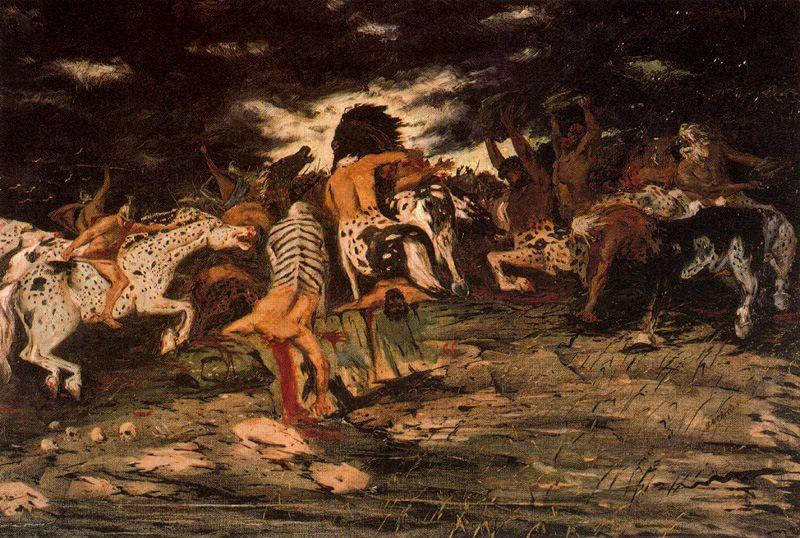
The Battle of Lapiths and Centaurs: A Dreamscape of Myth and Alienation
Giorgio de Chirico’s “The Battle of Lapiths and Centaurs,” painted in 1909, isn't merely a depiction of a classical Greek legend; it’s a meticulously crafted psychological landscape—a haunting tableau that speaks to the anxieties and isolation simmering beneath the surface of early 20th-century Europe. This oil on canvas transports us not just to a battlefield, but into the fractured mind of an artist grappling with profound philosophical questions and a burgeoning sense of displacement. De Chirico, born in Greece to Italian parents, drew heavily upon his heritage—particularly the mythology of his birthplace—but filtered it through a uniquely personal lens, creating images that are both familiar and unsettlingly strange.
The scene itself is dominated by a chaotic clash between Lapiths, noble warriors from Thessaly, and Centaurs, half-man, half-horse creatures renowned for their wildness. The composition immediately arrests the eye with its stark contrasts: the disciplined ranks of the Lapiths, armed with spears and radiating an almost rigid determination, stand in sharp opposition to the frenzied energy of the Centaurs, who charge with primal fury. Yet, it’s not a straightforward battle; there's a palpable stillness amidst the violence, a sense that both sides are trapped within a dreamlike state. The figures themselves seem strangely detached, almost mannequin-like, contributing to the painting’s overall feeling of surrealism.
Metaphysical Realities and the Poetics of Absence
De Chirico's work falls squarely within the realm of “Metaphysical Art,” a movement he pioneered alongside his brother, Andrea Savinio. This style sought to capture not just the appearance of reality but also its underlying emotional and psychological dimensions. Influenced by philosophers like Arthur Schopenhauer and Friedrich Nietzsche—whose ideas explored themes of irrationality, subjectivity, and the illusion of permanence—de Chirico aimed to depict a world stripped bare of comforting illusions, revealing instead the unsettling truths beneath. The painting’s stark color palette – dominated by earthy browns, ochres, and muted greens – reinforces this sense of detachment and emphasizes the desolate atmosphere.
The use of perspective is particularly noteworthy. De Chirico deliberately employs illogical and distorted spatial relationships, creating a disorienting effect that mirrors the protagonist's internal state. The receding lines of the battlefield seem to converge in an ambiguous vanishing point, further contributing to the painting’s unsettling quality. Notice also the prominent shadows—a recurring motif in de Chirico’s work—which cast long, distorted figures across the scene, adding a layer of mystery and foreboding.
Symbolism and the Echoes of Myth
Beyond its formal qualities, “The Battle of Lapiths and Centaurs” is rich in symbolic meaning. The myth itself – a tale of betrayal and revenge – speaks to themes of conflict, loss, and the futility of violence. However, de Chirico doesn’t simply retell the story; he transforms it into a meditation on human nature and the anxieties of modernity. The presence of the zebra, an unexpected element in this classical scene, adds another layer of strangeness and reinforces the painting's surreal quality. It could be interpreted as representing chaos, disruption, or even the unsettling intrusion of the exotic into the familiar.
The figures themselves can also be seen as symbolic representations of opposing forces—order versus chaos, reason versus instinct, civilization versus barbarism. Their detached expressions and rigid postures suggest a profound sense of alienation, reflecting de Chirico’s own feelings of displacement in a rapidly changing world. The painting ultimately invites us to contemplate the nature of reality itself – is it a fixed and objective truth, or merely a subjective construct shaped by our individual perceptions?
A Legacy of Dreamlike Imagery
“The Battle of Lapiths and Centaurs” stands as a pivotal work in de Chirico’s oeuvre and a cornerstone of the Metaphysical movement. Its influence can be seen in the works of later artists, particularly Surrealists like René Magritte and Salvador Dalí, who similarly explored themes of dreamlike imagery, illogical perspective, and psychological alienation. De Chirico's ability to evoke profound emotions through seemingly simple compositions continues to resonate with viewers today, cementing his place as one of the most innovative and enigmatic figures in 20th-century art. ArtsDot offers exquisite hand-painted reproductions that capture the depth and complexity of this remarkable masterpiece, allowing you to bring its haunting beauty into your own space.
Obras relacionadas
Biografía del artista
vida temprana e influencias
giorgio de chirico, un artista italiano reconocido, nació el 10 de julio de 1888 en Volos, Grecia, a una madre genovesa y un padre siciliano. Su vida temprana estuvo marcada por el estudio del arte en la Politécnica de Atenas bajo la guía de pintores griegos influyentes como Georgios Roulos y Georgios Jakobides. Esta base sentaría las bases para su estilo artístico único.el movimiento artístico metafísico
En 1910, de Chirico pionero el movimiento artístico metafísico, que influyó profundamente a los surrealistas. Sus obras de este período, caracterizadas por estados de ánimo inquietantes y escenarios oníricos, se ejemplifican en pinturas como las vexaciones del pensador (disponible en ArtsDot) y el enigma de la hora (visible en ArtsDot). Estas obras evocan una sensación de misterio, a menudo con contrastes agudos de luz y sombra.período post-metafísico
Después de 1919, el interés de de Chirico se desplazó hacia las técnicas pictóricas tradicionales, adoptando un estilo neoclásico o neo-barroco. Este cambio es evidente en sus obras posteriores, que, aunque no recibieron el mismo aplauso crítico que sus primeras piezas, demuestran una evolución madura en su enfoque artístico.legado e influencia
El impacto de de Chirico en el movimiento surrealista es innegable, con artistas como André Breton influenciados por sus pinturas metafísicas. Aunque su obra posterior no fue tan ampliamente aclamada, de Chirico sigue siendo una figura clave en la historia del arte moderno. Su legado continúa inspirando, con sus obras que forman parte de colecciones de todo el mundo, incluyendo el museo de giorgio de chirico, que ahora se encuentra cerca de las escaleras de la Plaza España en Roma.- explora más obras de giorgio de chirico en ArtsDot
- descubre el movimiento artístico metafísico y su influencia en el surrealismo a través de este artículo perspicaz en ArtsDot
- aprende más sobre la vida y obra de de Chirico en wikipedia
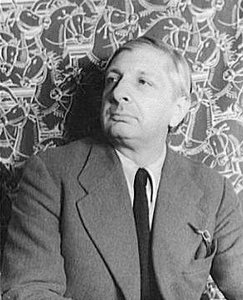
Giorgio de Chirico
1888 - 1978 , Grecia
Datos clave
- Artistas Influenciados:
- Surrealismo
- André Breton
- Artistas Que Influyeron:
- Arnold Böcklin
- Max Klinger
- Friedrich Nietzsche
- Fecha De Nacimiento: 10 de julio de 1888
- Lugar De Nacimiento: Volos, Grecia
- Movimiento Artístico: Arte metafísico
- Nacionalidad: Italiana
- Nombre Completo: Giorgio de Chirico
- Obras Notables:
- Las vexaciones del pensador
- El enigma de la hora
- La canción del amor
Artículos relacionados
Giorgio de Chirico: Metaphysical Realities & the Poetics of Absence
Explore the captivating world of Giorgio de Chirico and his groundbreaking Metaphysical painting movement. Discover the philosophical depths & surreal imagery that influenced generations of artists. Learn more at ArtsDot.

Goya: Las 25 Obras Maestras del Genio Español | Reproducciones de Arte en ArtsDot
Descubre las 25 obras maestras de Goya, el genio español. Explora retratos icónicos, 'Los Caprichos' y 'Las Pinturas Negras'. Reproducciones de arte en lienzo de alta calidad para decorar tu hogar con estilo. ¡Encuentra tu obra favorita en ArtsDot.com!

Más Allá del Velo de la Realidad: Explorando el Enigmático Mundo del Arte Metafísico
Descubre el fascinante mundo del arte metafísico con ArtsDot. Análisis profundo de Giorgio de Chirico, su influencia en el surrealismo y las claves para interpretar sus enigmáticas obras. ¡Explora la historia y significado de este movimiento artístico!

Acerca de nosotros
Descubre nuestra historia! Llevamos el arte de clase mundial a tu vida gracias a una selección experta, creaciones personalizadas y vistas previas gratuitas. Aprobado por particulares y empresas desde el año 2000.
Echoes of Olympus: Mythological Narratives in Western Art Through the Ages
Explore the captivating history of mythological narratives in Western art! From ancient Greece to modern masterpieces, discover iconic artworks & symbolism. Expert analysis and high-quality reproductions at ArtsDot.