 Ver en contexto
 Enviar
 Compartir
 Detalles

 Descargar
 Similares
 Radiografía
 Presentación de diapositivas
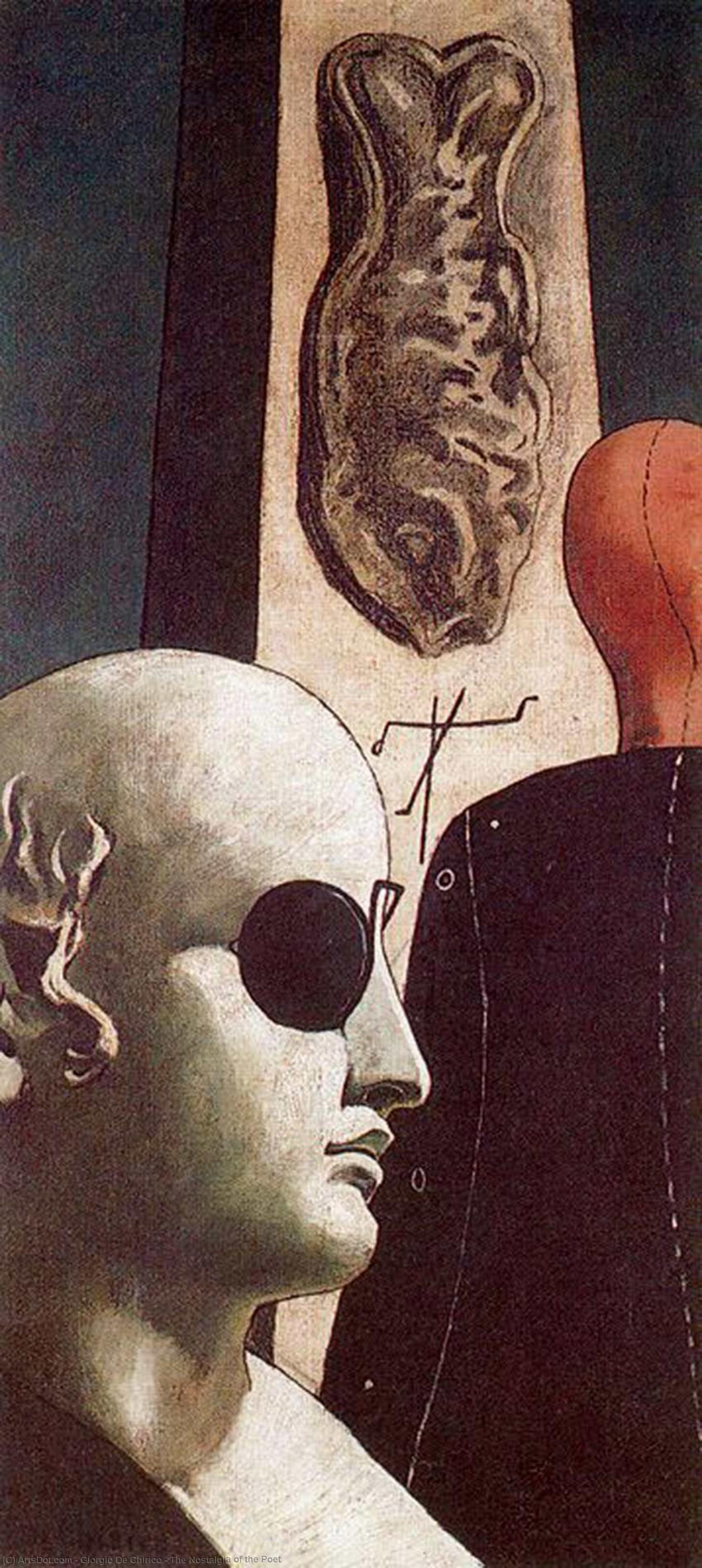
The Nostalgia of the Poet
 Acrylic
- WallArt
- Surrealist Dreamscape
 1914
1914 89.0 x 40.0 cm
 Ver más
Giclée / Impresión de arte
Impresiones giclée o en lienzo de calidad de museo con producción rápida y opciones de acabado flexibles. ( Comprar pintura hecha a mano Comprar imagen)




P118B $10

P118H $10

P118W $10

P438Z $10

P508JH $12

P508YH $12

P805H $10

P805Z $10

P919BZ $10

P919G $10

P919XJ $10

P959ZH $10

P968JZ $12

W106C $8

W218G $10

W218JH $8

W218Y $10

W307PJ $10

W316G $10

W316PJ $8

W316Y $10

W398PJ $8

W4111J $10

W500HY $15

W500JH $15

W692G $12

W849H $8

W940BG $15

W953PJ $8




Elija entre nuestros tamaños predefinidos que respetan las proporciones originales de la obra.

Puede introducir sus propias dimensiones para adaptarse a un marco o espacio específico. Si el tamaño seleccionado no coincide con las proporciones de la imagen original, recortaremos la obra de arte o extenderemos la imagen con un borde con efecto espejo o de color sólido. Se enviará una maqueta digital para su aprobación antes de que comience la producción.
Tenga en cuenta que la vista previa en pantalla no refleja el recorte o la extensión real. Solo la maqueta mostrará con precisión la composición final.
Aunque existen tamaños personalizados, recomendamos seleccionar una dimensión de la lista predefinida para preservar las proporciones originales.
Envío a todo el mundo () en 2 semanas en lugar de las 4/5 semanas estándar. (25 agosto)

Envío exprés gratuito a todo el mundo

Lienzo de lino de alta calidad

Seguro de envío total

Garantía de reembolso de impuestos aduaneros

Garantía de fidelidad cromática exacta

Política de devolución de 60 días (solo por defectos)

Garantía de devolución del 100% del dinero

Descuento por cantidad
 La opción de vidrio solo está disponible en tamaños inferiores a 110 cm.

The Nostalgia of the Poet
Giclée / Impresión de arte
Dimensiones de la reproducción
-


Precio total final
$ 62
Descripción de la pieza
A Dreamscape of Surrealism: Exploring Giorgio De Chirico’s “The Nostalgia of the Poet”
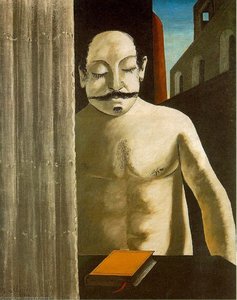
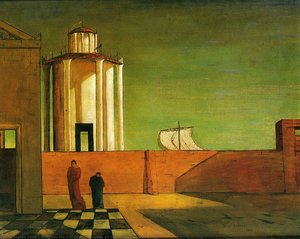
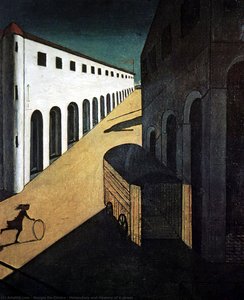
The painting "The Nostalgia of the Poet," created in 1914 by Giorgio de Chirico, stands as a cornerstone of metaphysical art—a genre that sought to delve into the subconscious mind and explore themes beyond rational observation. Captured in stark black and white charcoal, this artwork isn’t merely a depiction of an image; it's an invitation into a meticulously crafted dreamscape designed to provoke contemplation and evoke profound emotion. The photograph itself offers a glimpse into this world, presenting us with a scene imbued with unsettling beauty and laden with symbolic resonance.- Subject Matter: At the heart of the composition is a solitary figure—a man adorned in a hat and spectacles—absorbed in gazing outwards beyond the frame. His posture exudes quiet melancholy, hinting at an inner preoccupation that transcends the immediate visual experience. Alongside him is another indistinct presence, adding to the sense of isolation and prompting questions about connection and perception.
- Style & Technique: De Chirico’s style is undeniably distinctive, rooted in influences from Böcklin and Klinger but forging its own path toward a uniquely unsettling aesthetic. The charcoal medium lends itself perfectly to capturing the textures of shadow and light, creating an atmosphere that feels simultaneously familiar and profoundly alienating. Precise lines delineate forms with remarkable clarity, yet these forms exist within a space that defies conventional spatial logic—a hallmark of Surrealist exploration.
Historical Context: The Birth of Metaphysical Art
The painting emerged during a period of intense intellectual and artistic upheaval in Europe. Nietzsche’s proclamation of “God is dead,” Schopenhauer's pessimistic philosophy concerning the will, and Weininger’s controversial theories on race and intellect fueled debates about human existence and challenged prevailing societal norms. De Chirico absorbed these ideas, channeling them into his artwork as a reaction to the anxieties of the pre-war era. The painting reflects the broader cultural preoccupation with confronting irrational forces and questioning accepted truths—a desire to escape the confines of reason and tap into deeper psychological realities.- Symbolism: Several elements contribute to the painting’s symbolic depth. The bird perched atop the hat symbolizes freedom and aspiration, juxtaposed against the man's melancholic gaze. The clock serves as a reminder of time’s relentless march, emphasizing the passage of life and hinting at themes of memory and loss. These objects aren’t simply decorative; they are carefully chosen to communicate ideas about consciousness, perception, and the elusive nature of reality—concepts central to metaphysical thought.
- Emotional Impact: “The Nostalgia of the Poet” succeeds in conveying a palpable sense of unease and longing. The stark monochrome palette amplifies the emotional intensity of the scene, creating an atmosphere that lingers long after viewing. It’s a painting designed not for passive observation but for active engagement—encouraging viewers to confront their own anxieties about existence and to contemplate the mysteries hidden beneath the surface of everyday life.
Why Choose a Reproduction?
A high-quality reproduction of “The Nostalgia of ArtsDot.com” allows you to bring this captivating artwork into your home or studio, experiencing its evocative beauty and intellectual stimulation firsthand. Utilizing archival inks on premium canvas ensures that the colors remain vibrant for generations, faithfully capturing the nuances of De Chirico’s original vision. More than just decoration, it's an opportunity to engage with a seminal piece of Surrealist art—a testament to the enduring power of imagination and introspection.Obras relacionadas

Biografía del artista
vida temprana e influencias
giorgio de chirico, un artista italiano reconocido, nació el 10 de julio de 1888 en Volos, Grecia, a una madre genovesa y un padre siciliano. Su vida temprana estuvo marcada por el estudio del arte en la Politécnica de Atenas bajo la guía de pintores griegos influyentes como Georgios Roulos y Georgios Jakobides. Esta base sentaría las bases para su estilo artístico único.el movimiento artístico metafísico
En 1910, de Chirico pionero el movimiento artístico metafísico, que influyó profundamente a los surrealistas. Sus obras de este período, caracterizadas por estados de ánimo inquietantes y escenarios oníricos, se ejemplifican en pinturas como las vexaciones del pensador (disponible en ArtsDot) y el enigma de la hora (visible en ArtsDot). Estas obras evocan una sensación de misterio, a menudo con contrastes agudos de luz y sombra.período post-metafísico
Después de 1919, el interés de de Chirico se desplazó hacia las técnicas pictóricas tradicionales, adoptando un estilo neoclásico o neo-barroco. Este cambio es evidente en sus obras posteriores, que, aunque no recibieron el mismo aplauso crítico que sus primeras piezas, demuestran una evolución madura en su enfoque artístico.legado e influencia
El impacto de de Chirico en el movimiento surrealista es innegable, con artistas como André Breton influenciados por sus pinturas metafísicas. Aunque su obra posterior no fue tan ampliamente aclamada, de Chirico sigue siendo una figura clave en la historia del arte moderno. Su legado continúa inspirando, con sus obras que forman parte de colecciones de todo el mundo, incluyendo el museo de giorgio de chirico, que ahora se encuentra cerca de las escaleras de la Plaza España en Roma.- explora más obras de giorgio de chirico en ArtsDot
- descubre el movimiento artístico metafísico y su influencia en el surrealismo a través de este artículo perspicaz en ArtsDot
- aprende más sobre la vida y obra de de Chirico en wikipedia
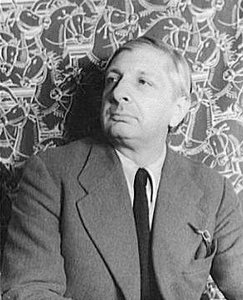
Giorgio de Chirico
1888 - 1978 , Grecia
Datos clave
- Artistas Influenciados:
- Surrealismo
- André Breton
- Artistas Que Influyeron:
- Arnold Böcklin
- Max Klinger
- Friedrich Nietzsche
- Fecha De Nacimiento: 10 de julio de 1888
- Lugar De Nacimiento: Volos, Grecia
- Movimiento Artístico: Arte metafísico
- Nacionalidad: Italiana
- Nombre Completo: Giorgio de Chirico
- Obras Notables:
- Las vexaciones del pensador
- El enigma de la hora
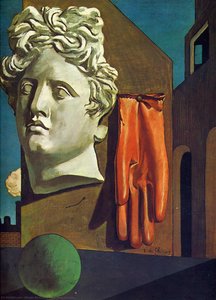
- La canción del amor
Artículos relacionados

Paisajes Románticos: 10 Obras Maestras que Definieron un Movimiento Artístico
Descubre los 10 paisajes románticos más influyentes de artistas como Caspar David Friedrich y Turner. Explora la belleza, el simbolismo y las técnicas del movimiento romántico. Reproducciones de arte exclusivas en ArtsDot.com.

Evocations of Place: A Historical Journey Through Landscape Art
Explore the rich history of landscape art with ArtsDot. Discover renowned artists, movements like Impressionism & Romanticism, and expert guidance for collecting timeless pieces. Find your perfect serene escape today!

John Constable: Las 25 Obras Maestras del Paisaje Inglés | ArtsDot
Descubre las 25 obras maestras de John Constable, el pintor romántico inglés que capturó la belleza del paisaje. Explora su técnica, historia y significado en ArtsDot.com. Reproducciones de arte de alta calidad para tu hogar.
Evocations of Place: A Historical Journey Through Landscape Art
Explore the rich history of landscape art with ArtsDot. Discover renowned artists, movements like Impressionism & tonalism, and expert guidance for collecting timeless pieces. Find your perfect serene escape today!
Evoking Nature's Sublime: A Comprehensive Exploration of 19th-Century Landscape Painting
Explore the captivating world of 19th-century landscape painting! Discover renowned artists like Friedrich & Monet, key movements, and find the perfect artwork to bring nature's serenity into your home. Expert insights at ArtsDot.