

 Enviar
 Compartir
 Detalles

 Descargar
 Similares
 Presentación de diapositivas
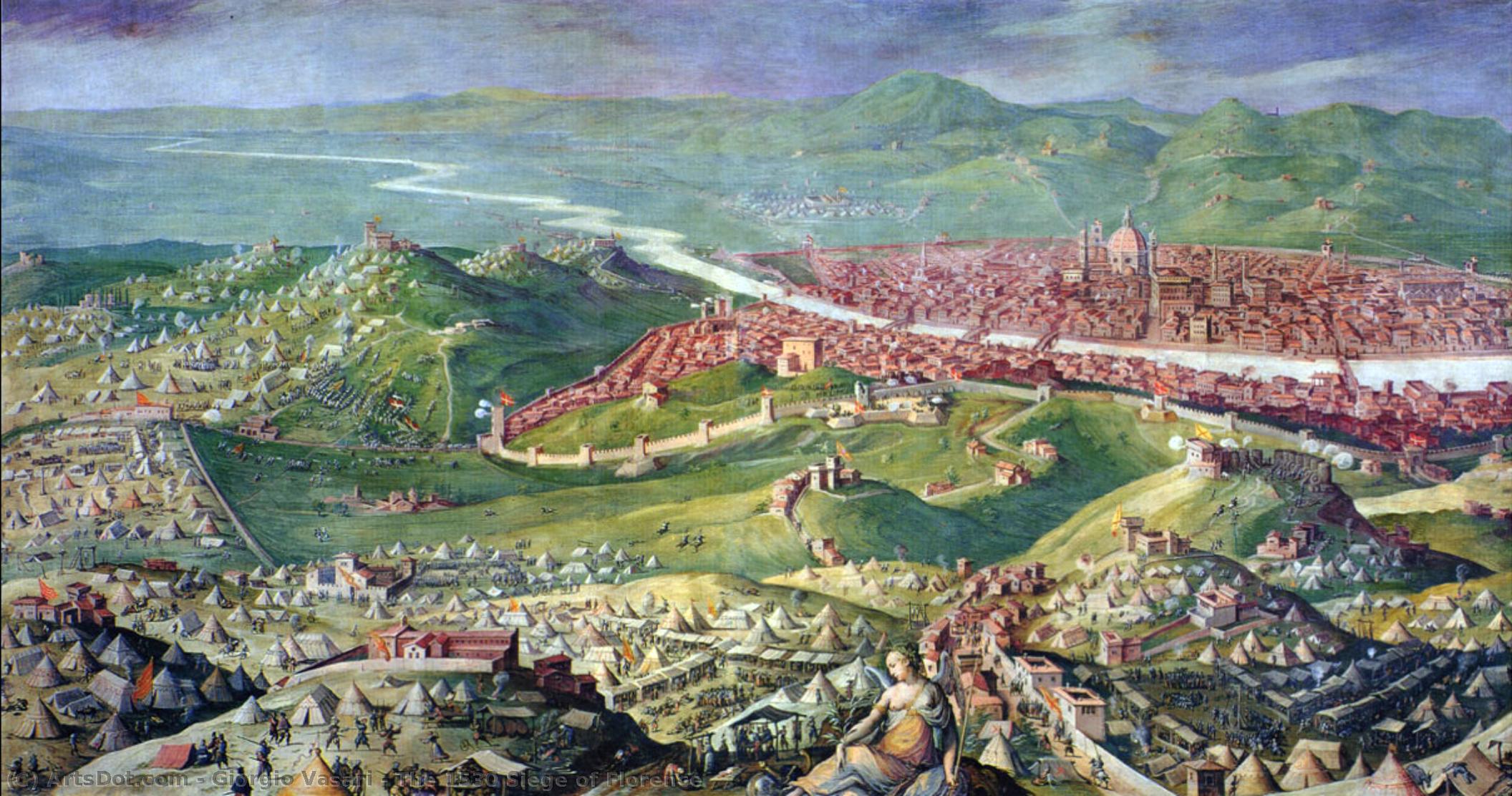
The 1530 Siege of Florence


 Ver más
Adquiera una imagen digital de alta resolución y optimizada, muy superior a la vista previa en línea.
Cada archivo es preparado meticulosamente por nuestros especialistas internos mediante el uso de herramientas avanzadas y un experto retoque manual. Nos aseguramos de que cada imagen posea una claridad excepcional, una precisión cromática impecable y un detalle minucioso.
El archivo final se entrega por correo electrónico en un plazo de 72 horas, optimizado para su uso inmediato en entornos profesionales, editoriales y de impresión. Esta es la misma calidad en la que confían los estudios de diseño, las editoriales y las galerías de primer nivel.
Imagen Digital
Descarga un archivo de alta resolución para exhibición personal, impresión y proyectos creativos. ( Comprar impresión Comprar pintura hecha a mano)
Incluido en cada pedido de imágenes digitales
Entrega digital experta, garantizada.
Al elegir ArtsDot.com, no solo está adquiriendo una imagen; está recibiendo una obra de arte digital mejorada profesionalmente, elaborada con precisión y respaldada por una garantía de satisfacción. Esto es todo lo que incluye su pedido, automáticamente:

Entrega rápida por email
Recibirá su archivo de imagen digital en alta resolución por correo electrónico en un plazo de 72 horas tras realizar su pedido, listo para su uso inmediato.

Archivo digital optimizado por IA
Su obra de arte se optimiza profesionalmente mediante herramientas avanzadas de IA y edición manual, garantizando el máximo detalle, claridad y precisión cromática.

Reenvío gratuito de por vida
¿Has borrado o perdido tu archivo por error? No te preocupes: te lo volveremos a enviar en cualquier momento, sin coste adicional.

Sin gastos de importación, siempre
Disfrute de su obra de arte al instante sin aduanas, aranceles ni gastos de envío; las descargas digitales siempre están libres de impuestos.

Garantía de fidelidad de color
Garantizamos que su imagen digital refleje los colores originales con la mayor fidelidad posible, mediante el uso de herramientas profesionales y gestión del color.

Garantía de satisfacción de 60 días
Si no está satisfecho con su imagen digital, la revisaremos o le reembolsaremos el 100% en un plazo de 60 días, sin preguntas.

100% Garantía de devolución de dinero
¿No está satisfecho? Obtenga un reembolso completo dentro de los 60 días posteriores a la recepción de su archivo digital, sin necesidad de explicaciones.

Descuentos por pedidos grandes
Compra 3 imágenes, ahorra 10% - Compra 5, ahorra 15% - Compra 10+, ahorra 20%. Ideal para proyectos creativos, galerías y agencias.
Descripción del coleccionable
A Panoramic Chronicle of Conflict and Resilience
In the heart of the Palazzo Vecchio, amidst the grandeur of Florentine history, Giorgio Vasari’s The 1530 Siege of Florence unfolds as a breathtaking masterwork of narrative fresco painting. Created in 1558, this monumental work transcends mere documentation, offering a cinematic window into one of the most tumultuous periods of the Italian Renaissance. As the eye wanders across the vast expanse of the cityscape, one is immediately struck by the sheer scale of Vasari’s vision. The artist does not merely paint a battle; he constructs an entire world where the fortified walls of Florence stand as silent witnesses to the encroaching forces of war. Through his masterful use of perspective, the viewer is granted a bird's-eye view that captures the rhythmic flow of the River Arno, dotted with activity, and the distant, majestic mountains that frame the drama in a state of eternal, stoic permanence.
The composition is a sophisticated dance of light and shadow, characteristic of the Mannerist evolution within the Renaissance. Vasari employs a rich, earthy palette that grounds the scene in reality, yet he infuses it with a vibrant energy through the strategic placement of flags, banners, and the glint of steel from weapons and armor. Each element—from the smoke rising above damaged buildings to the tiny, determined figures of soldiers and citizens—contributes to a sense of mounting tension. The technique is nothing short of extraordinary; the artist utilizes light not just to illuminate the scene, but to direct the emotional journey of the observer, guiding the gaze from the chaotic skirmishes near the city gates toward the serene, almost haunting beauty of the Tuscan landscape in the background.
The Artistry of History and Interior Elegance
For the discerning collector or interior designer, a reproduction of this fresco offers more than just visual splendor; it provides a profound sense of historical gravity and intellectual depth. Vasari, often celebrated as the father of art history through his Lives of the Artists, brings his unique scholarly perspective to this canvas. He understands how to weave symbolism into the fabric of a landscape—where a torn banner or a broken wall serves as a poignant metaphor for the fragility of political power and the resilience of the human spirit. This piece is an ideal centerpiece for spaces that demand a conversation starter, such as a formal study, a grand library, or a sophisticated dining hall where the themes of heritage and endurance can be celebrated.
Integrating such a detailed and historically significant work into a modern or classical interior allows for a layering of textures and stories. The intricate details of the architecture and the atmospheric depth of the mountains provide a sense of "visual breathing room," making it an excellent choice for large-scale wall decor that seeks to expand the perceived boundaries of a room. Owning a high-quality reproduction of this masterpiece is an invitation to live surrounded by the triumphs and tragedies of the Renaissance, bringing the timeless elegance of the Palazzo Vecchio into the contemporary home.
Obras relacionadas
Biografía del artista
Primeros años y formación
Giorgio Vasari, un renombrado pintor, arquitecto, escritor e historiador italiano, nació el 30 de julio de 1511 en Arezzo, Toscana. Comenzó su viaje artístico como discípulo de Guglielmo da Marsiglia, un hábil pintor de vidrieras. A los dieciséis años, Vasari se unió al círculo de Andrea del Sarto y sus alumnos, Rosso Fiorentino y Jacopo Pontormo, en Florencia.Carrera artística
Las propias pinturas manieristas de Vasari fueron muy admiradas durante su vida. En 1529, visitó Roma, donde estudió las obras de Rafael y otros artistas del Alto Renacimiento romano. Algunas de sus obras notables incluyen:- El taller del pintor (fresco, 1548), ubicado en Casa Vasari, Arezzo, Italia (ver en ArtsDot)
- El Juicio Final (fresco, 1572), en la cúpula de la catedral de Florencia
- La Adoración de los Magos (pintura al óleo, 1566), en la iglesia de Santa Croce, Florencia (más en ArtsDot)
Contribuciones arquitectónicas
Los logros arquitectónicos de Vasari incluyen:- La logia del Palazzo degli Uffizi, Florencia, que funciona como una plaza pública
- El Corredor de Vasari, que conecta los Uffizi con el Palazzo Pitti en Florencia (explorar en ArtsDot)
- La renovación de iglesias medievales, como Santa Maria Novella y Santa Croce
Legado
Vasari a menudo se le llama "el primer historiador del arte" debido a su libro Vidas de los más excelentes pintores, escultores y arquitectos italianos, que sigue siendo un texto fundamental en la escritura histórico-artística. Murió el 27 de junio de 1574 en Florencia, Gran Ducado de Toscana, a la edad de 62 años. Descubre más sobre la vida y obra de Giorgio Vasari en ArtsDot: Giorgio Vasari | 72 obras de arte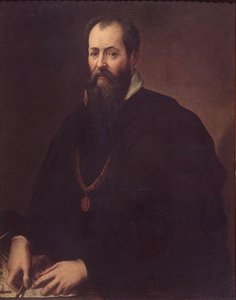
Giorgio Vasari
1511 - 1574 , Italia
Breves datos
- Artistas Que Influyeron:
- Rafael
- Miguel Ángel
- Estilo Artístico: Manierismo
- Fecha De Muerte: 27 de junio de 1574
- Fecha De Nacimiento: 30 de julio de 1511
- Lugar De Nacimiento: Arezzo, Italia
- Nacionalidad: Italiana
- Nombre Completo: Giorgio Vasari
- Obras Notables:
- El taller del pintor
- El Juicio Final
- La Adoración de los Magos

