 Ver en contexto
 Enviar
 Compartir
 Detalles

 Descargar
 Similares
 Radiografía
 Presentación de diapositivas
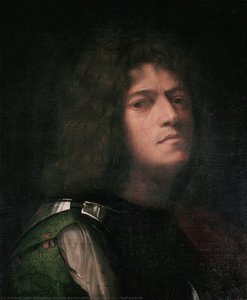
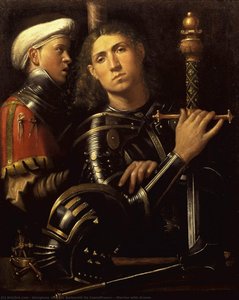
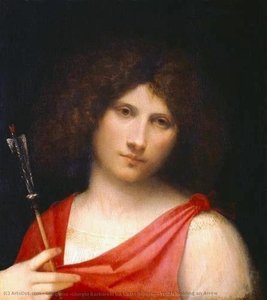
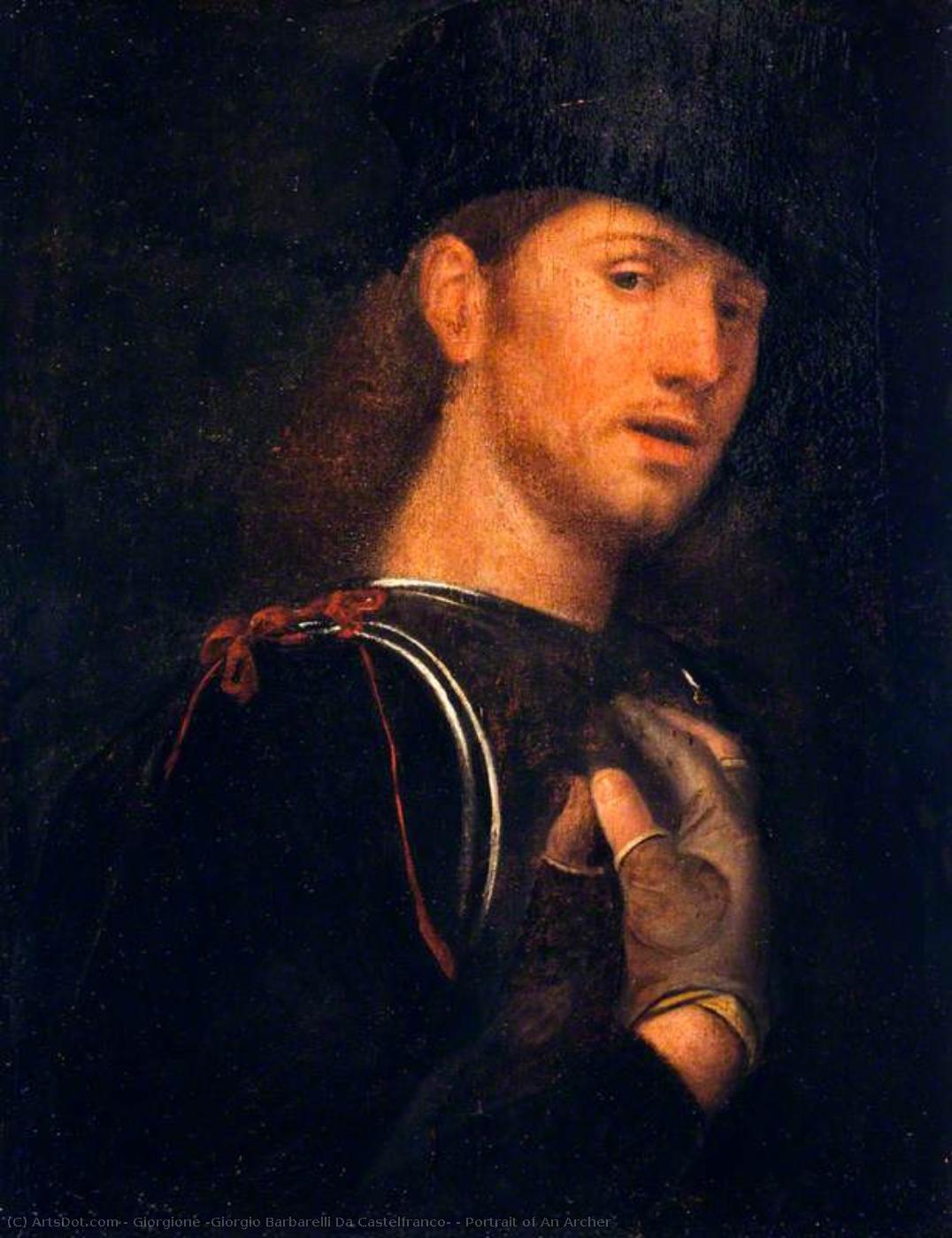
Portrait of An Archer
 Oil
Oil- WallArt
- Renaissance Venetian
 Renaissance
 54.0 x 42.0 cm
 Ver más
Giclée / Impresión de arte
Impresiones giclée o en lienzo de calidad de museo con producción rápida y opciones de acabado flexibles. ( Comprar pintura hecha a mano Comprar imagen)




P118B $10

P118H $10

P118W $10

P438Z $10

P508JH $12

P508YH $12

P805H $10

P805Z $10

P919BZ $10

P919G $10

P919XJ $10

P959ZH $10

P968JZ $12

W106C $8

W218G $10

W218JH $8

W218Y $10

W307PJ $10

W316G $10

W316PJ $8

W316Y $10

W398PJ $8

W4111J $10

W500HY $15

W500JH $15

W692G $12

W849H $8

W940BG $15

W953PJ $8




Elija entre nuestros tamaños predefinidos que respetan las proporciones originales de la obra.

Puede introducir sus propias dimensiones para adaptarse a un marco o espacio específico. Si el tamaño seleccionado no coincide con las proporciones de la imagen original, recortaremos la obra de arte o extenderemos la imagen con un borde con efecto espejo o de color sólido. Se enviará una maqueta digital para su aprobación antes de que comience la producción.
Tenga en cuenta que la vista previa en pantalla no refleja el recorte o la extensión real. Solo la maqueta mostrará con precisión la composición final.
Aunque existen tamaños personalizados, recomendamos seleccionar una dimensión de la lista predefinida para preservar las proporciones originales.
Envío a todo el mundo () en 2 semanas en lugar de las 4/5 semanas estándar. (25 agosto)

Envío exprés gratuito a todo el mundo

Lienzo de lino de alta calidad

Seguro de envío total

Garantía de reembolso de impuestos aduaneros

Garantía de fidelidad cromática exacta

Política de devolución de 60 días (solo por defectos)

Garantía de devolución del 100% del dinero

Descuento por cantidad
 La opción de vidrio solo está disponible en tamaños inferiores a 110 cm.

Portrait of An Archer
Giclée / Impresión de arte
Dimensiones de la reproducción
-


Precio total final
$ 62
Descripción de la pieza
A Venetian Portrait Steeped in Mystery
The painting “Portrait of An Archer,” attributed to Giorgione (c. 1477 – 1510), stands as an enduring testament to the artistic spirit of Renaissance Venice—a city renowned for its patronage, humanist ideals, and breathtaking visual splendor. Though shrouded in obscurity regarding biographical details, Giorgione’s legacy rests firmly on his singular contribution to Venetian painting, specifically his masterful manipulation of color and light, qualities that elevate this seemingly simple portrait beyond mere likeness into a profound meditation on human dignity and contemplation.Subject Matter and Composition
At its core, the artwork depicts a man dressed in black attire—a jacket adorned with a gold chain—who gazes directly at the viewer with an expression of serene composure. He wears a hat embellished with a feather, a detail that speaks to both fashion trends of the period and perhaps a subtle allusion to nobility or martial prowess. Alongside him stand two additional figures, positioned on either side of the central subject. Their presence isn’t merely decorative; it establishes a dynamic interplay between individual identity and broader social context—a hallmark of Giorgione's artistic sensibility. The positioning of these companions invites speculation about their relationship to the archer, fostering an atmosphere of quiet observation and unspoken narrative.Style and Technique: Venetian Colorism
Giorgione’s distinctive style is characterized by what scholars term “Venetian colorism.” Unlike his predecessors who prioritized meticulous detail and anatomical accuracy—a preoccupation prevalent in Florentine art—Giorgione favored a looser brushstroke technique, prioritizing the expressive power of color over precise representation. He employed subtle gradations of hue and tone to create an ethereal luminescence that permeates the entire canvas. This masterful use of light is particularly evident in the illumination of the man’s chest, where a soft glow emanates outwards, suggesting not just physical presence but also inner radiance—a concept deeply rooted in humanist philosophy. The muted palette contributes significantly to the painting's contemplative mood and reinforces its timeless beauty.Historical Context: Venice at Its Zenith
Painted during the High Renaissance, “Portrait of An Archer” reflects the intellectual ferment of Venice at the apex of its maritime empire and artistic flourishing. Venetian artists were deeply influenced by classical ideals and humanist thought, seeking to capture not only physical appearance but also psychological depth. Giorgione’s work aligns perfectly with this trend, embodying a desire to portray human experience in all its complexity—a fascination for beauty and contemplation that distinguishes it from the more overtly celebratory art of other European courts. The painting's creation coincided with a period of unprecedented artistic experimentation and innovation, cementing Giorgione’s place as one of Venice’s most influential painters.Symbolism: Hints of Nobility and Contemplation
The feather on the man’s hat is more than just an ornamental element; it symbolizes nobility and honor—values highly esteemed in Venetian society during Giorgione's time. The gaze of the archer, unwavering and direct, speaks to a profound engagement with the viewer, inviting us to contemplate themes of introspection and self-awareness. Furthermore, the inclusion of two additional figures adds layers of symbolic meaning, prompting viewers to consider questions of social hierarchy and interpersonal relationships. Ultimately, “Portrait of An Archer” transcends its formal depiction, becoming an emblem of humanist ideals—a celebration of human dignity and a testament to Giorgione’s artistic genius.Obras relacionadas
Biografía del artista
una breve pero brillante carrera en la alta renacimiento
giorgione (1477/78 o 1473/74 – 1510), un ilustre pintor de la alta renacimiento perteneciente a la escuela veneciana, dejó una marca indeleble en el mundo del arte a pesar de su breve carrera y sus trabajos confirmados limitados. Sus pinturas son alabadas por sus cualidades líricas y enigmáticas, con solo unos pocos que se atribuyen definitivamente a él.contribución al estilo pictórico veneciano
La contribución de Giorgione, junto con el legendario Tiziano, sentó las bases del estilo pictórico veneciano, caracterizado por su énfasis en el color y la atmósfera en lugar del enfoque basado en líneas del arte florentino. Este enfoque innovador allanó el camino para futuras generaciones de artistas.obras notables y su significado
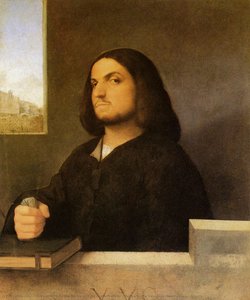
- retrato de un caballero veneciano (76 x 64 cm, alta renacimiento, óleo sobre lienzo): una obra maestra que muestra la habilidad de Giorgione para capturar la esencia de sus sujetos.
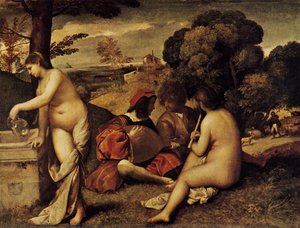
- Concierto pastoril (fête champêtre) (110 x 138 cm, musée du louvre, París, Francia, alta renacimiento, óleo sobre lienzo): demuestra la capacidad de Giorgione para evocar emociones a través de su trabajo.
- Judit (1504) (óleo sobre lienzo, transferido de panel, 144 x 68 cm, el Hermitage, San Petersburgo): una pintura temprana del artista, inicialmente atribuida a Rafael, que muestra el crecimiento y la experimentación de Giorgione.
legado e influencia
Giorgione sigue siendo una figura enigmática en la historia del arte, con su vida y obras envueltas en misterio, lo que aumenta el atractivo y la profundidad de su legado artístico. Su influencia se puede ver en las obras de artistas posteriores, quienes construyeron sobre los cimientos que él sentó en la escuela veneciana. explore more of giorgione's works on ArtsDot: * giorgione (giorgio barbarelli da castelfranco) * retrato de un caballero veneciano * Concierto pastoril (fête champêtre) discover the venetian painting art movement on ArtsDot: * el movimiento artístico de la pintura veneciana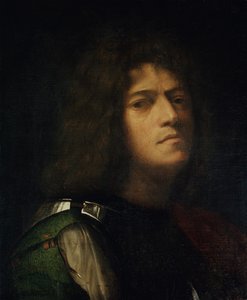
Giorgione
1477 - 1510 , Italia
Datos clave
- Artistas Influenciados: ['Tiziano']
- Artistas Que Influyeron:
- Giovanni Bellini
- Antonello da Messina
- Leonardo da Vinci
- Estilo Artístico: Alto Renacimiento Veneciano
- Fecha De Nacimiento: c. 1477/1478
- Lugar De Nacimiento: Castel Franco Veneto, Italia
- Nacionalidad: Italiana
- Nombre Completo: Giorgione (Giorgio Barbarelli)
- Obras Notables:
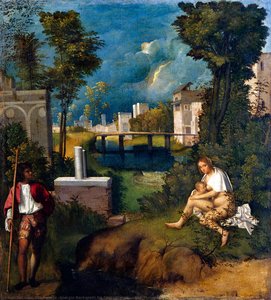
- La Tempestad
- Concierto Pastoral
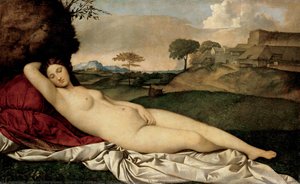
- Venus Durmiente
- Judit
- Retrato de un caballero
Artículos relacionados

Blanco Sublime: Los 10 Cuadros Más Famosos Dominados por la Luz y el Color
Descubre los 10 cuadros blancos más emblemáticos de la historia del arte. Explora Monet, Van Gogh y Klimt, y su magistral uso de la luz y el color. Encuentra reproducciones de alta calidad e inspírate para tu decoración en .

Giclée Prints: Archival Quality & Aesthetic Nuances for the Discerning Collector
Explore the world of giclée prints with ArtsDot. Learn about archival quality, aesthetic nuances & investment potential. Expert guidance for discerning art collectors seeking museum-quality reproductions and lasting value.

Las 10 Pinturas Más Famosas Dominadas por el Negro | Arte y Decoración
Descubre las 10 pinturas más impactantes dominadas por el negro. Explora obras maestras de Rembrandt, Goya y Rothko, su historia y significado. Encuentra reproducciones de arte exclusivas para transformar tu hogar en .

Monochrome Visions: Exploring the Aesthetic & Historical Significance of Black & White Photography
Explore the rich history & artistic power of black and white photography. From early techniques to iconic masters like Ansel Adams, discover why monochrome continues to captivate art lovers today. Expert insights for collectors.

The Enduring Legacy of Fine Art Prints: Technique, History & Aesthetic Impact
Explore the rich history & techniques of fine art prints. Discover investment potential, assess authenticity, and learn how to preserve your collection with expert guidance. Trusted insights for discerning collectors.