 Ver en contexto
 Enviar
 Compartir
 Detalles

 Descargar
 Similares
 Radiografía
 Presentación de diapositivas
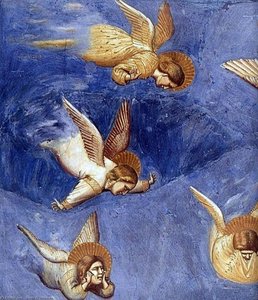
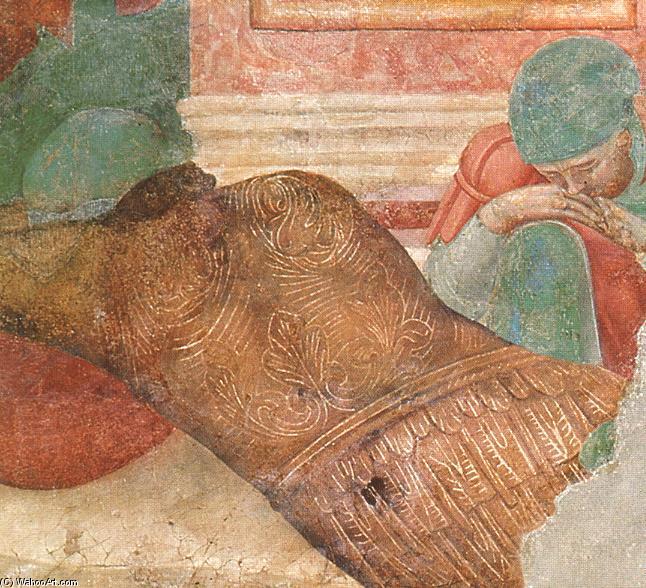
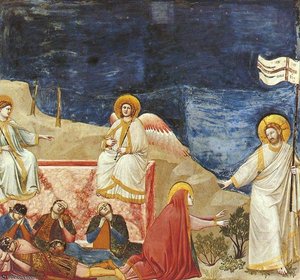
Escenas del Nuevo Testamento: Resurrección (detalle)


 Ver más
Giclée / Impresión de arte
Impresiones giclée o en lienzo de calidad de museo con producción rápida y opciones de acabado flexibles. ( Comprar pintura hecha a mano Comprar imagen)




P118B $10

P118H $10

P118W $10

P438Z $10

P508JH $12

P508YH $12

P805H $10

P805Z $10

P919BZ $10

P919G $10

P919XJ $10

P959ZH $10

P968JZ $12

W106C $8

W218G $10

W218JH $8

W218Y $10

W307PJ $10

W316G $10

W316PJ $8

W316Y $10

W398PJ $8

W4111J $10

W500HY $15

W500JH $15

W692G $12

W849H $8

W940BG $15

W953PJ $8




Elija entre nuestros tamaños predefinidos que respetan las proporciones originales de la obra.

Puede introducir sus propias dimensiones para adaptarse a un marco o espacio específico. Si el tamaño seleccionado no coincide con las proporciones de la imagen original, recortaremos la obra de arte o extenderemos la imagen con un borde con efecto espejo o de color sólido. Se enviará una maqueta digital para su aprobación antes de que comience la producción.
Tenga en cuenta que la vista previa en pantalla no refleja el recorte o la extensión real. Solo la maqueta mostrará con precisión la composición final.
Aunque existen tamaños personalizados, recomendamos seleccionar una dimensión de la lista predefinida para preservar las proporciones originales.
Envío a todo el mundo () en 2 semanas en lugar de las 4/5 semanas estándar. (27 agosto)

Envío exprés gratuito a todo el mundo

Lienzo de lino de alta calidad

Seguro de envío total

Garantía de reembolso de impuestos aduaneros

Garantía de fidelidad cromática exacta

Política de devolución de 60 días (solo por defectos)

Garantía de devolución del 100% del dinero

Descuento por cantidad
 La opción de vidrio solo está disponible en tamaños inferiores a 110 cm.

Escenas del Nuevo Testamento: Resurrección (detalle)
Giclée / Impresión de arte
Dimensiones de la reproducción
-


Precio total final
$ 62
Scenes from the New Testament: Resurrection (detail)
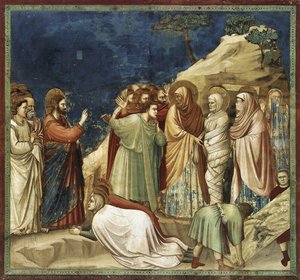
Giotto di Bondone’s “Scenes from the New Testament: Resurrection (detail)” stands as an undeniable cornerstone of Early Renaissance art, radiating with profound spiritual significance and masterful artistic execution. Painted around 1290 during a period marked by significant cultural transformation in Florence—a shift away from Byzantine formalism towards humanist ideals—this fresco fragment offers a glimpse into Giotto’s revolutionary approach to depicting biblical narratives. Located within the Basilica of Saint Francis of Assisi, it's considered one of his most celebrated achievements and exemplifies his enduring legacy as a pioneer of Western painting.The Setting and Composition
The scene unfolds within the basilica’s interior walls, bathed in diffused light that enhances the solemn atmosphere. A prominent red wall serves as a backdrop, grounding the composition and emphasizing the importance of faith and divine majesty. Notably positioned near the right side is a chair—a deliberate element intended to convey stability and contemplation—adding depth to the visual space. At the heart of the fresco lies a poignant tableau: a woman tenderly cradling a man who appears lifeless or in a coma. Her hands gently rest upon his face, conveying an overwhelming sense of compassion and unwavering devotion. Surrounding this central figure are two additional individuals – one standing behind her, offering support and witnessing the sacred moment—and another positioned further back, contributing to the overall feeling of communal reverence. Giotto’s meticulous attention to spatial perspective—a breakthrough compared to earlier Byzantine art—creates an illusionistic depth that draws viewers into the narrative.Artistic Significance
Giotto Di Bondone fundamentally altered artistic conventions by rejecting stylized representations and embracing naturalism, a daring move that profoundly impacted subsequent generations of artists. His technique involved layering pigments onto wet plaster, creating vibrant colors and textures that capture the essence of human emotion with unprecedented accuracy. This fresco exemplifies Giotto’s ability to convey psychological complexity—the woman's sorrowful gaze speaks volumes about her unwavering faith—and his masterful command of artistic principles. He skillfully utilized chiaroscuro—the dramatic interplay of light and shadow—to sculpt figures and imbue them with palpable vitality, mirroring the spiritual fervor of the era.Historical Context and Influence
The Basilica of Saint Francis commissioned this artwork between 1303 and 1305 as part of a larger project aimed at commemorating Saint Francis’s devotion to God and his unwavering commitment to humility and compassion. Giotto's work resonated deeply with contemporaries and profoundly influenced artists across Europe, establishing him as a pivotal figure in the transition from Medieval to Renaissance art. Artists like Simone Martini and Piero della Francesca drew inspiration from Giotto’s innovations, furthering the humanist aesthetic that championed human experience and emotion alongside religious themes. The fresco continues to inspire awe and contemplation, serving as a testament to Giotto's artistic genius and his enduring contribution to Western cultural heritage.Other Notable Works
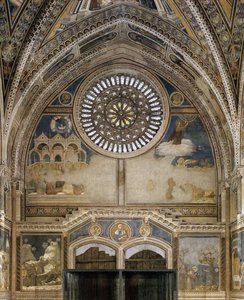
Beyond “Scenes from the New Testament: Resurrection (detail),” Giotto’s oeuvre encompasses numerous other masterpieces that showcase his versatility and unwavering dedication to portraying biblical narratives with profound emotional resonance. Among these stand out: “Frescoes on the inside wall of the façade,” depicting scenes from Saint Francis's life, demonstrating his mastery in capturing spiritual grandeur; “St Paul,” a portrait imbued with solemn dignity; “The Lion Recalls the Cubs to Life (on the decorative band),” which utilizes symbolic imagery to convey moral lessons; and “Scenes from the Life of Christ: 20. Lamentation (detail)”, presenting a poignant depiction of grief and sorrow—all executed with unparalleled sensitivity and artistic skill. These works solidify Giotto’s position as one of the most influential artists of his time, cementing his legacy as a visionary who reshaped the course of Western art history.- Artist: Giotto di Bondone
- Born: c. 1267 Florence
- Died: January 8, 1337 Colle di Vespignano
- Style: Proto-Renaissance
- Medium: Fresco
Obras relacionadas
![La Leyenda De San Francisco - [18] - Aparición En Arles — Giotto Di Bondone, Proto-renacimiento](/media/artworks/images-thumb/79/1c/791c45725458c47701a241d551e6298f.jpg)
Biografía del artista
**una vida de innovación y revolución artística**
giotto di bondone, el renombrado pintor y arquitecto italiano, dejó una huella imborrable en el mundo del arte con sus contribuciones pioneras a los períodos proto-renacentista y gótico. Nacido en 1267 en Florencia, Italia, la vida de Giotto permanece algo envuelta en misterio, pero su legado artístico es innegable.**contribuciones e innovaciones artísticas**
La obra más celebrada de Giotto, la Capilla Scrovegni (o Capilla Arena) en Padua, terminada alrededor de 1305, es un testimonio de su espíritu innovador. Este ciclo de frescos, que representa la vida de la Virgen y la vida de Cristo, no solo demuestra su genio artístico sino que también muestra una capacidad narrativa que fue un cambio significativo con respecto al enfoque estilizado bizantino.- Revolucionando la pintura: La insistencia de Giotto en el naturalismo, la atención a las emociones humanas y la exploración de figuras espaciales y voluminosas en la pintura sentaron las bases para los desarrollos en el arte occidental que siguieron.
- Contribuciones arquitectónicas: Su encargo en 1334 por parte del gobierno comunal de Florencia para diseñar el nuevo campanile (campanario) de la catedral de Florencia afirma su doble talento como artista y arquitecto.
**obras notables y su significado**
- Anunciación: la Virgen recibiendo el mensaje (ver en ArtsDot.com): un ejemplo primordial del estilo proto-renacentista de Giotto, caracterizado por su uso del naturalismo y la atención al detalle.
- Nacimiento. Nacer de Jesús (ver en ArtsDot.com): demuestra la capacidad de Giotto para transmitir narrativas complejas a través de sus frescos, una característica del período proto-renacentista.
- Madona en Maest (Madonna de Ognissanti) (ver en ArtsDot.com): esta pieza altar, encargada por la iglesia de Ognissanti en Florencia, es un ejemplo significativo de la pintura al óleo de Giotto y su uso del temple.
**legado e influencia**
La influencia de Giotto en el arte occidental es profunda, sentando las bases para el movimiento artístico renacentista. Su énfasis en el naturalismo, las emociones humanas y la conciencia espacial en la pintura ha perdurado, asegurando su posición como una figura fundamental en la historia del arte europeo. explorar más obras e influencias de Giotto di bondone en ArtsDot.com.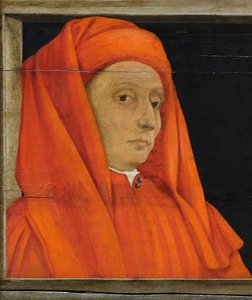
Giotto di Bondone
1267 - 1337 , Italia
Datos clave
- Artistas Influenciados:
- Masaccio
- Leonardo da Vinci
- Artistas Que Influyeron: ['Cimabue']
- Fecha De Muerte: 1337
- Fecha De Nacimiento: 1267
- Lugar De Nacimiento: Florencia, Italia
- Movimiento Artístico: Proto-Renacimiento
- Nacionalidad: Italiana
- Nombre Completo: Giotto di Bondone
- Obras Notables:
- Capilla Scrovegni
- Madonna de Ognissanti
- Frescos de Asís
Artículos relacionados
Giotto di Bondone: Las 25 Obras Maestras que Definieron el Renacimiento | ArtsDot
Descubre las 25 obras maestras de Giotto di Bondone, el pionero del Renacimiento. Explora la historia, técnica y simbolismo de sus frescos italianos más icónicos. Encuentra reproducciones de arte exclusivas para decorar tu hogar en ArtsDot.com.

Legado en las Paredes: Frescos Familiares que Trascienden el Tiempo
Descubre el arte del fresco muralístico para inmortalizar tu historia familiar. Expertos en frescos personalizados y técnicas ancestrales. Crea un legado visual único con .

The Enduring Legacy of Fresco Painting: Techniques, History & Contemporary Relevance
Explore the rich history & enduring artistry of fresco painting – from Giotto to Michelangelo! Discover techniques, conservation efforts, & modern applications. Learn how ArtsDot brings this timeless art form to your home.

The Enduring Legacy of Fresco: Technique, History & Artistic Expression Across Cultures
Explore the rich history & enduring legacy of fresco painting! Discover ancient techniques, Giotto's masterpieces, and modern applications. Expert insights for art lovers & professionals.
El Fresco a Través de los Siglos: Técnica, Historia y Expresión Artística Duradera
Descubre la historia y técnica del fresco, desde sus orígenes en la antigüedad hasta los maestros renacentistas. Guía completa sobre conservación, restauración y el legado artístico de este arte milenario.