 Ver en contexto
 Enviar
 Compartir
 Detalles

 Descargar
 Similares
 Radiografía
 Presentación de diapositivas
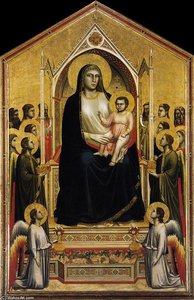
La Madonna de Todos los Santos


 Ver más
Reproducción al óleo hecha a mano
Óleo sobre lienzo pintado a mano en el tamaño y marco de su elección, realizado por encargo por nuestros artistas. ( Comprar impresión Comprar imagen)




P118B $10

P118H $10

P118W $10

P438Z $10

P508JH $12

P508YH $12

P805H $10

P805Z $10

P919BZ $10

P919G $10

P919XJ $10

P959ZH $10

P968JZ $12

W106C $8

W218G $10

W218JH $8

W218Y $10

W307PJ $10

W316G $10

W316PJ $8

W316Y $10

W398PJ $8

W4111J $10

W500HY $15

W500JH $15

W692G $12

W849H $8

W940BG $15

W953PJ $8




Elija entre nuestros tamaños predefinidos que respetan las proporciones originales de la obra.

Puede ingresar sus propias dimensiones para adaptarse a un marco o espacio específico. Si el tamaño seleccionado no coincide con las proporciones de la imagen original, recortaremos la obra o extenderemos la pintura con elementos adicionales pintados a mano. Se le enviará una maqueta digital para su aprobación antes de comenzar la producción.
Tenga en cuenta que la vista previa en pantalla no refleja el recorte o la extensión reales. Solo la maqueta mostrará con precisión la composición final.
Si bien existen tamaños personalizados, recomendamos seleccionar una dimensión de la lista predefinida para preservar las proporciones originales.
Tras realizar el pedido, el equipo de ArtsDot.com enviará un correo electrónico al cliente para solicitar instrucciones y proporcionarle una vista previa del boceto.
Envío a todo el mundo () en 3-4 semanas en lugar de las 5 semanas estándar. (22 agosto). Sin comprometer la calidad.

Envío exprés gratuito a todo el mundo

Lienzo de lino de alta calidad

Seguro de envío total

Garantía de reembolso de impuestos aduaneros

Garantía de fidelidad cromática exacta

Política de devolución de 60 días (solo por defectos)

Garantía de devolución del 100% del dinero

Descuento por cantidad
 La opción de vidrio solo está disponible en tamaños inferiores a 110 cm.

La Madonna de Todos los Santos
Técnica de reproducción
Dimensiones de la reproducción
-


Precio total final
$ 263
Descripción de la obra
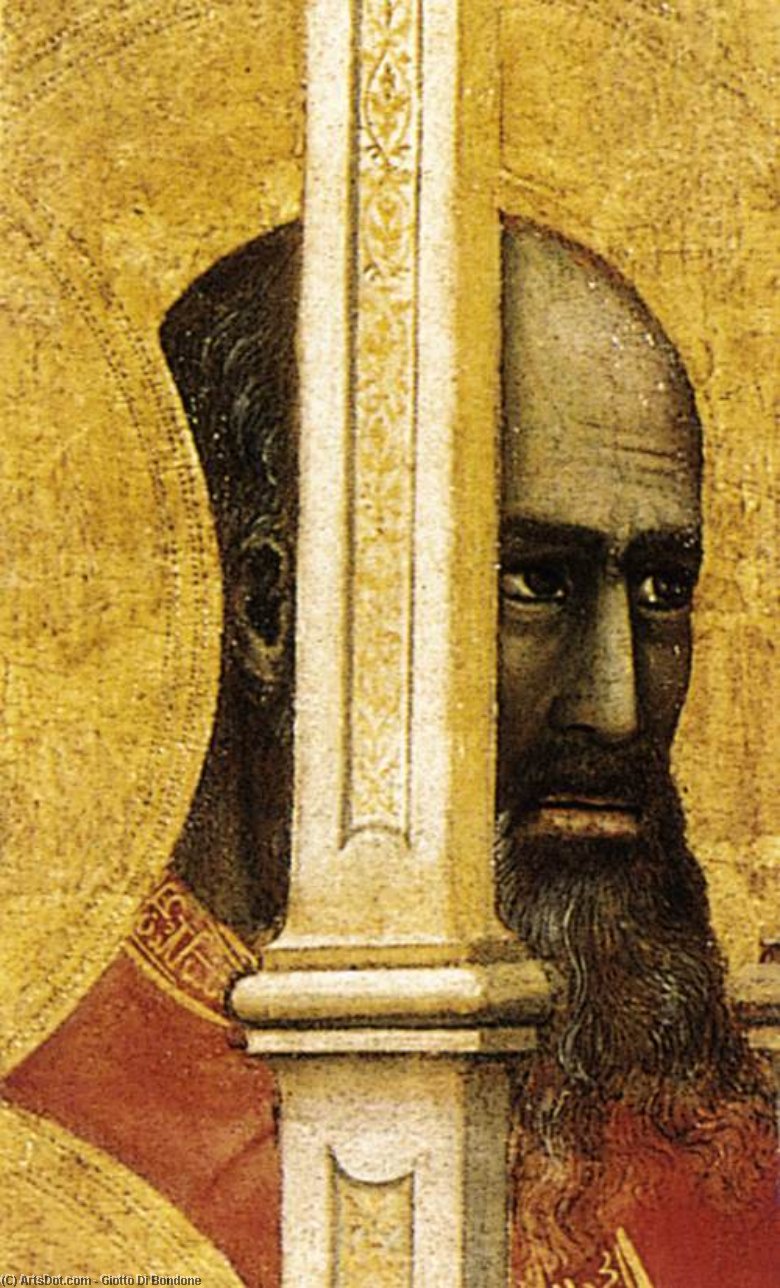
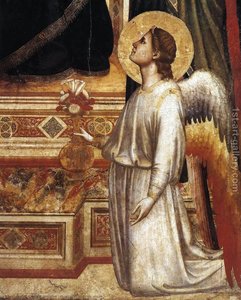
Ognissanti Madonna (detail)
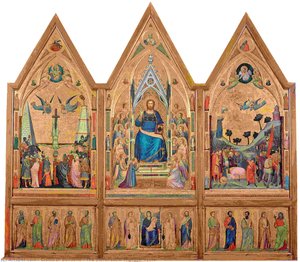
The Ognissanti Madonna by Giotto Di Bondone represents a pivotal moment in the evolution of Italian Renaissance painting, marking the transition from medieval to Renaissance styles. Painted around 1310, this tempera on wood panel masterpiece is housed at the Galleria degli Uffizi in Florence, Italy. Its significance lies not merely in its religious subject matter – the Virgin Mary and the Christ Child – but in Giotto’s groundbreaking innovations that fundamentally altered artistic conventions.The Painting's Significance
Prior to Giotto, painting largely adhered to Byzantine traditions: flattened figures, stylized drapery, and a predominance of gold backgrounds aimed at conveying spiritual grandeur. Giotto decisively rejected these constraints, embracing naturalism and striving for spatial depth—a daring move that foreshadowed the humanist spirit of the Renaissance. The Madonna Enthroned isn’t simply depicting holy figures; it's presenting them as human beings experiencing emotion, interacting within a believable environment. This deliberate departure from dogma signaled a profound shift in artistic priorities.Artistic Innovations
Giotto’s genius resided in his masterful manipulation of perspective and spatial composition. Unlike earlier artists who treated the Madonna as an ethereal icon floating above the earthly realm, Giotto created a sense of volume and three-dimensionality that captivated viewers. Observe how the drapery folds subtly suggest movement and form—a technique unheard of at the time. The figures’ expressions convey tenderness and solemn contemplation, reflecting the psychological realism that would become characteristic of Renaissance art. This careful attention to detail distinguishes Giotto's work from its predecessors and establishes him as a pioneer of artistic innovation.Historical Context
The Ognissanti Madonna was originally commissioned for the high altar of the Ognissanti church in Florence—a temple dedicated to Saint Mary of Ognissanti and its patrons, the Humiliati religious order. The church’s interior was adorned with numerous paintings designed to inspire devotion, reflecting the fervent piety of the era. Giotto's Madonna Enthroned stands as a testament to the artistic fervor of Florentine society during the early Renaissance.Attribution and Documentation
While attributing artworks definitively to Giotto presents challenges due to limited historical records, substantial evidence supports his authorship. Lorenzo Ghiberti’s autobiography provides invaluable insight into Giotto's life and artistic practice—a detailed account that corroborates scholarly assessments of Giotto’s role as a transformative figure in Florentine art history. Furthermore, meticulous examination of the painting itself reveals stylistic features consistent with Giotto’s oeuvre, bolstering confidence in its attribution.Relevance and Legacy
The Ognissanti Madonna transcends its religious origins to become a symbol of artistic rebirth—a cornerstone of Renaissance art and an enduring inspiration for generations of painters. Its influence can be discerned in the works of masters like Michelangelo and Raphael, who embraced Giotto’s principles of naturalism and spatial realism. For those seeking to appreciate the sublime beauty of Italian Renaissance painting or delving into its intellectual roots, the Ognissanti Madonna remains a profoundly rewarding subject of study.At ArtsDot, we offer high-quality, handmade oil painting reproductions of famous works like the Ognissanti Madonna. Visit our website to explore more masterpieces and learn about the artists who created them.
Obras relacionadas
Biografía del artista
**una vida de innovación y revolución artística**
giotto di bondone, el renombrado pintor y arquitecto italiano, dejó una huella imborrable en el mundo del arte con sus contribuciones pioneras a los períodos proto-renacentista y gótico. Nacido en 1267 en Florencia, Italia, la vida de Giotto permanece algo envuelta en misterio, pero su legado artístico es innegable.**contribuciones e innovaciones artísticas**
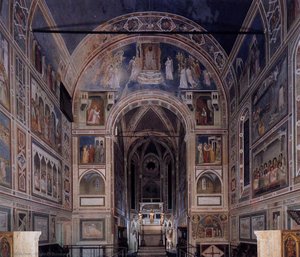
La obra más celebrada de Giotto, la Capilla Scrovegni (o Capilla Arena) en Padua, terminada alrededor de 1305, es un testimonio de su espíritu innovador. Este ciclo de frescos, que representa la vida de la Virgen y la vida de Cristo, no solo demuestra su genio artístico sino que también muestra una capacidad narrativa que fue un cambio significativo con respecto al enfoque estilizado bizantino.- Revolucionando la pintura: La insistencia de Giotto en el naturalismo, la atención a las emociones humanas y la exploración de figuras espaciales y voluminosas en la pintura sentaron las bases para los desarrollos en el arte occidental que siguieron.
- Contribuciones arquitectónicas: Su encargo en 1334 por parte del gobierno comunal de Florencia para diseñar el nuevo campanile (campanario) de la catedral de Florencia afirma su doble talento como artista y arquitecto.
**obras notables y su significado**
- Anunciación: la Virgen recibiendo el mensaje (ver en ArtsDot.com): un ejemplo primordial del estilo proto-renacentista de Giotto, caracterizado por su uso del naturalismo y la atención al detalle.
- Nacimiento. Nacer de Jesús (ver en ArtsDot.com): demuestra la capacidad de Giotto para transmitir narrativas complejas a través de sus frescos, una característica del período proto-renacentista.
- Madona en Maest (Madonna de Ognissanti) (ver en ArtsDot.com): esta pieza altar, encargada por la iglesia de Ognissanti en Florencia, es un ejemplo significativo de la pintura al óleo de Giotto y su uso del temple.
**legado e influencia**
La influencia de Giotto en el arte occidental es profunda, sentando las bases para el movimiento artístico renacentista. Su énfasis en el naturalismo, las emociones humanas y la conciencia espacial en la pintura ha perdurado, asegurando su posición como una figura fundamental en la historia del arte europeo. explorar más obras e influencias de Giotto di bondone en ArtsDot.com.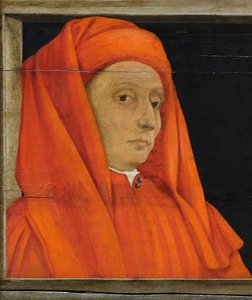
Giotto di Bondone
1267 - 1337 , Italia
Datos clave
- Artistas Influenciados:
- Masaccio
- Leonardo da Vinci
- Artistas Que Influyeron: ['Cimabue']
- Fecha De Muerte: 1337
- Fecha De Nacimiento: 1267
- Lugar De Nacimiento: Florencia, Italia
- Movimiento Artístico: Proto-Renacimiento
- Nacionalidad: Italiana
- Nombre Completo: Giotto di Bondone
- Obras Notables:
- Capilla Scrovegni
- Madonna de Ognissanti
- Frescos de Asís
Artículos relacionados

Giotto di Bondone: Las 25 Obras Maestras que Definieron el Renacimiento | ArtsDot
Descubre las 25 obras maestras de Giotto di Bondone, el pionero del Renacimiento. Explora la historia, técnica y simbolismo de sus frescos italianos más icónicos. Encuentra reproducciones de arte exclusivas para decorar tu hogar en ArtsDot.com.
Proto-Renacimiento: 10 Obras Maestras que Cambiaron la Historia del Arte | ArtsDot
Descubre las 10 obras maestras del Proto Renacimiento que revolucionaron el arte italiano. Explora la historia de Giotto, Duccio y Cimabue. Reproducciones de arte en ArtsDot.com para decorar tu hogar con belleza atemporal.
Giotto di Bondone: Revolutionizing Late Medieval Painting through Narrative Innovation
Explore the revolutionary art of Giotto di Bondone! Discover his groundbreaking techniques, iconic frescoes like those in the Arena Chapel, and lasting impact on Renaissance painting. A deep dive for art enthusiasts.

10 Obras Maestras Medievales que Definen el Arte (y tu Hogar)
Descubre 10 obras maestras del arte medieval, desde Duccio a Van Eyck. Explora la historia, simbolismo y belleza de Giotto, Simone Martini y más. Encuentra reproducciones de alta calidad para decorar tu hogar en ArtsDot.com.
Las 10 Obras Maestras del Alto Medieval: Arte, Historia y Decoración Exclusiva
Descubre las 10 obras maestras del Alto Medieval. Explora la historia, el simbolismo y la belleza de la pintura románica y gótica. Reproducciones exclusivas en ArtsDot.com para decorar tu hogar con arte atemporal.
![Scrovegni - [05] - Sueño de Joaquín](/media/artworks/images-thumb/8f/67/8f67bb5da87296bd452b3f0b237b528d.jpg)