 Ver en contexto
 Enviar
 Compartir
 Detalles

 Descargar
 Similares
 Radiografía
 Presentación de diapositivas
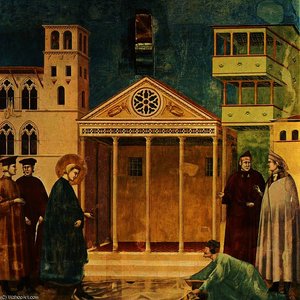
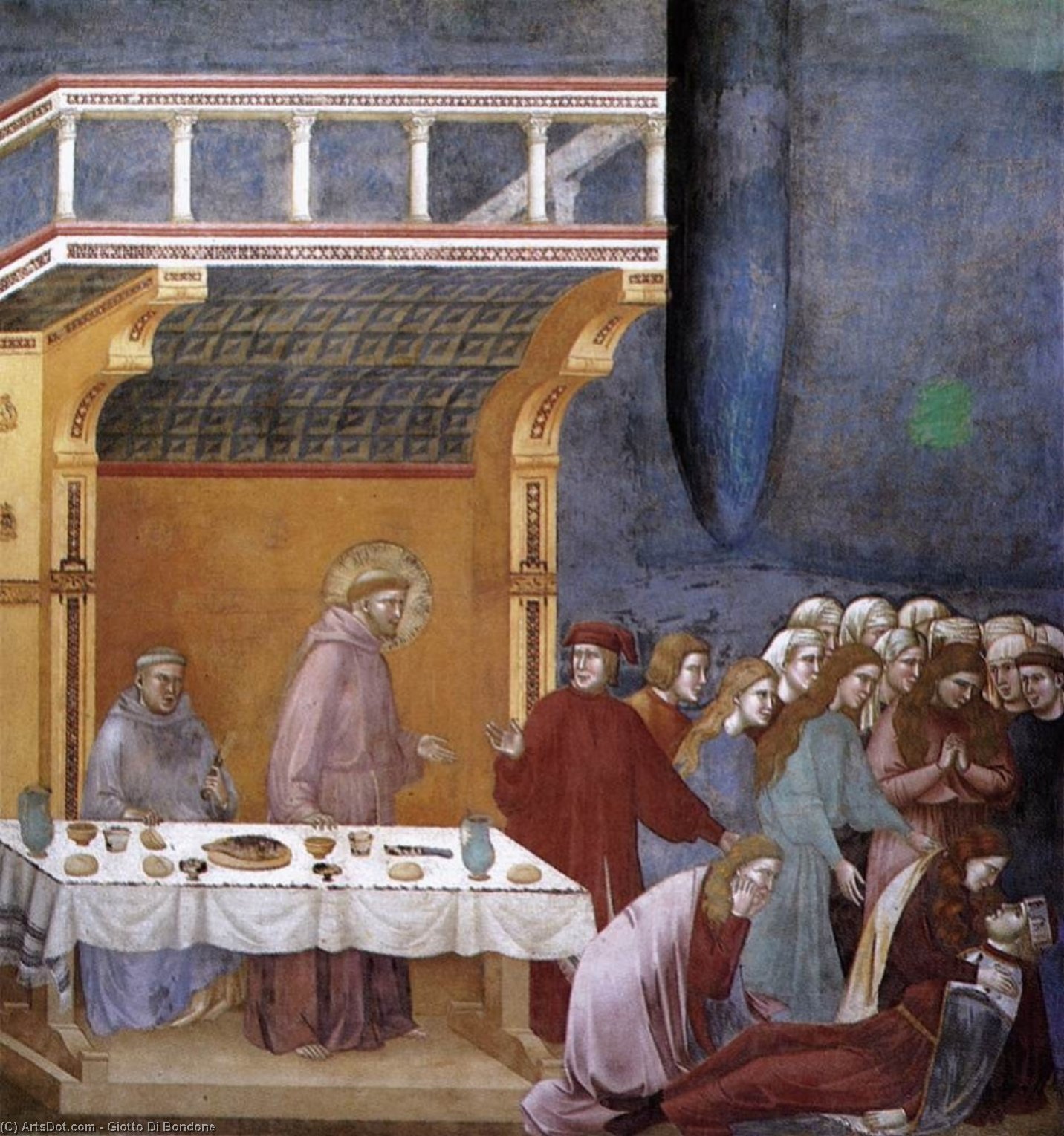
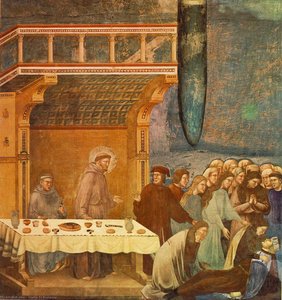
La muerte del caballero de Celano
 Acrílico sobre lienzo
- Arte de pared
- Proto Renaissance
 1300
1300- Renacimiento
 230.0 x 270.0 cm
 Ver más
Reproducción al óleo hecha a mano
Óleo sobre lienzo pintado a mano en el tamaño y marco de su elección, realizado por encargo por nuestros artistas. ( Comprar impresión Comprar imagen)




P118B $10

P118H $10

P118W $10

P438Z $10

P508JH $12

P508YH $12

P805H $10

P805Z $10

P919BZ $10

P919G $10

P919XJ $10

P959ZH $10

P968JZ $12

W106C $8

W218G $10

W218JH $8

W218Y $10

W307PJ $10

W316G $10

W316PJ $8

W316Y $10

W398PJ $8

W4111J $10

W500HY $15

W500JH $15

W692G $12

W849H $8

W940BG $15

W953PJ $8




Elija entre nuestros tamaños predefinidos que respetan las proporciones originales de la obra.

Puede ingresar sus propias dimensiones para adaptarse a un marco o espacio específico. Si el tamaño seleccionado no coincide con las proporciones de la imagen original, recortaremos la obra o extenderemos la pintura con elementos adicionales pintados a mano. Se le enviará una maqueta digital para su aprobación antes de comenzar la producción.
Tenga en cuenta que la vista previa en pantalla no refleja el recorte o la extensión reales. Solo la maqueta mostrará con precisión la composición final.
Si bien existen tamaños personalizados, recomendamos seleccionar una dimensión de la lista predefinida para preservar las proporciones originales.
Tras realizar el pedido, el equipo de ArtsDot.com enviará un correo electrónico al cliente para solicitar instrucciones y proporcionarle una vista previa del boceto.
Envío a todo el mundo () en 3-4 semanas en lugar de las 5 semanas estándar. (28 agosto). Sin comprometer la calidad.

Envío exprés gratuito a todo el mundo

Lienzo de lino de alta calidad

Seguro de envío total

Garantía de reembolso de impuestos aduaneros

Garantía de fidelidad cromática exacta

Política de devolución de 60 días (solo por defectos)

Garantía de devolución del 100% del dinero

Descuento por cantidad
 La opción de vidrio solo está disponible en tamaños inferiores a 110 cm.

La muerte del caballero de Celano
Técnica de reproducción
Dimensiones de la reproducción
-


Precio total final
$ 263
A Revolutionary Vision of Humanity
Giotto di Bondone’s “The Death of the Knight of Celano,” completed around 1300, stands as a cornerstone of Proto Renaissance art—a pivotal moment in Western artistic evolution. Found within the Cappella Scrovegni in Padua, Italy, this fresco transcends mere depiction; it embodies Giotto's groundbreaking approach to portraying human emotion and realism, marking a decisive break from Byzantine conventions that dominated the preceding era. It’s more than just paint on stone; it’s an invitation into a scene brimming with palpable life and profound contemplation.- Artist: Giotto di Bondone (1267-1337) – A Florentine innovator who fundamentally reshaped artistic expression.
- Date: 1300 – Situated squarely at the cusp of the Renaissance, signaling a dramatic shift towards naturalism and psychological depth.
- Location: Cappella Scrovegni, Padua, Italy – One of the most revered spaces for witnessing Giotto’s artistic legacy.
The Proto Renaissance Style: A New Dawn
Giotto's genius resided in his ability to capture not just what he saw but *how* people felt—a characteristic that distinguishes him from earlier artists who prioritized stylized representations over genuine emotion. Unlike the flattened, ethereal figures of Byzantine art, Giotto’s figures possess volume and weight, conveying a sense of physicality that was revolutionary for its time. This newfound realism extended beyond mere anatomical accuracy; it permeated every aspect of his compositions, influencing subsequent generations of painters. The Cappella Scrovegni itself serves as an unparalleled testament to this stylistic triumph—a space where Giotto’s vision continues to inspire awe and admiration.A Scene of Shared Humanity
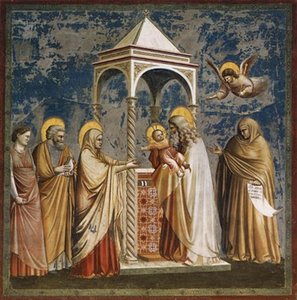
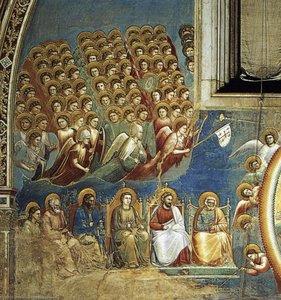
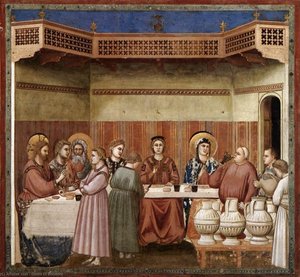
The fresco depicts a gathering of individuals around a table laden with food—a tableau that speaks volumes about medieval social life. Men and women engage in conversation, gesturing expressively, capturing the essence of human interaction. The meticulous detail evident in the depiction of tableware, clothing, and facial expressions underscores Giotto’s commitment to portraying reality with uncompromising honesty. Notice particularly the gaze of the knight—his eyes convey sorrow and acceptance as death approaches, reflecting a profound understanding of mortality that transcends stylistic conventions. This masterful portrayal elevates “The Death of the Knight of Celano” beyond mere visual spectacle; it invites viewers to contemplate the universal experience of loss and remembrance.Beyond Imitation: Emotional Depth
Giotto’s influence extended far beyond his immediate contemporaries. He paved the way for artists like Masaccio and Michelangelo, who would further refine naturalistic representation and imbue their works with psychological complexity. “The Death of the Knight of Celano” stands as a beacon of artistic innovation—a testament to Giotto's unwavering dedication to capturing not just what he saw but *how* it felt. To experience this masterpiece firsthand, visit The Museum Cappella Scrovegni (Padua, Italy) and explore more of Giotto’s artistic achievements at Giotto Di Bondone on ArtsDot. Photo Description: The painting is a fresco of a group of people gathered around a table with food on it. The people in the scene include men and women, all dressed in medieval clothing. Some are standing while others are sitting at the table. There are several bowls placed on the table, as well as cups and knives. A few spoons can also be seen on the table. The painting is set in a room with a dining table that occupies most of the space. The people are gathered around this table, engaging in conversation or enjoying their meal together. The atmosphere appears to be lively and social, as everyone seems to be participating in the gathering. Size: 230 x 270 cm Date: 1300 ARTIST INFORMATION: ================== Artist: Giotto di Bondone Birth Year: 1267 Death Year: 1337 Birth City: Florence Birth Country: Italy Biography:The Shepherd Boy of Florence: Giotto’s Revolutionary Vision
Born around 1267 in the rolling hills near Florence, Italy, Giotto di Bondone emerged from humble beginnings to become arguably the most pivotal figure in the transition from medieval artistic conventions toward the Renaissance. His early life is steeped in legend – a shepherd boy discovered sketching remarkably lifelike sheep on rocks, catching the discerning eye of the Florentine master Cimabue. Whether fact or folklore, this tale encapsulates the essence of Giotto’s genius: an innate ability to capture the natural world with unprecedented realism and emotional depth. Taken as an apprentice by Cimabue, Giotto quickly surpassed his teacher, absorbing technical skills but forging a path distinctly his own. The Byzantine style, dominant at the time, favored stylized figures, flattened perspectives, and lavish gold backgrounds – symbols of spiritual transcendence rather than earthly representation. Giotto, however, ye
Obras relacionadas
![Leyenda De San Francisco - [08] - Visión Del Carro Flamígero — Giotto Di Bondone, Proto-renaissance Gothic](/media/artworks/images-thumb/65/6e/656e345ff55e49ce2e4377a050b85aa1.jpg)
Biografía del artista
**una vida de innovación y revolución artística**
giotto di bondone, el renombrado pintor y arquitecto italiano, dejó una huella imborrable en el mundo del arte con sus contribuciones pioneras a los períodos proto-renacentista y gótico. Nacido en 1267 en Florencia, Italia, la vida de Giotto permanece algo envuelta en misterio, pero su legado artístico es innegable.**contribuciones e innovaciones artísticas**
La obra más celebrada de Giotto, la Capilla Scrovegni (o Capilla Arena) en Padua, terminada alrededor de 1305, es un testimonio de su espíritu innovador. Este ciclo de frescos, que representa la vida de la Virgen y la vida de Cristo, no solo demuestra su genio artístico sino que también muestra una capacidad narrativa que fue un cambio significativo con respecto al enfoque estilizado bizantino.- Revolucionando la pintura: La insistencia de Giotto en el naturalismo, la atención a las emociones humanas y la exploración de figuras espaciales y voluminosas en la pintura sentaron las bases para los desarrollos en el arte occidental que siguieron.
- Contribuciones arquitectónicas: Su encargo en 1334 por parte del gobierno comunal de Florencia para diseñar el nuevo campanile (campanario) de la catedral de Florencia afirma su doble talento como artista y arquitecto.
**obras notables y su significado**
- Anunciación: la Virgen recibiendo el mensaje (ver en ArtsDot.com): un ejemplo primordial del estilo proto-renacentista de Giotto, caracterizado por su uso del naturalismo y la atención al detalle.
- Nacimiento. Nacer de Jesús (ver en ArtsDot.com): demuestra la capacidad de Giotto para transmitir narrativas complejas a través de sus frescos, una característica del período proto-renacentista.
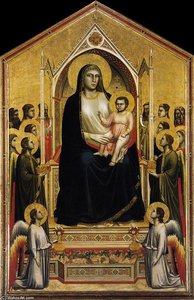
- Madona en Maest (Madonna de Ognissanti) (ver en ArtsDot.com): esta pieza altar, encargada por la iglesia de Ognissanti en Florencia, es un ejemplo significativo de la pintura al óleo de Giotto y su uso del temple.
**legado e influencia**
La influencia de Giotto en el arte occidental es profunda, sentando las bases para el movimiento artístico renacentista. Su énfasis en el naturalismo, las emociones humanas y la conciencia espacial en la pintura ha perdurado, asegurando su posición como una figura fundamental en la historia del arte europeo. explorar más obras e influencias de Giotto di bondone en ArtsDot.com.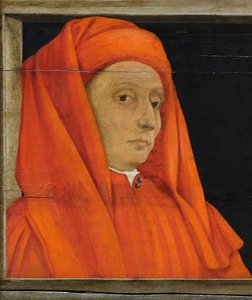
Giotto di Bondone
1267 - 1337 , Italia
Datos clave
- Artistas Influenciados:
- Masaccio
- Leonardo da Vinci
- Artistas Que Influyeron: ['Cimabue']
- Fecha De Muerte: 1337
- Fecha De Nacimiento: 1267
- Lugar De Nacimiento: Florencia, Italia
- Movimiento Artístico: Proto-Renacimiento
- Nacionalidad: Italiana
- Nombre Completo: Giotto di Bondone
- Obras Notables:
- Capilla Scrovegni
- Madonna de Ognissanti
- Frescos de Asís
Artículos relacionados

Giotto di Bondone: Las 25 Obras Maestras que Definieron el Renacimiento | ArtsDot
Descubre las 25 obras maestras de Giotto di Bondone, el pionero del Renacimiento. Explora la historia, técnica y simbolismo de sus frescos italianos más icónicos. Encuentra reproducciones de arte exclusivas para decorar tu hogar en ArtsDot.com.
Proto-Renacimiento: 10 Obras Maestras que Cambiaron la Historia del Arte | ArtsDot
Descubre las 10 obras maestras del Proto Renacimiento que revolucionaron el arte italiano. Explora la historia de Giotto, Duccio y Cimabue. Reproducciones de arte en ArtsDot.com para decorar tu hogar con belleza atemporal.
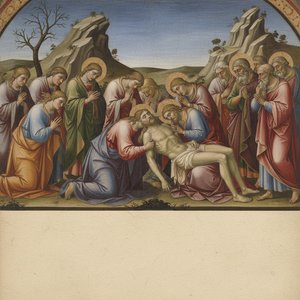
Giotto di Bondone: Revolutionizing Late Medieval Painting through Narrative Innovation
Explore the revolutionary art of Giotto di Bondone! Discover his groundbreaking techniques, iconic frescoes like those in the Arena Chapel, and lasting impact on Renaissance painting. A deep dive for art enthusiasts.
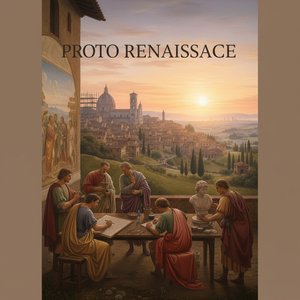
El Trecento Italiano: Semillas del Renacimiento y la Revolución Artística de Giotto
Descubre el Trecento italiano y la revolución artística de Giotto di Bondone. Análisis profundo de sus obras maestras, técnicas innovadoras y legado en la historia del arte. ¡Explora con ArtsDot!
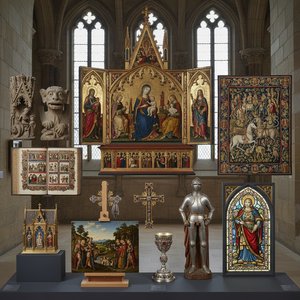
10 Obras Maestras Medievales que Definen el Arte (y tu Hogar)
Descubre 10 obras maestras del arte medieval, desde Duccio a Van Eyck. Explora la historia, simbolismo y belleza de Giotto, Simone Martini y más. Encuentra reproducciones de alta calidad para decorar tu hogar en ArtsDot.com.