

 Enviar
 Compartir
 Detalles

 Descargar
 Similares
 Presentación de diapositivas
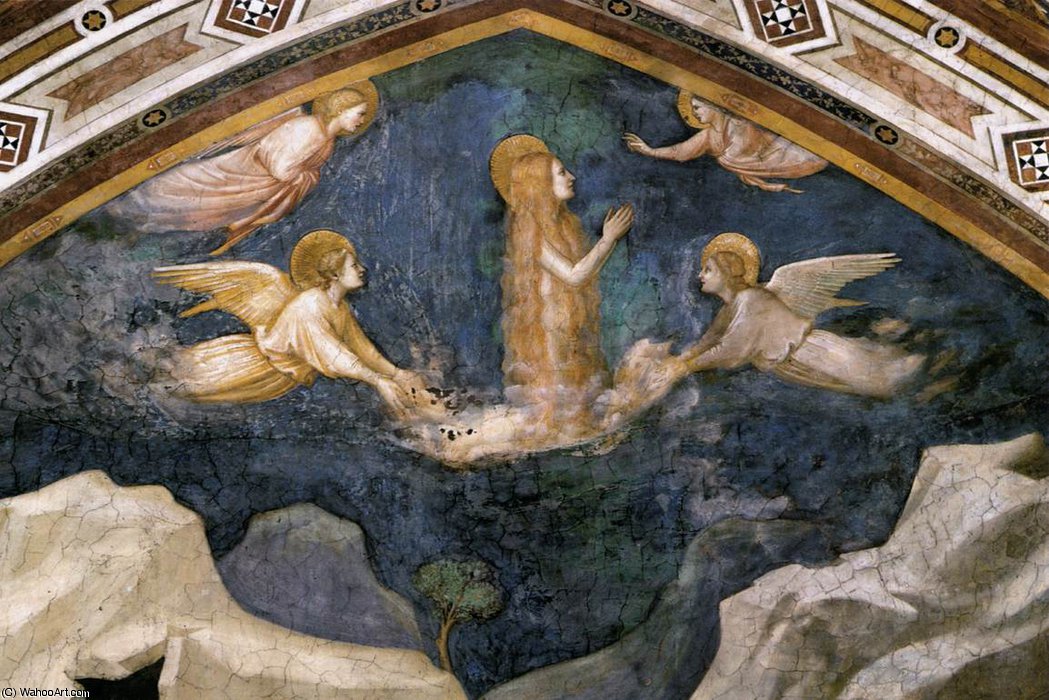
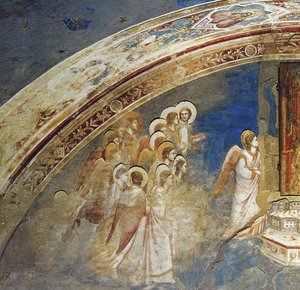
Mary Magdalene Speaking to the Angels


 Ver más
Adquiera una imagen digital de alta resolución y optimizada, muy superior a la vista previa en línea.
Cada archivo es preparado meticulosamente por nuestros especialistas internos mediante el uso de herramientas avanzadas y un experto retoque manual. Nos aseguramos de que cada imagen posea una claridad excepcional, una precisión cromática impecable y un detalle minucioso.
El archivo final se entrega por correo electrónico en un plazo de 72 horas, optimizado para su uso inmediato en entornos profesionales, editoriales y de impresión. Esta es la misma calidad en la que confían los estudios de diseño, las editoriales y las galerías de primer nivel.
Imagen Digital
Descarga un archivo de alta resolución para exhibición personal, impresión y proyectos creativos. ( Comprar impresión Comprar pintura hecha a mano)
Incluido en cada pedido de imágenes digitales
Entrega digital experta, garantizada.
Al elegir ArtsDot.com, no solo está adquiriendo una imagen; está recibiendo una obra de arte digital mejorada profesionalmente, elaborada con precisión y respaldada por una garantía de satisfacción. Esto es todo lo que incluye su pedido, automáticamente:

Entrega rápida por email
Recibirá su archivo de imagen digital en alta resolución por correo electrónico en un plazo de 72 horas tras realizar su pedido, listo para su uso inmediato.

Archivo digital optimizado por IA
Su obra de arte se optimiza profesionalmente mediante herramientas avanzadas de IA y edición manual, garantizando el máximo detalle, claridad y precisión cromática.

Reenvío gratuito de por vida
¿Has borrado o perdido tu archivo por error? No te preocupes: te lo volveremos a enviar en cualquier momento, sin coste adicional.

Sin gastos de importación, siempre
Disfrute de su obra de arte al instante sin aduanas, aranceles ni gastos de envío; las descargas digitales siempre están libres de impuestos.

Garantía de fidelidad de color
Garantizamos que su imagen digital refleje los colores originales con la mayor fidelidad posible, mediante el uso de herramientas profesionales y gestión del color.

Garantía de satisfacción de 60 días
Si no está satisfecho con su imagen digital, la revisaremos o le reembolsaremos el 100% en un plazo de 60 días, sin preguntas.

100% Garantía de devolución de dinero
¿No está satisfecho? Obtenga un reembolso completo dentro de los 60 días posteriores a la recepción de su archivo digital, sin necesidad de explicaciones.

Descuentos por pedidos grandes
Compra 3 imágenes, ahorra 10% - Compra 5, ahorra 15% - Compra 10+, ahorra 20%. Ideal para proyectos creativos, galerías y agencias.
Descripción del coleccionable
A Moment of Revelation: Giotto's "Mary Magdalene Speaking to the Angels"
Giotto di Bondone’s “Mary Magdalene Speaking to the Angels” stands as a monumental achievement, not merely in its scale but in its profound shift toward a more humanistic and emotionally resonant depiction of religious narrative. Painted around 1308-1310, this fresco, though lost to time and subsequent alterations, represents a crucial bridge between the stylized conventions of Byzantine art and the burgeoning realism that would define the Renaissance. Giotto’s genius lay in his ability to imbue biblical scenes with palpable emotion, moving beyond purely symbolic representation towards a deeply felt understanding of human experience – a revolutionary concept for his era.
- Subject Matter: The fresco portrays Mary Magdalene in a moment of intense spiritual communication. She stands at the heart of the composition, engaged in dialogue with two angelic figures who hover above her, seemingly offering guidance or solace.
- Compositional Innovation: Giotto’s masterful use of space and perspective is immediately apparent. Unlike the flattened, symbolic spaces favored by Byzantine artists, he creates a sense of depth and volume, drawing the viewer into the scene with remarkable immediacy. The figures are not rigidly posed; they possess a naturalistic grace that reflects Giotto's meticulous observation of human anatomy and movement.
Technique and Materials: Fresco Painting at its Finest
Giotto employed the traditional technique of fresco painting, a process demanding immense skill and precision. The pigments – primarily derived from minerals like ochre, azurite, and malachite – were mixed with water and applied to a freshly plastered wall. This ‘carbonized’ plaster reacted with the heat of the kiln during firing, permanently binding the paint to the surface. The resulting image is remarkably durable, testament to Giotto's mastery and the inherent strength of fresco itself. The subtle gradations of color and the delicate modeling of the figures demonstrate his profound understanding of light and shadow – a key element in creating the illusion of three-dimensionality.
- Color Palette: The palette is dominated by earthy tones—ochres, siennas, and umbers—creating a sense of solemnity and spiritual weight. The use of blues, particularly azurite, evokes the heavens and the divine presence of the angels.
- Texture: Giotto’s skillful manipulation of texture adds to the realism of the scene. The rough fabric of Mary Magdalene's garments contrasts with the smooth surfaces of the angelic figures, further enhancing their visual impact.
Symbolism and Emotional Impact
Beyond its technical brilliance, “Mary Magdalene Speaking to the Angels” is rich in symbolic meaning. The presence of the birds – carefully placed throughout the composition – adds another layer of interpretation. Birds have long been associated with spiritual ascension, messengers between heaven and earth, and symbols of hope and redemption. Mary Magdalene’s posture—open, vulnerable, yet resolute—suggests a profound acceptance of her past and a willingness to embrace divine grace. The scene powerfully conveys a sense of emotional intensity – the vulnerability of human faith juxtaposed with the serene authority of the angelic realm. Giotto's ability to capture this complex interplay of emotions is what elevates this fresco beyond mere religious illustration, transforming it into a timeless meditation on humanity’s relationship with the divine.
A Legacy of Innovation
Giotto’s influence on subsequent generations of artists was immense. He established new standards for naturalism, emotional expression, and spatial representation, paving the way for the revolutionary work of Masaccio, Michelangelo, and countless others. Today, a hand-painted reproduction of “Mary Magdalene Speaking to the Angels” offers a unique opportunity to experience firsthand the genius of this pivotal figure in art history – a testament to his unwavering commitment to truth, beauty, and the profound mysteries of faith.
Obras relacionadas
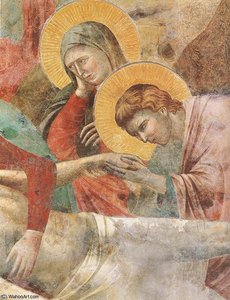
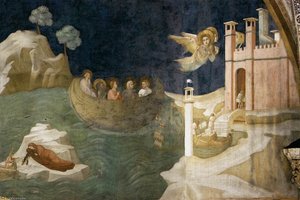
Biografía del artista
**una vida de innovación y revolución artística**
giotto di bondone, el renombrado pintor y arquitecto italiano, dejó una huella imborrable en el mundo del arte con sus contribuciones pioneras a los períodos proto-renacentista y gótico. Nacido en 1267 en Florencia, Italia, la vida de Giotto permanece algo envuelta en misterio, pero su legado artístico es innegable.**contribuciones e innovaciones artísticas**
La obra más celebrada de Giotto, la Capilla Scrovegni (o Capilla Arena) en Padua, terminada alrededor de 1305, es un testimonio de su espíritu innovador. Este ciclo de frescos, que representa la vida de la Virgen y la vida de Cristo, no solo demuestra su genio artístico sino que también muestra una capacidad narrativa que fue un cambio significativo con respecto al enfoque estilizado bizantino.- Revolucionando la pintura: La insistencia de Giotto en el naturalismo, la atención a las emociones humanas y la exploración de figuras espaciales y voluminosas en la pintura sentaron las bases para los desarrollos en el arte occidental que siguieron.
- Contribuciones arquitectónicas: Su encargo en 1334 por parte del gobierno comunal de Florencia para diseñar el nuevo campanile (campanario) de la catedral de Florencia afirma su doble talento como artista y arquitecto.
**obras notables y su significado**
- Anunciación: la Virgen recibiendo el mensaje (ver en ArtsDot.com): un ejemplo primordial del estilo proto-renacentista de Giotto, caracterizado por su uso del naturalismo y la atención al detalle.
- Nacimiento. Nacer de Jesús (ver en ArtsDot.com): demuestra la capacidad de Giotto para transmitir narrativas complejas a través de sus frescos, una característica del período proto-renacentista.
- Madona en Maest (Madonna de Ognissanti) (ver en ArtsDot.com): esta pieza altar, encargada por la iglesia de Ognissanti en Florencia, es un ejemplo significativo de la pintura al óleo de Giotto y su uso del temple.
**legado e influencia**
La influencia de Giotto en el arte occidental es profunda, sentando las bases para el movimiento artístico renacentista. Su énfasis en el naturalismo, las emociones humanas y la conciencia espacial en la pintura ha perdurado, asegurando su posición como una figura fundamental en la historia del arte europeo. explorar más obras e influencias de Giotto di bondone en ArtsDot.com.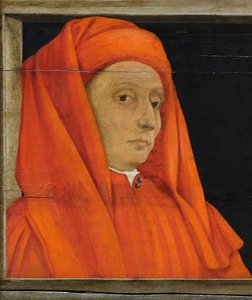
Giotto di Bondone
1267 - 1337 , Italia
Breves datos
- Artistas Influenciados:
- Masaccio
- Leonardo da Vinci
- Artistas Que Influyeron: ['Cimabue']
- Fecha De Muerte: 1337
- Fecha De Nacimiento: 1267
- Lugar De Nacimiento: Florencia, Italia
- Movimiento Artístico: Proto-Renacimiento
- Nacionalidad: Italiana
- Nombre Completo: Giotto di Bondone
- Obras Notables:
- Capilla Scrovegni
- Madonna de Ognissanti
- Frescos de Asís

