

 Ver en contexto
 Enviar
 Compartir
 Detalles

 Descargar
 Similares
 Radiografía
 Presentación de diapositivas
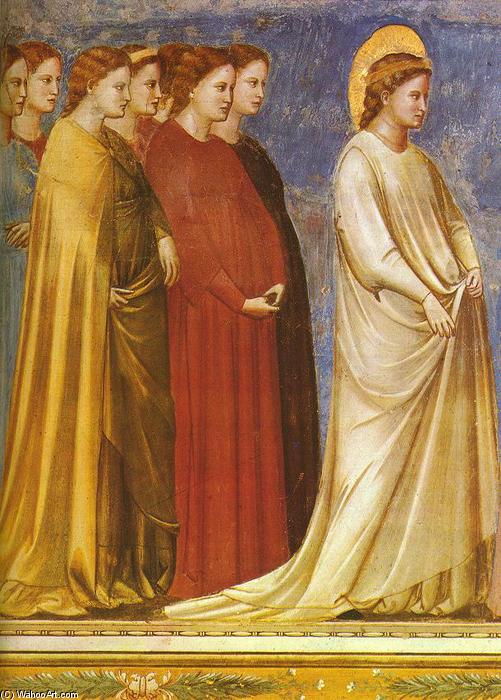
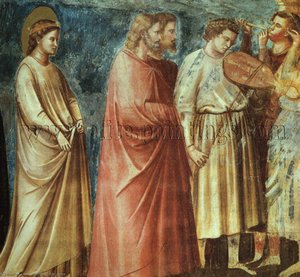
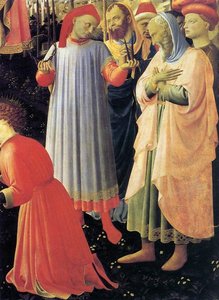
No. 12 Scenes from the Life of the Virgin: 6. Wedding Procession


 Ver más
Adquiera una imagen digital de alta resolución y optimizada, muy superior a la vista previa en línea.
Cada archivo es preparado meticulosamente por nuestros especialistas internos mediante el uso de herramientas avanzadas y un experto retoque manual. Nos aseguramos de que cada imagen posea una claridad excepcional, una precisión cromática impecable y un detalle minucioso.
El archivo final se entrega por correo electrónico en un plazo de 72 horas, optimizado para su uso inmediato en entornos profesionales, editoriales y de impresión. Esta es la misma calidad en la que confían los estudios de diseño, las editoriales y las galerías de primer nivel.
Imagen Digital
Descarga un archivo de alta resolución para exhibición personal, impresión y proyectos creativos. ( Comprar impresión Comprar pintura hecha a mano)
Incluido en cada pedido de imágenes digitales
Entrega digital experta, garantizada.
Al elegir ArtsDot.com, no solo está adquiriendo una imagen; está recibiendo una obra de arte digital mejorada profesionalmente, elaborada con precisión y respaldada por una garantía de satisfacción. Esto es todo lo que incluye su pedido, automáticamente:

Entrega rápida por email
Recibirá su archivo de imagen digital en alta resolución por correo electrónico en un plazo de 72 horas tras realizar su pedido, listo para su uso inmediato.

Archivo digital optimizado por IA
Su obra de arte se optimiza profesionalmente mediante herramientas avanzadas de IA y edición manual, garantizando el máximo detalle, claridad y precisión cromática.

Reenvío gratuito de por vida
¿Has borrado o perdido tu archivo por error? No te preocupes: te lo volveremos a enviar en cualquier momento, sin coste adicional.

Sin gastos de importación, siempre
Disfrute de su obra de arte al instante sin aduanas, aranceles ni gastos de envío; las descargas digitales siempre están libres de impuestos.

Garantía de fidelidad de color
Garantizamos que su imagen digital refleje los colores originales con la mayor fidelidad posible, mediante el uso de herramientas profesionales y gestión del color.

Garantía de satisfacción de 60 días
Si no está satisfecho con su imagen digital, la revisaremos o le reembolsaremos el 100% en un plazo de 60 días, sin preguntas.

100% Garantía de devolución de dinero
¿No está satisfecho? Obtenga un reembolso completo dentro de los 60 días posteriores a la recepción de su archivo digital, sin necesidad de explicaciones.

Descuentos por pedidos grandes
Compra 3 imágenes, ahorra 10% - Compra 5, ahorra 15% - Compra 10+, ahorra 20%. Ideal para proyectos creativos, galerías y agencias.
Giotto Di Bondone: The Dawn of Renaissance Painting
Before Giotto di Bondone, painting in Italy clung stubbornly to the Byzantine tradition—flat, stylized figures bathed in gold, conveying spiritual solemnity but lacking palpable human emotion. Giotto shattered this mold around 1290, marking a pivotal moment in artistic history and initiating what scholars now recognize as the Proto-Renaissance.
- Early Influences: Giotto’s formative years were steeped in Byzantine aesthetics, evident in his initial works—particularly those influenced by Cimabue.
- The Breakthrough: His apprenticeship with Cimabue proved transformative, exposing him to a more naturalistic approach championed by Florentine artists.
- A Revolutionary Vision: Giotto’s genius lay in capturing human psychology and spatial depth—qualities previously absent from Italian painting.
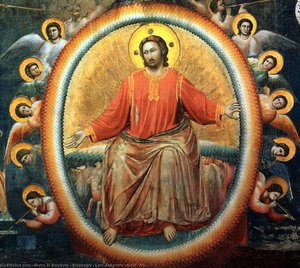
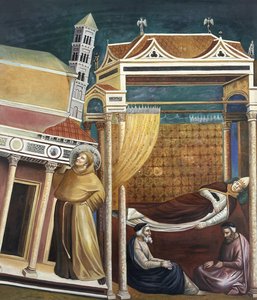
His most celebrated achievement is undoubtedly the decoration of the Cappella Scrovegni in Padua, begun in 1303. Commissioned by Enrico Scrovegni as an act of penance for his family’s sins, this monumental fresco cycle depicts scenes from the Life of Mary and Christ—a daring departure from Byzantine conventions.
- Spatial Depth: Giotto pioneered linear perspective, creating a convincing illusion of three-dimensionality that revolutionized artistic representation.
- Emotional Resonance: His figures radiate palpable emotion—joy, sorrow, compassion—capturing the human experience with unprecedented sensitivity.
- Narrative Complexity: The Scrovegni Chapel’s frescoes weave together intricate narratives, conveying profound theological themes while engaging viewers on an emotional level.
Giotto's legacy extends far beyond Padua. He established a new standard for artistic excellence—one characterized by naturalism, psychological depth, and masterful technique. His influence can be traced throughout Renaissance art, shaping the stylistic sensibilities of artists like Masaccio and Brunelleschi.
The Cappella Scrovegni: A Testament to Innovation
The chapel itself stands as a testament to Giotto’s vision—a space designed to inspire contemplation and convey spiritual truth. Enrico Scrovegni, a wealthy banker haunted by remorse for his family's transgressions, entrusted the decoration of this sacred edifice to Giotto Di Bondone.
- Architectural Context: Andrea Palladio’s masterful design—characterized by harmonious proportions and elegant ornamentation—created an ideal setting for Giotto’s frescoes.
- Symbolic Significance: The chapel's interior is replete with symbolic imagery—reflecting Christian beliefs and conveying moral lessons.
- A Monument to Faith: Completed around 1305, the Scrovegni Chapel remains a pilgrimage site for art lovers worldwide—a beacon of artistic innovation and spiritual devotion.
The fresco cycle’s meticulous detail—from drapery folds to facial expressions—demonstrates Giotto's unparalleled skill in capturing the nuances of human anatomy and emotion. It represents a radical departure from Byzantine art, establishing a new paradigm for Western painting.
Giotto’s Technique: Mastering Fresco
Giotto perfected the technique of fresco—a method of painting on wet plaster that ensures durability and luminosity. This painstaking process demanded immense patience and precision—reflecting Giotto's unwavering commitment to artistic excellence.
- Layered Application: Fresco involves applying pigment onto wet plaster in multiple layers—allowing for gradual buildup of color and texture.
- Pigment Choice: Giotto skillfully employed pigments—primarily tempera and oxides—to achieve vibrant hues and enduring brilliance.
- Surface Preparation: Careful surface preparation—including grinding limestone and applying a lime wash—was crucial to achieving optimal adhesion and preventing cracking.
The Scrovegni Chapel’s frescoes exemplify Giotto's mastery of fresco technique—resulting in an artwork that continues to captivate viewers centuries later.
Giotto’s Influence: Shaping Renaissance Art
Giotto Di Bondone’s groundbreaking innovations profoundly impacted the trajectory of Renaissance art—inspiring artists like Masaccio and Brunelleschi to embrace naturalism, spatial depth, and emotional resonance.
- Masaccio's Perspective: Masaccio adopted Giotto’s pioneering use of linear perspective—transforming painting into a realistic representation of the world.
- Brunelleschi's Dome: Brunelleschi’s construction of Florence Cathedral’s dome—a feat of engineering and architectural innovation—was influenced by Giotto’s artistic vision.
- A Legacy Enduring Through Time: Giotto Di Bondone remains a cornerstone of Western art history—his legacy enshrined in masterpieces that continue to inspire awe and admiration.
His work stands as an enduring testament to the transformative power of artistic innovation—forever altering the course of European culture.
Obras relacionadas
Biografía del artista
**una vida de innovación y revolución artística**
giotto di bondone, el renombrado pintor y arquitecto italiano, dejó una huella imborrable en el mundo del arte con sus contribuciones pioneras a los períodos proto-renacentista y gótico. Nacido en 1267 en Florencia, Italia, la vida de Giotto permanece algo envuelta en misterio, pero su legado artístico es innegable.**contribuciones e innovaciones artísticas**
La obra más celebrada de Giotto, la Capilla Scrovegni (o Capilla Arena) en Padua, terminada alrededor de 1305, es un testimonio de su espíritu innovador. Este ciclo de frescos, que representa la vida de la Virgen y la vida de Cristo, no solo demuestra su genio artístico sino que también muestra una capacidad narrativa que fue un cambio significativo con respecto al enfoque estilizado bizantino.- Revolucionando la pintura: La insistencia de Giotto en el naturalismo, la atención a las emociones humanas y la exploración de figuras espaciales y voluminosas en la pintura sentaron las bases para los desarrollos en el arte occidental que siguieron.
- Contribuciones arquitectónicas: Su encargo en 1334 por parte del gobierno comunal de Florencia para diseñar el nuevo campanile (campanario) de la catedral de Florencia afirma su doble talento como artista y arquitecto.
**obras notables y su significado**
- Anunciación: la Virgen recibiendo el mensaje (ver en ArtsDot.com): un ejemplo primordial del estilo proto-renacentista de Giotto, caracterizado por su uso del naturalismo y la atención al detalle.
- Nacimiento. Nacer de Jesús (ver en ArtsDot.com): demuestra la capacidad de Giotto para transmitir narrativas complejas a través de sus frescos, una característica del período proto-renacentista.
- Madona en Maest (Madonna de Ognissanti) (ver en ArtsDot.com): esta pieza altar, encargada por la iglesia de Ognissanti en Florencia, es un ejemplo significativo de la pintura al óleo de Giotto y su uso del temple.
**legado e influencia**
La influencia de Giotto en el arte occidental es profunda, sentando las bases para el movimiento artístico renacentista. Su énfasis en el naturalismo, las emociones humanas y la conciencia espacial en la pintura ha perdurado, asegurando su posición como una figura fundamental en la historia del arte europeo. explorar más obras e influencias de Giotto di bondone en ArtsDot.com.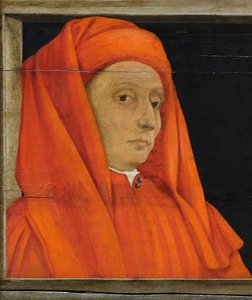
Giotto di Bondone
1267 - 1337 , Italia
Breves datos
- Artistas Influenciados:
- Masaccio
- Leonardo da Vinci
- Artistas Que Influyeron: ['Cimabue']
- Fecha De Muerte: 1337
- Fecha De Nacimiento: 1267
- Lugar De Nacimiento: Florencia, Italia
- Movimiento Artístico: Proto-Renacimiento
- Nacionalidad: Italiana
- Nombre Completo: Giotto di Bondone
- Obras Notables:
- Capilla Scrovegni
- Madonna de Ognissanti
- Frescos de Asís

