 Ver en contexto
 Enviar
 Compartir
 Detalles

 Descargar
 Similares
 Radiografía
 Presentación de diapositivas
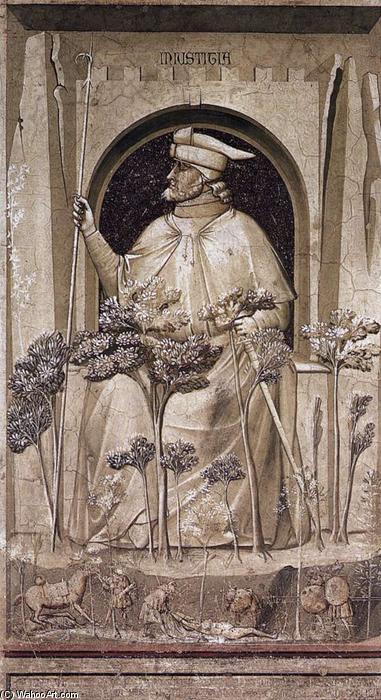
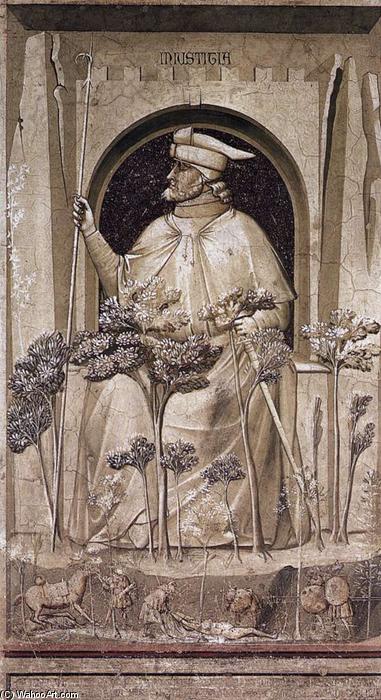
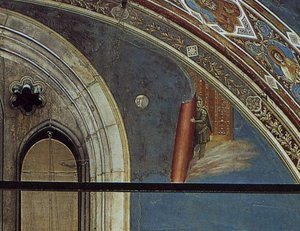
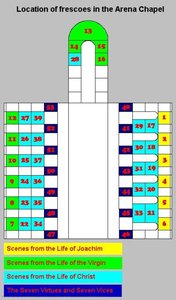
No. 50 Los Siete Pecados: Injusticia
 Acrílico sobre lienzo
- Arte de pared
- Proto-Renaissance
 1306
1306- Baja Edad Media
 120.0 x 60.0 cm
 Cappella Scrovegni
 Ver más
Reproducción al óleo hecha a mano
Óleo sobre lienzo pintado a mano en el tamaño y marco de su elección, realizado por encargo por nuestros artistas. ( Comprar impresión Comprar imagen)




P118B $10

P118H $10

P118W $10

P438Z $10

P508JH $12

P508YH $12

P805H $10

P805Z $10

P919BZ $10

P919G $10

P919XJ $10

P959ZH $10

P968JZ $12

W106C $8

W218G $10

W218JH $8

W218Y $10

W307PJ $10

W316G $10

W316PJ $8

W316Y $10

W398PJ $8

W4111J $10

W500HY $15

W500JH $15

W692G $12

W849H $8

W940BG $15

W953PJ $8




Elija entre nuestros tamaños predefinidos que respetan las proporciones originales de la obra.

Puede ingresar sus propias dimensiones para adaptarse a un marco o espacio específico. Si el tamaño seleccionado no coincide con las proporciones de la imagen original, recortaremos la obra o extenderemos la pintura con elementos adicionales pintados a mano. Se le enviará una maqueta digital para su aprobación antes de comenzar la producción.
Tenga en cuenta que la vista previa en pantalla no refleja el recorte o la extensión reales. Solo la maqueta mostrará con precisión la composición final.
Si bien existen tamaños personalizados, recomendamos seleccionar una dimensión de la lista predefinida para preservar las proporciones originales.
Tras realizar el pedido, el equipo de ArtsDot.com enviará un correo electrónico al cliente para solicitar instrucciones y proporcionarle una vista previa del boceto.
Envío a todo el mundo () en 3-4 semanas en lugar de las 5 semanas estándar. (25 agosto). Sin comprometer la calidad.

Envío exprés gratuito a todo el mundo

Lienzo de lino de alta calidad

Seguro de envío total

Garantía de reembolso de impuestos aduaneros

Garantía de fidelidad cromática exacta

Política de devolución de 60 días (solo por defectos)

Garantía de devolución del 100% del dinero

Descuento por cantidad
 La opción de vidrio solo está disponible en tamaños inferiores a 110 cm.

No. 50 Los Siete Pecados: Injusticia
Técnica de reproducción
Dimensiones de la reproducción
-


Precio total final
$ 263
Descripción de la obra
Giotto Di Bondone: A Masterpiece of Moral Authority — “No. 50 The Seven Vices: Injustice”
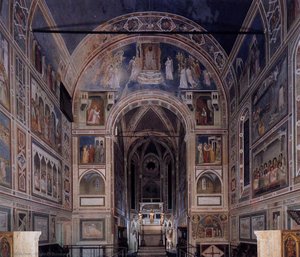
Within the Cappella Scrovegni in Padua, Italy—a chapel commissioned by Enrico Scrovegni as a testament to his family’s penance—lies Giotto di Bondone's “No. 50 The Seven Vices: Injustice,” a fresco that transcends mere decoration and delivers a profound meditation on justice, power, and the human condition. Completed around 1306, this monumental work isn’t simply a depiction of a scene; it’s an embodiment of moral philosophy rendered in vibrant color and compelling form, marking a pivotal shift in artistic representation during the early Renaissance.
At first glance, the painting presents a dramatic tableau: a towering figure dominates the composition, positioned atop a rugged hill or cliff face, his gaze fixed upon the sprawling cityscape below. This central figure, embodying Injustice, is clad in a flowing robe and brandishes two staffs—symbols of authority and dominion—a posture that immediately conveys a sense of stern judgment and unwavering control. Around him, a carefully orchestrated group of figures adds layers to the narrative; some holding staffs themselves, suggesting a community bound by shared responsibility for upholding righteousness, while others appear to be caught in the consequences of Injustice’s rule. A soaring bird circles above, introducing an element of dynamism and freedom—a subtle counterpoint to the static, authoritative presence below.
The Context of the Cappella Scrovegni
To fully appreciate “No. 50 The Seven Vices: Injustice,” one must understand its place within the larger context of the Cappella Scrovegni itself. Commissioned by Enrico Scrovegni, a wealthy cloth merchant, the chapel was intended as an act of penance for his family’s alleged sins. Giotto, then a rising star in Florence, was entrusted with creating a series of frescoes depicting both the virtues and vices—a didactic project designed to guide viewers toward moral rectitude. The chapel's architecture, blending Gothic and nascent Renaissance elements, further amplifies the painting’s impact, creating an immersive environment that reinforces its message.
Giotto’s selection for this monumental task was a watershed moment in art history. He moved away from the rigid conventions of Byzantine iconography—characterized by flattened figures and gold backgrounds—and embraced a more naturalistic approach, prioritizing human emotion and spatial depth. This shift is powerfully evident in “No. 50 The Seven Vices: Injustice,” where the figures possess a palpable sense of weight and volume, their expressions conveying a range of emotions – from disapproval to resignation.
Symbolism and Artistic Technique
The painting’s symbolism is layered and complex. The elevated position of Injustice suggests its power and influence, while the downward gaze implies a judgment cast upon the city below—a representation of humanity grappling with moral failings. The staffs held by some figures underscore the importance of leadership in upholding justice, while the bird symbolizes hope and freedom—a reminder that righteousness can ultimately prevail. Giotto’s masterful use of fresco technique—applying pigments to wet plaster—allowed for a remarkable level of detail and luminosity, capturing the textures of fabric, stone, and skin with astonishing realism.
Noticeably, Giotto employs a limited color palette, relying primarily on earthy tones – ochres, siennas, and umbers – which contribute to the painting’s solemn mood. The contrast between light and shadow is expertly rendered, creating a sense of depth and drama that draws the viewer into the scene. The figures are not idealized; they possess imperfections and vulnerabilities, reflecting the complexities of human nature.
A Timeless Message
"No. 50 The Seven Vices: Injustice" remains a profoundly moving work of art, offering a timeless meditation on morality, power, and the ongoing struggle between good and evil. It’s more than just a historical artifact; it’s a mirror reflecting our own values and responsibilities. The painting’s enduring appeal lies in its ability to provoke contemplation and inspire viewers to consider their roles in shaping a just and equitable world. For art enthusiasts and collectors, ArtsDot offers high-quality, handmade oil painting reproductions of Giotto’s works. Visit our website to explore more about this artist and his contributions to the world of art.
Artist: Giotto Di Bondone
Painting Title: No. 50 The Seven Vices: Injustice
Museum: Cappella Scrovegni (Padua, Italy)
Date: 1306
Medium: Frescoes
Artwork Information
Size: 120 x 60 cm
Date: 1306
Artist Information
Artist: Giotto Di Bondone
Birth Year: 1267
Death Year: 1337
Birth City: Florence
Birth Country: Italy
Biography: Giotto di Bondone (c. 1267 – January 8, 1337) was an Italian painter and architect from Florence during the Late Middle Ages. He worked during the Gothic and Proto-Renaissance period. Giotto’s contemporary, the banker and chronicler Giovanni Villani, wrote that Giotto was “the most sovereign master of painting in his time, who drew all his figures and their postures according to nature” and of his publicly recognized “talent and excellence”. Giorgio Vasari described Giotto as making a decisive break from the prevalent Byzantine style and as initiating “the great art of painting as we know it today, introducing the technique of drawing accurately from life, which had been neglected for more than two hundred years\".
Additional Research
Photo Description: The painting is a fresco of a man in a robe holding two staffs. The man appears to be standing on top of a hill or a cliff overlooking the city below. He has a stern look on his face as he looks down at the people below him. In addition to the main figure, there are several other figures visible in the painting. Some of these figures appear to be holding staffs and are located near the top left corner of the image. There is also a bird flying above the scene, adding an element of motion to the artwork. Size: 120 x 60 cm Date: 1306Useful Links:
- No. 50 The Seven Vices: Injustice
- Giotto Di Bondone
- No. 50 The Seven Vices: Injustice by GIOTTO di Bondone
- Seven Vices and Seven Virtues - Frescoes by GIOTTO
- Chicago Seven
Artwork Database:
Obras relacionadas
![Scrovegni - [33] - Flagellation — Giotto Di Bondone, Proto-renaissance](/media/artworks/images-thumb/88/35/883574b661a3e690cc33bcd718531169.jpg)
![Scrovegni - [45] - Caridad — Giotto Di Bondone, The Scrovegni Chapel's Frescoes Represent A Pivota](/media/artworks/images-thumb/e1/00/e1008eaf7577d593fa23b0652ca52340.jpg)
![Scrovegni - [26] - Entrada En Jerusalén — Giotto Di Bondone, Arte Gótico](/media/artworks/images-thumb/3b/b7/3bb7da3cf0463e95662f2abd7ce45ff9.jpg)
Biografía del artista
**una vida de innovación y revolución artística**
giotto di bondone, el renombrado pintor y arquitecto italiano, dejó una huella imborrable en el mundo del arte con sus contribuciones pioneras a los períodos proto-renacentista y gótico. Nacido en 1267 en Florencia, Italia, la vida de Giotto permanece algo envuelta en misterio, pero su legado artístico es innegable.**contribuciones e innovaciones artísticas**
La obra más celebrada de Giotto, la Capilla Scrovegni (o Capilla Arena) en Padua, terminada alrededor de 1305, es un testimonio de su espíritu innovador. Este ciclo de frescos, que representa la vida de la Virgen y la vida de Cristo, no solo demuestra su genio artístico sino que también muestra una capacidad narrativa que fue un cambio significativo con respecto al enfoque estilizado bizantino.- Revolucionando la pintura: La insistencia de Giotto en el naturalismo, la atención a las emociones humanas y la exploración de figuras espaciales y voluminosas en la pintura sentaron las bases para los desarrollos en el arte occidental que siguieron.
- Contribuciones arquitectónicas: Su encargo en 1334 por parte del gobierno comunal de Florencia para diseñar el nuevo campanile (campanario) de la catedral de Florencia afirma su doble talento como artista y arquitecto.
**obras notables y su significado**
- Anunciación: la Virgen recibiendo el mensaje (ver en ArtsDot.com): un ejemplo primordial del estilo proto-renacentista de Giotto, caracterizado por su uso del naturalismo y la atención al detalle.
- Nacimiento. Nacer de Jesús (ver en ArtsDot.com): demuestra la capacidad de Giotto para transmitir narrativas complejas a través de sus frescos, una característica del período proto-renacentista.
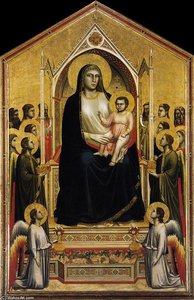
- Madona en Maest (Madonna de Ognissanti) (ver en ArtsDot.com): esta pieza altar, encargada por la iglesia de Ognissanti en Florencia, es un ejemplo significativo de la pintura al óleo de Giotto y su uso del temple.
**legado e influencia**
La influencia de Giotto en el arte occidental es profunda, sentando las bases para el movimiento artístico renacentista. Su énfasis en el naturalismo, las emociones humanas y la conciencia espacial en la pintura ha perdurado, asegurando su posición como una figura fundamental en la historia del arte europeo. explorar más obras e influencias de Giotto di bondone en ArtsDot.com.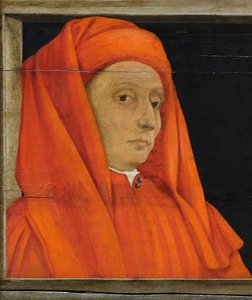
Giotto di Bondone
1267 - 1337 , Italia
Datos clave
- Artistas Influenciados:
- Masaccio
- Leonardo da Vinci
- Artistas Que Influyeron: ['Cimabue']
- Fecha De Muerte: 1337
- Fecha De Nacimiento: 1267
- Lugar De Nacimiento: Florencia, Italia
- Movimiento Artístico: Proto-Renacimiento
- Nacionalidad: Italiana
- Nombre Completo: Giotto di Bondone
- Obras Notables:
- Capilla Scrovegni
- Madonna de Ognissanti
- Frescos de Asís
Artículos relacionados

Giotto di Bondone: Las 25 Obras Maestras que Definieron el Renacimiento | ArtsDot
Descubre las 25 obras maestras de Giotto di Bondone, el pionero del Renacimiento. Explora la historia, técnica y simbolismo de sus frescos italianos más icónicos. Encuentra reproducciones de arte exclusivas para decorar tu hogar en ArtsDot.com.

The Enduring Legacy of Fresco: Technique, History & Artistic Expression Across Cultures
Explore the rich history & enduring legacy of fresco painting! Discover ancient techniques, Giotto's masterpieces, and modern applications. Expert insights for art lovers & professionals.

Legado en las Paredes: Frescos Familiares que Trascienden el Tiempo
Descubre el arte del fresco muralístico para inmortalizar tu historia familiar. Expertos en frescos personalizados y técnicas ancestrales. Crea un legado visual único con .

The Enduring Legacy of Fresco Painting: Techniques, History & Contemporary Relevance
Explore the rich history & enduring artistry of fresco painting – from Giotto to Michelangelo! Discover techniques, conservation efforts, & modern applications. Learn how ArtsDot brings this timeless art form to your home.
Proto-Renacimiento: 10 Obras Maestras que Cambiaron la Historia del Arte | ArtsDot
Descubre las 10 obras maestras del Proto Renacimiento que revolucionaron el arte italiano. Explora la historia de Giotto, Duccio y Cimabue. Reproducciones de arte en ArtsDot.com para decorar tu hogar con belleza atemporal.
![Scrovegni - [05] - Sueño de Joaquín](/media/artworks/images-thumb/8f/67/8f67bb5da87296bd452b3f0b237b528d.jpg)