 Ver en contexto
 Enviar
 Compartir
 Detalles

 Descargar
 Similares
 Radiografía
 Presentación de diapositivas
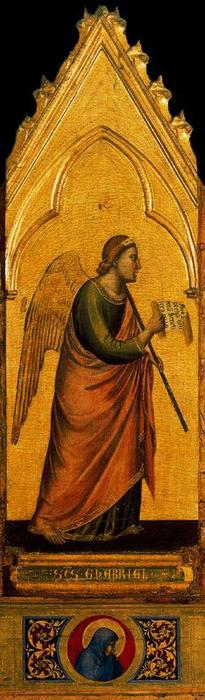
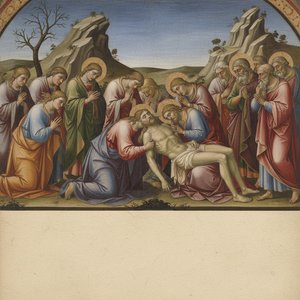
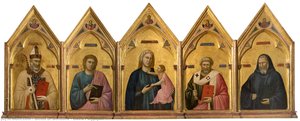
Políptico de Bolonia 1

 Ver más
Reproducción al óleo hecha a mano
Óleo sobre lienzo pintado a mano en el tamaño y marco de su elección, realizado por encargo por nuestros artistas. ( Comprar impresión Comprar imagen)




P118B $10

P118H $10

P118W $10

P438Z $10

P508JH $12

P508YH $12

P805H $10

P805Z $10

P919BZ $10

P919G $10

P919XJ $10

P959ZH $10

P968JZ $12

W106C $8

W218G $10

W218JH $8

W218Y $10

W307PJ $10

W316G $10

W316PJ $8

W316Y $10

W398PJ $8

W4111J $10

W500HY $15

W500JH $15

W692G $12

W849H $8

W940BG $15

W953PJ $8




Elija entre nuestros tamaños predefinidos que respetan las proporciones originales de la obra.

Puede ingresar sus propias dimensiones para adaptarse a un marco o espacio específico. Si el tamaño seleccionado no coincide con las proporciones de la imagen original, recortaremos la obra o extenderemos la pintura con elementos adicionales pintados a mano. Se le enviará una maqueta digital para su aprobación antes de comenzar la producción.
Tenga en cuenta que la vista previa en pantalla no refleja el recorte o la extensión reales. Solo la maqueta mostrará con precisión la composición final.
Si bien existen tamaños personalizados, recomendamos seleccionar una dimensión de la lista predefinida para preservar las proporciones originales.
Tras realizar el pedido, el equipo de ArtsDot.com enviará un correo electrónico al cliente para solicitar instrucciones y proporcionarle una vista previa del boceto.
Envío a todo el mundo () en 3-4 semanas en lugar de las 5 semanas estándar. (27 agosto). Sin comprometer la calidad.

Envío exprés gratuito a todo el mundo

Lienzo de lino de alta calidad

Seguro de envío total

Garantía de reembolso de impuestos aduaneros

Garantía de fidelidad cromática exacta

Política de devolución de 60 días (solo por defectos)

Garantía de devolución del 100% del dinero

Descuento por cantidad
 La opción de vidrio solo está disponible en tamaños inferiores a 110 cm.

Políptico de Bolonia 1
Técnica de reproducción
Dimensiones de la reproducción
-


Precio total final
$ 263
Descripción de la obra
The Políptico de Bolonia 1: A Window into Giotto's Revolutionary Vision
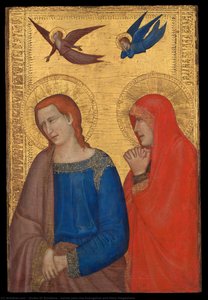
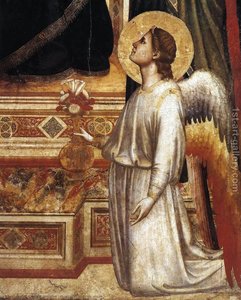
Giotto di Bondone’s “Políptico de Bolonia 1,” a remarkable panel painting, stands as a cornerstone of Western art history – a pivotal moment in the shift from the stylized formality of medieval religious art to the burgeoning realism that would define the Renaissance. Executed around 1317-1320, this polyptych, originally comprised of several panels depicting scenes from the life of Christ, offers an intimate glimpse into Giotto’s revolutionary approach to representation and his profound understanding of human emotion. The surviving fragment, meticulously recreated in our hand-painted reproductions, continues to captivate viewers with its quiet drama and startlingly naturalistic figures.
- Subject Matter & Composition: The scene depicted is a devotional tableau, likely focusing on the ministry of Christ. Two figures are prominently featured – one holding a book, suggesting scholarly discourse or perhaps divine revelation, and another engaged in conversation. This deliberate pairing creates a dynamic interaction, central to Giotto’s ambition to portray not just static religious narratives but also the lived experience of faith.
- Technique & Style: Giotto's genius lay in his mastery of *disegno*, or drawing – a fundamental principle he championed. Unlike the flattened perspectives and gold-dominated backgrounds characteristic of Byzantine art, Giotto employed atmospheric perspective, creating a sense of depth through subtle gradations of color and shading. The figures themselves are rendered with an unprecedented degree of naturalism, their poses conveying a palpable sense of movement and emotion. Note the careful attention to detail in the rendering of clothing textures and facial expressions – hallmarks of Giotto’s innovative approach.
A Bridge Between Eras: Historical Context
Giotto's work emerged during a period of significant artistic and intellectual ferment. The late medieval era witnessed a renewed interest in classical antiquity, fueled by the rediscovery of Roman ruins and texts. This revival influenced artists to seek greater accuracy and realism in their depictions of the human form and the natural world. Giotto’s polyptychs were commissioned for private devotion, reflecting the growing importance of personal piety within the Church. The inclusion of architectural elements – notably the clock tower – anchors the scene firmly within a specific time and place, adding to its narrative richness. This piece represents a crucial transition; it's not simply a religious image but a testament to a changing worldview.
Symbolism & Emotional Resonance
The book held by the central figure is laden with symbolic meaning, representing knowledge, scripture, and divine wisdom. The interaction between the two figures suggests contemplation, dialogue, and perhaps even a moment of spiritual revelation. Giotto’s ability to imbue his figures with such profound emotional depth was revolutionary. He moved beyond mere representation to capture the inner lives of his subjects, creating images that resonated deeply with viewers on an emotional level. This is evident in the subtle expressions of concern, curiosity, and perhaps even reverence displayed by the figures.
Collecting & Appreciation
A hand-painted reproduction of “Políptico de Bolonia 1” offers a unique opportunity to own a piece of art history – a tangible connection to one of the most influential artists of all time. Our reproductions meticulously recreate Giotto’s groundbreaking techniques and stylistic innovations, ensuring that you experience the full impact of his artistic vision. Whether adorning a study, a chapel, or a private residence, this artwork will undoubtedly serve as a source of inspiration and contemplation for years to come. Ref: ART-1234
Obras relacionadas
![Scrovegni - [33] - Flagellation — Giotto Di Bondone, Proto-renaissance](/media/artworks/images-thumb/88/35/883574b661a3e690cc33bcd718531169.jpg)
Biografía del artista
**una vida de innovación y revolución artística**
giotto di bondone, el renombrado pintor y arquitecto italiano, dejó una huella imborrable en el mundo del arte con sus contribuciones pioneras a los períodos proto-renacentista y gótico. Nacido en 1267 en Florencia, Italia, la vida de Giotto permanece algo envuelta en misterio, pero su legado artístico es innegable.**contribuciones e innovaciones artísticas**
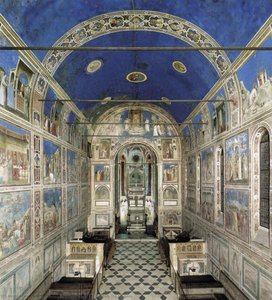
La obra más celebrada de Giotto, la Capilla Scrovegni (o Capilla Arena) en Padua, terminada alrededor de 1305, es un testimonio de su espíritu innovador. Este ciclo de frescos, que representa la vida de la Virgen y la vida de Cristo, no solo demuestra su genio artístico sino que también muestra una capacidad narrativa que fue un cambio significativo con respecto al enfoque estilizado bizantino.- Revolucionando la pintura: La insistencia de Giotto en el naturalismo, la atención a las emociones humanas y la exploración de figuras espaciales y voluminosas en la pintura sentaron las bases para los desarrollos en el arte occidental que siguieron.
- Contribuciones arquitectónicas: Su encargo en 1334 por parte del gobierno comunal de Florencia para diseñar el nuevo campanile (campanario) de la catedral de Florencia afirma su doble talento como artista y arquitecto.
**obras notables y su significado**
- Anunciación: la Virgen recibiendo el mensaje (ver en ArtsDot.com): un ejemplo primordial del estilo proto-renacentista de Giotto, caracterizado por su uso del naturalismo y la atención al detalle.
- Nacimiento. Nacer de Jesús (ver en ArtsDot.com): demuestra la capacidad de Giotto para transmitir narrativas complejas a través de sus frescos, una característica del período proto-renacentista.
- Madona en Maest (Madonna de Ognissanti) (ver en ArtsDot.com): esta pieza altar, encargada por la iglesia de Ognissanti en Florencia, es un ejemplo significativo de la pintura al óleo de Giotto y su uso del temple.
**legado e influencia**
La influencia de Giotto en el arte occidental es profunda, sentando las bases para el movimiento artístico renacentista. Su énfasis en el naturalismo, las emociones humanas y la conciencia espacial en la pintura ha perdurado, asegurando su posición como una figura fundamental en la historia del arte europeo. explorar más obras e influencias de Giotto di bondone en ArtsDot.com.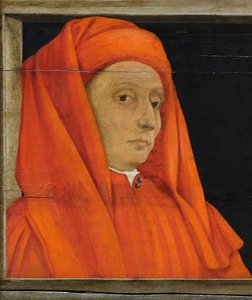
Giotto di Bondone
1267 - 1337 , Italia
Datos clave
- Artistas Influenciados:
- Masaccio
- Leonardo da Vinci
- Artistas Que Influyeron: ['Cimabue']
- Fecha De Muerte: 1337
- Fecha De Nacimiento: 1267
- Lugar De Nacimiento: Florencia, Italia
- Movimiento Artístico: Proto-Renacimiento
- Nacionalidad: Italiana
- Nombre Completo: Giotto di Bondone
- Obras Notables:
- Capilla Scrovegni
- Madonna de Ognissanti
- Frescos de Asís
Artículos relacionados

Giotto di Bondone: Las 25 Obras Maestras que Definieron el Renacimiento | ArtsDot
Descubre las 25 obras maestras de Giotto di Bondone, el pionero del Renacimiento. Explora la historia, técnica y simbolismo de sus frescos italianos más icónicos. Encuentra reproducciones de arte exclusivas para decorar tu hogar en ArtsDot.com.
Proto-Renacimiento: 10 Obras Maestras que Cambiaron la Historia del Arte | ArtsDot
Descubre las 10 obras maestras del Proto Renacimiento que revolucionaron el arte italiano. Explora la historia de Giotto, Duccio y Cimabue. Reproducciones de arte en ArtsDot.com para decorar tu hogar con belleza atemporal.
Giotto di Bondone: Revolutionizing Late Medieval Painting through Narrative Innovation
Explore the revolutionary art of Giotto di Bondone! Discover his groundbreaking techniques, iconic frescoes like those in the Arena Chapel, and lasting impact on Renaissance painting. A deep dive for art enthusiasts.

Goya: Las 25 Obras Maestras del Genio Español | Reproducciones de Arte en ArtsDot
Descubre las 25 obras maestras de Goya, el genio español. Explora retratos icónicos, 'Los Caprichos' y 'Las Pinturas Negras'. Reproducciones de arte en lienzo de alta calidad para decorar tu hogar con estilo. ¡Encuentra tu obra favorita en ArtsDot.com!

Acerca de nosotros
Descubre nuestra historia! Llevamos el arte de clase mundial a tu vida gracias a una selección experta, creaciones personalizadas y vistas previas gratuitas. Aprobado por particulares y empresas desde el año 2000.
![Scrovegni - [05] - Sueño de Joaquín](/media/artworks/images-thumb/8f/67/8f67bb5da87296bd452b3f0b237b528d.jpg)
![Scrovegni - [18] - Adoración de los Magos](/media/artworks/images-thumb/f2/e8/f2e81d570d180eb863057a1991a834d4.jpg)
![Scrovegni - [22] - Cristo entre los doctores](/media/artworks/images-thumb/b0/d6/b0d6b4a8f685d3a87d276cb650082a00.jpg)