

![Scrovegni - [12] - Procesión Nupcial — Giotto Di Bondone](/media/artworks/images-full/c7/64/c764eb1441c0c5dee11effe3cff0f3a6.jpg)
 Compartir
 Compartir
 Ver detalles

 Descargar
 Ver similares
 Presentación de diapositivas
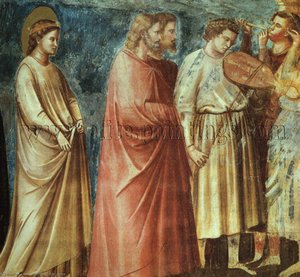
Scrovegni - [12] - Procesión Nupcial


 Leer más
Adquiera una imagen digital de alta resolución y optimizada, muy superior a la vista previa en línea.
Cada archivo es preparado meticulosamente por nuestros especialistas internos mediante el uso de herramientas avanzadas y un experto retoque manual. Nos aseguramos de que cada imagen posea una claridad excepcional, una precisión cromática impecable y un detalle minucioso.
El archivo final se entrega por correo electrónico en un plazo de 72 horas, optimizado para su uso inmediato en entornos profesionales, editoriales y de impresión. Esta es la misma calidad en la que confían los estudios de diseño, las editoriales y las galerías de primer nivel.
Imagen Digital
Descarga un archivo de alta resolución para exhibición personal, impresión y proyectos creativos. ( Pedir impresión Encargar reproducción pintada a mano)
Incluido en cada compra de imágenes digitales
Entrega digital experta, garantizada.
Al elegir ArtsDot.com, no solo está adquiriendo una imagen; está recibiendo una obra de arte digital mejorada profesionalmente, elaborada con precisión y respaldada por una garantía de satisfacción. Esto es todo lo que incluye su pedido, automáticamente:

Entrega rápida por email
Recibirá su archivo de imagen digital en alta resolución por correo electrónico en un plazo de 72 horas tras realizar su pedido, listo para su uso inmediato.

Archivo digital optimizado por IA
Su obra de arte se optimiza profesionalmente mediante herramientas avanzadas de IA y edición manual, garantizando el máximo detalle, claridad y precisión cromática.

Reenvío gratuito de por vida
¿Has borrado o perdido tu archivo por error? No te preocupes: te lo volveremos a enviar en cualquier momento, sin coste adicional.

Sin gastos de importación, siempre
Disfrute de su obra de arte al instante sin aduanas, aranceles ni gastos de envío; las descargas digitales siempre están libres de impuestos.

Garantía de precisión de color
Garantizamos que su imagen digital refleje los colores originales con la mayor fidelidad posible, mediante el uso de herramientas profesionales y gestión del color.

Garantía de satisfacción de 60 días
Si no está satisfecho con su imagen digital, la revisaremos o le reembolsaremos el 100% en un plazo de 60 días, sin preguntas.

100% Garantía de devolución de dinero
¿No está satisfecho? Obtenga un reembolso completo dentro de los 60 días posteriores a la recepción de su archivo digital, sin necesidad de explicaciones.

Descuentos por volumen
Compra 3 imágenes, ahorra 10% - Compra 5, ahorra 15% - Compra 10+, ahorra 20%. Ideal para proyectos creativos, galerías y agencias.
Descripción del coleccionable
A Celebration of Union: Giotto’s *Wedding Procession*
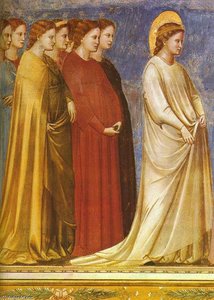
Step into the vibrant world of 14th-century Padua with Giotto di Bondone's captivating *Wedding Procession*, a pivotal fresco within the breathtaking Scrovegni Chapel (also known as the Arena Chapel). This isn’t merely a depiction of a joyous occasion; it’s a window into a transformative moment in art history, showcasing Giotto’s revolutionary approach to naturalism and storytelling.
Historical & Religious Significance
Commissioned between 1303 and 1305 by Enrico Scrovegni, the Chapel itself was an act of piety – a means of atonement for his family’s usurious practices. The entire fresco cycle within narrates the lives of Mary and Christ, offering a comprehensive visual sermon. *Wedding Procession* specifically forms part of the scenes detailing the life of the Virgin Mary, illustrating the preparations and pageantry surrounding her marriage to Joseph. It's a testament to both religious devotion and civic pride.
Artistic Innovation & Style
Giotto’s genius lies in his departure from the stylized Byzantine traditions that dominated earlier Italian painting. He infused his figures with *volume, weight, and emotional depth* – qualities previously unseen. Observe how he renders the elegantly dressed wedding guests; they aren't flat, iconic representations but individuals with distinct postures and expressions. The composition is carefully orchestrated, guiding the viewer’s eye along a processional path towards an implied ceremonial space.
- Naturalism: Giotto’s figures possess a newfound realism, their drapery falling in believable folds and their faces conveying genuine emotion.
- Spatial Awareness: While not employing fully developed linear perspective (which would come later in the Renaissance), Giotto creates a sense of depth through overlapping forms and subtle shading.
- Emotional Resonance: The scene isn’t simply about *what* is happening, but *how* it feels – the anticipation, joy, and solemnity of the occasion are palpable.
Decoding the Scene: Symbolism & Narrative
The procession itself symbolizes not only a personal union but also foreshadows the divine marriage between Christ and the Church. The richly attired figures represent the societal importance of this event, while their orderly arrangement suggests harmony and grace. Giotto’s attention to detail – from the fabrics of their garments to the architectural backdrop – enhances the scene's realism and draws the viewer into its world.
Technique & Materials
Executed in fresco, *Wedding Procession* involved applying pigment directly onto wet plaster. This demanding technique required speed and precision, as corrections were difficult once the plaster dried. Giotto’s mastery of this medium is evident in the vibrancy of the colors (though somewhat muted over time) and the enduring quality of the artwork. The pigments themselves were derived from natural sources – minerals, earth, and organic materials.
Giotto's contribution to art history transcends mere visual beauty; it represents a fundamental shift toward portraying human experience with unprecedented sensitivity. He achieved this remarkable feat by rejecting the rigid conventions of Byzantine art—characterized by flattened figures and stylized drapery—and embracing a style that prioritized anatomical accuracy and emotional expression.
Consider the meticulous rendering of each individual’s musculature, capturing subtle nuances of posture and gesture. Giotto skillfully utilized shading to create an illusion of three-dimensionality, subtly manipulating light and shadow to imbue his figures with life and vitality. This groundbreaking approach profoundly influenced subsequent artists, establishing a precedent for naturalistic representation that would define the Renaissance.
The Scrovegni Chapel stands as a testament to Giotto’s artistic vision—a space where faith and art converge in an unforgettable celebration of human connection and divine grace. Reproducing this masterpiece allows you to experience its timeless allure and appreciate the enduring legacy of one of Italy's greatest masters.
Obras relacionadas
![Scrovegni – [11] – Matrimonio De La Virgen — Giotto Di Bondone, Proto-renaissance](/media/artworks/images-thumb/09/93/0993bcf27eb6693be09506b28bfe6988.jpg)
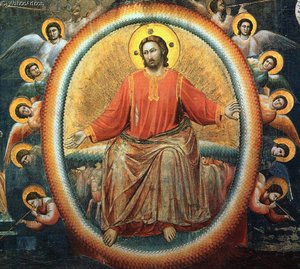
Biografía del artista
**una vida de innovación y revolución artística**
giotto di bondone, el renombrado pintor y arquitecto italiano, dejó una huella imborrable en el mundo del arte con sus contribuciones pioneras a los períodos proto-renacentista y gótico. Nacido en 1267 en Florencia, Italia, la vida de Giotto permanece algo envuelta en misterio, pero su legado artístico es innegable.**contribuciones e innovaciones artísticas**
La obra más celebrada de Giotto, la Capilla Scrovegni (o Capilla Arena) en Padua, terminada alrededor de 1305, es un testimonio de su espíritu innovador. Este ciclo de frescos, que representa la vida de la Virgen y la vida de Cristo, no solo demuestra su genio artístico sino que también muestra una capacidad narrativa que fue un cambio significativo con respecto al enfoque estilizado bizantino.- Revolucionando la pintura: La insistencia de Giotto en el naturalismo, la atención a las emociones humanas y la exploración de figuras espaciales y voluminosas en la pintura sentaron las bases para los desarrollos en el arte occidental que siguieron.
- Contribuciones arquitectónicas: Su encargo en 1334 por parte del gobierno comunal de Florencia para diseñar el nuevo campanile (campanario) de la catedral de Florencia afirma su doble talento como artista y arquitecto.
**obras notables y su significado**
- Anunciación: la Virgen recibiendo el mensaje (ver en ArtsDot.com): un ejemplo primordial del estilo proto-renacentista de Giotto, caracterizado por su uso del naturalismo y la atención al detalle.
- Nacimiento. Nacer de Jesús (ver en ArtsDot.com): demuestra la capacidad de Giotto para transmitir narrativas complejas a través de sus frescos, una característica del período proto-renacentista.
- Madona en Maest (Madonna de Ognissanti) (ver en ArtsDot.com): esta pieza altar, encargada por la iglesia de Ognissanti en Florencia, es un ejemplo significativo de la pintura al óleo de Giotto y su uso del temple.
**legado e influencia**
La influencia de Giotto en el arte occidental es profunda, sentando las bases para el movimiento artístico renacentista. Su énfasis en el naturalismo, las emociones humanas y la conciencia espacial en la pintura ha perdurado, asegurando su posición como una figura fundamental en la historia del arte europeo. explorar más obras e influencias de Giotto di bondone en ArtsDot.com.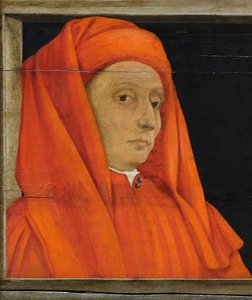
Giotto di Bondone
1267 - 1337 , Italia
Datos clave
- Artistas Influenciados:
- Masaccio
- Leonardo da Vinci
- Artistas Que Influyeron: ['Cimabue']
- Fecha De Muerte: 1337
- Fecha De Nacimiento: 1267
- Lugar De Nacimiento: Florencia, Italia
- Movimiento Artístico: Proto-Renacimiento
- Nacionalidad: Italiana
- Nombre Completo: Giotto di Bondone
- Obras Notables:
- Capilla Scrovegni
- Madonna de Ognissanti
- Frescos de Asís

