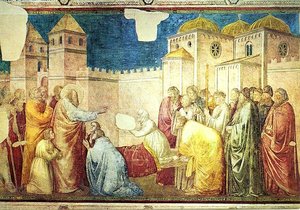
![Scrovegni – [25] – Elevar Del Sepulcro — Giotto Di Bondone](/media/artworks/images-full/38/1d/381dfd1e99ccc5f15aaf5093c99fe507.jpg)
 Vista previa
 Compartir
 Compartir
 Ver detalles

 Descargar
 Ver similares
 Radiografía
 Presentación de diapositivas
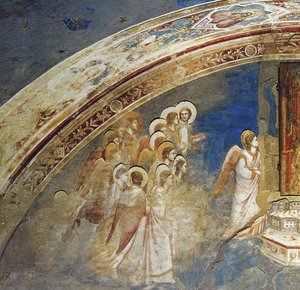
Scrovegni – [25] – Elevar del sepulcro


 Leer más
Giclée / Impresión de arte
Impresiones giclée o en lienzo de calidad de museo con producción rápida y opciones de acabado flexibles. ( Encargar reproducción pintada a mano Comprar descarga)




P118B $10

P118H $10

P118W $10

P438Z $10

P508JH $12

P508YH $12

P805H $10

P805Z $10

P919BZ $10

P919G $10

P919XJ $10

P959ZH $10

P968JZ $12

W106C $8

W218G $10

W218JH $8

W218Y $10

W307PJ $10

W316G $10

W316PJ $8

W316Y $10

W398PJ $8

W4111J $10

W500HY $15

W500JH $15

W692G $12

W849H $8

W940BG $15

W953PJ $8




Elija entre nuestros tamaños predefinidos que respetan las proporciones originales de la obra.

Puede introducir sus propias dimensiones para adaptarse a un marco o espacio específico. Si el tamaño seleccionado no coincide con las proporciones de la imagen original, recortaremos la obra de arte o extenderemos la imagen con un borde con efecto espejo o de color sólido. Se enviará una maqueta digital para su aprobación antes de que comience la producción.
Tenga en cuenta que la vista previa en pantalla no refleja el recorte o la extensión real. Solo la maqueta mostrará con precisión la composición final.
Aunque existen tamaños personalizados, recomendamos seleccionar una dimensión de la lista predefinida para preservar las proporciones originales.
Envío a todo el mundo () en 2 semanas en lugar de las 4/5 semanas estándar. (21 agosto)

Envío exprés gratuito a todo el mundo

Lienzo de lino de alta calidad

Seguro de envío completo

Garantía de reembolso de aranceles aduaneros

Garantía de fidelidad cromática exacta

Política de devolución de 60 días (solo por defectos)

Garantía de devolución del 100% del dinero

Oferta por volumen
 La opción de vidrio solo está disponible en tamaños inferiores a 110 cm.

Scrovegni – [25] – Elevar del sepulcro
Giclée / Impresión de arte
Tamaño de la reproducción
-


Precio total
$ 62
Descripción de la pieza
Giotto Di Bondone: The Maestro of Emotion
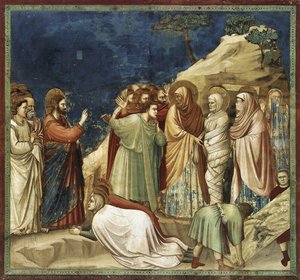
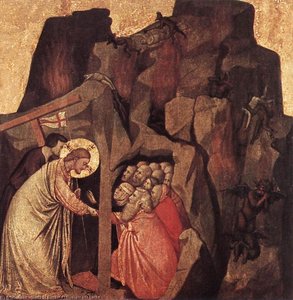
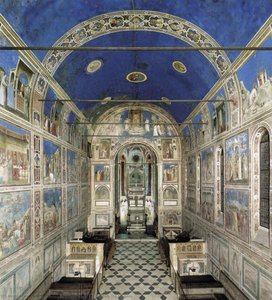
Giotto di Bondone (1267?-1337), born in Florence during the twilight years of the Gothic era, stands as an unparalleled figure in Western art history—a pivotal conduit between medieval tradition and the burgeoning Renaissance spirit. His legacy isn’t merely defined by his prolific output; it resides in his revolutionary approach to painting, one that prioritized human emotion and naturalistic representation above stylized grandeur. This dedication would irrevocably alter artistic conventions and propel Florence toward a new dawn of creative expression. ### Early Influences: Byzantium and Cimabue's Legacy Giotto’s formative years were steeped in Byzantine art—the luminous frescoes adorning churches throughout Constantinople serving as an indelible inspiration. However, he swiftly distanced himself from the rigid formalism of this style, recognizing its limitations in conveying human experience. Crucially, Giotto apprenticed under Cimabue, Florence's foremost painter at the time—a mentor who championed a more grounded aesthetic rooted in observation and anatomical accuracy. Cimabue’s influence instilled in Giotto a profound respect for nature and a commitment to portraying figures with palpable physicality—a departure from the ethereal depictions prevalent in Byzantine iconography. ### The Scrovegni Chapel Cycle: A Breakthrough in Fresco Technique The zenith of Giotto's artistic achievement is undoubtedly the Scrovegni Chapel cycle, commissioned by Enrico Scrovegni—a wealthy banker who sought to honor his deceased wife and establish a family mausoleum. Completed between 1305 and 1306, this monumental fresco series represents an astonishing advancement in fresco technique—a medium previously dominated by planar surfaces and muted colors. Giotto pioneered the use of linear perspective—creating illusionistic depth that captivated viewers and fundamentally transformed how space was depicted on canvas. Furthermore, he imbued his figures with unprecedented psychological realism—capturing subtle expressions of grief, joy, and contemplation—transforming them from mere symbols into embodiments of human emotion. ### Symbolism and Narrative Depth: Telling Stories Through Paint Beyond its technical brilliance, the Scrovegni Chapel cycle is distinguished by its profound narrative depth—a masterful retelling of biblical stories that engages viewers on multiple levels. Giotto meticulously crafted each scene to convey theological truths while simultaneously evoking visceral responses—drawing inspiration from classical literature and humanist thought. The artist’s deliberate use of color—particularly blues and reds—amplified the emotional impact of the narratives, reinforcing their symbolic significance. Consider the depiction of Lazarus' resurrection: the radiant light emanating from Christ illuminates the scene, symbolizing divine grace and illuminating the faces of those present—a testament to Giotto’s ability to transform pigment into palpable emotion. ### Lasting Impact: Shaping the Renaissance Vision Giotto’s innovations reverberated throughout Europe, establishing him as a cornerstone of the nascent Renaissance movement. Artists across Italy and beyond emulated his techniques—incorporating linear perspective and naturalistic representation into their own works—ushering in an era characterized by humanist ideals and artistic experimentation. Giotto's legacy extends far beyond the Scrovegni Chapel itself—it resides in his unwavering conviction that art should serve as a conduit for human understanding—a belief that continues to inspire artists and scholars today. His pioneering spirit cemented his place as one of the most influential painters in Western history, forever altering the trajectory of artistic expression. ### Photo Description: The painting is a religious scene featuring Jesus raising Lazarus from the dead. The main focus of the painting is on the man in white who appears to be Jesus, with his arms outstretched. He is surrounded by several other people, including some standing and others kneeling down. There are at least nine people visible in the scene, with one person located near the left side of the image, another person towards the center, and a group of three people on the right side. The remaining five people are scattered throughout the painting, with some closer to Jesus and others further away. The painting is set against a blue background, which adds depth and contrast to the scene. Overall, it’s an intricate and detailed religious painting that captures the essence of the story of Lazarus being raised from the dead. ### Size: Unknown ### Date: UnknownObras relacionadas
![Scrovegni - [12] - Procesión Nupcial — Giotto Di Bondone, Proto-renacimiento](/media/artworks/images-thumb/c6/73/c6736271740d6a4ae45df5c606277c3f.jpg)
Biografía del artista
**una vida de innovación y revolución artística**
giotto di bondone, el renombrado pintor y arquitecto italiano, dejó una huella imborrable en el mundo del arte con sus contribuciones pioneras a los períodos proto-renacentista y gótico. Nacido en 1267 en Florencia, Italia, la vida de Giotto permanece algo envuelta en misterio, pero su legado artístico es innegable.**contribuciones e innovaciones artísticas**
La obra más celebrada de Giotto, la Capilla Scrovegni (o Capilla Arena) en Padua, terminada alrededor de 1305, es un testimonio de su espíritu innovador. Este ciclo de frescos, que representa la vida de la Virgen y la vida de Cristo, no solo demuestra su genio artístico sino que también muestra una capacidad narrativa que fue un cambio significativo con respecto al enfoque estilizado bizantino.- Revolucionando la pintura: La insistencia de Giotto en el naturalismo, la atención a las emociones humanas y la exploración de figuras espaciales y voluminosas en la pintura sentaron las bases para los desarrollos en el arte occidental que siguieron.
- Contribuciones arquitectónicas: Su encargo en 1334 por parte del gobierno comunal de Florencia para diseñar el nuevo campanile (campanario) de la catedral de Florencia afirma su doble talento como artista y arquitecto.
**obras notables y su significado**
- Anunciación: la Virgen recibiendo el mensaje (ver en ArtsDot.com): un ejemplo primordial del estilo proto-renacentista de Giotto, caracterizado por su uso del naturalismo y la atención al detalle.
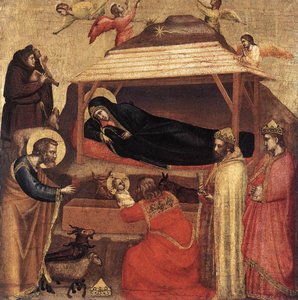
- Nacimiento. Nacer de Jesús (ver en ArtsDot.com): demuestra la capacidad de Giotto para transmitir narrativas complejas a través de sus frescos, una característica del período proto-renacentista.
- Madona en Maest (Madonna de Ognissanti) (ver en ArtsDot.com): esta pieza altar, encargada por la iglesia de Ognissanti en Florencia, es un ejemplo significativo de la pintura al óleo de Giotto y su uso del temple.
**legado e influencia**
La influencia de Giotto en el arte occidental es profunda, sentando las bases para el movimiento artístico renacentista. Su énfasis en el naturalismo, las emociones humanas y la conciencia espacial en la pintura ha perdurado, asegurando su posición como una figura fundamental en la historia del arte europeo. explorar más obras e influencias de Giotto di bondone en ArtsDot.com.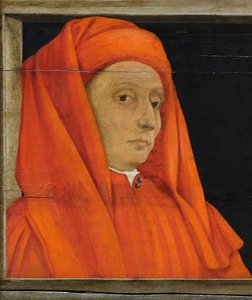
Giotto di Bondone
1267 - 1337 , Italia
Datos clave
- Artistas Influenciados:
- Masaccio
- Leonardo da Vinci
- Artistas Que Influyeron: ['Cimabue']
- Fecha De Muerte: 1337
- Fecha De Nacimiento: 1267
- Lugar De Nacimiento: Florencia, Italia
- Movimiento Artístico: Proto-Renacimiento
- Nacionalidad: Italiana
- Nombre Completo: Giotto di Bondone
- Obras Notables:
- Capilla Scrovegni
- Madonna de Ognissanti
- Frescos de Asís
Artículos relacionados

Giotto di Bondone: Las 25 Obras Maestras que Definieron el Renacimiento | ArtsDot
Descubre las 25 obras maestras de Giotto di Bondone, el pionero del Renacimiento. Explora la historia, técnica y simbolismo de sus frescos italianos más icónicos. Encuentra reproducciones de arte exclusivas para decorar tu hogar en ArtsDot.com.
Proto-Renacimiento: 10 Obras Maestras que Cambiaron la Historia del Arte | ArtsDot
Descubre las 10 obras maestras del Proto Renacimiento que revolucionaron el arte italiano. Explora la historia de Giotto, Duccio y Cimabue. Reproducciones de arte en ArtsDot.com para decorar tu hogar con belleza atemporal.
Giotto di Bondone: Revolutionizing Late Medieval Painting through Narrative Innovation
Explore the revolutionary art of Giotto di Bondone! Discover his groundbreaking techniques, iconic frescoes like those in the Arena Chapel, and lasting impact on Renaissance painting. A deep dive for art enthusiasts.

Legado en las Paredes: Frescos Familiares que Trascienden el Tiempo
Descubre el arte del fresco muralístico para inmortalizar tu historia familiar. Expertos en frescos personalizados y técnicas ancestrales. Crea un legado visual único con .

The Enduring Legacy of Fresco: Technique, History & Artistic Expression Across Cultures
Explore the rich history & enduring legacy of fresco painting! Discover ancient techniques, Giotto's masterpieces, and modern applications. Expert insights for art lovers & professionals.
![Scrovegni - [05] - Sueño de Joaquín](/media/artworks/images-thumb/8f/67/8f67bb5da87296bd452b3f0b237b528d.jpg)
![Scrovegni - [18] - Adoración de los Magos](/media/artworks/images-thumb/f2/e8/f2e81d570d180eb863057a1991a834d4.jpg)
![Scrovegni - [22] - Cristo entre los doctores](/media/artworks/images-thumb/b0/d6/b0d6b4a8f685d3a87d276cb650082a00.jpg)