

 Ver en contexto
 Enviar
 Compartir
 Detalles

 Descargar
 Similares
 Radiografía
 Presentación de diapositivas
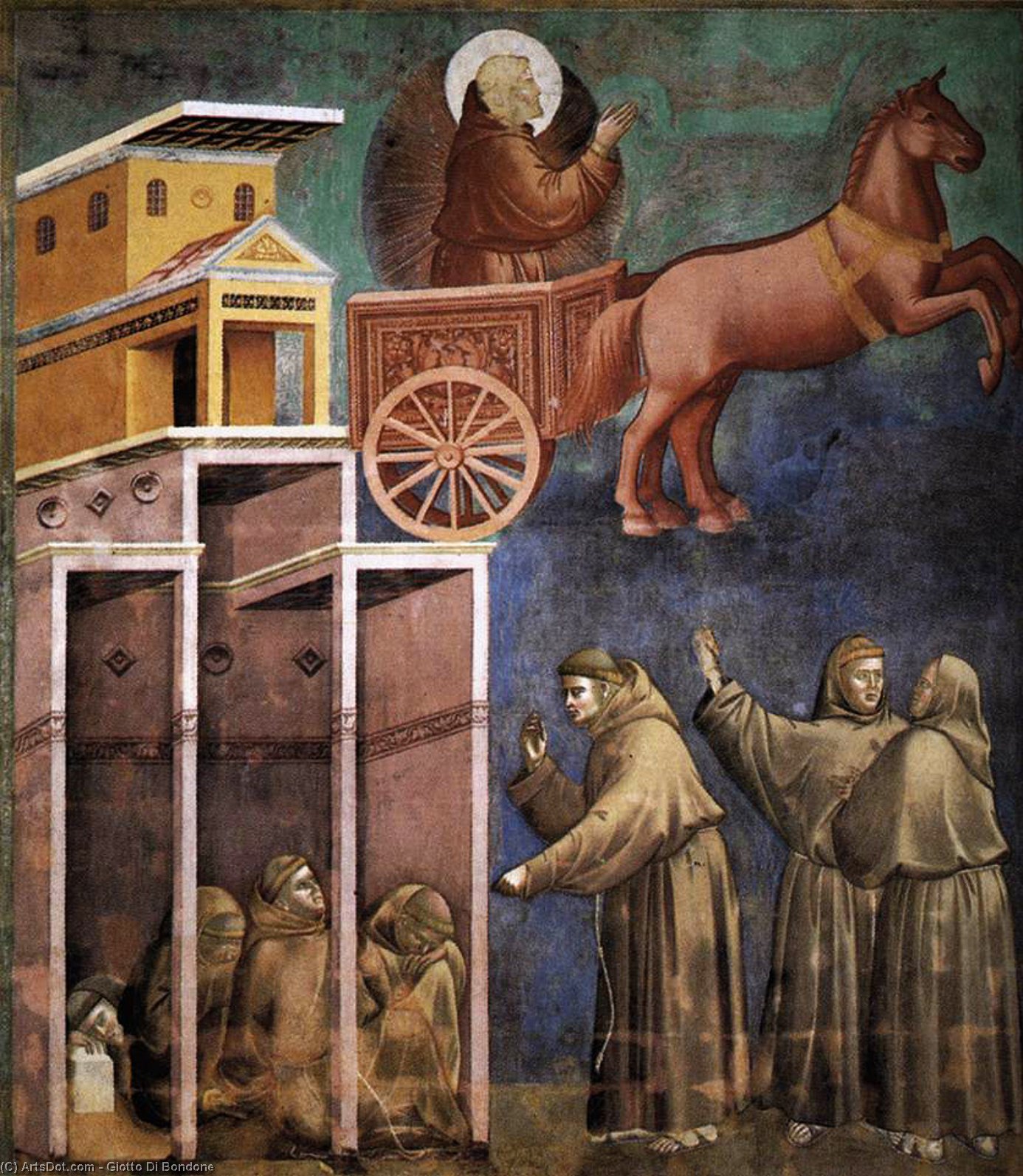
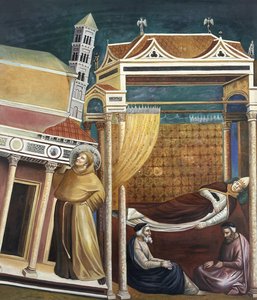
Vision of the Flaming Chariot
 Acrílico sobre lienzo
- Arte de pared
- Proto-Renaissance
 1299
1299- Renacimiento
 270.0 x 230.0 cm
 Ver más
Adquiera una imagen digital de alta resolución y optimizada, muy superior a la vista previa en línea.
Cada archivo es preparado meticulosamente por nuestros especialistas internos mediante el uso de herramientas avanzadas y un experto retoque manual. Nos aseguramos de que cada imagen posea una claridad excepcional, una precisión cromática impecable y un detalle minucioso.
El archivo final se entrega por correo electrónico en un plazo de 72 horas, optimizado para su uso inmediato en entornos profesionales, editoriales y de impresión. Esta es la misma calidad en la que confían los estudios de diseño, las editoriales y las galerías de primer nivel.
Imagen Digital
Descarga un archivo de alta resolución para exhibición personal, impresión y proyectos creativos. ( Comprar impresión Comprar pintura hecha a mano)
Incluido en cada pedido de imágenes digitales
Entrega digital experta, garantizada.
Al elegir ArtsDot.com, no solo está adquiriendo una imagen; está recibiendo una obra de arte digital mejorada profesionalmente, elaborada con precisión y respaldada por una garantía de satisfacción. Esto es todo lo que incluye su pedido, automáticamente:

Entrega rápida por email
Recibirá su archivo de imagen digital en alta resolución por correo electrónico en un plazo de 72 horas tras realizar su pedido, listo para su uso inmediato.

Archivo digital optimizado por IA
Su obra de arte se optimiza profesionalmente mediante herramientas avanzadas de IA y edición manual, garantizando el máximo detalle, claridad y precisión cromática.

Reenvío gratuito de por vida
¿Has borrado o perdido tu archivo por error? No te preocupes: te lo volveremos a enviar en cualquier momento, sin coste adicional.

Sin gastos de importación, siempre
Disfrute de su obra de arte al instante sin aduanas, aranceles ni gastos de envío; las descargas digitales siempre están libres de impuestos.

Garantía de fidelidad de color
Garantizamos que su imagen digital refleje los colores originales con la mayor fidelidad posible, mediante el uso de herramientas profesionales y gestión del color.

Garantía de satisfacción de 60 días
Si no está satisfecho con su imagen digital, la revisaremos o le reembolsaremos el 100% en un plazo de 60 días, sin preguntas.

100% Garantía de devolución de dinero
¿No está satisfecho? Obtenga un reembolso completo dentro de los 60 días posteriores a la recepción de su archivo digital, sin necesidad de explicaciones.

Descuentos por pedidos grandes
Compra 3 imágenes, ahorra 10% - Compra 5, ahorra 15% - Compra 10+, ahorra 20%. Ideal para proyectos creativos, galerías y agencias.
The Vision of the Flaming Chariot: A Dawn of Renaissance Emotion
Giotto di Bondone’s “Vision of the Flaming Chariot,” painted in 1299 as part of the breathtaking frescoes adorning the Cappella Scrovegni (Arena Chapel) in Padua, Italy, represents a monumental leap forward in Western art. More than just a religious depiction, it's a visceral encounter with faith, human emotion, and the nascent seeds of the Renaissance itself. Commissioned by Enrico Scrovegni as an act of penance for his family’s sins, this masterpiece offers a rare glimpse into the mind of an artist grappling with new ways to represent the world – a world imbued with feeling and depth.

The fresco, measuring 270 x 230 cm, is executed in the Proto-Renaissance style, utilizing the traditional technique of frescoes – pigments applied to wet plaster. This method creates a remarkable durability and luminosity, allowing Giotto’s vibrant colors and intricate details to endure for centuries. The scene centers around St. Francis of Assisi receiving a divine vision, brilliantly rendered through a dynamic composition that immediately draws the viewer into the narrative.
A Story Told Through Movement and Emotion
At the heart of the fresco is a compelling interaction. St. Francis, depicted in a rich brown robe, engages with one of three horses – a central figure, another positioned near the top, and a third at the bottom right corner. The precise nature of this exchange remains open to interpretation, but it’s widely believed that he receives a message from God through the animal, symbolizing divine guidance and connection. The other figures surrounding him—one on his left, two on his right—add layers of complexity to the scene, suggesting a gathering of witnesses to this extraordinary event.
Giotto’s genius lies not just in depicting the figures themselves but in conveying their emotional states. The faces are no longer stylized and detached; they possess an unprecedented sense of realism and feeling. The viewer feels St. Francis' awe, his reverence, and perhaps even a touch of vulnerability as he confronts the divine.
Symbolism and Context: A Chapel of Redemption
Beyond its immediate narrative, “Vision of the Flaming Chariot” is deeply rooted in its historical context. The Cappella Scrovegni itself was built during a period of profound spiritual reflection and artistic innovation. Enrico Scrovegni’s commission reflects a desire for redemption and underscores the chapel's role as a place of worship and contemplation. The building’s architecture, combined with Giotto’s frescoes, creates an atmosphere of solemnity and reverence.
The inclusion of the horses is particularly significant. Horses were often associated with divine power and messengers in medieval iconography. Their presence elevates the scene beyond a simple depiction of a religious vision; it transforms it into a powerful allegory of faith and spiritual revelation. The background building, possibly representing a church or other sacred structure, further reinforces this symbolic weight.
A Legacy of Innovation
“Vision of the Flaming Chariot” is widely considered one of Giotto’s most important works and a pivotal moment in art history. It marks a decisive break from the rigid conventions of Byzantine art, paving the way for the innovations that would characterize the High Renaissance. Giotto's emphasis on human emotion, realistic depiction, and dynamic composition profoundly influenced generations of artists to come. Today, this remarkable fresco continues to inspire awe and wonder, offering a tangible connection to one of the most brilliant minds of the medieval period.
Obras relacionadas
![Leyenda De San Francisco - [02] - San Francisco Dando Su Manto A Un Pobre — Giotto Di Bondone, Gothic](/media/artworks/images-thumb/1f/84/1f842a0319a02eaaa27d431c94a53fd1.jpg)
![Leyenda De San Francisco - [09] - Visión De Los Tronos — Giotto Di Bondone, Arte Gótico](/media/artworks/images-thumb/22/63/2263d17803affec5bf4662652047e257.jpg)
Biografía del artista
**una vida de innovación y revolución artística**
giotto di bondone, el renombrado pintor y arquitecto italiano, dejó una huella imborrable en el mundo del arte con sus contribuciones pioneras a los períodos proto-renacentista y gótico. Nacido en 1267 en Florencia, Italia, la vida de Giotto permanece algo envuelta en misterio, pero su legado artístico es innegable.**contribuciones e innovaciones artísticas**
La obra más celebrada de Giotto, la Capilla Scrovegni (o Capilla Arena) en Padua, terminada alrededor de 1305, es un testimonio de su espíritu innovador. Este ciclo de frescos, que representa la vida de la Virgen y la vida de Cristo, no solo demuestra su genio artístico sino que también muestra una capacidad narrativa que fue un cambio significativo con respecto al enfoque estilizado bizantino.- Revolucionando la pintura: La insistencia de Giotto en el naturalismo, la atención a las emociones humanas y la exploración de figuras espaciales y voluminosas en la pintura sentaron las bases para los desarrollos en el arte occidental que siguieron.
- Contribuciones arquitectónicas: Su encargo en 1334 por parte del gobierno comunal de Florencia para diseñar el nuevo campanile (campanario) de la catedral de Florencia afirma su doble talento como artista y arquitecto.
**obras notables y su significado**
- Anunciación: la Virgen recibiendo el mensaje (ver en ArtsDot.com): un ejemplo primordial del estilo proto-renacentista de Giotto, caracterizado por su uso del naturalismo y la atención al detalle.
- Nacimiento. Nacer de Jesús (ver en ArtsDot.com): demuestra la capacidad de Giotto para transmitir narrativas complejas a través de sus frescos, una característica del período proto-renacentista.
- Madona en Maest (Madonna de Ognissanti) (ver en ArtsDot.com): esta pieza altar, encargada por la iglesia de Ognissanti en Florencia, es un ejemplo significativo de la pintura al óleo de Giotto y su uso del temple.
**legado e influencia**
La influencia de Giotto en el arte occidental es profunda, sentando las bases para el movimiento artístico renacentista. Su énfasis en el naturalismo, las emociones humanas y la conciencia espacial en la pintura ha perdurado, asegurando su posición como una figura fundamental en la historia del arte europeo. explorar más obras e influencias de Giotto di bondone en ArtsDot.com.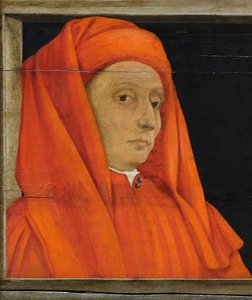
Giotto di Bondone
1267 - 1337 , Italia
Breves datos
- Artistas Influenciados:
- Masaccio
- Leonardo da Vinci
- Artistas Que Influyeron: ['Cimabue']
- Fecha De Muerte: 1337
- Fecha De Nacimiento: 1267
- Lugar De Nacimiento: Florencia, Italia
- Movimiento Artístico: Proto-Renacimiento
- Nacionalidad: Italiana
- Nombre Completo: Giotto di Bondone
- Obras Notables:
- Capilla Scrovegni
- Madonna de Ognissanti
- Frescos de Asís

