

 Ver en contexto
 Enviar
 Compartir
 Detalles

 Descargar
 Similares
 Radiografía
 Presentación de diapositivas
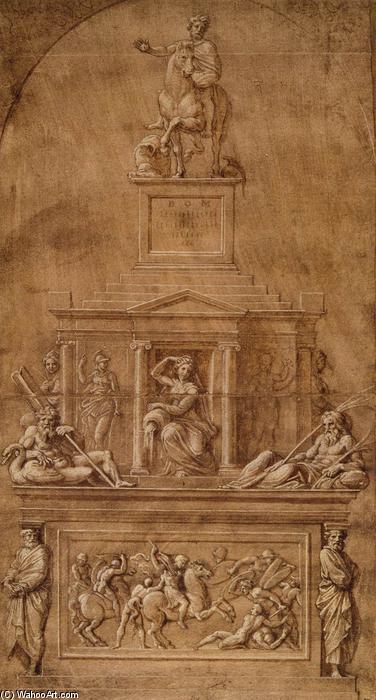
Design for the funerary monument of Francesco Gonzaga
 Oil On Canvas
- WallArt
- Mannerism
 1519
1519 507.0 x 272.0 cm
 Museo del Louvre
 Ver más
Giclée / Impresión de arte
Impresiones giclée o en lienzo de calidad de museo con producción rápida y opciones de acabado flexibles. ( Comprar pintura hecha a mano Comprar imagen)




P118B $10

P118H $10

P118W $10

P438Z $10

P508JH $12

P508YH $12

P805H $10

P805Z $10

P919BZ $10

P919G $10

P919XJ $10

P959ZH $10

P968JZ $12

W106C $8

W218G $10

W218JH $8

W218Y $10

W307PJ $10

W316G $10

W316PJ $8

W316Y $10

W398PJ $8

W4111J $10

W500HY $15

W500JH $15

W692G $12

W849H $8

W940BG $15

W953PJ $8




Elija entre nuestros tamaños predefinidos que respetan las proporciones originales de la obra.

Puede introducir sus propias dimensiones para adaptarse a un marco o espacio específico. Si el tamaño seleccionado no coincide con las proporciones de la imagen original, recortaremos la obra de arte o extenderemos la imagen con un borde con efecto espejo o de color sólido. Se enviará una maqueta digital para su aprobación antes de que comience la producción.
Tenga en cuenta que la vista previa en pantalla no refleja el recorte o la extensión real. Solo la maqueta mostrará con precisión la composición final.
Aunque existen tamaños personalizados, recomendamos seleccionar una dimensión de la lista predefinida para preservar las proporciones originales.
Envío a todo el mundo () en 2 semanas en lugar de las 4/5 semanas estándar. (27 agosto)

Envío exprés gratuito a todo el mundo

Lienzo de lino de alta calidad

Seguro de envío total

Garantía de reembolso de impuestos aduaneros

Garantía de fidelidad cromática exacta

Política de devolución de 60 días (solo por defectos)

Garantía de devolución del 100% del dinero

Descuento por cantidad
 La opción de vidrio solo está disponible en tamaños inferiores a 110 cm.

Design for the funerary monument of Francesco Gonzaga
Giclée / Impresión de arte
Dimensiones de la reproducción
-


Precio total final
$ 62
A Glimpse into Renaissance Grandeur: Design for the Funerary Monument of Francesco Gonzaga
Giovanni Francesco Penni’s “Design for the funerary monument of Francesco Gonzaga” offers more than just a visual representation; it's a poignant window into the heart of 16th-century Florentine art and the profound emotions surrounding death and remembrance. Created in 1519, this meticulously rendered drawing, now housed within the collection of ArtsDot.com, captures a pivotal moment in Penni’s career – his burgeoning partnership with Raphael and his exploration of Mannerist aesthetics. The image depicts a grand, imposing monument conceived for the Gonzaga family mausoleum, reflecting both the wealth and power of the Mantuan court and the deeply held beliefs about honoring the deceased.
The composition immediately draws the eye to a central figure: a seated man, likely representing Francesco Gonzaga himself, positioned atop a rearing horse. This potent symbol—the equestrian portrait—was a hallmark of Renaissance art, signifying power, nobility, and martial prowess. Surrounding him are figures engaged in various acts of reverence – attendants, mourners, and even an angel ascending towards the heavens. Penni masterfully employs dramatic diagonals to create a sense of movement and dynamism within the scene, preventing it from feeling static or overly formal. The careful arrangement of these elements speaks volumes about the importance placed on commemorating Gonzaga’s legacy.
Mannerist Innovation: Style and Technique
Penni's work firmly establishes him as a key figure in the development of Mannerism, an artistic style that emerged from the High Renaissance. Unlike the balanced compositions and idealized forms of his predecessors, Penni embraced stylized figures, exaggerated poses, and intense emotional expression. Notice how the horse’s musculature is rendered with meticulous detail, conveying both power and vulnerability. The drapery flows in complex folds, creating a sense of volume and movement that defies realistic proportions – a characteristic trait of Mannerism. The use of contrasting light and shadow further enhances the dramatic effect, highlighting key figures and adding depth to the scene.
Technically, Penni demonstrates remarkable skill in his rendering of textures and materials. The smooth surfaces of the armor, the flowing fabric, and the detailed features of the human forms are all achieved through a combination of precise lines and subtle shading. The drawing itself is executed with charcoal on paper, revealing Penni’s deliberate approach to line work – each stroke carefully considered to convey form and expression. It's a testament to his mastery that this relatively small drawing possesses such monumental impact.
Historical Context: Gonzaga Power and Artistic Patronage
To fully appreciate “Design for the funerary monument,” it’s crucial to understand the historical context in which it was created. Francesco I Gonzaga, the subject of this design, was a shrewd diplomat and military leader who transformed Mantua into one of the most powerful states in Italy during the 16th century. His family commissioned lavish works of art – including this monument – to solidify their prestige and commemorate their lineage. The patronage system thrived under the Gonzagas, providing artists like Penni with opportunities to develop their talents and create enduring masterpieces.
Furthermore, the design reflects broader Renaissance attitudes towards death and mourning. The inclusion of religious figures—the angel representing divine judgment—underscores the belief that earthly life is but a prelude to an eternal afterlife. The monument itself served as a powerful statement about the family’s piety and commitment to honoring their ancestors. Penni's work, therefore, isn't simply a design for a tomb; it's a visual embodiment of Gonzaga’s power, faith, and legacy.
Symbolism and Emotional Resonance
Beyond its formal elements, the “Design for the funerary monument” is rich in symbolism. The horse represents strength, nobility, and military prowess—qualities highly valued by Francesco I Gonzaga. The figures surrounding him symbolize the various roles within society – loyalty, grief, and divine guidance. The overall composition evokes a sense of solemn grandeur, reflecting the gravity of death and the importance of remembrance.
Looking at this drawing today, one can’t help but feel a profound connection to the past. Penni's masterful rendering captures not only the physical likeness of the figures but also their emotional state—a poignant blend of reverence, sorrow, and hope. It is a testament to the enduring power of art to transcend time and connect us to the beliefs and values of those who came before us.
Obras relacionadas




Biografía del artista
El Administrador del Legado de Rafael
En la era dorada y transformadora del Renacimiento italiano, pocas figuras encarnan la transición desde la armonía del Alto Renacimiento hacia la elegancia estilizada del Manierismo de manera tan íntima como Giovanni Francesco Penni. Conocido por la historia bajo el afectuoso apodo de “il Fattore” —el Administrador—, Penni fue mucho más que un mero gestor de asuntos artísticos; fue un conducto vital a través del cual la gracia divina de Rafael Sanzio fluyó hacia una nueva generación. Nacido en Florencia alrededor de 1488, los primeros años de Penni estuvieron impregnados de las meticulosas tradiciones del oficio textil de su familia. Este trasfondo, arraigado en el aprecio por los patrones intrincados y el esplendor decorativo, se manifestaría más tarde en su profunda capacidad para ejecutar obras de inmensa belleza ornamental y precisión técnica.
El destino de Penni quedó irrevocablemente entrelazado con el taller de Rafael, el epicentro de la vida artística romana. Como aprendiz y, eventualmente, principal asistente, no se limitó a observar al maestro; respiró la misma atmósfera creativa que produjo los frescos más célebres del Vaticano. Su papel en el estudio fue tan significativo que se le confió la gestión de los asuntos domésticos y profesionales del gran maestro, una responsabilidad que le valió su famoso sobrenombre. Esta proximidad permitió a Penni absorber la maestría de Rafael sobre la belleza idealizada, la composición equilibrada y los tonos de piel suaves y luminosos que definieron la época; sin embargo, Penni poseía un impulso innato para empujar estos límites hacia la estética más dramática, alargada y compleja del emergente movimiento manierista.
Maestría en el Vaticano y más allá
La verdadera magnitud del talento de Penni es más visible en sus contribuciones a los monumentales programas decorativos del Palacio del Vaticano. Dentro de las legendarias Stanze di Raffaello, Penni trabajó junto al maestro para dar vida a las narrativas bíblicas, demostrando una destreza técnica que le valió un lugar en el propio testamento de Rafael como heredero. Su mano puede apreciarse en la delicada ejecución de escenas históricas, donde navegó la difícil tarea de mantener la integridad estilística del maestro mientras inyectaba su propio sentido de la invención. Una de sus empresas más ambiciosas consistió en completar la inacabada Cartounella della Madonna di San Francesco, una hazaña que demostró su capacidad para manejar composiciones a gran escala con gracia y claridad estructural.
Más allá de los muros del Vaticano, el arte de Penni se caracterizó por una singular felicidad en el paisaje y una ejecución elegante capaz de cautivar incluso a los mecenas más exigentes. Sus obras a menudo presentaban:
- Narrativas religiosas dramáticas: Utilizando el juego de luces y sombras para intensificar el peso emocional de las escenas sagradas.
- Detalle ornamental: Una influencia persistente de sus raíces florentinas, visible en las ricas texturas de los tejidos y elementos arquitectónicos.
- Formas estilizadas: Una adopción temprana de las tendencias manieristas, donde las figuras comenzaron a adoptar poses más elegantes, alargadas y rítmicas.
Un viaje a través de Mantua y Nápoles
A medida que las mareas artísticas cambiaron tras la prematura muerte de Rafael en 1520, la carrera de Penni tomó un camino nómada y transformador. En 1526, se trasladó a Mantua, buscando patrocinio bajo Giulio Romano, el brillante sucesor del legado de Rafael. Si bien Mantua era entonces un laboratorio para los experimentos flamígeros y a menudo excéntricos del Manierismo —especialmente dentro de los muros del Palazzo Te—, la recepción de Penni estuvo marcada por las complejidades de navegar un paisaje político y artístico en constante cambio. La resistencia que enfrentó por parte de ciertas élites mantuanas sugiere a un hombre atrapado entre dos mundos: la estabilidad clásica de su formación y la energía inquieta y vanguardista de la nueva era.
El capítulo final de la vida de Penni lo llevó a Nápoles, una ciudad que serviría como su último refugio y escenario creativo hasta su muerte en 1528. Aunque gran parte de su obra en fresco se ha perdido con el tiempo, dejando tras de sí un legado precioso pero fragmentado, las pinturas al óleo y los estudios supervivientes revelan a un artista de inmensa versatilidad. Desde la tierna devoción que se encuentra en obras como la Madonna con el diadema azul hasta las complejas composiciones de la Sagrada Familia, Penni sigue siendo una figura crucial para comprender cómo la perfección del Alto Renacimiento evolucionó hacia el lenguaje expresivo y sofisticado del Manierismo. Se erige no solo como un asistente de un gigante, sino como un maestro por derecho propio, cuyo pincel ayudó a tender un puente entre el pasado clásico y el futuro dramático del arte italiano.
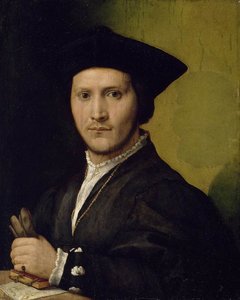
giovan francesco penni
1488 - 1528 , Italia
Datos clave
- Artistic Movement Or Style: Mannerist
- Artists Or Movements Influenced By This Artist: ['Renaissance']
- Artists Who Influenced This Artist: ['Raphael']
- Date Of Birth: ca. 1496
- Date Of Death: ca. 1528
- Full Name: Giovanni Francesco Penni
- Nationality: Italian
- Notable Artworks:
- The Holy Family of the Book
- Madonna with the Blue Diadem
- Place Of Birth: Florence, Italy
Artículos relacionados
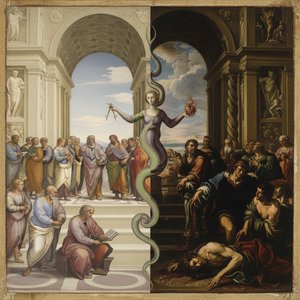
El Crepúsculo del Clasicismo Renacentista: Un Estudio del Estilo y la Afectación en el Manierismo
Descubre el Manierismo: un análisis profundo de este fascinante estilo artístico del Renacimiento tardío. Explora sus características, artistas clave y legado con ArtsDot.
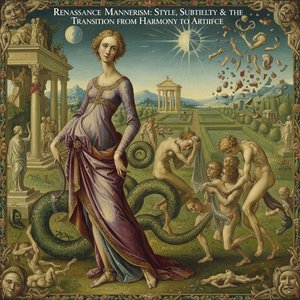
Renaissance Mannerism: Style, Subtlety & the Transition from Harmony to Artifice
Explore the captivating world of Renaissance Mannerism! Discover its key characteristics, pioneering artists like Pontormo & Bronzino, and its pivotal role in art history. Expert insights & museum-quality reproductions at ArtsDot.
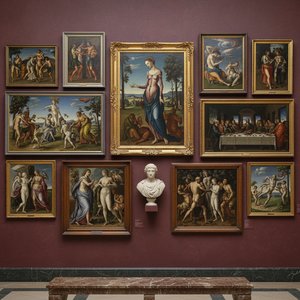
Mannerismo: 10 Obras Maestras que Definieron un Estilo Revolucionario | ArtsDot.com
Descubre las 10 obras maestras del Mannerismo: Pontormo, El Greco y más. Explora la elegancia renacentista, figuras alargadas y paletas vibrantes de este movimiento artístico único. Reproducciones de arte exclusivas en ArtsDot.com.
La Presencia Imponente: Integración Arquitectónica y Estrategias de Proporción para Reproducciones Artísticas Monumentales en Interiores de Lujo
Descubra cómo integrar reproducciones artísticas monumentales en su hogar de lujo. Asesoramiento experto, calidad garantizada y soluciones personalizadas para transformar sus espacios con arte impactante.
Cecco del Caravaggio: Rediscovering the Shadowy Genius of Francesco Buoneri
Explore the captivating world of Cecco del Caravaggio (Francesco Buoneri), a pivotal Baroque artist. Discover his dramatic realism, mysterious life, and lasting legacy with ArtsDot's expert analysis.

