 Ver en contexto
 Enviar
 Compartir
 Detalles

 Descargar
 Similares
 Radiografía
 Presentación de diapositivas
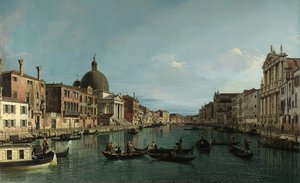
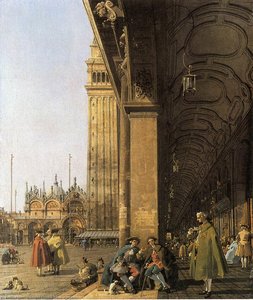
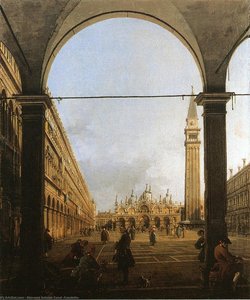
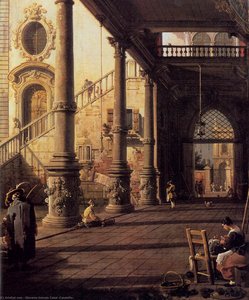
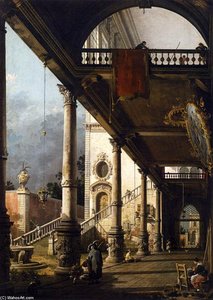
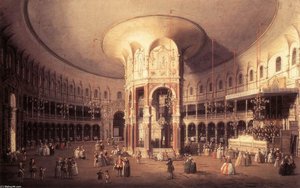
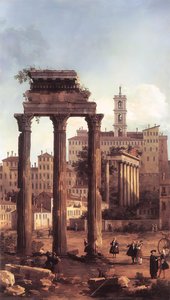
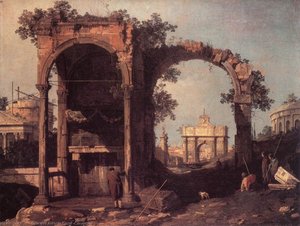
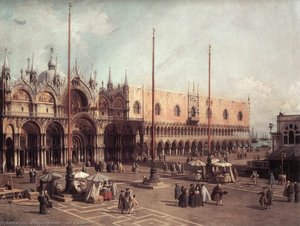
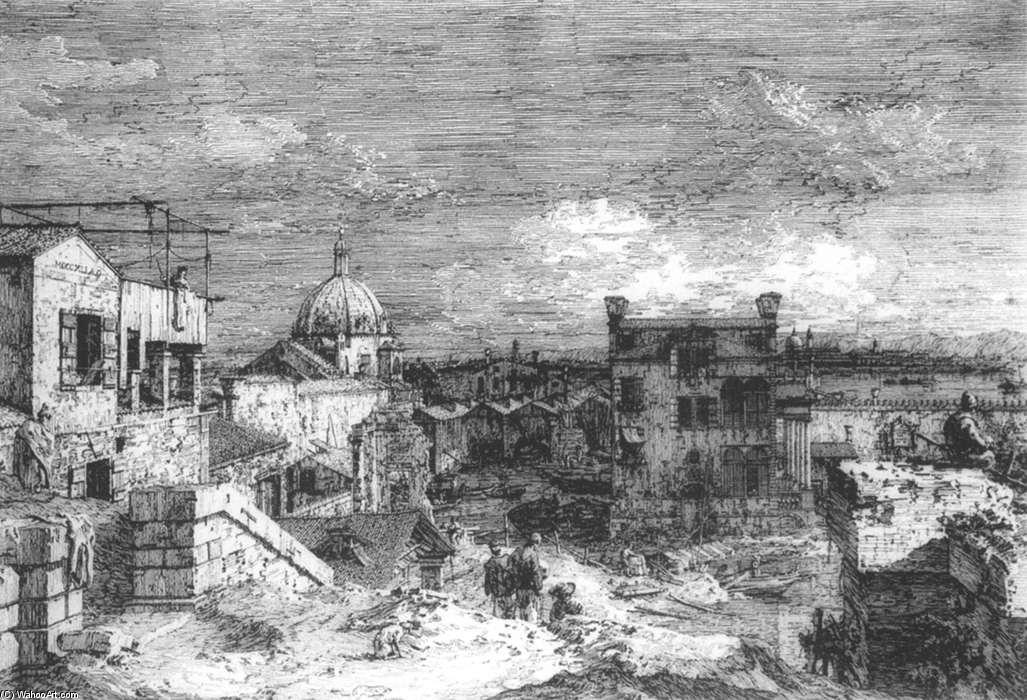
Imaginary View of Venice
 Acrylic On Canvas
- WallArt
- Venetian School
 1740
1740 295.0 x 425.0 cm
 Museo Británico
 Ver más
Reproducción al óleo hecha a mano
Óleo sobre lienzo pintado a mano en el tamaño y marco de su elección, realizado por encargo por nuestros artistas. ( Comprar impresión Comprar imagen)




P118B $10

P118H $10

P118W $10

P438Z $10

P508JH $12

P508YH $12

P805H $10

P805Z $10

P919BZ $10

P919G $10

P919XJ $10

P959ZH $10

P968JZ $12

W106C $8

W218G $10

W218JH $8

W218Y $10

W307PJ $10

W316G $10

W316PJ $8

W316Y $10

W398PJ $8

W4111J $10

W500HY $15

W500JH $15

W692G $12

W849H $8

W940BG $15

W953PJ $8




Elija entre nuestros tamaños predefinidos que respetan las proporciones originales de la obra.

Puede ingresar sus propias dimensiones para adaptarse a un marco o espacio específico. Si el tamaño seleccionado no coincide con las proporciones de la imagen original, recortaremos la obra o extenderemos la pintura con elementos adicionales pintados a mano. Se le enviará una maqueta digital para su aprobación antes de comenzar la producción.
Tenga en cuenta que la vista previa en pantalla no refleja el recorte o la extensión reales. Solo la maqueta mostrará con precisión la composición final.
Si bien existen tamaños personalizados, recomendamos seleccionar una dimensión de la lista predefinida para preservar las proporciones originales.
Tras realizar el pedido, el equipo de ArtsDot.com enviará un correo electrónico al cliente para solicitar instrucciones y proporcionarle una vista previa del boceto.
Envío a todo el mundo () en 3-4 semanas en lugar de las 5 semanas estándar. (25 agosto). Sin comprometer la calidad.

Envío exprés gratuito a todo el mundo

Lienzo de lino de alta calidad

Seguro de envío total

Garantía de reembolso de impuestos aduaneros

Garantía de fidelidad cromática exacta

Política de devolución de 60 días (solo por defectos)

Garantía de devolución del 100% del dinero

Descuento por cantidad
 La opción de vidrio solo está disponible en tamaños inferiores a 110 cm.

Imaginary View of Venice
Técnica de reproducción
Dimensiones de la reproducción
-


Precio total final
$ 363
Descripción de la obra
A Venetian Dream Frozen in Time: Imaginary View of Venice by Canaletto
Giovanni Antonio Canal, universally known as Canaletto, possessed an extraordinary gift – the ability to capture not just the appearance of a city, but its very essence. His “Imaginary View of Venice,” painted around 1740, is a testament to this skill, offering a glimpse into a world where reality and artistic fancy intertwine seamlessly. More than simply a topographical depiction, it’s a carefully constructed tableau that invites the viewer to lose themselves in the bustling heart of the Serenissima, a city perpetually poised between tradition and innovation.
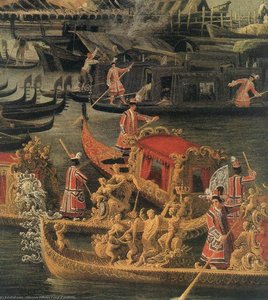
The painting immediately establishes a sense of vibrant urban life. Canaletto masterfully portrays the Grand Canal as a swirling artery of commerce and social interaction. A multitude of gondolas, laden with goods or ferrying passengers, navigate the waterway alongside elegant barges and smaller boats. The foreground is teeming with figures – merchants hawking their wares, citizens engaged in animated conversations, and children playing amidst the throng. This isn’t a static scene; it's a dynamic snapshot of Venetian daily life, brimming with energy and movement.
The Art of Illusion: Technique and Composition
Canaletto’s genius lies not only in his subject matter but also in his meticulous technique. Executed as an etching – a process he embraced later in his career – the artwork showcases his remarkable control over line and tone. The artist employed a complex system of hatching, cross-hatching, and fine lines to render the intricate details of the buildings lining the canal. Notice how the texture of the brickwork, the folds of the drapery, and the reflections on the water are all achieved through subtle variations in linework. The use of monochrome – shades of grey created by varying line density – lends a timeless quality to the image, reminiscent of classical engravings while simultaneously capturing the immediacy of a contemporary scene.
Compositionally, the painting is structured around a series of receding planes, creating an illusion of depth that draws the viewer into the heart of Venice. The buildings in the foreground are rendered with greater detail and sharpness, gradually softening as they recede into the distance. The prominent dome of St. Mark’s Basilica anchors the background, providing a focal point amidst the bustling activity below. Diagonal lines created by the architecture add dynamism to the scene, preventing it from feeling static or overly formal.
A Touch of Imagination: The “Capriccio” Style
What distinguishes this particular work is its inclusion of elements that are not strictly representational – a characteristic of Canaletto’s later style, often referred to as “capricci.” The presence of the imaginary Rialto Bridge, for instance, is a deliberate artistic choice. While undoubtedly inspired by the real bridge, it's an idealized version, imbued with a sense of grandeur and theatricality. This blending of reality and fantasy is a hallmark of Canaletto’s mature work, reflecting his growing confidence as an artist and his willingness to experiment with different approaches.
The inclusion of figures engaged in various activities – a man observing from a wall, boats laden with goods – further enhances the sense of life and movement within the scene. These figures aren't merely decorative; they contribute to the overall narrative, suggesting a thriving community deeply rooted in Venetian traditions. The painting subtly evokes a sense of history, tradition, and the vibrant spirit of the city.
A Window into Venice: Historical Context and Legacy
Created during Canaletto’s time in England (1746-1756), this “Imaginary View of Venice” reflects his profound admiration for the city. He had been commissioned to paint views of London, and his experience there undoubtedly influenced his approach to Venetian landscapes. The painting is a testament to Canaletto's enduring legacy as one of the greatest topographical artists of the 18th century. His meticulous attention to detail, combined with his masterful use of line and tone, continues to captivate viewers today, offering a timeless glimpse into the beauty and complexity of Venice.
Reproductions of this captivating artwork offer an exceptional opportunity to bring the spirit of Canaletto’s Venice into any interior space. The rich detail and evocative atmosphere will undoubtedly serve as a constant reminder of the city's enduring allure.
Obras relacionadas
Biografía del artista
Giovanni Antonio Canal
Giovanni Antonio Canal, commonly known as canaletto, was born in Venice on October 18, 1697, to Bernardo Canal, a painter of theatrical scene settings, and Artemisia Barbieri. He was the son of a noble family steeped in artistic tradition—Bernardo Canal had himself trained as an artist—and his early life foreshadowed his extraordinary future career. Canaletto’s formative years were marked by exposure to Venetian art and culture, shaping his aesthetic sensibilities from a young age.Early Life and Training
Canaletto began his artistic journey under the tutelage of his father, Bernardo Canal, who instilled in him the foundational principles of painting—observation, composition, and meticulous technique. Recognizing his son’s talent, Bernardo ensured he received a comprehensive education encompassing both artistic practice and humanist studies. Crucially, Canaletto's training extended beyond his father's guidance; he studied with Luca Carlevaris, a celebrated Venetian vedutista (landscape painter) who championed the use of precise perspective and detailed preparatory drawings—methods that would become hallmarks of Canaletto’s distinctive style. This mentorship solidified Canaletto’s understanding of how to capture the essence of urban spaces with remarkable accuracy and artistic merit.The Making of a Master
In 1718, Canaletto embarked on a transformative journey to Rome, where he immersed himself in the vibrant artistic milieu of the era. He worked alongside his father producing scenery for two operas by Alessandro Scarlatti—a formative experience that honed his skills in theatrical design and exposed him to the influential ideas circulating within Roman intellectual circles. This period fostered Canaletto’s burgeoning creativity and cemented his commitment to mastering the art of illusionistic painting, a technique central to Venetian Baroque aesthetics. Upon returning to Venice, Canaletto swiftly established himself as a prolific painter, specializing in vedute—detailed depictions of Venetian cityscape—that captured the grandeur and dynamism of the city during his time.Notable Works and Collaborations
Canaletto’s artistic output spanned decades, producing an impressive body of work that cemented his reputation as one of Venice's foremost artists. Among his most celebrated paintings are “The Stonemason’s Yard” (c. 1725), a masterful early depiction showcasing Canaletto’s burgeoning talent and demonstrating his ability to convey atmosphere and emotion with subtle brushstrokes; “Regatta on the Grand Canal” (c. 1730), which immortalizes a pivotal Venetian public ceremony—a testament to Canaletto's keen eye for capturing social life and architectural detail; and “Eton College” (1746-1756), where he skillfully rendered the collegiate campus in England, reflecting his growing influence as an artist abroad. Canaletto’s collaboration with his nephew Bernardo Bellotto—who became a respected painter in his own right—further enriched Venetian artistic culture, resulting in complementary views of Venice and other European cities.Artistic Style and Technique
Canaletto's distinctive style was characterized by unwavering attention to detail and the masterful application of technique. He famously employed a camera obscura—a darkened room equipped with a lens—to achieve unparalleled topographical accuracy, meticulously transferring observed scenes onto canvas with remarkable precision. However, Canaletto’s artistic vision extended beyond mere replication; he prioritized compositional design, ensuring his paintings were not merely accurate recordings but also aesthetically compelling experiences for the viewer. His brushwork was deliberate and controlled, favoring smooth gradations of color and subtle tonal variations—a technique that conveyed a palpable sense of atmosphere and luminosity. Canaletto's legacy resides in his ability to transform observation into art—to distill the essence of Venice onto canvas with breathtaking beauty and enduring significance.Legacy and Collections
Canaletto’s paintings are housed in prestigious museums worldwide, including The National Gallery in London, where “The Stonemason’s Yard” stands as a cornerstone of Venetian Baroque art; and the Museo Thyssen-Bornemisza in Madrid, which proudly displays “Regatta on the Grand Canal.” His influence extended far beyond his own lifetime, inspiring generations of artists who sought to emulate his meticulous style and evocative vision. Canaletto's contribution to European art history is undeniable—he remains a symbol of Venetian artistic excellence and a testament to the transformative power of observation and artistic skill.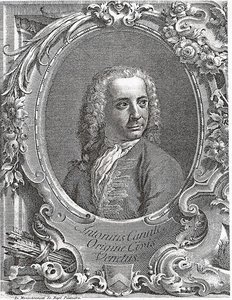
Giovanni Antonio Canal
1697 - 1768 , Italia
Datos clave
- Artistic Movement Or Style: Vedute Venice
- Artists Who Influenced This Artist:
- Luca Carlevaris
- Giovanni Paolo Pannini
- Date Of Birth: October 18, 1697
- Date Of Death: April 19, 1768
- Full Name: Giovanni Antonio Canal
- Nationality: Italian
- Notable Artworks:
- The Stonemason's Yard
- Regatta on the Grand Canal
- Eton College
- Place Of Birth: Venice, Italy
Artículos relacionados
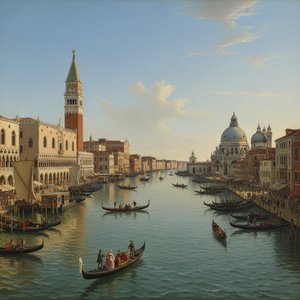
Giovanni Antonio Canal (Canaletto): A Venetian Master of Light, Space & Societal Observation
Explore the life & art of Giovanni Antonio Canal (Canaletto), a Venetian master renowned for his breathtaking cityscapes. Discover his techniques, legacy, and captivating depictions of 18th-century Venice & London.

Las 10 Grabados Legendarios que Revolucionaron el Arte | ArtsDot
Descubre los 10 grabados legendarios que transformaron la historia del arte. Explora las obras maestras de Rembrandt, Goya y Dürer. Encuentra reproducciones de alta calidad e inspírate para decorar tu hogar con arte clásico en ArtsDot.com.

El Aguafuerte: Un Recorrido Histórico por su Técnica, Cualidades Estéticas y Significado Duradero
Descubre la fascinante historia y técnica del aguafuerte. Explora su evolución artística, los maestros que lo dominaron y sus cualidades estéticas únicas. Guía experta para amantes del arte.

The Intricate World of Etching: A Historical Survey of Technique, Aesthetic Evolution, and Enduring Artistic Impact
Explore the rich history of etching, from its origins to modern practice. Discover techniques, key artists like Rembrandt, and insights for collectors. A comprehensive guide by ArtsDot.

Drama Barroca: Llevando la Grandeza y la Emoción a los Interiores Contemporáneos
Descubre cómo el drama y la grandeza del arte barroco pueden transformar tus interiores. Guía experta, inspiración y reproducciones de alta calidad en .