 Ver en contexto
 Enviar
 Compartir
 Detalles

 Descargar
 Similares
 Radiografía
 Presentación de diapositivas
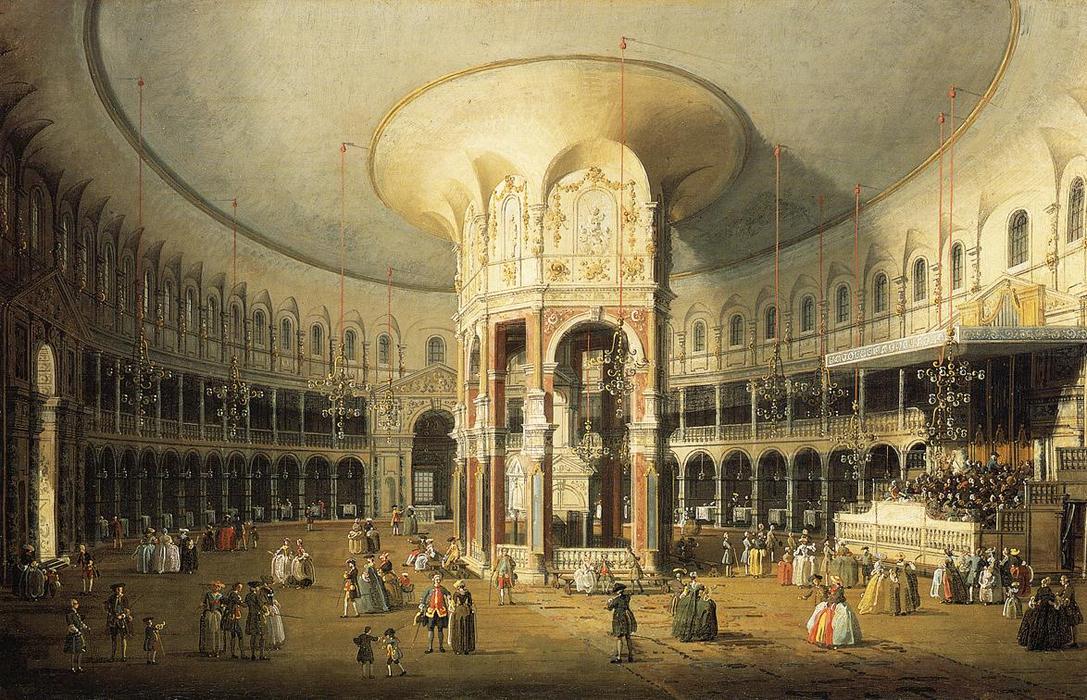
The Rotunda of Ranelagh House


 Ver más
Giclée / Impresión de arte
Impresiones giclée o en lienzo de calidad de museo con producción rápida y opciones de acabado flexibles. ( Comprar pintura hecha a mano Comprar imagen)




P118B $10

P118H $10

P118W $10

P438Z $10

P508JH $12

P508YH $12

P805H $10

P805Z $10

P919BZ $10

P919G $10

P919XJ $10

P959ZH $10

P968JZ $12

W106C $8

W218G $10

W218JH $8

W218Y $10

W307PJ $10

W316G $10

W316PJ $8

W316Y $10

W398PJ $8

W4111J $10

W500HY $15

W500JH $15

W692G $12

W849H $8

W940BG $15

W953PJ $8




Elija entre nuestros tamaños predefinidos que respetan las proporciones originales de la obra.

Puede introducir sus propias dimensiones para adaptarse a un marco o espacio específico. Si el tamaño seleccionado no coincide con las proporciones de la imagen original, recortaremos la obra de arte o extenderemos la imagen con un borde con efecto espejo o de color sólido. Se enviará una maqueta digital para su aprobación antes de que comience la producción.
Tenga en cuenta que la vista previa en pantalla no refleja el recorte o la extensión real. Solo la maqueta mostrará con precisión la composición final.
Aunque existen tamaños personalizados, recomendamos seleccionar una dimensión de la lista predefinida para preservar las proporciones originales.
Envío a todo el mundo () en 2 semanas en lugar de las 4/5 semanas estándar. (3 septiembre)

Envío exprés gratuito a todo el mundo

Lienzo de lino de alta calidad

Seguro de envío total

Garantía de reembolso de impuestos aduaneros

Garantía de fidelidad cromática exacta

Política de devolución de 60 días (solo por defectos)

Garantía de devolución del 100% del dinero

Descuento por cantidad
 La opción de vidrio solo está disponible en tamaños inferiores a 110 cm.

The Rotunda of Ranelagh House
Giclée / Impresión de arte
Dimensiones de la reproducción
-


Precio total final
$ 62
A Glimpse into a Lost Era: The Rotunda of Ranelagh
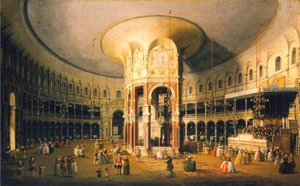
Giovanni Antonio Canaletto’s “The Rotunda of Ranelagh,” painted in 1754, isn't merely a depiction of an interior; it’s a meticulously crafted portal to a vanished world. This remarkable work transports us back to the vibrant heart of London society during the mid-18th century, capturing a moment of refined leisure and social grace within the opulent confines of Ranelagh Gardens. The scene unfolds within a grand hall, dominated by a soaring dome – the Rotunda itself – a testament to architectural ambition and the burgeoning spirit of classical design in England. Canaletto’s genius lies not just in his technical skill, but in his ability to imbue this space with an atmosphere of lively conversation, subtle elegance, and a palpable sense of occasion.
Image: The Interior of the Rotunda, Ranelagh, London by Canaletto (1697–1768), 1754, from Compton Verney
The Architect and the Vision – A Venetian Master in England
Born Giovanni Antonio Canal in Venice in 1697, Canaletto rose to prominence as a topographical painter, renowned for his detailed and remarkably accurate depictions of European cities. His early training under his father, a theatrical scene painter, instilled a foundational understanding of perspective and composition. However, it was his time in Rome, working on sets for operas, that truly ignited his passion for capturing the essence of urban life – a skill he would later refine through his meticulous observation and innovative use of the camera obscura. Canaletto’s journey to England marked a pivotal moment in his career, offering him a new canvas—a burgeoning metropolis brimming with opportunity and a distinctly English sensibility. His collaboration with his nephew, Bellotto, further enriched his artistic practice, allowing for a shared vision and a consistent style that defined his legacy.
The painting’s creation coincided with a period of significant social change in England. The rise of the merchant class fueled an unprecedented era of wealth and leisure, leading to the construction of lavish pleasure gardens like Ranelagh – spaces designed for entertainment, socializing, and escaping the confines of urban life. Canaletto's work perfectly encapsulates this spirit, offering a rare glimpse into the refined tastes and social rituals of London’s elite.
A Symphony of Light and Detail – The Technique
Canaletto’s mastery is immediately evident in the painting’s remarkable detail and atmospheric quality. He employed a technique known as “camera lucida,” utilizing a portable device—likely a camera obscura—to project an image onto his canvas, allowing him to accurately render perspective and create a sense of depth. The light streaming through the arched windows illuminates the room with a soft glow, casting intricate shadows that accentuate the textures of the fabrics, furniture, and architectural elements. Note the subtle variations in tone – the darker recesses of the hall contrasted against the brighter areas—a testament to Canaletto’s keen eye for color and his ability to capture the nuances of light and shadow. The figures are rendered with a delicate touch, conveying their postures and expressions without resorting to overt detail. The overall effect is one of remarkable realism, yet imbued with an undeniable sense of elegance and grace.
Symbolism and Social Commentary – A Window into Society
Beyond its technical brilliance, “The Rotunda of Ranelagh” offers a fascinating window into 18th-century English society. The presence of elegantly dressed individuals—men in powdered wigs and women adorned with jewels—indicates the wealth and status of those who frequented this exclusive venue. The dog, positioned prominently on the left, adds a touch of domesticity to the scene, suggesting that even within the realm of aristocratic leisure, family life remained an important consideration. The Rotunda itself, with its soaring dome and intricate decorations, symbolizes the ambition and sophistication of the era. It’s a space designed for celebration, entertainment, and the display of wealth—a microcosm of London society at its most vibrant.
Obras relacionadas
Biografía del artista
Giovanni Antonio Canal
Giovanni Antonio Canal, commonly known as canaletto, was born in Venice on October 18, 1697, to Bernardo Canal, a painter of theatrical scene settings, and Artemisia Barbieri. He was the son of a noble family steeped in artistic tradition—Bernardo Canal had himself trained as an artist—and his early life foreshadowed his extraordinary future career. Canaletto’s formative years were marked by exposure to Venetian art and culture, shaping his aesthetic sensibilities from a young age.Early Life and Training
Canaletto began his artistic journey under the tutelage of his father, Bernardo Canal, who instilled in him the foundational principles of painting—observation, composition, and meticulous technique. Recognizing his son’s talent, Bernardo ensured he received a comprehensive education encompassing both artistic practice and humanist studies. Crucially, Canaletto's training extended beyond his father's guidance; he studied with Luca Carlevaris, a celebrated Venetian vedutista (landscape painter) who championed the use of precise perspective and detailed preparatory drawings—methods that would become hallmarks of Canaletto’s distinctive style. This mentorship solidified Canaletto’s understanding of how to capture the essence of urban spaces with remarkable accuracy and artistic merit.The Making of a Master
In 1718, Canaletto embarked on a transformative journey to Rome, where he immersed himself in the vibrant artistic milieu of the era. He worked alongside his father producing scenery for two operas by Alessandro Scarlatti—a formative experience that honed his skills in theatrical design and exposed him to the influential ideas circulating within Roman intellectual circles. This period fostered Canaletto’s burgeoning creativity and cemented his commitment to mastering the art of illusionistic painting, a technique central to Venetian Baroque aesthetics. Upon returning to Venice, Canaletto swiftly established himself as a prolific painter, specializing in vedute—detailed depictions of Venetian cityscape—that captured the grandeur and dynamism of the city during his time.Notable Works and Collaborations
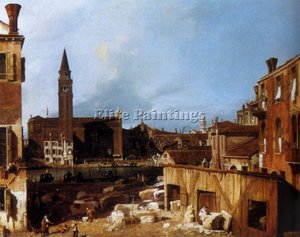
Canaletto’s artistic output spanned decades, producing an impressive body of work that cemented his reputation as one of Venice's foremost artists. Among his most celebrated paintings are “The Stonemason’s Yard” (c. 1725), a masterful early depiction showcasing Canaletto’s burgeoning talent and demonstrating his ability to convey atmosphere and emotion with subtle brushstrokes; “Regatta on the Grand Canal” (c. 1730), which immortalizes a pivotal Venetian public ceremony—a testament to Canaletto's keen eye for capturing social life and architectural detail; and “Eton College” (1746-1756), where he skillfully rendered the collegiate campus in England, reflecting his growing influence as an artist abroad. Canaletto’s collaboration with his nephew Bernardo Bellotto—who became a respected painter in his own right—further enriched Venetian artistic culture, resulting in complementary views of Venice and other European cities.Artistic Style and Technique
Canaletto's distinctive style was characterized by unwavering attention to detail and the masterful application of technique. He famously employed a camera obscura—a darkened room equipped with a lens—to achieve unparalleled topographical accuracy, meticulously transferring observed scenes onto canvas with remarkable precision. However, Canaletto’s artistic vision extended beyond mere replication; he prioritized compositional design, ensuring his paintings were not merely accurate recordings but also aesthetically compelling experiences for the viewer. His brushwork was deliberate and controlled, favoring smooth gradations of color and subtle tonal variations—a technique that conveyed a palpable sense of atmosphere and luminosity. Canaletto's legacy resides in his ability to transform observation into art—to distill the essence of Venice onto canvas with breathtaking beauty and enduring significance.Legacy and Collections
Canaletto’s paintings are housed in prestigious museums worldwide, including The National Gallery in London, where “The Stonemason’s Yard” stands as a cornerstone of Venetian Baroque art; and the Museo Thyssen-Bornemisza in Madrid, which proudly displays “Regatta on the Grand Canal.” His influence extended far beyond his own lifetime, inspiring generations of artists who sought to emulate his meticulous style and evocative vision. Canaletto's contribution to European art history is undeniable—he remains a symbol of Venetian artistic excellence and a testament to the transformative power of observation and artistic skill.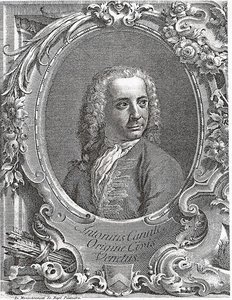
Giovanni Antonio Canal
1697 - 1768 , Italia
Datos clave
- Artistic Movement Or Style: Vedute Venice
- Artists Who Influenced This Artist:
- Luca Carlevaris
- Giovanni Paolo Pannini
- Date Of Birth: October 18, 1697
- Date Of Death: April 19, 1768
- Full Name: Giovanni Antonio Canal
- Nationality: Italian
- Notable Artworks:
- The Stonemason's Yard
- Regatta on the Grand Canal
- Eton College
- Place Of Birth: Venice, Italy
Artículos relacionados
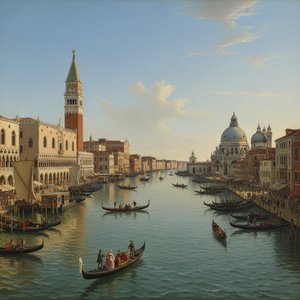
Giovanni Antonio Canal (Canaletto): A Venetian Master of Light, Space & Societal Observation
Explore the life & art of Giovanni Antonio Canal (Canaletto), a Venetian master renowned for his breathtaking cityscapes. Discover his techniques, legacy, and captivating depictions of 18th-century Venice & London.
25 Obras Maestras de la National Gallery, Londres: Arte, Historia y Decoración Exclusiva
Descubre 25 obras maestras de la National Gallery, Londres. Explora la historia y el significado de Van Gogh, Monet, Leonardo da Vinci y más. Encuentra reproducciones de arte exclusivas para decorar tu hogar con estilo en ArtsDot.com.
Equilibrio y Audacia: La Integración del Arte Contemporáneo en Interiores Clásicos para una Modernidad Atemporal
Descubre cómo integrar el arte contemporáneo en interiores clásicos con elegancia y sofisticación. Expertos en diseño te guían para crear espacios atemporales llenos de personalidad. ¡Inspírate!
Armonizando Historia y Tono: Una Guía para Combinar Estilos Artísticos con la Arquitectura Interior para una Decoración Equilibrada
Guía experta para combinar estilos artísticos con tu arquitectura interior. Crea espacios equilibrados y elegantes con nuestros consejos y reproducciones de alta calidad. ¡Transforma tu hogar!
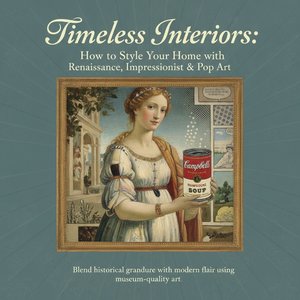
Más Allá de las Tendencias Efímeras: Cultivando Estéticas Interiores Duraderas a Través del Renacimiento, la Luz Impresionista y el Vibrante Pop Art
Descubre cómo crear un hogar con carácter atemporal combinando Renacimiento, Impresionismo y Pop Art. Reproducciones de alta calidad y asesoramiento experto en ArtsDot.com.