

 Ver en contexto
 Enviar
 Compartir
 Detalles

 Descargar
 Similares
 Radiografía
 Presentación de diapositivas
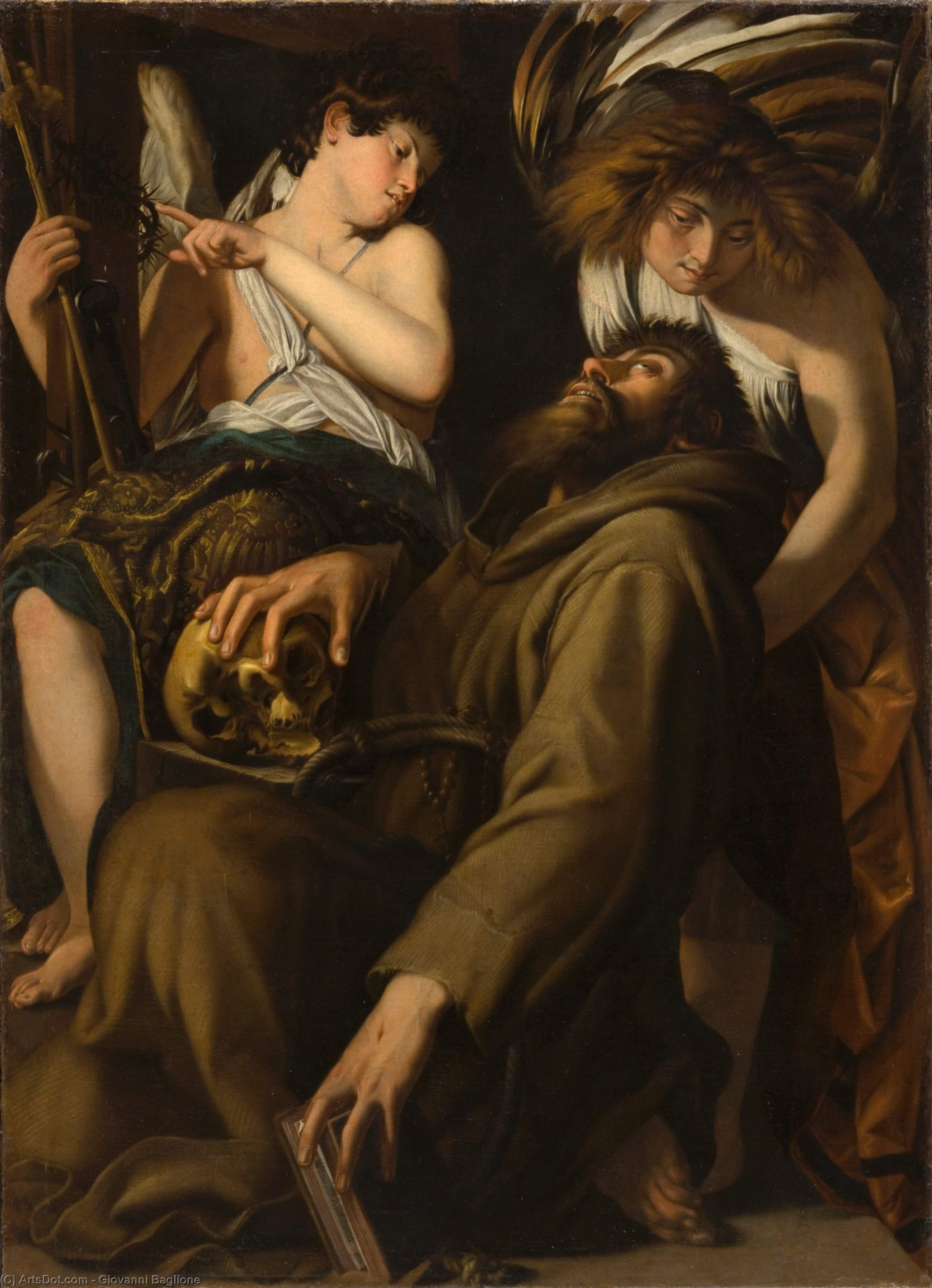
The Ecstasy of St Francis
 Oil On Canvas
- WallArt
- Baroque Style
 1601
1601- Early Modern
 155.0 x 117.0 cm
 Instituto de Arte de Chicago
 Ver más
Reproducción al óleo hecha a mano
Óleo sobre lienzo pintado a mano en el tamaño y marco de su elección, realizado por encargo por nuestros artistas. ( Comprar impresión Comprar imagen)




P118B $10

P118H $10

P118W $10

P438Z $10

P508JH $12

P508YH $12

P805H $10

P805Z $10

P919BZ $10

P919G $10

P919XJ $10

P959ZH $10

P968JZ $12

W106C $8

W218G $10

W218JH $8

W218Y $10

W307PJ $10

W316G $10

W316PJ $8

W316Y $10

W398PJ $8

W4111J $10

W500HY $15

W500JH $15

W692G $12

W849H $8

W940BG $15

W953PJ $8




Elija entre nuestros tamaños predefinidos que respetan las proporciones originales de la obra.

Puede ingresar sus propias dimensiones para adaptarse a un marco o espacio específico. Si el tamaño seleccionado no coincide con las proporciones de la imagen original, recortaremos la obra o extenderemos la pintura con elementos adicionales pintados a mano. Se le enviará una maqueta digital para su aprobación antes de comenzar la producción.
Tenga en cuenta que la vista previa en pantalla no refleja el recorte o la extensión reales. Solo la maqueta mostrará con precisión la composición final.
Si bien existen tamaños personalizados, recomendamos seleccionar una dimensión de la lista predefinida para preservar las proporciones originales.
Tras realizar el pedido, el equipo de ArtsDot.com enviará un correo electrónico al cliente para solicitar instrucciones y proporcionarle una vista previa del boceto.
Envío a todo el mundo () en 3-4 semanas en lugar de las 5 semanas estándar. (26 agosto). Sin comprometer la calidad.

Envío exprés gratuito a todo el mundo

Lienzo de lino de alta calidad

Seguro de envío total

Garantía de reembolso de impuestos aduaneros

Garantía de fidelidad cromática exacta

Política de devolución de 60 días (solo por defectos)

Garantía de devolución del 100% del dinero

Descuento por cantidad
 La opción de vidrio solo está disponible en tamaños inferiores a 110 cm.

The Ecstasy of St Francis
Técnica de reproducción
Dimensiones de la reproducción
-


Precio total final
$ 263
Descripción de la obra
A Divine Encounter in Shadow and Light
In the quiet, profound depths of Giovanni Baglione’s 1601 masterpiece, The Ecstasy of St Francis, viewers are invited into a moment of transcendent spiritual surrender. This monumental canvas serves as a breathtaking bridge between two eras, capturing the precise moment when the structured elegance of Late Mannerism began to dissolve into the raw, visceral emotion of the Baroque. The scene depicts Saint Francis in a state of holy swoon, his earthly form yielding to a celestial visitation. As he lies upon the ground, his gaze and posture suggest a soul caught in the delicate tension between the physical world and the divine realm. This is not merely a depiction of a saint; it is an invitation to witness the profound intimacy of a spiritual revelation.
The composition is masterfully orchestrated to guide the eye through a journey of ascending devotion. Bagliente employs a pyramidal structure, a classic technique that provides stability while simultaneously directing the viewer’s gaze upward toward the heavens. Flanking the saint are ethereal angels, their presence acting as celestial sentinels that reinforce the theme of divine grace. One angel hovers to the left, perhaps presenting the instruments of Christ's passion, while another supports the saint’s spiritual ascent. This careful arrangement creates a sense of movement and rhythm, ensuring that the viewer’s attention remains anchored within the emotional heart of the painting.
The Mastery of Tenebrism and Symbolism
What truly distinguishes this work is Baglione’s sophisticated use of light and shadow. Drawing inspiration from the revolutionary Caravaggio, Baglione utilizes tenebrism—a dramatic style characterized by intense contrasts between deep, enveloping darkness and sudden, brilliant illumination. However, where Caravaggio often employed a harsh, stark chiaroscuro, Baglione introduces a more nuanced, painterly light. This subtle glow sculpts the saint’s figure, pulling him out of the shadows to emphasize his isolation from worldly distractions and his singular focus on the divine. The darkness does not merely represent absence; it becomes a heavy, atmospheric presence that underscores the weight of the saint's contemplative solitude.
Beyond the visual spectacle, the painting is rich with symbolic resonance that speaks to the fleeting nature of existence. Tucked within the composition, the inclusion of a skull serves as a poignant memento mori—a traditional emblem of vanity and mortality. This element provides a necessary counterpoint to the celestial joy of the angels, reminding the observer that true spiritual ecstasy is found only through the detachment from earthly desires and the recognition of life's transience. For the discerning collector or interior designer, this layer of intellectual depth transforms the artwork from a beautiful object into a profound meditation on the human condition.
An Enduring Legacy for the Modern Collector
Historically, The Ecstasy of St Francis represents a significant moment of artistic rivalry and evolution in Rome. Painted for Cardinal Benedetto Giustiniani, the work was a deliberate response to the burgeoning influence of Caravaggio, showcasing Baglione’s ability to absorb contemporary innovations while maintaining his own unique, lyrical voice. This tension between tradition and revolution is what gives the painting its enduring vitality.
For those seeking to infuse a space with character and historical gravity, a high-quality reproduction of this work offers more than just decoration; it provides a focal point of intense drama and spiritual inquiry. Whether placed in a curated gallery setting or as a commanding piece in a sophisticated study, the painting’s interplay of light, shadow, and sacred emotion continues to captivate the modern imagination, making it an incomparable choice for anyone looking to celebrate the transformative power of Baroque art.
Obras relacionadas

Biografía del artista
Giovanni Baglione: Vida y Carrera
- Nacido: Roma, Italia (1566)
- Fallecido: 1643
- Nacionalidad: Italiano
- Movimiento: Manierismo Tardío, Barroco Temprano
Desarrollo Artístico e Influencias
- Manierismo Temprano: Inicialmente influenciado por Giuseppe Cesari (el "Cavaliere d'Arpino"), el estilo temprano de Baglione reflejó la estética manierista tardía prevaleciente en Roma.
- Fase Caravaggista: Un período significativo de su desarrollo artístico implicó una fuerte influencia de Caravaggio, evidente en su adopción de iluminación dramática y representaciones realistas. Esta fase se caracterizó por disputas legales con Caravaggio derivadas de versos satíricos.
- Influencia Bolognesa: En la década de 1610, el estilo de Baglione incorporó elementos influenciados por artistas boloñeses, lo que demuestra su disposición a adaptarse a las tendencias artísticas cambiantes.
- Estilo Barroco Maduro: Su estilo posterior evolucionó hacia un enfoque más generalizado y típico del Barroco Temprano, aunque conservando aspectos de su formación anterior en disegno (dibujo).
Obras Principales y Logros
- Frescos en Santa Maria dell'Orto (1598): Una serie de frescos que representan escenas de la vida de la Virgen establecieron la reputación de Baglione como un artista prometedor.
- Fresco para San Giovanni in Laterano (c. 1600): Este trabajo mostró su estilo en evolución y creciente reconocimiento dentro del mundo artístico romano.
- Comisión para la Basílica de San Pedro (1604): Una comisión significativa que destaca su posición entre los artistas prominentes de la época.
- Frescos en la Cappella Paolina en Santa Maria Maggiore (1610-1612): Demostrando aún más su capacidad para asegurar proyectos prestigiosos.
- Le nove chiese di Roma (1639): Una guía artística de las nueve principales iglesias de peregrinación de Roma, que proporciona información sobre el arte y la arquitectura contemporáneos.
- Le vite de’ pittori, scultori ed architetti (1642): Su contribución más significativa como historiador del arte: una colección de biografías que cubren a más de doscientos artistas activos en Roma entre 1572 y 1642.
Significado Histórico
- Primer Historiador del Barroco Romano: Baglione a menudo se reconoce como el primer historiador del Barroco romano, debido a su detallada documentación de artistas y sus obras.
- Fuente Importante para la Historia del Arte del Siglo XVII: *Le vite* proporciona información invaluable sobre el panorama artístico del siglo XVII en Roma, sirviendo como un recurso crucial para los historiadores del arte.
- Documentación de Prácticas Artísticas: Sus escritos arrojan luz sobre el estatus social, las redes de patrocinio y las prácticas profesionales de los artistas de su época.
- Relación Compleja con Caravaggio: Las disputas legales y la rivalidad artística entre Baglione y Caravaggio ofrecen una fascinante visión del carácter competitivo del mundo artístico romano.
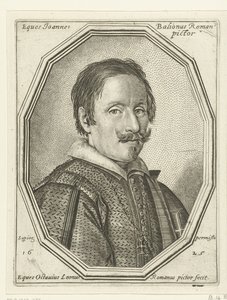
Giovanni Baglione
1566 - 1643 , Italia
Datos clave
- Artistas Influenciados: ['Giovanni Pietro Bellori']
- Artistas Que Influyeron:
- Francesco Morelli
- Caravaggio
- Fecha De Fallecimiento: 1643
- Fecha De Nacimiento: 1566
- Lugar De Nacimiento: Roma, Italia
- Movimiento Artístico:
- Manierismo tardío
- Barroco temprano
- Nacionalidad: Italiana
- Nombre Completo: Giovanni Baglione
- Obras Notables:
- Frescos en Santa Maria dell'Orto
- Fresco para San Giovanni in Laterano
- Le vite de' pittori, scultori ed architetti
Artículos relacionados
Francis Bacon: Las 25 Obras Maestras del Expresionismo y su Impacto en el Arte Moderno
Explora las 25 obras maestras de Francis Bacon, el expresionismo visceral y la angustia humana. Descubre retratos icónicos, trípticos impactantes y su legado en el arte moderno. Reproducciones de museo en ArtsDot.com.

Barroco Sublime: 10 Obras Maestras que Definieron una Época |
Descubre las 10 obras maestras del Barroco que marcaron una época. Caravaggio, Bernini y Velázquez cobran vida en . Reproducciones de arte de calidad museo para decorar tu hogar con elegancia. ¡Explora la colección online!
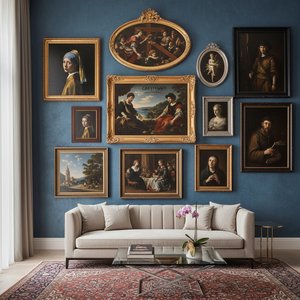
Barroco en su Esplendor: 10 Obras Maestras que Definieron una Época | ArtsDot
Descubre las 10 obras maestras del Barroco que revolucionaron el arte. Caravaggio, Rembrandt y Velázquez te esperan en ArtsDot. Reproducciones de alta calidad para decorar tu hogar con la grandeza de este estilo. ¡Explora la colección online!

The Dramatic Flourish: Exploring the Baroque Movement's Enduring Legacy in Art History
Explore the dramatic world of Baroque art! Discover iconic artists like Caravaggio & Rubens, defining techniques, and its lasting impact on art history. Expert insights for collectors & enthusiasts at ArtsDot.
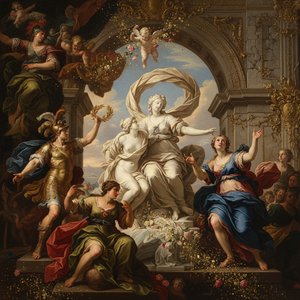
Theatricality & Triumph: Baroque Drama in Painting & Sculpture
Explore the dramatic world of Baroque art! Discover its history, defining characteristics, & lasting influence on painting & sculpture. Expert insights into Caravaggio, Zurbarán, and Bernini – plus high-quality reproductions at ArtsDot.

