 Ver en contexto
 Enviar
 Compartir
 Detalles

 Descargar
 Similares
 Radiografía
 Presentación de diapositivas
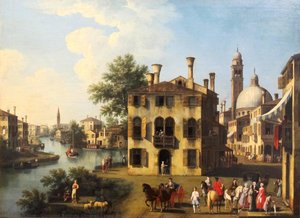
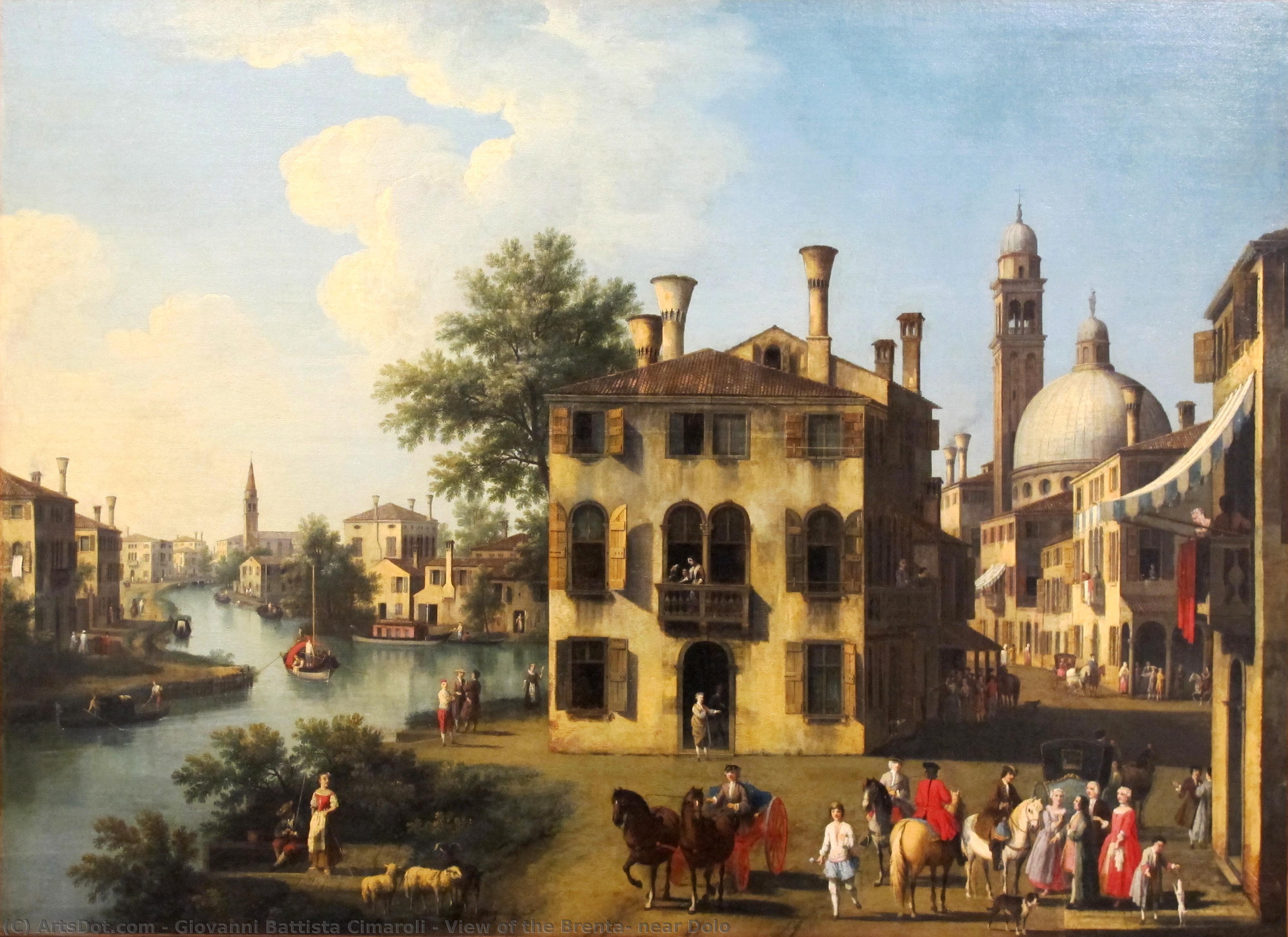
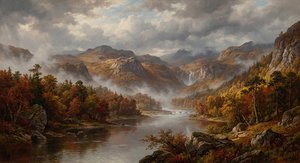
Vista del Brenta cerca de Dolo
 Acrílico sobre lienzo
- Arte de pared
- Baroque Landscape
 701
701 82.0cm x 113.0cm
 Museo Metropolitano de Arte
 Ver más
Giclée / Impresión de arte
Impresiones giclée o en lienzo de calidad de museo con producción rápida y opciones de acabado flexibles. ( Comprar pintura hecha a mano Comprar imagen)




P118B $10

P118H $10

P118W $10

P438Z $10

P508JH $12

P508YH $12

P805H $10

P805Z $10

P919BZ $10

P919G $10

P919XJ $10

P959ZH $10

P968JZ $12

W106C $8

W218G $10

W218JH $8

W218Y $10

W307PJ $10

W316G $10

W316PJ $8

W316Y $10

W398PJ $8

W4111J $10

W500HY $15

W500JH $15

W692G $12

W849H $8

W940BG $15

W953PJ $8




Elija entre nuestros tamaños predefinidos que respetan las proporciones originales de la obra.

Puede introducir sus propias dimensiones para adaptarse a un marco o espacio específico. Si el tamaño seleccionado no coincide con las proporciones de la imagen original, recortaremos la obra de arte o extenderemos la imagen con un borde con efecto espejo o de color sólido. Se enviará una maqueta digital para su aprobación antes de que comience la producción.
Tenga en cuenta que la vista previa en pantalla no refleja el recorte o la extensión real. Solo la maqueta mostrará con precisión la composición final.
Aunque existen tamaños personalizados, recomendamos seleccionar una dimensión de la lista predefinida para preservar las proporciones originales.
Envío a todo el mundo () en 2 semanas en lugar de las 4/5 semanas estándar. (26 agosto)

Envío exprés gratuito a todo el mundo

Lienzo de lino de alta calidad

Seguro de envío total

Garantía de reembolso de impuestos aduaneros

Garantía de fidelidad cromática exacta

Política de devolución de 60 días (solo por defectos)

Garantía de devolución del 100% del dinero

Descuento por cantidad
 La opción de vidrio solo está disponible en tamaños inferiores a 110 cm.

Vista del Brenta cerca de Dolo
Giclée / Impresión de arte
Dimensiones de la reproducción
-


Precio total final
$ 62
Descripción de la pieza
Una Vista Tranquila del Brenta Cercana a Dolo: El Legado Silencioso de Giovanni Battista Cimaroli
Giovanni Battista Cimaroli (1687 – 1771) permanece una figura sorprendentemente olvidada en los anales del arte barroco italiano, pese a producir una obra prolífica de paisajes que cautivaron a patricios y contemporáneos por igual. Nacido en Salò, Lago Garda, emergió de un entorno impregnado de tradición artística –su padre era escultor– y benefició de instrucción formativa bajo Antonio Aureggio y posteriormente afinó sus habilidades en Bolonia con Antonio Calza, estableciéndose como artista veneciano alrededor de 1713. Su estilo distintivo –caracterizado por composiciones serenas impregnadas de sutiles efectos atmosféricos– lo situó firmemente dentro de las corrientes artísticas más amplias de su tiempo, particularmente influenciado por Francesco Zuccarelli y Canaletto, artistas que abrazaron el ideal arcádico de belleza pastoral. Esta influencia se manifiesta en la atmósfera suave y luminosa que impregna esta obra maestra, evocando los jardines ideales de la época barroca y ofreciendo una visión privilegiada del paisaje veneciano como reflejo de armonía y equilibrio.El Paisaje Como Reflejo de Orden y Serenidad
La pintura captura magistralmente el espíritu de la época barroca vienesa, donde el arte buscaba transmitir belleza idealizada y estabilidad emocional. Cimaroli, siguiendo las tradiciones del estilo veneciano clásico, empleó una técnica meticulosa que combinaba colores ricos y armoniosos con una aplicación cuidadosa del óleo sobre lienzo. Esta habilidad técnica permite una representación realista pero también estilizada de la naturaleza, resaltando los detalles esenciales del paisaje sin caer en excesos ornamentales. La composición equilibrada, con líneas horizontales dominantes y una disposición ordenada de elementos naturales como árboles y ríos, refuerza esta sensación de calma y serenidad que caracteriza a toda la obra.Una Escena Cotidiana Veneciana Capturada Para Siempre
El cuadro ofrece un fascinante vistazo a la vida cotidiana en el Veneto del siglo XVIII, mostrando una escena rural cerca de Dolo, un pueblo situado a pocos kilómetros de Venecia. Los personajes representan figuras humanas comunes que realizan actividades diarias como caminar por el río Brenta y observar el paisaje circundante. Esta representación realista pero también idealizada invita al espectador a imaginar la vida cotidiana en esa época histórica, ofreciendo una ventana al pasado que sigue siendo relevante hoy en día. La inclusión de elementos arquitectónicos como casas campesinas añade profundidad narrativa a la imagen, creando un escenario complejo pero armonioso donde el hombre y la naturaleza coexisten en equilibrio.El Legado Estético De Un Maestro Poco Conocido
Aunque Cimaroli no ostente fama internacional como otros artistas contemporáneos, su obra posee una belleza singular que continúa cautivando a expertos y amantes del arte. Esta pintura ejemplifica el compromiso con la representación fiel de la naturaleza que marcó el estilo barroco veneciano, ofreciendo una experiencia estética enriquecedora para cualquier observador interesado en comprender las raíces culturales de este período histórico. La habilidad artística de Cimaroli reside en su capacidad para transmitir emociones y sentimientos a través del lenguaje visual, creando una obra que permanece viva en el tiempo gracias a su belleza atemporal y su profundo conocimiento del paisaje veneciano.Una Obra Que Transmite Una Sensación De Paz Y Armonía
En definitiva, "View of the Brenta, near Dolo" es más que una simple representación de un lugar físico; es una expresión artística que captura la esencia misma de una época y transmite una sensación de paz y armonía que sigue resonando en el espíritu del espectador. Esta pintura permanece como testimonio del talento artístico italiano del siglo XVIII y como inspiración para aquellos que buscan belleza y equilibrio en sus espacios interiores.Obras relacionadas

Biografía del artista
The Serene Vision of Giovanni Battista Cimaroli
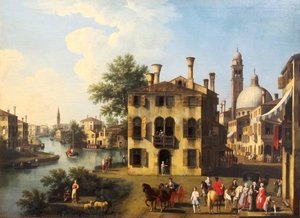
In the golden age of the Venetian Republic, amidst the shimmering canals and the sprawling pastoral beauty of the Veneto, lived an artist whose brush captured the very soul of the Italian landscape. Giovanni Battista Cimaroli (1687–1771) was not merely a painter of scenery, but a chronicler of tranquility. Born in Salò, on the scenic shores of Lake Garda, Cimaroli emerged from a lineage of artistic discipline; his father was a sculptor, a fact that likely instilled in him a profound respect for form and structure. His early training under Antonio Aureggio provided a rigorous foundation in disegno, while his subsequent journey to Bologna to study with Antonio Calza refined his ability to manipulate light and perspective. By the time he established himself in Venice around 1713, Cimaroli had developed a voice that was uniquely his own—a blend of meticulous observation and an idealized, Arcadian grace.
Cimaroli’s work serves as a window into an era defined by the pursuit of pastoral perfection. His compositions often feature the rustic charm of the Venetian countryside, populated by graceful figures, wandering cattle, and the weathered ruins of antiquity. He was deeply influenced by the masters of his time, most notably Francesco Zuccarelli and Canaletto. From Zuccarelli, he inherited a penchant for the Arcadian ideal—the creation of landscapes that felt both natural and poetically composed. From Canaletto, he drew an appreciation for topographical accuracy and the subtle atmospheric effects that define the Venetian sky. This synthesis allowed him to create scenes that were simultaneously grounded in reality and elevated by a sense of timelessness.
Mastery of Light and the Brenta Series
The technical brilliance of Cimaroli lies in his ability to evoke atmosphere through texture and tone. He was a master of thick impasto, using a heavy layering of paint to breathe life into the foliage of trees and the rugged surfaces of stone ruins. This tactile approach creates a palpable sense of physicality, making the lush greenery and flowing waters of his landscapes feel almost touchable. His ability to modulate light allowed him to capture the fleeting moments of a Venetian afternoon—the way sunlight filters through a canopy or reflects off the surface of a quiet canal.
One of his most significant artistic achievements was his involvement in the Brenta Landscape Series (c. 1723-1726). Created at the invitation of Canaletto, this ambitious project offered panoramic views of the Brenta River near Dolo. These works represent a pinnacle of Venetian topographical painting, showcasing Cimaroli’s ability to document the dynamism of the region—from horses hauling carts to boats navigating the river—while maintaining a sense of profound peace. Through these vistas, he captured a world of everyday life that, while vibrant, remained anchored in a serene, almost dreamlike state.
A Legacy of Venetian Tranquility
Though history has sometimes overlooked Cimaroli in favor of his more famous contemporaries, his significance within the Italian Baroque and Rococo traditions remains undeniable. His reputation for meticulous rendering earned him the patronage of influential figures such as Marshal Schulenberg and Count Tessin. Perhaps most telling of his skill was his collaboration with Canaletto on the ambitious tomb series for Owen McSwiney, a project intended to honor British statesmen through the lens of Italian mastery.
Today, Cimaroli’s oeuvre stands as a testament to the enduring allure of the Veneto landscape. His paintings are more than mere depictions of farms, villas, and ruins; they are emotional landscapes that invite the viewer to step into a world of harmony and balance. As we look upon his sweeping riverbanks and quiet pastoral scenes, we find a lasting legacy of beauty that continues to resonate with the human desire for peace and the eternal charm of the natural world.
giovanni battista cimaroli
1687 - 1771
Datos clave
- Artistic Movement Or Style: Rustic Venetian Landscape
- Artists Or Movements Influenced By This Artist: ['Francesco Zuccarelli']
- Artists Who Influenced This Artist:
- Antonio Aureggio
- Antonio Canaletto
- Date Of Birth: 1687
- Date Of Death: 1771
- Full Name: Giovanni Battista Cimaroli
- Nationality: Italian
- Notable Artworks:
- View of the Brenta, near Dolo
- A landscape at the outskirts of a town with a peasant driving his cattle along a river bank
- A landscape with elegant figures on horseback, before a riverside town
- Place Of Birth: Salò, Lombardy
Artículos relacionados

John Constable: Las 25 Obras Maestras del Paisaje Inglés | ArtsDot
Descubre las 25 obras maestras de John Constable, el pintor romántico inglés que capturó la belleza del paisaje. Explora su técnica, historia y significado en ArtsDot.com. Reproducciones de arte de alta calidad para tu hogar.
Los 10 Maestros del Río Hudson: Obras que Definieron un Movimiento Artístico
Descubre los 10 lienzos más emblemáticos de la Escuela del Río Hudson. Explora las obras maestras de Thomas Cole, Church y Bierstadt que capturan la belleza del paisaje americano. Encuentra reproducciones de arte exclusivas en ArtsDot.com.

Paisajes Románticos: 10 Obras Maestras que Definieron un Movimiento Artístico
Descubre los 10 paisajes románticos más influyentes de artistas como Caspar David Friedrich y Turner. Explora la belleza, el simbolismo y las técnicas del movimiento romántico. Reproducciones de arte exclusivas en ArtsDot.com.

Evocations of Place: A Historical Journey Through Landscape Art
Explore the rich history of landscape art with ArtsDot. Discover renowned artists, movements like Impressionism & Romanticism, and expert guidance for collecting timeless pieces. Find your perfect serene escape today!

Evocations of Place: A Historical Journey Through Landscape Art
Explore the rich history of landscape art with ArtsDot. Discover renowned artists, movements like Impressionism & tonalism, and expert guidance for collecting timeless pieces. Find your perfect serene escape today!