 Ver en contexto
 Enviar
 Compartir
 Detalles

 Descargar
 Similares
 Radiografía
 Presentación de diapositivas
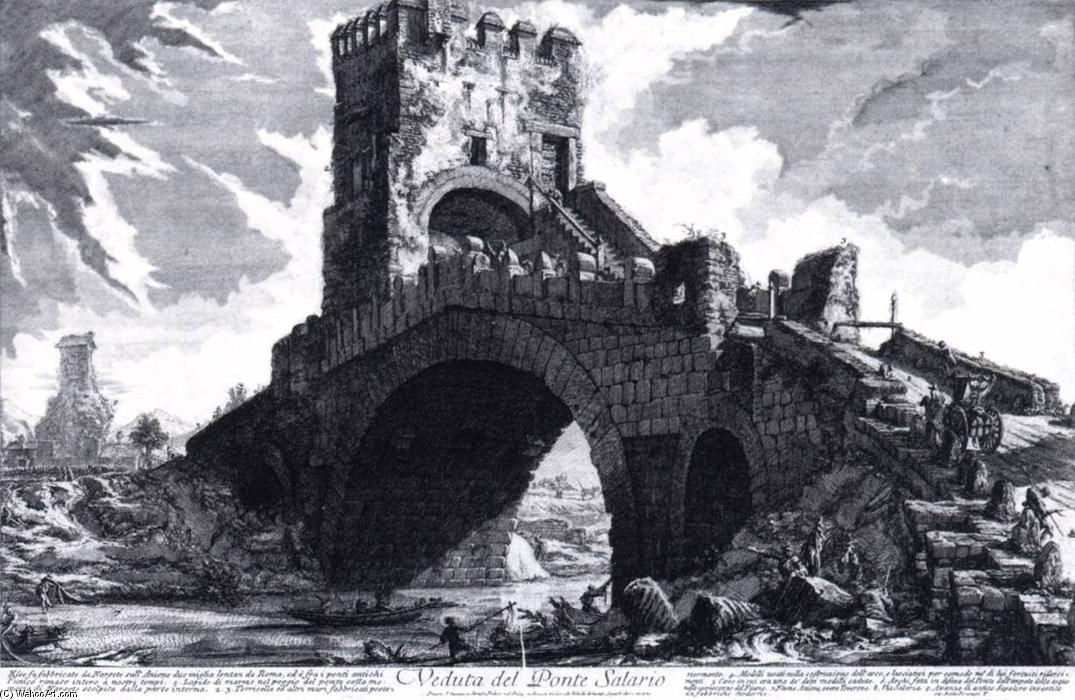
The Ponte Solario


 Ver más
Reproducción al óleo hecha a mano
Óleo sobre lienzo pintado a mano en el tamaño y marco de su elección, realizado por encargo por nuestros artistas. ( Comprar impresión Comprar imagen)




P118B $10

P118H $10

P118W $10

P438Z $10

P508JH $12

P508YH $12

P805H $10

P805Z $10

P919BZ $10

P919G $10

P919XJ $10

P959ZH $10

P968JZ $12

W106C $8

W218G $10

W218JH $8

W218Y $10

W307PJ $10

W316G $10

W316PJ $8

W316Y $10

W398PJ $8

W4111J $10

W500HY $15

W500JH $15

W692G $12

W849H $8

W940BG $15

W953PJ $8




Elija entre nuestros tamaños predefinidos que respetan las proporciones originales de la obra.

Puede ingresar sus propias dimensiones para adaptarse a un marco o espacio específico. Si el tamaño seleccionado no coincide con las proporciones de la imagen original, recortaremos la obra o extenderemos la pintura con elementos adicionales pintados a mano. Se le enviará una maqueta digital para su aprobación antes de comenzar la producción.
Tenga en cuenta que la vista previa en pantalla no refleja el recorte o la extensión reales. Solo la maqueta mostrará con precisión la composición final.
Si bien existen tamaños personalizados, recomendamos seleccionar una dimensión de la lista predefinida para preservar las proporciones originales.
Tras realizar el pedido, el equipo de ArtsDot.com enviará un correo electrónico al cliente para solicitar instrucciones y proporcionarle una vista previa del boceto.
Envío a todo el mundo () en 3-4 semanas en lugar de las 5 semanas estándar. (24 agosto). Sin comprometer la calidad.

Envío exprés gratuito a todo el mundo

Lienzo de lino de alta calidad

Seguro de envío total

Garantía de reembolso de impuestos aduaneros

Garantía de fidelidad cromática exacta

Política de devolución de 60 días (solo por defectos)

Garantía de devolución del 100% del dinero

Descuento por cantidad
 La opción de vidrio solo está disponible en tamaños inferiores a 110 cm.

The Ponte Solario
Técnica de reproducción
Dimensiones de la reproducción
-


Precio total final
$ 263
Descripción de la obra
A Silent Echo of Rome: Piranesi’s “The Ponte Solario”
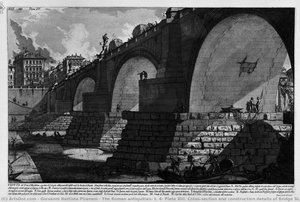
Giovanni Battista Piranesi's "The Ponte Solario," etched in 1756, isn’t merely a depiction of an old bridge; it’s a portal to a vanished world. This evocative image transcends the simple act of recording a physical space, instead offering a profound meditation on time, memory, and the enduring power of ruins. The etching, rendered in meticulous detail with characteristic Piranesi precision, captures a moment suspended between past glory and encroaching decay – a scene that resonates deeply within the viewer’s psyche long after the eye has moved on.
The subject itself is deceptively straightforward: a crumbling bridge spanning a waterway, flanked by imposing, weathered structures. Yet, Piranesi elevates this commonplace vista into something extraordinary through his masterful use of line and shadow. The bridge, the Ponte Solario, likely once connected key parts of Rome’s infrastructure, now stands as a skeletal reminder of its former importance. The surrounding ruins – towers with crenellations hinting at long-lost fortifications, crumbling walls, and stepped approaches – speak to a civilization that has slipped into the realm of legend. The artist doesn't shy away from portraying the decay; instead, he embraces it, using the textures of stone and the play of light and dark to create an atmosphere of palpable age.
The Language of Ruins: Piranesi’s Technique
Piranesi was a pioneer in etching, pushing the medium's expressive capabilities far beyond its traditional use for portraiture. He developed a unique technique – often referred to as “vedute” or ‘views’ – that prioritized atmospheric perspective and the rendering of architectural detail with unparalleled accuracy. “The Ponte Solario” exemplifies this approach perfectly. Notice how Piranesi employs hatching and cross-hatching to build up tonal values, creating a sense of depth and volume within the stone structures. The delicate lines delineate every crack, every weathered surface, every fragment of crumbling masonry. This painstaking attention to detail isn’t simply about realism; it's about conveying the *feeling* of age – the weight of centuries pressing down on these silent witnesses to history.
The use of monochrome further enhances the etching’s dramatic effect. The absence of color forces the viewer to focus entirely on texture, form, and light. Piranesi masterfully manipulates shadows to create a sense of mystery and intrigue, drawing the eye into the heart of the scene. The subtle gradations of gray suggest both the coldness of stone and the warmth of sunlight filtering through the clouds – elements that contribute to the etching’s haunting beauty.
A Historical Tapestry: Context and Symbolism
Piranesi's work emerged during a period of intense archaeological interest in Rome, fueled by the rediscovery of ancient Roman ruins. The Enlightenment fostered a fascination with classical antiquity, leading scholars and artists to meticulously document and interpret these remnants of the past. Piranesi’s etchings weren’t simply reproductions; they were carefully considered artistic statements that sought to evoke a sense of awe and wonder at the grandeur of Rome's imperial history. The presence of the tower-like structure, with its defensive features, suggests a time when Rome was a military power, constantly vigilant against external threats.
The solitary figure in the foreground adds another layer of interpretation. Often interpreted as an observer contemplating the ruins, this figure represents humanity’s relationship to history – our attempts to understand and interpret the legacies of those who came before us. The figure's smallness in comparison to the monumental structures emphasizes the insignificance of individual existence against the backdrop of vast historical time.
An Enduring Legacy: Emotional Resonance
"The Ponte Solario" is more than just a beautiful image; it’s an emotionally resonant work that speaks to our enduring fascination with ruins and the passage of time. It evokes a sense of melancholy, a quiet contemplation on loss and decay, but also a profound appreciation for the beauty and resilience of the past. The etching invites us to step into Piranesi's world – a world where stone whispers stories of forgotten empires and where the silence of ruins holds a powerful, almost palpable, presence.
Reproductions of this iconic work offer a remarkable opportunity to bring this evocative scene into your home or office. The meticulous detail and atmospheric depth of Piranesi’s original etching are faithfully captured in high-quality reproductions, allowing you to experience the full emotional impact of this timeless masterpiece.
Obras relacionadas
Biografía del artista
Primeros años y formación
Giovanni Battista Piranesi nació el 4 de octubre de 1720 en Mogliano Veneto, cerca de Treviso, entonces parte de la República de Venecia. Su padre era cantero, lo que probablemente influyó en su interés por la arquitectura y el arte. Fue introducido al latín y a la civilización antigua por su hermano Andrea, y posteriormente se formó bajo la tutela de su tío, Matteo Lucchesi, un destacado arquitecto.Carrera Artística
La carrera artística de Piranesi comenzó en Roma, donde trabajó como dibujante para Marco Foscarini, el embajador veneciano ante el Papa Benedicto XIV. Estudió con Giuseppe Vasi, quien le enseñó el arte del grabado y la xilografía. El talento de Piranesi trascendió el grabado, llevando a Vasi a comentar: "Eres demasiado pintor como para ser grabador". Colaboró con alumnos de la Academia Francesa en Roma, produciendo una serie de *vedute* (vistas) de la ciudad. Su primera obra, *Prima parte di architettura e prospettive* (1743), fue seguida por *Varie vedute di roma antica e moderna* (1745).Estilo y Temas Principales
- Vedute Romane: Piranesi es quizás más conocido por sus detalladas y dramáticas vistas de Roma, tanto antigua como moderna. Estas obras capturan la grandeza del paisaje urbano romano con una precisión técnica impresionante y un sentido teatralizado de la perspectiva.
- Carceri d'Invenzione (Prisiones Imaginarias): Esta serie de grabados es quizás su obra más famosa e influyente. Representan laberínticas prisiones subterráneas, pobladas por figuras misteriosas y evocando una sensación de opresión y melancolía. Las *Carceri* son interpretadas como alegorías de la condición humana, la búsqueda del conocimiento o incluso el estado mental.
- Antigüedades Romanas: Piranesi también produjo numerosas grabados que documentan las ruinas y monumentos antiguos de Roma, contribuyendo significativamente al estudio arqueológico de la época.
Influencias y Legado
Piranesi fue influenciado por el clasicismo romano, pero su estilo es único. Su uso dramático de la luz y la sombra, sus perspectivas exageradas y su imaginación desbordante lo distinguen de otros artistas de su tiempo. Influyó profundamente en el movimiento Neoclásico, así como en artistas posteriores del Romanticismo. Su trabajo inspiró a arquitectos, diseñadores y artistas visuales durante siglos. Su meticulosa documentación de las ruinas romanas fue invaluable para los arqueólogos y estudiosos.Logros e Importancia Histórica
- Maestro Grabador: Piranesi es considerado uno de los grabadores más importantes de la historia del arte, reconocido por su técnica impecable y su capacidad para crear imágenes de gran impacto visual.
- Contribución a la Arqueología: Sus grabados de las ruinas romanas proporcionaron una documentación invaluable de estos monumentos en un momento en que muchos estaban siendo destruidos o alterados.
- Innovación Artística: Su serie *Carceri d'Invenzione* es considerada una obra maestra del arte grabado y un precursor del Romanticismo, explorando temas de soledad, opresión y la naturaleza humana.
Giovanni Battista Piranesi
1720 - 1778 , Italia
Datos clave
- Artistas Que Influyeron:
- Giuseppe Vasi
- Matteo Lucchesi
- Fecha De Nacimiento: 4 de octubre de 1720
- Influenciado A Artistas:
- Charles-Louis Clérisseau
- Jean-François Peyron
- Lugar De Nacimiento: Mogliano Veneto, Italia
- Movimiento Artístico: Neoclasicismo
- Nacionalidad: Italiana
- Nombre Completo: Giovanni Battista Piranesi
- Obras Notables:
- Carceri d'invenzione
- Vedute di Roma antica
- Prima parte di architettura
Artículos relacionados

Las 10 Grabados Legendarios que Revolucionaron el Arte | ArtsDot
Descubre los 10 grabados legendarios que transformaron la historia del arte. Explora las obras maestras de Rembrandt, Goya y Dürer. Encuentra reproducciones de alta calidad e inspírate para decorar tu hogar con arte clásico en ArtsDot.com.

El Aguafuerte: Un Recorrido Histórico por su Técnica, Cualidades Estéticas y Significado Duradero
Descubre la fascinante historia y técnica del aguafuerte. Explora su evolución artística, los maestros que lo dominaron y sus cualidades estéticas únicas. Guía experta para amantes del arte.

The Intricate World of Etching: A Historical Survey of Technique, Aesthetic Evolution, and Enduring Artistic Impact
Explore the rich history of etching, from its origins to modern practice. Discover techniques, key artists like Rembrandt, and insights for collectors. A comprehensive guide by ArtsDot.

Paisajes Románticos: 10 Obras Maestras que Definieron un Movimiento Artístico
Descubre los 10 paisajes románticos más influyentes de artistas como Caspar David Friedrich y Turner. Explora la belleza, el simbolismo y las técnicas del movimiento romántico. Reproducciones de arte exclusivas en ArtsDot.com.

Evocations of Place: A Historical Journey Through Landscape Art
Explore the rich history of landscape art with ArtsDot. Discover renowned artists, movements like Impressionism & Romanticism, and expert guidance for collecting timeless pieces. Find your perfect serene escape today!