

 Ver en contexto
 Enviar
 Compartir
 Detalles

 Descargar
 Similares
 Radiografía
 Presentación de diapositivas
 Estadísticas
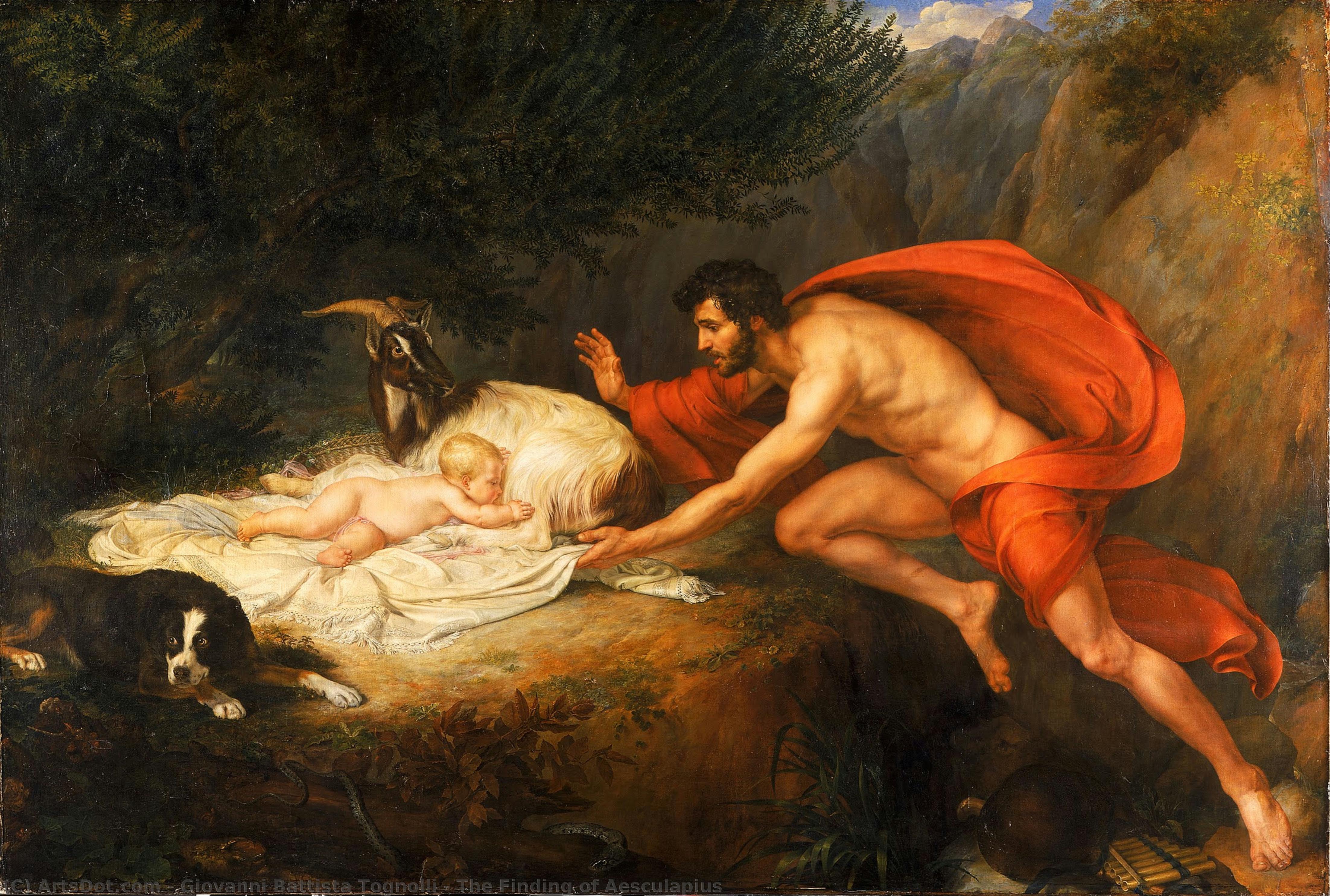
The Finding of Aesculapius
 Oil
Oil- WallArt
- Neoclassicism
 1839
1839- 19th Century
 2960.0 x 1985.0 cm
 Galería de Arte Walker
 Ver más
Reproducción al óleo hecha a mano
Óleo sobre lienzo pintado a mano en el tamaño y marco de su elección, realizado por encargo por nuestros artistas. ( Cambiar a Impresión Cambiar a imagen digital)




P118B $10

P118H $10

P118W $10

P438Z $10

P508JH $12

P508YH $12

P805H $10

P805Z $10

P919BZ $10

P919G $10

P919XJ $10

P959ZH $10

P968JZ $12

W106C $8

W218G $10

W218JH $8

W218Y $10

W307PJ $10

W316G $10

W316PJ $8

W316Y $10

W398PJ $8

W4111J $10

W500HY $15

W500JH $15

W692G $12

W849H $8

W940BG $15

W953PJ $8




Elija entre nuestros tamaños predefinidos que respetan las proporciones originales de la obra.

Puede ingresar sus propias dimensiones para adaptarse a un marco o espacio específico. Si el tamaño seleccionado no coincide con las proporciones de la imagen original, recortaremos la obra o extenderemos la pintura con elementos adicionales pintados a mano. Se le enviará una maqueta digital para su aprobación antes de comenzar la producción.
Tenga en cuenta que la vista previa en pantalla no refleja el recorte o la extensión reales. Solo la maqueta mostrará con precisión la composición final.
Si bien existen tamaños personalizados, recomendamos seleccionar una dimensión de la lista predefinida para preservar las proporciones originales.
Tras realizar el pedido, el equipo de ArtsDot.com enviará un correo electrónico al cliente para solicitar instrucciones y proporcionarle una vista previa del boceto.
Envío a todo el mundo () en 3-4 semanas en lugar de las 5 semanas estándar. (10 septiembre). Sin comprometer la calidad.

Envío exprés gratuito a todo el mundo

Lienzo de lino de alta calidad

Seguro de envío total

Garantía de reembolso de impuestos aduaneros

Garantía de fidelidad cromática exacta

Política de devolución de 100 días (solo por defectos)

Garantía de devolución del 100% del dinero

Descuento por cantidad
 La opción de vidrio solo está disponible en tamaños inferiores a 110 cm.

The Finding of Aesculapius
Técnica de reproducción
Dimensiones de la reproducción
-


Precio total final
$ 263
A Moment of Mythic Discovery
In the sweeping, dramatic canvas of The Finding of Aesculapius, Giovanni Battista Tognolli invites us into a profound moment of mythological revelation. The painting captures a pivotal scene from Greek legend, centered on the discovery of the infant Aesculapius, destined to become the god of medicine. Within this intimate yet grand composition, we witness the raw vulnerability of life and the heavy shadow of divine tragedy. As the eye wanders through the scene, it encounters a tender arrangement of figures: a mother’s watchful presence, a child resting upon a bed, and the silent, stoic observers that populate this classical tableau. The inclusion of two dogs, positioned like sentinels on either side of the frame, adds a layer of domestic realism to an otherwise celestial narrative, grounding the myth in a palpable, earthly reality.
Tognolli, a master trained under the prestigious shadows of Giuseppe Tortelli and Giuseppe Diotti, utilizes his Neoclassical foundations to imbue this work with a sense of timeless dignity. The technique is characterized by a meticulous attention to detail and a palette of rich, deep colors that evoke the grandeur of the late Baroque tradition. Every brushstroke serves to heighten the emotional stakes; the light falls upon the central figures with a theatrical intensity, highlighting the textures of fabric and the soft contours of skin, much like a stage production frozen in time. For the discerning collector or interior designer, this painting offers more than mere decoration; it provides a focal point of intellectual depth and visual opulence.
Symbolism and Emotional Resonance
Beyond its narrative surface, The Finding of Aesculapius serves as a meditation on fate and the continuity of life. The presence of the infant amidst the aftermath of Zeus's divine intervention symbolizes the resilience of the human spirit—and the divine—against the whims of the gods. There is a poignant tension between the sorrow of the past and the promise of the future held within the child’s breath. This duality makes the piece an extraordinary addition to any curated space, offering a sophisticated dialogue between light and shadow, life and loss.
For those seeking to elevate a room with a sense of history and storytelling, this reproduction captures the very essence of Italian artistic heritage. The painting does not merely sit upon a wall; it commands the atmosphere, inviting viewers to contemplate the ancient threads that connect modern humanity to the legends of old. Whether placed in a formal study or a grand living area, Tognolli’s masterpiece acts as a window into a world where every shadow holds a secret and every light reveals a destiny.
Obras relacionadas
Biografía del artista
early life and training
giovanni battista tognolli, an italian painter, was born in brescia in 1796. he was a pupil of giuseppe tortelli and giuseppe diotti, renowned artists of the late baroque period. this education provided tognolli with a solid foundation in the techniques of painting, which he would later master.artistic style and notable works
tognolli was known for his religious and historical paintings, as well as his portraits. his work is characterized by its attention to detail and the use of rich colors, reflecting the influence of his mentors. while specific works by tognolli are not widely documented, his contribution to italian art is undeniable.legacy and later life
giovanni battista tognolli passed away in 1864, leaving behind a legacy as a painter who continued the traditions of italian art. his work, though not extensively cataloged, remains an important part of italy's artistic heritage.- key art movements: tognolli's work is associated with the neoclassicism and late gothic movements, reflecting the diverse influences on his style.
- notable mentors: giuseppe tortelli and giuseppe diotti, both influential in shaping tognolli's artistic approach.
- period of activity: 19th century, a time of significant change in the art world.
further exploration on ArtsDot.com
for more information on giovanni battista tognolli and his contemporaries, explore the following links: - giovanni battista tognolli's profile on ArtsDot.com - the wallraf-richartz museum, cologne, germany, which houses a collection of european art from the medieval period to the early twentieth century.conclusion
giovanni battista tognolli, though not widely recognized in contemporary art discourse, played a significant role in italy's artistic landscape during the 19th century. his adherence to traditional techniques, combined with his own unique style, makes him an interesting figure in the broader context of italian painting.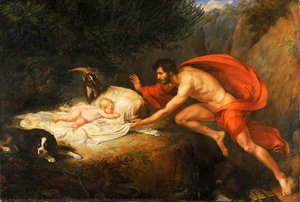
giovanni battista tognolli
1796 - 1864 , Italy
Datos clave
- Artistic Movement Or Style: Landscape painting
- Artists Or Movements Influenced By This Artist:
- Impressionism
- Hudson River School
- Artists Who Influenced This Artist:
- Achille Etna Michallon
- Jean-Victor Bertin
- Pierre-Henri de Valenciennes
- Date Of Birth: 1796
- Date Of Death: 1875
- Full Name: Jean-Baptiste-Camille Corot
- Nationality: French
- Notable Artworks:
- View at Narni
- Roman Campagna
- Hagar in the Wilderness
- Place Of Birth: Paris, France
Artículos relacionados

La Intensidad Emocional en el Lienzo: Explorando el Dramatismo y la Narrativa Visual en la Historia del Arte
Explora la intensidad emocional en el arte a través de la historia. Descubre cómo maestros como Caravaggio y Rothko utilizaron la luz, la sombra y el color para evocar sentimientos profundos. Análisis experto y obras clave.
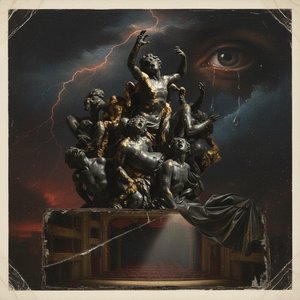
Las 10 Obras de Arte Más Dramáticas: Emoción y Belleza para tu Hogar
Descubre las 10 obras de arte más dramáticas de la historia. Explora el expresionismo de Munch, el romanticismo de Goya y los intensos lienzos de Caravaggio. Encuentra reproducciones de arte de museo en .
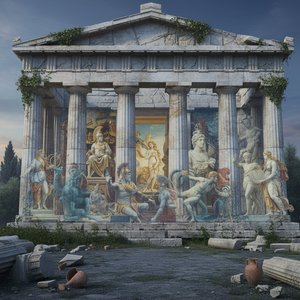
Echoes of Olympus: Mythological Narratives in Western Art Through the Ages
Explore the captivating history of mythological narratives in Western art! From ancient Greece to modern masterpieces, discover iconic artworks & symbolism. Expert analysis and high-quality reproductions at ArtsDot.
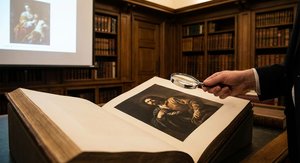
The Power of Narrative Tension: Exploring Dramatic Scenes in Art History
Explore the captivating power of dramatic scenes in art history. Discover Baroque masters like Ribera & Caravaggio, learn about chiaroscuro techniques, and gain insights for building a powerful art collection with ArtsDot.
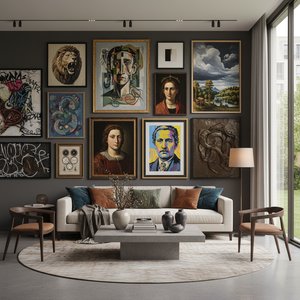
Obras Maestras Dramáticas: Arte para un Hogar con Carácter |
Descubre 10 obras maestras que evocan drama y emoción. Explora la historia, técnica y colores de artistas como Caravaggio y Munch. Encuentra reproducciones de arte para transformar tu hogar en .