 Ver en contexto
 Enviar
 Compartir
 Detalles

 Descargar
 Similares
 Radiografía
 Presentación de diapositivas
Mystic Marriage of S Catherine
 Etching
- WallArt
- Baroque
 1547
1547- Renaissance
 84.0 x 100.0 cm
 Museo Nacional de Arte Occidental
 Ver más
Giclée / Impresión de arte
Impresiones giclée o en lienzo de calidad de museo con producción rápida y opciones de acabado flexibles. ( Comprar pintura hecha a mano Comprar imagen)




P118B $10

P118H $10

P118W $10

P438Z $10

P508JH $12

P508YH $12

P805H $10

P805Z $10

P919BZ $10

P919G $10

P919XJ $10

P959ZH $10

P968JZ $12

W106C $8

W218G $10

W218JH $8

W218Y $10

W307PJ $10

W316G $10

W316PJ $8

W316Y $10

W398PJ $8

W4111J $10

W500HY $15

W500JH $15

W692G $12

W849H $8

W940BG $15

W953PJ $8




Elija entre nuestros tamaños predefinidos que respetan las proporciones originales de la obra.

Puede introducir sus propias dimensiones para adaptarse a un marco o espacio específico. Si el tamaño seleccionado no coincide con las proporciones de la imagen original, recortaremos la obra de arte o extenderemos la imagen con un borde con efecto espejo o de color sólido. Se enviará una maqueta digital para su aprobación antes de que comience la producción.
Tenga en cuenta que la vista previa en pantalla no refleja el recorte o la extensión real. Solo la maqueta mostrará con precisión la composición final.
Aunque existen tamaños personalizados, recomendamos seleccionar una dimensión de la lista predefinida para preservar las proporciones originales.
Envío a todo el mundo () en 2 semanas en lugar de las 4/5 semanas estándar. (6 septiembre)

Envío exprés gratuito a todo el mundo

Lienzo de lino de alta calidad

Seguro de envío total

Garantía de reembolso de impuestos aduaneros

Garantía de fidelidad cromática exacta

Política de devolución de 100 días (solo por defectos)

Garantía de devolución del 100% del dinero

Descuento por cantidad
 La opción de vidrio solo está disponible en tamaños inferiores a 110 cm.

Mystic Marriage of S Catherine
Giclée / Impresión de arte
Dimensiones de la reproducción
-


Precio total final
$ 62
A Glimpse into Ruin and Reflection: Giovanni Battista Zelotti's "Mystic Marriage of S Catherine"
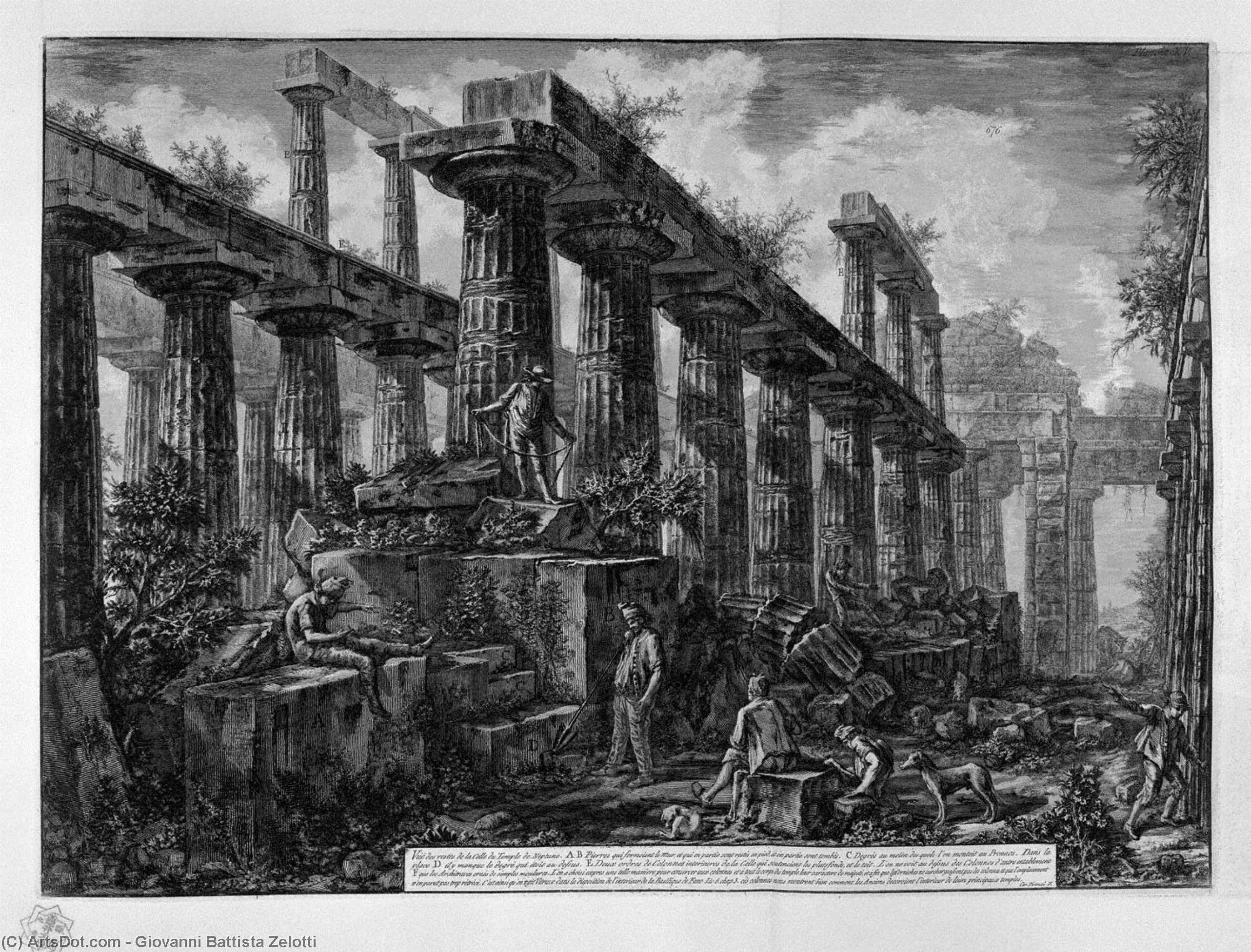
Giovanni Battista Zelotti’s “Mystic Marriage of S Catherine,” etched in 1547, is more than a depiction of ancient ruins; it’s a profound meditation on the passage of time, the fragility of human endeavor, and the enduring power of faith. This intricate engraving transports us to a dramatic scene—the skeletal remains of what was once a grand Roman temple or structure. The composition explodes with a controlled chaos: towering columns stand fractured against crumbling walls, while figures move amidst the debris, their actions both purposeful and dwarfed by the scale of destruction surrounding them. Zelotti masterfully employs the Baroque style, characterized by stark contrasts between light and shadow, dynamic movement captured in every line, and a theatrical quality that draws the viewer into the heart of this evocative landscape. The perspective, though slightly distorted, amplifies the sense of grandeur and depth, creating an immersive experience for the observer.The Dance of Decay and Human Activity
The foreground teems with life amidst the desolation. Figures are engaged in a variety of tasks – clearing rubble, examining fragments of the past, seemingly interacting with a monumental statue that crowns the remaining columns. This statue, likely representing a deity or heroic figure, stands as a silent witness to the ruin and a possible symbol of enduring spiritual power. The architecture itself is a poignant testament to decay; broken columns lie scattered, walls have collapsed, and vegetation—trees and foliage—begins its relentless reclamation of the site. This natural encroachment serves as a powerful visual metaphor for nature’s triumph over human creation, highlighting the impermanence of even the most impressive civilizations. The engraving's monochromatic palette, achieved through meticulous ink work on paper, enhances the mood of melancholy and reflection, allowing the intricate details of stone, rubble, and clothing to take center stage.Zelotti's Technique: A Baroque Masterpiece in Engraving
The technical skill displayed in “Mystic Marriage of S Catherine” is remarkable. Zelotti’s mastery of engraving shines through in the fine detail and subtle tonal variations achieved solely through line work. The strong diagonal created by the fallen columns guides the viewer's eye through the scene, emphasizing a sense of instability and movement. Light and shadow are strategically employed to enhance the drama, creating a three-dimensional effect that breathes life into the ruins. Notice how the scale of the ruins is emphasized by the inclusion of small figures within this vast architectural landscape—a deliberate choice that underscores the insignificance of human ambition in the face of time's relentless march. The use of lines isn’t merely decorative; it actively contributes to the narrative, conveying a sense of both fragility and resilience.Historical Context and Symbolic Resonance
Giovanni Battista Zelotti (1526-1578), born in Verona, was a pivotal figure within the Venetian Renaissance. His work reflects the artistic spirit of his region, drawing inspiration from masters like Titian and Veronese while forging his own distinct style. The engraving’s subject matter—the intersection of human endeavor and the passage of time—resonates with broader themes prevalent during the Renaissance, a period marked by renewed interest in classical antiquity and a growing awareness of humanity's place within the cosmos. The coat of arms visible in the image suggests a connection to the wedding of Anna della Torre and Giambattista Pindemonte in Verona in 1547, lending a personal dimension to this grand exploration of history and faith. Ultimately, Zelotti’s “Mystic Marriage of S Catherine” is an enduring testament to the power of art to capture the complexities of human experience—our triumphs, our failures, and our eternal quest for meaning amidst the ruins of time.Obras relacionadas
Biografía del artista
El eco veronés: La vida y el legado de Giovanni Battista Zelotti
En el vibrante tapiz del Renacimiento veneciano, pocos hilos están tan intrincadamente entretejidos con la grandeza arquitectónica de Italia como aquellos hilados por Giovanni Battista Zelotti. Nacido en Verona en 1526, una ciudad que entonces florecía bajo el dominio de Venecia, Zelotti emergió no solo como un pintor, sino como un maestro de la atmósfera y la escala narrativa. Sus primeros años fueron moldeados por las rigurosas tradiciones de maestros como Antonio Badile y Domenico Riccio, y su linaje artístico sugiere una profunda conexión con el legendario Tiziano. Este periodo formativo le inculcó un dominio del color y la luz que más tarde le permitiría transformar paredes estáticas en paisajes mitológicos llenos de vida.
El viaje de Zelotti a través de los centros artísticos de Padua y Venecia le permitió absorber las claves estilísticas en constante evolución de su época. Aunque a menudo se le considera un contemporáneo y colaborador de Paolo Veronese, Zelotti poseía una capacidad única para fusionar los ideales clásicos del Alto Renacancia con un sentido emergente del drama. Su obra se convirtió en un puente entre las composiciones equilibradas del pasado y las cualidades más opulentas y emotivas que eventualmente caracterizarían al periodo Barroco. Esta evolución es más evidente en su maestría del fresco, un medio que requería tanto una inmensa resistencia física como una comprensión sofisticada de cómo la luz interactúa con el yeso y el pigmento.
Simbiosis arquitectónica y la conexión palladiana
Uno de los aspectos más perdurables de la carrera de Zelotti fue su profunda sinergia con la arquitectura, notablemente a través de sus colaboraciones con el visionario Andrea Palladio. La relación entre pintor y arquitecto alcanzó su cenit en la decoración de magníficas villas, como la Villa Emo y la Villa Foscari. En estos espacios, Zelotti no se limitó a decorar; expandió los límites arquitectónicos. Junto a otros artistas como Bernardino India y Battista Franco, inyectó una sensación de movimiento y profundidad mitológica en los diseños estructurados y clásicos de Palladio.
Sus frescos servían para animar la piedra y el mármol, trayendo los cielos y las leyendas antiguas al reino terrenal de la nobleza veneciana. Esta capacidad para armonizar con estructuras monumentales aseguró que su obra se convirtiera en una parte inseparable del paisaje italiano. Ya fuera decorando una villa privada o un monumento público, la mano de Zelotti siempre estuvo presente para dotar de alma narrativa a los huesos estructurales de Palladio.
Una presencia monumental en Venecia y más allá
La verdadera escala de la ambición de Zelotti se aprecia quizás mejor en sus contribuciones a las instituciones más prestigiosas de la República de Venecia. El Palacio Ducal, símbolo del poder y el esplendor veneciano, alberga en sus techos la obra maestra de Zelotti, específicamente su representación de “Santi Giovanni e Paolo”. Aquí, su uso de detalles intrincados y una perspectiva magistral crea una ilusión de altura infinita, un testimonio de su habilidad para gestionar composiciones a gran escala. Su trabajo en la Biblioteca Marciana consolidó aún más su reputación como pintor erudito, ya que utilizó la mitología clásica para celebrar los ideales humanistas que definieron la era.
Más allá de las fronteras de Venecia, la influencia de Zelotti viajó a Mantua, donde trabajó en el prestigioso Palazzo Gonzaga, continuando la rica tradición veronesa en nuevos territorios. Sus rasgos estilísticos se caracterizan por:
- Iluminación dramática: Un precursor del Barroco, utilizando la sombra para crear profundidad y emoción.
- Ornamentación opulenta: Una exuberancia de detalles que reflejaba la riqueza y el prestigio de sus mecenas.
- Narrativa mitológica: La integración fluida de las leyendas grecorromanas en entornos contemporáneos.
Aunque la historia a veces lo ensombrece tras la figura de Veronese, Giovanni Battista Zelotti sigue siendo una figura indispensable. Fue un pintor que comprendió que el arte no es simplemente algo para ser contemplado, sino algo para ser habitado, convirtiendo las paredes mismas de los más grandes palacios de Italia en ventanas hacia lo divino y lo antiguo.

Giovanni Battista Zelotti
1526 - 1578 , Italia
Datos clave
- Artistic Movement Or Style: Late Renaissance
- Artists Or Movements Influenced By This Artist: ['Andrea Palladio']
- Artists Who Influenced This Artist:
- Antonio Badile
- Domenico Riccio
- Titian
- Date Of Birth: Verona Italia 1526
- Date Of Death: Mantova Italia 1578
- Full Name: Giovanni Battista Zelotti
- Nationality: Italian
- Notable Artworks:
- View of the Room of Sofonisba
- Venice Seated upon the Globe and upon a Lion
- Place Of Birth: Verona Italia
Artículos relacionados
Los 10 Grabados Legendarios que Transformaron la Historia del Arte | ArtsDot
Descubre los 10 grabados legendarios de Dürer, Rembrandt y Goya que revolucionaron el arte. Explora la historia, técnicas y belleza atemporal de estas obras maestras. Reproducciones de alta calidad en ArtsDot.com para decorar tu hogar con arte clásico.
Engraving: A Historical Survey of Technique, Artistic Expression & Enduring Legacy
Explore the rich history of engraving with ArtsDot. Discover techniques, iconic artists like Dürer & Callot, collecting tips, and expert guidance for preserving your art investment. Learn about intaglio printing & more!

El Intricado Mundo del Grabado: Técnica, Expresión y Legado Histórico
Descubre la fascinante historia del grabado calcográfico: técnicas ancestrales, maestros como Goya y su impacto en el arte y la ciencia. Guía experta para coleccionistas y amantes del arte.

Drama Barroca: Llevando la Grandeza y la Emoción a los Interiores Contemporáneos
Descubre cómo el drama y la grandeza del arte barroco pueden transformar tus interiores. Guía experta, inspiración y reproducciones de alta calidad en .

The Dramatic Flourish: Exploring the Baroque Movement's Enduring Legacy in Art History
Explore the dramatic world of Baroque art! Discover iconic artists like Caravaggio & Rubens, defining techniques, and its lasting impact on art history. Expert insights for collectors & enthusiasts at ArtsDot.