 Vista previa
 Compartir
 Compartir
 Ver detalles

 Descargar
 Ver similares
 Radiografía
 Presentación de diapositivas
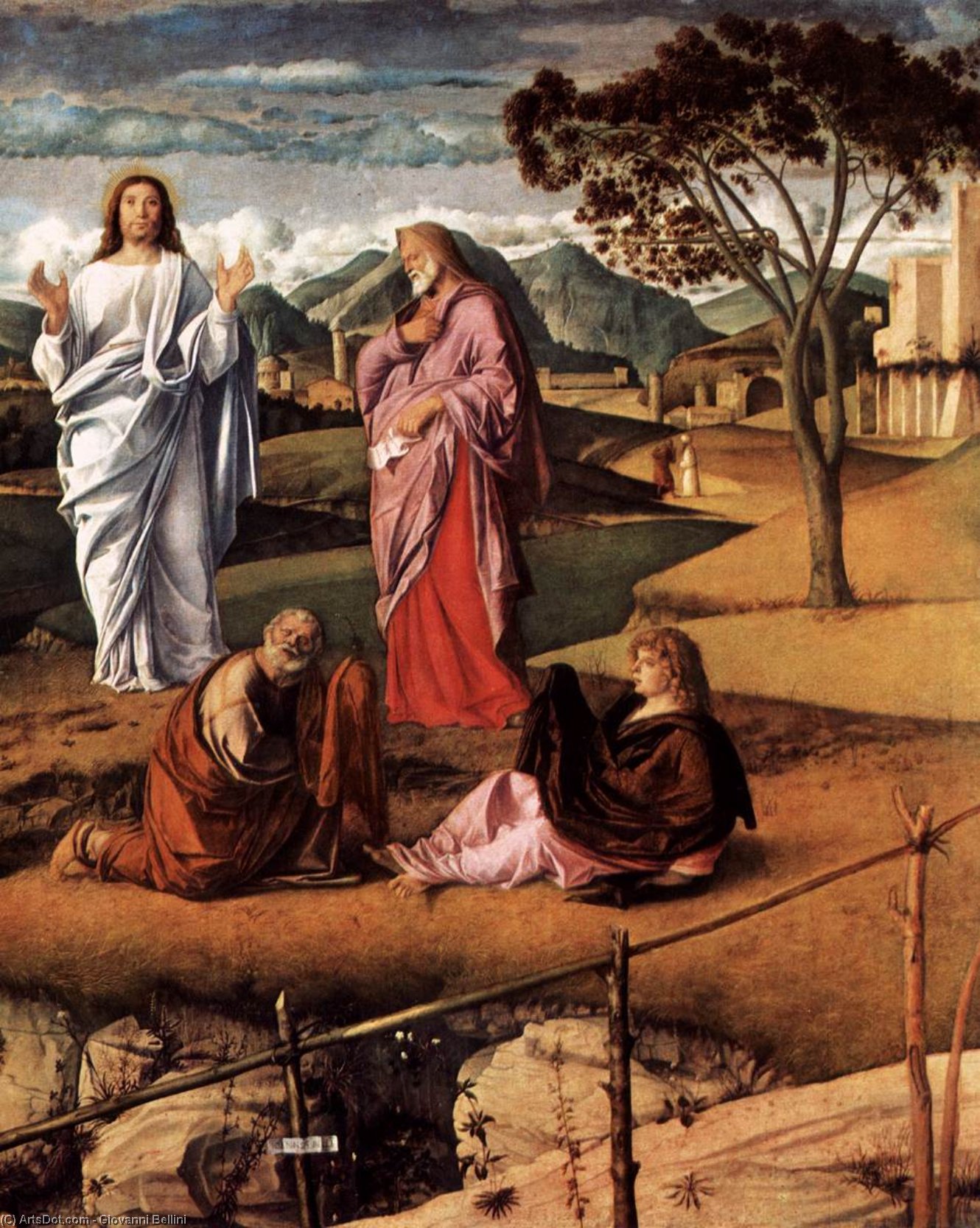
Transfiguration of Christ (detail)


 Leer más
Reproducción al óleo hecha a mano
Óleo sobre lienzo pintado a mano en el tamaño y marco de su elección, realizado por encargo por nuestros artistas. ( Pedir impresión Comprar descarga)




P118B $10

P118H $10

P118W $10

P438Z $10

P508JH $12

P508YH $12

P805H $10

P805Z $10

P919BZ $10

P919G $10

P919XJ $10

P959ZH $10

P968JZ $12

W106C $8

W218G $10

W218JH $8

W218Y $10

W307PJ $10

W316G $10

W316PJ $8

W316Y $10

W398PJ $8

W4111J $10

W500HY $15

W500JH $15

W692G $12

W849H $8

W940BG $15

W953PJ $8




Elija entre nuestros tamaños predefinidos que respetan las proporciones originales de la obra.

Puede ingresar sus propias dimensiones para adaptarse a un marco o espacio específico. Si el tamaño seleccionado no coincide con las proporciones de la imagen original, recortaremos la obra o extenderemos la pintura con elementos adicionales pintados a mano. Se le enviará una maqueta digital para su aprobación antes de comenzar la producción.
Tenga en cuenta que la vista previa en pantalla no refleja el recorte o la extensión reales. Solo la maqueta mostrará con precisión la composición final.
Si bien existen tamaños personalizados, recomendamos seleccionar una dimensión de la lista predefinida para preservar las proporciones originales.
Tras realizar el pedido, el equipo de ArtsDot.com enviará un correo electrónico al cliente para solicitar instrucciones y proporcionarle una vista previa del boceto.
Envío a todo el mundo () en 3-4 semanas en lugar de las 5 semanas estándar. (21 agosto). Sin comprometer la calidad.

Envío exprés gratuito a todo el mundo

Lienzo de lino de alta calidad

Seguro de envío completo

Garantía de reembolso de aranceles aduaneros

Garantía de fidelidad cromática exacta

Política de devolución de 60 días (solo por defectos)

Garantía de devolución del 100% del dinero

Oferta por volumen
 La opción de vidrio solo está disponible en tamaños inferiores a 110 cm.

Transfiguration of Christ (detail)
Técnica de reproducción
Tamaño de la reproducción
-


Precio total
$ 313
Descripción de la obra
A Moment Frozen in Grace: Unveiling Bellini’s Transfiguration
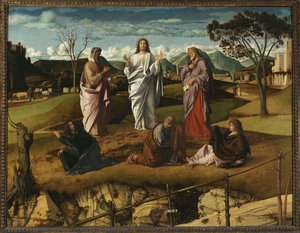
Giovanni Bellini's “Transfiguration of Christ” – a detail from the larger 1487 masterpiece – isn’t merely a depiction of a biblical event; it’s an immersion into a profound and deeply felt spiritual experience. This painting, residing within the Capodimonte Museum in Naples, transcends its historical context to resonate powerfully with viewers centuries later. Bellini, a pivotal figure bridging the gap between Byzantine tradition and the burgeoning Renaissance, masterfully captures not just the visual spectacle of Christ’s transformation on Mount Tabor, but also the underlying sense of awe and humility that defines this sacred moment.
The scene unfolds within a carefully constructed landscape – a subtly rendered Italian countryside bathed in an ethereal afternoon light. Bellini eschews the dramatic, almost theatrical staging often found in earlier religious paintings, opting instead for a more restrained and contemplative approach. The figures are arranged within a shallow space, utilizing atmospheric perspective to create a sense of depth that draws the eye towards Christ at the painting’s apex. Notice how the distant mountains recede into hazy blues and purples, while the foreground elements – a simple wooden fence, a scattering of rocks – retain a surprising degree of clarity, anchoring the viewer in this earthly realm.
The Language of Color and Light
Bellini’s genius lies not just in his composition but also in his masterful manipulation of color. The palette is dominated by warm, earthy tones—ochres, browns, and deep reds—evoking a sense of timelessness and stability. These grounded hues are juxtaposed with cooler blues and whites in the sky and clothing, creating a harmonious balance that enhances the painting’s overall serenity. Crucially, Bellini employs a technique known as “glazing,” layering thin washes of paint over each other to build up depth and luminosity. This meticulous process results in surfaces that shimmer with an almost otherworldly glow – a testament to his innovative approach to oil painting.
- Warm Earth Tones: Ochres, browns, reds—grounding the scene in earthly reality.
- Cool Blues and Whites: Highlighting the divine light emanating from Christ.
- Glazing Technique: Layered paint creates luminous surfaces and a sense of depth.
Symbolism Woven into the Fabric of Faith
Beyond its visual beauty, “The Transfiguration” is rich in symbolic meaning. Christ’s outstretched hand, a gesture of profound grace and invitation, dominates the composition. It represents not just divine power but also an offer of salvation to all who are willing to accept it. The figures of Moses and Elijah, flanking Christ, symbolize the Old Testament prophets who foretold his coming—a powerful reminder of the continuity between faith and prophecy. The kneeling apostles, rendered with a quiet reverence, embody submission and devotion. Even the simple elements – the wooden fence, the scattering of rocks – carry symbolic weight, representing the boundaries between the earthly and the divine.
A Legacy of Renaissance Spirituality
Giovanni Bellini’s “Transfiguration” stands as a cornerstone of Venetian Renaissance art, demonstrating a shift towards greater naturalism and emotional depth. It reflects the era's burgeoning humanism while retaining a profound sense of spiritual contemplation. The painting’s enduring appeal lies in its ability to evoke a feeling of quiet reverence—a reminder of humanity’s connection to something larger than itself. Reproductions of this work, meticulously crafted by ArtsDot.com and similar platforms, offer an opportunity to experience the beauty and power of Bellini's vision for generations to come.
Obras relacionadas


Biografía del artista
Primeros años y carrera
Giovanni Bellini, un destacado pintor del Renacimiento veneciano, nació alrededor de 1433 en Venecia. Fue criado en el hogar de Jacopo Bellini, que antes se creía su padre, pero ahora se considera su hermano mayor. Las primeras obras de Giovanni se caracterizan por una profunda religiosidad y un sentimiento humano, como se ve en su pintura *San Jerónimo en el desierto* (ahora en la Galería Nacional, Londres).Ascenso a la prominencia
El estilo artístico de Giovanni evolucionó con el tiempo, y finalmente se hizo conocido por sus colores suntuosos y paisajes atmosféricos fluidos. Su obra tuvo un impacto significativo en la escuela veneciana de pintura, particularmente en sus alumnos Giorgione y Tiziano. Giovanni recibió su primer nombramiento para trabajar junto a su hermano Gentile Bellini y otros artistas en la Scuola di San Marco en 1470.Obras notables y legado
- *La Transfiguración* (ahora en el Museo de Capodimonte de Nápoles) muestra el estilo maduro de Giovanni, con un espíritu sereno y poderes maduros.
- *La Coronación de la Virgen* (en Pesaro) demuestra su esfuerzo temprano en una forma de arte previamente dominada por la escuela rival de los Vivarini.
- Las funciones de Giovanni como conservador de las pinturas en el gran salón del Palacio Ducal (1479-1480) consolidaron aún más su reputación como maestro pintor.
Estilo artístico e influencia
El uso de Giovanni de pinturas al óleo claras y de secado lento creó tonos profundos y ricos y sombreados detallados, revolucionando la pintura veneciana. Su obra puede caracterizarse por:-
Estilo sensorial y colorista
- Colores suntuosos y paisajes atmosféricos fluidos
- Influencia en la escuela de pintura veneciana y sus alumnos Giorgione y Tiziano
Referencias

Giovanni Bellini
1433 - 1516 , Italia
Datos clave
- Artistas Influenciados:
- Giorgione
- Tiziano
- Artistas Que Influyeron:
- Jacopo Bellini
- Gentile Bellini
- Fecha De Nacimiento: c. 1433
- Lugar De Nacimiento: Venecia, Italia
- Movimiento Artístico: Renacimiento veneciano
- Nacionalidad: Italiana
- Nombre Completo: Giovanni Bellini
- Obras Notables:
- Transfiguración
- Coronación de la Virgen
- San Sebastián
- Madonna degli Alberetti
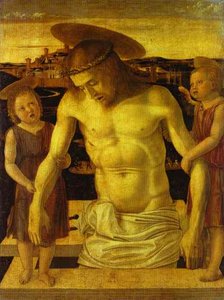
- Cristo Muerto Apoyado por Ángeles
Artículos relacionados
Sacred Narratives Embodied: A Comprehensive Exploration of Religious Iconography in Art History
Explore the rich history of religious iconography in art! Discover symbolism, movements & masterpieces from Byzantine to Renaissance periods. Expert insights for collectors and enthusiasts at ArtsDot.

The Enduring Legacy of Oil on Canvas: Technique, History & Aesthetic Impact
Explore the rich history & techniques of oil painting – from Renaissance masters to Impressionism. Discover pigments, layering methods, and why this timeless medium endures. Expert insights for artists & art enthusiasts.

The Enduring Power of Painting: A Historical & Contemporary Exploration of Form and Emotion
Explore the rich history & enduring techniques of oil painting with ArtsDot. Discover masterpieces, learn about art collecting, and find authentic handmade reproductions crafted by skilled artists.

El Óleo sobre Lienzo: Historia, Técnica y la Persistencia de un Medio Artístico Atemporal
Descubre la historia y técnica del óleo sobre lienzo. Explora reproducciones fieles hechas a mano, personalización artística y consejos de expertos con ArtsDot. ¡Colecciona arte con confianza!

El Legado Duradero del Óleo sobre Lienzo: Técnica, Historia y Práctica Contemporánea
Descubre la historia y técnica del óleo sobre lienzo. Explora reproducciones fieles hechas a mano, personalización artística y consejos de expertos con .