 Ver en contexto
 Enviar
 Compartir
 Detalles

 Descargar
 Similares
 Radiografía
 Presentación de diapositivas
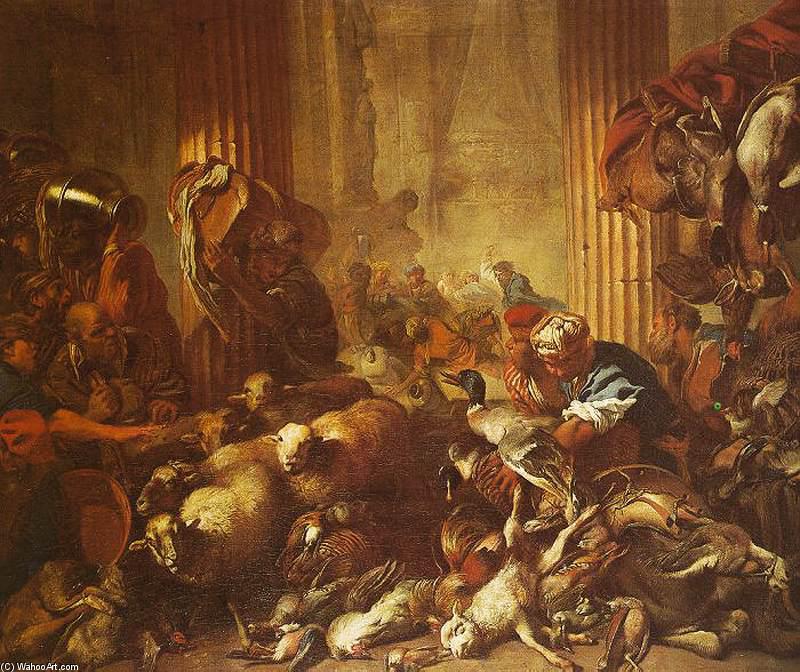
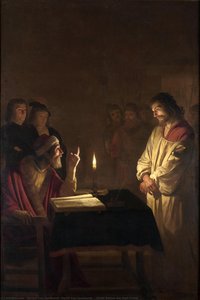
Christ Chasing the Moneylenders from the Temple
 Oil On Canvas
- WallArt
- Baroque
 1645
1645- Early Modern
 100.0 x 124.0 cm
 Museo del Louvre
 Ver más
Reproducción al óleo hecha a mano
Óleo sobre lienzo pintado a mano en el tamaño y marco de su elección, realizado por encargo por nuestros artistas. ( Comprar impresión Comprar imagen)




P118B $10

P118H $10

P118W $10

P438Z $10

P508JH $12

P508YH $12

P805H $10

P805Z $10

P919BZ $10

P919G $10

P919XJ $10

P959ZH $10

P968JZ $12

W106C $8

W218G $10

W218JH $8

W218Y $10

W307PJ $10

W316G $10

W316PJ $8

W316Y $10

W398PJ $8

W4111J $10

W500HY $15

W500JH $15

W692G $12

W849H $8

W940BG $15

W953PJ $8




Elija entre nuestros tamaños predefinidos que respetan las proporciones originales de la obra.

Puede ingresar sus propias dimensiones para adaptarse a un marco o espacio específico. Si el tamaño seleccionado no coincide con las proporciones de la imagen original, recortaremos la obra o extenderemos la pintura con elementos adicionales pintados a mano. Se le enviará una maqueta digital para su aprobación antes de comenzar la producción.
Tenga en cuenta que la vista previa en pantalla no refleja el recorte o la extensión reales. Solo la maqueta mostrará con precisión la composición final.
Si bien existen tamaños personalizados, recomendamos seleccionar una dimensión de la lista predefinida para preservar las proporciones originales.
Tras realizar el pedido, el equipo de ArtsDot.com enviará un correo electrónico al cliente para solicitar instrucciones y proporcionarle una vista previa del boceto.
Envío a todo el mundo () en 3-4 semanas en lugar de las 5 semanas estándar. (5 septiembre). Sin comprometer la calidad.

Envío exprés gratuito a todo el mundo

Lienzo de lino de alta calidad

Seguro de envío total

Garantía de reembolso de impuestos aduaneros

Garantía de fidelidad cromática exacta

Política de devolución de 60 días (solo por defectos)

Garantía de devolución del 100% del dinero

Descuento por cantidad
 La opción de vidrio solo está disponible en tamaños inferiores a 110 cm.

Christ Chasing the Moneylenders from the Temple
Técnica de reproducción
Dimensiones de la reproducción
-


Precio total final
$ 263
The Divine Confrontation: Christ Chasing the Moneylenders
To stand before this depiction of Christ Chasing the Moneylenders from the Temple is to be immediately drawn into a vortex of dramatic energy and profound spiritual confrontation. Giovanni Benedetto Castiglione, master of the Genoese Baroque school, has captured not merely an event, but a moment suspended in time—a flashpoint where divine righteousness clashes violently with earthly greed. The canvas pulses with narrative tension; one can almost hear the shouts echoing through the sacred space as Christ, embodying pure moral force, drives out the profiteers who had corrupted the heart of worship.
Baroque Drama and Lively Composition
Castiglione’s command over the Baroque style is evident in every sweeping gesture and agitated line. The composition itself is a masterclass in dynamic arrangement. Figures are not static; they writhe, they recoil, they chase. This sense of movement is amplified by the inclusion of numerous birds scattered throughout the scene—a detail that elevates the painting beyond mere historical illustration into something almost allegorical. These avian elements seem to mirror the restless energy of the human drama below, adding a layer of natural vitality that speaks to the era's fascination with life in all its forms. The interplay between the robust human figures and these delicate, fluttering birds creates a breathtaking visual rhythm.
Technique and Artistic Mastery
As an artist celebrated for his mastery of line and shading, Castiglione imbues this oil on canvas (dating to 1645) with remarkable detail. His technique allows the viewer to appreciate both the polished realism of the drapery and the raw emotion etched onto the faces of the participants. While he is perhaps more famous for his engravings, here in paint, his ability to render texture—the rough stone of the temple, the rich folds of the garments, the flutter of wings—is exquisite. It speaks to a painter deeply versed in observation, translating the tangible world into an emotionally charged artistic statement.
Symbolism and Enduring Resonance
The symbolism at the heart of this work is timeless: the purification of faith from corruption. The Temple, traditionally a place of divine communion, becomes the site of necessary cleansing. Christ’s action is not just physical; it is spiritual—a forceful reclaiming of sacred purpose. For the modern collector or decorator, this piece offers more than mere decoration; it offers contemplation. It invites reflection on where we find purity in our own lives and what forces within ourselves require a dramatic, divine intervention to be restored.
Bringing Sacred Drama Home
Reproducing such a powerful work requires sensitivity to its original grandeur. This reproduction captures the scale (100 x 124 cm) and the vibrant spirit of Castiglione’s hand. Imagine this piece anchoring a grand hall or serving as a dramatic focal point in a richly decorated interior. It is an artwork that demands attention, whispering tales of divine justice while dazzling the eye with Baroque energy. Owning it means curating not just art, but a palpable sense of historical drama and enduring moral fervor.
Obras relacionadas

Biografía del artista
Vida y Orígenes en Génova
Giovanni Benedetto Castiglione, conocido cariñosamente como “Il Grechetto” (Génova, 23 de marzo de 1609 – Mantua, 5 de mayo de 1664), fue una figura central del arte barroco genovés. Su vida temprana permanece envuelta en cierta nebulosidad, aunque se cree que recibió sus primeros conocimientos artísticos bajo la tutela de Sinibaldo Scorza, un destacado pintor local. La influencia de artistas flamencos como Anthony van Dyck y Peter Paul Rubens, cuyas obras eran ampliamente apreciadas en Génova durante el siglo XVII, también desempeñó un papel crucial en la formación de su estilo. Castiglione se distinguió por su dominio magistral de la línea y el sombreado, habilidades que le permitieron crear imágenes increíblemente detalladas y realistas. Su paleta era rica en tonos terrosos y ocres, creando una atmósfera de profundidad y misterio en sus composiciones.Desarrollo Artístico y Técnicas Innovadoras
Castiglione cultivó una amplia gama de temas en su carrera artística, incluyendo retratos, escenas históricas y paisajes. Sin embargo, se especializó notablemente en la representación de escenas rurales con un énfasis particular en los animales, relegando a menudo a las figuras humanas a un papel secundario. La escena del “Noé entrando al Arca” se convirtió en uno de sus temas predilectos, reflejando su fascinación por la naturaleza y el simbolismo. Además de sus pinturas, Castiglione se destacó como grabador, siendo considerado el inventor de la técnica del monotipo, una innovadora forma de impresión que le permitía crear imágenes únicas y efímeras. Este método, en el que la tinta se aplicaba directamente sobre una placa de cobre o vidrio sin previamente grabar la superficie, le brindó un control excepcional sobre el resultado final. Su dominio de la técnica de la aguafuerte también fue notable, produciendo alrededor de sesenta grabados, incluyendo obras como “Diogenes buscando un hombre” y “El genio de Castiglione”, publicados por Giovanni Giacomo de Rossi en 1648.Influencias y Estilo
La habilidad de Castiglione para pintar animales, especialmente ganado doméstico, era innegable y se convirtió en una característica distintiva de su obra. En la famosa pintura “Jesús expulsando a los banqueros del templo”, por ejemplo, el estruendo de los animales es mucho más prominente que la dispersión de los recaudadores de impuestos, evidenciando su enfoque en la representación naturalista y la narrativa visual. Su atención al detalle en la representación de la naturaleza fue vista como un reflejo de la influencia de Scorza y las tendencias del arte flamenco, particularmente el bodegón animal y la pintura paisajística. Castiglione también se inspiró en el trabajo de artistas italianos contemporáneos, como Salvatore Rosa, adoptando elementos de su estilo decorativo y expresivo. Su interés por el genio holandés, especialmente las obras de Rembrandt del siglo XVII, se evidencia en sus grabados, que imitan la técnica de la iluminación tenebrista y la profundidad psicológica de los retratos del maestro neerlandés.Legado e Importancia Histórica
Giovanni Benedetto Castiglione fue reconocido por su capacidad para capturar la esencia de la vida rural y la belleza de la naturaleza. Su obra, que se encuentra en museos de renombre mundial como el Museo del Prado en Madrid y el LACMA en Los Ángeles, continúa cautivando a los espectadores con su detalle meticuloso, su atmósfera evocadora y su innovador uso de técnicas de grabado. Su influencia se extiende más allá de su propio trabajo, inspirando a generaciones posteriores de artistas genoveses y contribuyendo al desarrollo del barroco genovés como un movimiento artístico distintivo. Castiglione es recordado no solo por sus logros artísticos individuales, sino también por su papel fundamental en la difusión del estilo de Rembrandt en el grabado italiano, consolidando su lugar como una figura clave en la historia del arte.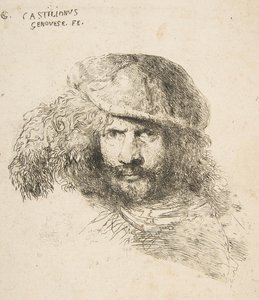
Il Grechetto
1609 - 1664 , Italia
Datos clave
- Artistic Movement Or Style: Barroco
- Artists Or Movements Influenced By This Artist:
- Scorza
- Flemish
- Artists Who Influenced This Artist:
- Van Dyck
- Rubens
- Date Of Birth: 23 de marzo de 1609
- Date Of Death: 5 de mayo de 1664
- Full Name: Giovanni Benedetto Castiglione
- Nationality: Italiano
- Notable Artworks:
- Noah's Ark
- Diogenes
- Genio
- Place Of Birth: Genoa, Italia
Artículos relacionados

The Dramatic Flourish: Exploring the Baroque Movement's Enduring Legacy in Art History
Explore the dramatic world of Baroque art! Discover iconic artists like Caravaggio & Rubens, defining techniques, and its lasting impact on art history. Expert insights for collectors & enthusiasts at ArtsDot.

The Visceral Stage: Exploring Dramatic Narratives & Emotional Intensity in Baroque Art
Explore the dramatic world of Baroque art! Discover iconic masters like Caravaggio & Rembrandt, their techniques, and the movement's lasting impact. Expert insights for collectors & enthusiasts at ArtsDot.

Barroco Sublime: 10 Obras Maestras que Definieron una Época |
Descubre las 10 obras maestras del Barroco que marcaron una época. Caravaggio, Bernini y Velázquez cobran vida en . Reproducciones de arte de calidad museo para decorar tu hogar con elegancia. ¡Explora la colección online!

Drama Barroca: Llevando la Grandeza y la Emoción a los Interiores Contemporáneos
Descubre cómo el drama y la grandeza del arte barroco pueden transformar tus interiores. Guía experta, inspiración y reproducciones de alta calidad en .

The Enduring Power of Painting: A Historical & Contemporary Exploration of Form and Emotion
Explore the rich history & enduring techniques of oil painting with ArtsDot. Discover masterpieces, learn about art collecting, and find authentic handmade reproductions crafted by skilled artists.