 Ver en contexto
 Enviar
 Compartir
 Detalles

 Descargar
 Similares
 Radiografía
 Presentación de diapositivas
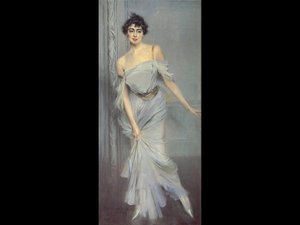
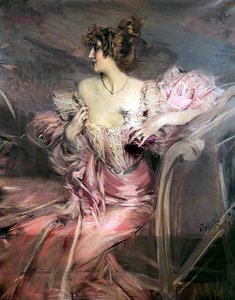
Portrait of Princess Marthe-Lucile Bibesco


 Ver más
Reproducción al óleo hecha a mano
Óleo sobre lienzo pintado a mano en el tamaño y marco de su elección, realizado por encargo por nuestros artistas. ( Comprar impresión Comprar imagen)




P118B $10

P118H $10

P118W $10

P438Z $10

P508JH $12

P508YH $12

P805H $10

P805Z $10

P919BZ $10

P919G $10

P919XJ $10

P959ZH $10

P968JZ $12

W106C $8

W218G $10

W218JH $8

W218Y $10

W307PJ $10

W316G $10

W316PJ $8

W316Y $10

W398PJ $8

W4111J $10

W500HY $15

W500JH $15

W692G $12

W849H $8

W940BG $15

W953PJ $8




Elija entre nuestros tamaños predefinidos que respetan las proporciones originales de la obra.

Puede ingresar sus propias dimensiones para adaptarse a un marco o espacio específico. Si el tamaño seleccionado no coincide con las proporciones de la imagen original, recortaremos la obra o extenderemos la pintura con elementos adicionales pintados a mano. Se le enviará una maqueta digital para su aprobación antes de comenzar la producción.
Tenga en cuenta que la vista previa en pantalla no refleja el recorte o la extensión reales. Solo la maqueta mostrará con precisión la composición final.
Si bien existen tamaños personalizados, recomendamos seleccionar una dimensión de la lista predefinida para preservar las proporciones originales.
Tras realizar el pedido, el equipo de ArtsDot.com enviará un correo electrónico al cliente para solicitar instrucciones y proporcionarle una vista previa del boceto.
Envío a todo el mundo () en 3-4 semanas en lugar de las 5 semanas estándar. (23 agosto). Sin comprometer la calidad.

Envío exprés gratuito a todo el mundo

Lienzo de lino de alta calidad

Seguro de envío total

Garantía de reembolso de impuestos aduaneros

Garantía de fidelidad cromática exacta

Política de devolución de 60 días (solo por defectos)

Garantía de devolución del 100% del dinero

Descuento por cantidad
 La opción de vidrio solo está disponible en tamaños inferiores a 110 cm.

Portrait of Princess Marthe-Lucile Bibesco
Técnica de reproducción
Dimensiones de la reproducción
-


Precio total final
$ 263
Descripción de la obra
A Portrait of Decadence: Giovanni Boldini’s Princess Marthe-Lucile Bibesco
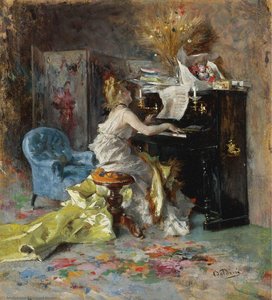
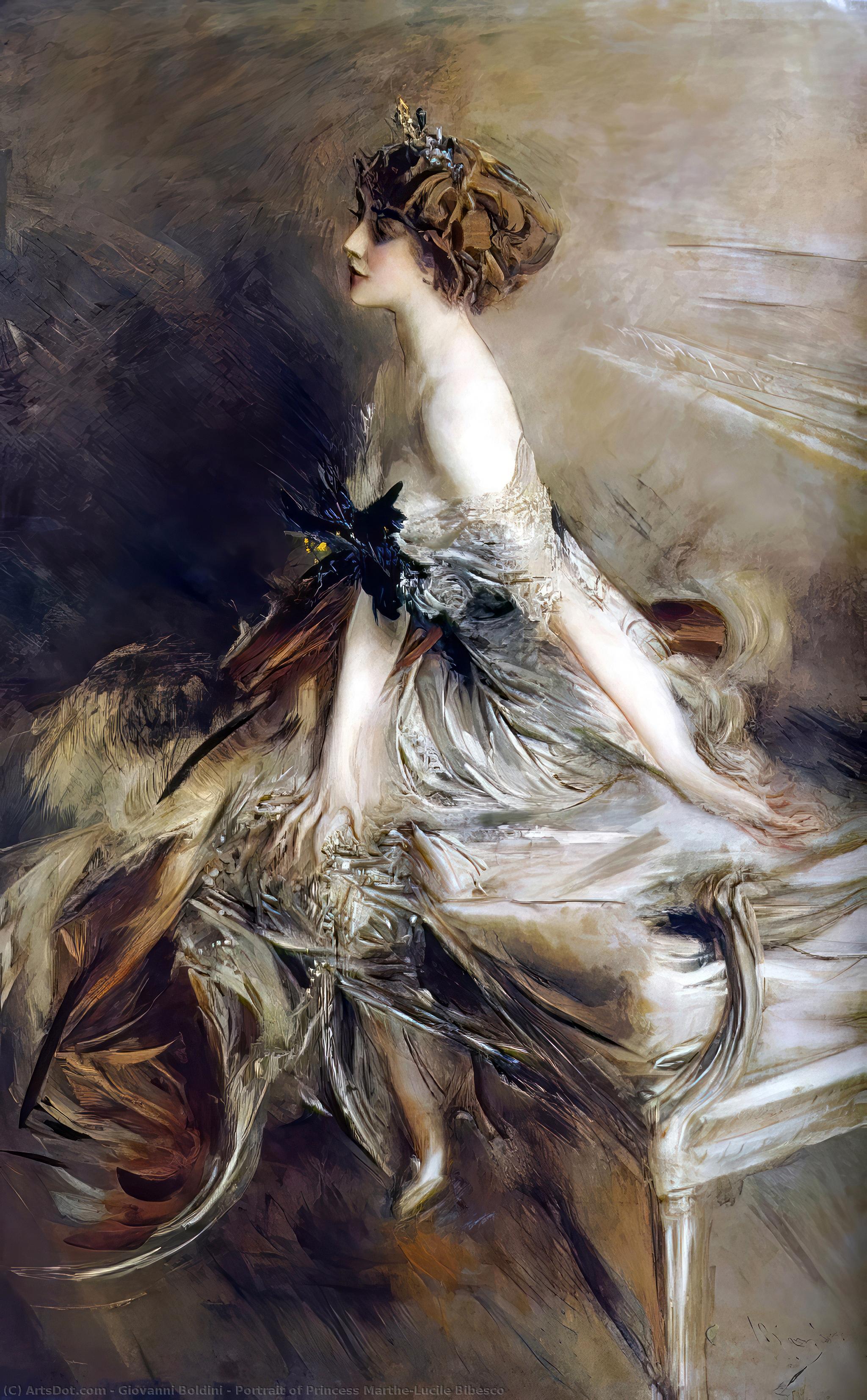
Giovanni Boldini's "Portrait of Princess Marthe-Lucile Bibesco," completed in 1911, is more than a simple likeness; it’s a shimmering glimpse into the decadent world of the Belle Époque. This painting, executed with Boldini’s signature Impressionistic flair, captures not just the physical beauty of its subject but also an undeniable sense of her character – a woman both alluring and subtly unsettling. The work immediately draws the eye to Princess Bibesco herself, seated at a grand piano, a symbol of wealth, refinement, and perhaps, hidden passions.
- Subject & Character: Boldini masterfully portrays Princess Marthe-Lucile Bibesco as a woman defined by her allure and, according to the artist’s interpretation, a certain wickedness. Her posture is relaxed yet poised, suggesting an inner confidence bordering on arrogance. The details of her dress – the flowing fabric, the lace bodice, and especially the prominent black bow – contribute to this impression, hinting at a personality that was both captivating and potentially dangerous.
- Impressionistic Technique: Boldini’s technique is central to the painting's impact. He employs loose brushstrokes and vibrant colors to capture not a photographic representation but rather an *impression* of the princess – her mood, her presence, the atmosphere surrounding her. This approach aligns with the broader Expressionist movement emerging at the time, prioritizing emotional resonance over strict realism.
The Symbolism of Form and Gesture
Beyond the immediate beauty of the portrait lies a carefully constructed symbolism. The piano itself is not merely a decorative element; it represents sophistication, artistic talent, and perhaps a veiled invitation to pleasure. Boldini’s use of light is particularly effective, illuminating the princess's face and dress while casting shadows that add depth and mystery to the composition. Note the careful rendering of her hands – poised above the keys – suggesting both control and vulnerability.
- The Black Bow: The most striking element is undoubtedly the large black bow at the princess’s waist, a deliberate choice by Boldini that has been interpreted as a visual representation of her “black heart.” This detail elevates the portrait beyond a simple depiction of a noblewoman and transforms it into a commentary on her character.
- Color Palette: The muted palette – dominated by dark tones contrasted with brighter highlights – contributes to the painting’s overall mood, enhancing the sense of drama and intrigue.
Historical Context & Artistic Influence
"Portrait of Princess Marthe-Lucile Bibesco" firmly places itself within the context of early 20th-century Parisian art. Boldini was a key figure in the Impressionist movement, yet his work also anticipated later developments in Expressionism. His focus on capturing subjective experience and emotional intensity paved the way for artists who sought to explore the inner lives of their subjects. The painting’s creation coincided with a period of significant social and cultural change – the rise of modernity, the increasing influence of leisure culture, and the growing fascination with celebrity and glamour.
- Boldini's Legacy: Boldini’s work is characterized by its dynamism and expressive brushwork. His portraits are renowned for their ability to capture not just physical likeness but also the personality and spirit of his subjects.
- Related Works: Collectors interested in Boldini’s oeuvre might also appreciate “The Laundry” and “Gentleman at the Piano,” both showcasing similar Impressionistic techniques and a keen eye for capturing character.
A Timeless Masterpiece – Perfect for Display
"Portrait of Princess Marthe-Lucile Bibesco" remains a captivating work of art, offering a glimpse into a bygone era of elegance and intrigue. Whether adorning the walls of a private residence or gracing the interior of a sophisticated space, this reproduction offers an opportunity to own a piece of art history – a testament to Giovanni Boldini’s genius and his ability to capture the essence of human character with remarkable skill and sensitivity.
Obras relacionadas

Biografía del artista
Primeros años y formación
Giovanni Boldini, pintor italiano de género y retratos, nació el 31 de diciembre de 1842 en Ferrara, Italia. Su padre, un pintor de temas religiosos, fomentó su temprano interés por el arte. En 1862, Boldini se trasladó a Florencia durante seis años para estudiar y dedicarse a la pintura, donde conoció a los macchiaioli, un grupo de pintores realistas italianos que fueron precursores del impresionismo.Carrera artística
El estilo artístico de Boldini se caracterizó por su respuesta fluida y espontánea a la naturaleza, como se ve en sus paisajes. Sin embargo, fueron sus retratos los que le valieron un amplio reconocimiento. Se hizo conocido como el "maestro del trazo", un título acuñado por Time Magazine en 1933.Obras notables y exposiciones
- El retrato de Giovanni Boldini de la condesa de Rasty recostada (impresionismo) es un ejemplo notable de su obra, que muestra su capacidad para capturar la esencia de sus sujetos.
- En 1897, tuvo una exposición individual en Nueva York, lo que consolidó aún más su reputación como retratista.
- Participó en la Bienal de Venecia en 1895, 1903, 1905 y 1912, demostrando su compromiso con el mundo del arte.
Influencias y desarrollo artístico
Boldini inicialmente se formó bajo la influencia de los macchiaioli, adoptando sus técnicas realistas y su enfoque en la observación directa de la naturaleza. Sin embargo, a medida que evolucionaba su carrera, desarrolló un estilo más libre y expresivo, influenciado por el impresionismo y el arte japonés. Su habilidad para capturar el movimiento y la luz se convirtió en una característica distintiva de sus retratos, especialmente aquellos realizados durante su período parisino.Legado e importancia histórica
Giovanni Boldini falleció el 11 de julio de 1931 en París, dejando atrás un legado como uno de los pintores de retratos más elegantes de su tiempo. Su obra continúa inspirando a artistas y entusiastas del arte por igual.- Explore más obras de Giovanni Boldini en [https://ArtsDot.com/@/giovanni-boldini].
- Descubra el Museo Giovanni Boldini (Italia) y su importancia en el arte italiano en [https://ArtsDot.com/@@/a@d3astr-museo-giovanni-boldini-(italy)-a-hidden-gem-of-italian-art].
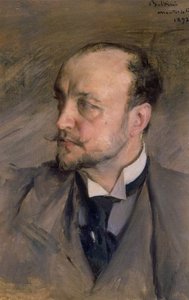
Giovanni Boldini
1842 - 1931 , Italia
Datos clave
- Artistas Influyentes: ['Macchiaioli']
- Estilo Artístico: Impresionismo, Realismo
- Fecha De Fallecimiento: 11 de julio de 1931
- Fecha De Nacimiento: 31 de diciembre de 1842
- Lugar De Nacimiento: Ferrara, Italia
- Nacionalidad: Italiana
- Nombre Completo: Giovanni Boldini
- Obras Notables: ['La condesa de Rasty reclinada']
Artículos relacionados
Giovanni Boldini: A Study in Belle Époque Portraiture & the Cult of Personality
Explore the captivating world of Giovanni Boldini, master of Belle Époque portraiture. Discover his signature style, iconic works like 'Miss Bell,' and lasting influence on art history. Expert analysis for collectors.

Giclée Prints: Archival Quality & Aesthetic Nuances for the Discerning Collector
Explore the world of giclée prints with ArtsDot. Learn about archival quality, aesthetic nuances & investment potential. Expert guidance for discerning art collectors seeking museum-quality reproductions and lasting value.

The Enduring Legacy of Fine Art Prints: Technique, History & Aesthetic Impact
Explore the rich history & techniques of fine art prints. Discover investment potential, assess authenticity, and learn how to preserve your collection with expert guidance. Trusted insights for discerning collectors.
Echoes of 1882: Art, Culture & the Belle Époque's Lasting Impression
Explore the art & culture of the Belle Époque! Discover Impressionism, Realism, and iconic Parisian paintings from Degas, Béraud & more. High-quality reproductions at ArtsDot.
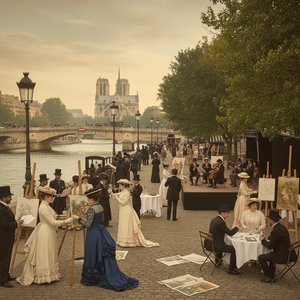
Echoes of 1875: Art, Culture & the Belle Époque's Pivotal Moment
Explore the art & culture of 1875 Paris – a pivotal year for Impressionism & the Belle Époque. Discover Degas, Béraud, Stewart & more with ArtsDot's expert insights.