 Ver en contexto
 Enviar
 Compartir
 Detalles

 Descargar
 Similares
 Radiografía
 Presentación de diapositivas
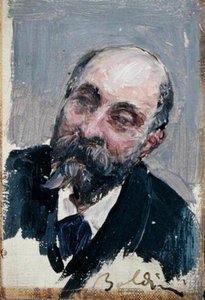
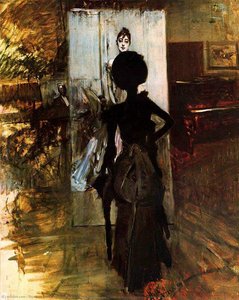
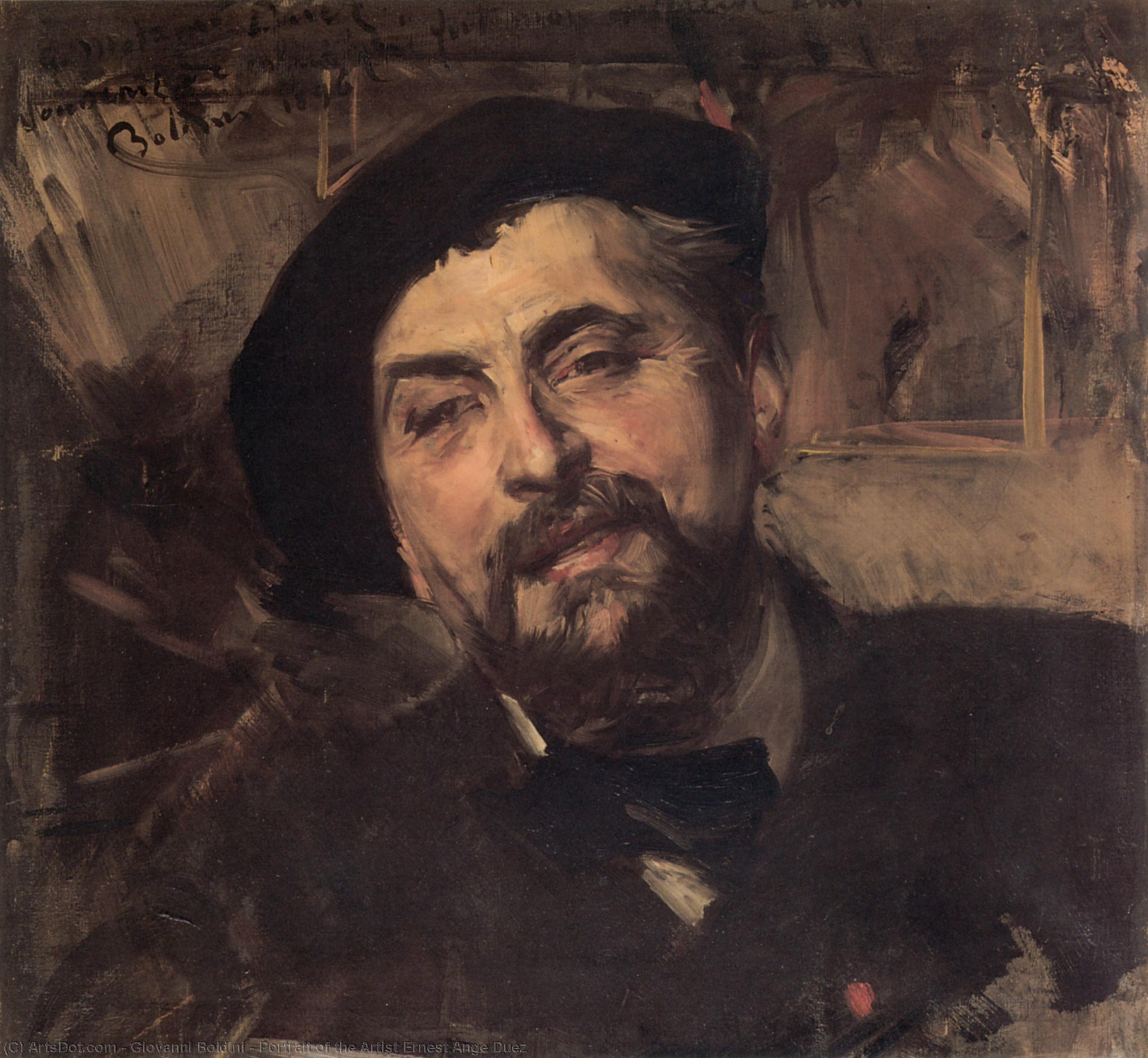
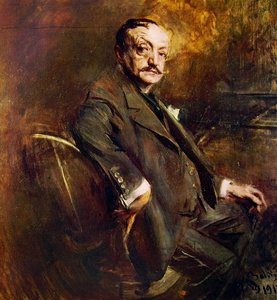
Portrait of the Artist Ernest Ange Duez
 Oil On Canvas
- WallArt
- Italian Realism
 1896
1896 48.0 x 46.0 cm
 Ver más
Giclée / Impresión de arte
Impresiones giclée o en lienzo de calidad de museo con producción rápida y opciones de acabado flexibles. ( Comprar pintura hecha a mano Comprar imagen)




P118B $10

P118H $10

P118W $10

P438Z $10

P508JH $12

P508YH $12

P805H $10

P805Z $10

P919BZ $10

P919G $10

P919XJ $10

P959ZH $10

P968JZ $12

W106C $8

W218G $10

W218JH $8

W218Y $10

W307PJ $10

W316G $10

W316PJ $8

W316Y $10

W398PJ $8

W4111J $10

W500HY $15

W500JH $15

W692G $12

W849H $8

W940BG $15

W953PJ $8




Elija entre nuestros tamaños predefinidos que respetan las proporciones originales de la obra.

Puede introducir sus propias dimensiones para adaptarse a un marco o espacio específico. Si el tamaño seleccionado no coincide con las proporciones de la imagen original, recortaremos la obra de arte o extenderemos la imagen con un borde con efecto espejo o de color sólido. Se enviará una maqueta digital para su aprobación antes de que comience la producción.
Tenga en cuenta que la vista previa en pantalla no refleja el recorte o la extensión real. Solo la maqueta mostrará con precisión la composición final.
Aunque existen tamaños personalizados, recomendamos seleccionar una dimensión de la lista predefinida para preservar las proporciones originales.
Envío a todo el mundo () en 2 semanas en lugar de las 4/5 semanas estándar. (1 septiembre)

Envío exprés gratuito a todo el mundo

Lienzo de lino de alta calidad

Seguro de envío total

Garantía de reembolso de impuestos aduaneros

Garantía de fidelidad cromática exacta

Política de devolución de 60 días (solo por defectos)

Garantía de devolución del 100% del dinero

Descuento por cantidad
 La opción de vidrio solo está disponible en tamaños inferiores a 110 cm.

Portrait of the Artist Ernest Ange Duez
Giclée / Impresión de arte
Dimensiones de la reproducción
-


Precio total final
$ 62
A Window Into Victorian Dignity: Giovanni Boldini’s Portrait of Ernest Ange Duez
Giovanni Boldini's "Portrait of the Artist Ernest Ange Duez," completed in 1896, transcends mere representation; it embodies the spirit of its time—a moment captured with meticulous detail and infused with a profound understanding of human psychology. Executed in oil on canvas measuring 48 x 46 cm, this artwork stands as a quintessential example of Boldini’s signature style: realism tempered by an exquisite sensitivity to light and color. The painting immediately draws the eye to Ernest Ange Duez himself—a gentleman dressed impeccably in black attire, adorned with a striking feather hat that speaks volumes about social status and refinement. His gaze directs outwards, conveying a contemplative stillness that invites viewers into his inner world.- Subject Matter: The portrait focuses on capturing the dignified presence of Ernest Ange Duez, reflecting the Victorian preoccupation with decorum and self-presentation.
- Composition: Boldini skillfully arranges elements within the frame—a chair and couch providing a subtle backdrop—to create a sense of intimacy and immediacy. Notably, a clock is positioned prominently, symbolizing time’s relentless march and hinting at Duez's life experiences.
Technique and Artistic Style: Boldini’s Realist Vision
Boldini’s mastery lies in his ability to render textures with astonishing accuracy. The oil paint application is layered meticulously, achieving a velvety surface that captures the nuances of light and shadow—a technique characteristic of the Macchiaioli movement and deeply rooted in observation. Boldini's meticulous attention to detail extends beyond mere likeness; he strives to convey not just what Duez looks like but also how he feels—the seriousness etched upon his face, the subtle curve of his mustache and goatee reflecting confidence and intellect. The muted palette—primarily browns and creams—contributes to an atmosphere of understated elegance, prioritizing tonal harmony over flamboyant color schemes.Historical Context: Milanese Patronage and the Rise of Musical Institutions
The painting’s creation coincided with a burgeoning interest in musical patronage within Italy, specifically exemplified by Giuseppe Verdi's establishment of Casa di Riposo per Musicisti in Milan—a sanctuary for aging musicians dedicated to preserving their legacy. This institution represents the Victorian era’s humanist values and its commitment to supporting artistic endeavors. Boldini’s work reflects this cultural milieu, aligning with a broader trend toward celebrating intellectual pursuits and honoring individuals who contribute to society's cultural landscape.Symbolism and Emotional Resonance: Beyond Appearance
The feather hat serves as more than just an accessory; it symbolizes prestige and aristocratic lineage—a visual shorthand for Duez’s social standing. Simultaneously, the contemplative gaze suggests introspection and a quiet contemplation of life’s complexities. Boldini's portrait isn’t merely a depiction of a man; it’s an exploration of character and emotion—a testament to his ability to convey profound psychological insight through artistic form.Conclusion: An Enduring Legacy
“Portrait of the Artist Ernest Ange Duez” remains a captivating artwork because Boldini successfully captures not only physical likeness but also the intangible essence of human dignity. It stands as a beautiful reminder of the Victorian era's appreciation for artistry and its desire to honor those who enrich our cultural heritage—a timeless masterpiece destined to inspire admiration for generations to come.Obras relacionadas
Biografía del artista
Primeros años y formación
Giovanni Boldini, pintor italiano de género y retratos, nació el 31 de diciembre de 1842 en Ferrara, Italia. Su padre, un pintor de temas religiosos, fomentó su temprano interés por el arte. En 1862, Boldini se trasladó a Florencia durante seis años para estudiar y dedicarse a la pintura, donde conoció a los macchiaioli, un grupo de pintores realistas italianos que fueron precursores del impresionismo.Carrera artística
El estilo artístico de Boldini se caracterizó por su respuesta fluida y espontánea a la naturaleza, como se ve en sus paisajes. Sin embargo, fueron sus retratos los que le valieron un amplio reconocimiento. Se hizo conocido como el "maestro del trazo", un título acuñado por Time Magazine en 1933.Obras notables y exposiciones
- El retrato de Giovanni Boldini de la condesa de Rasty recostada (impresionismo) es un ejemplo notable de su obra, que muestra su capacidad para capturar la esencia de sus sujetos.
- En 1897, tuvo una exposición individual en Nueva York, lo que consolidó aún más su reputación como retratista.
- Participó en la Bienal de Venecia en 1895, 1903, 1905 y 1912, demostrando su compromiso con el mundo del arte.
Influencias y desarrollo artístico
Boldini inicialmente se formó bajo la influencia de los macchiaioli, adoptando sus técnicas realistas y su enfoque en la observación directa de la naturaleza. Sin embargo, a medida que evolucionaba su carrera, desarrolló un estilo más libre y expresivo, influenciado por el impresionismo y el arte japonés. Su habilidad para capturar el movimiento y la luz se convirtió en una característica distintiva de sus retratos, especialmente aquellos realizados durante su período parisino.Legado e importancia histórica
Giovanni Boldini falleció el 11 de julio de 1931 en París, dejando atrás un legado como uno de los pintores de retratos más elegantes de su tiempo. Su obra continúa inspirando a artistas y entusiastas del arte por igual.- Explore más obras de Giovanni Boldini en [https://ArtsDot.com/@/giovanni-boldini].
- Descubra el Museo Giovanni Boldini (Italia) y su importancia en el arte italiano en [https://ArtsDot.com/@@/a@d3astr-museo-giovanni-boldini-(italy)-a-hidden-gem-of-italian-art].
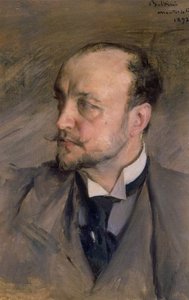
Giovanni Boldini
1842 - 1931 , Italia
Datos clave
- Artistas Influyentes: ['Macchiaioli']
- Estilo Artístico: Impresionismo, Realismo
- Fecha De Fallecimiento: 11 de julio de 1931
- Fecha De Nacimiento: 31 de diciembre de 1842
- Lugar De Nacimiento: Ferrara, Italia
- Nacionalidad: Italiana
- Nombre Completo: Giovanni Boldini
- Obras Notables: ['La condesa de Rasty reclinada']
Artículos relacionados
Giovanni Boldini: A Study in Belle Époque Portraiture & the Cult of Personality
Explore the captivating world of Giovanni Boldini, master of Belle Époque portraiture. Discover his signature style, iconic works like 'Miss Bell,' and lasting influence on art history. Expert analysis for collectors.
Echoes of 1882: Art, Culture & the Belle Époque's Lasting Impression
Explore the art & culture of the Belle Époque! Discover Impressionism, Realism, and iconic Parisian paintings from Degas, Béraud & more. High-quality reproductions at ArtsDot.
Jean-Georges Béraud: Capturing Parisian Life in the Belle Époque
Explore the captivating world of Jean-Georges Béraud, master painter of Belle Époque Paris. Discover his iconic scenes, artistic evolution, and social commentary. A deep dive into 19th-century French art.
Romantic Realism's Finest: 10 Masterpieces for Your Home | ArtsDot
Explore 10 defining masterpieces of Romantic Realism! Discover Courbet, Millet & Daumier's powerful paintings—capturing emotion and social realities. Find museum-quality reproductions for your home at ArtsDot.com.

El Óleo sobre Lienzo: Historia, Técnica y la Persistencia de un Medio Artístico Atemporal
Descubre la historia y técnica del óleo sobre lienzo. Explora reproducciones fieles hechas a mano, personalización artística y consejos de expertos con ArtsDot. ¡Colecciona arte con confianza!